Published: 04 May 2026. The English Chronicle Desk. The English Chronicle Online.
The streets of Tokyo transformed into a vibrant sea of dissent during the past weekend. Tens of thousands of Japanese citizens gathered to protect their long-standing and cherished pacifist constitution. This massive public display of emotion comes at a critical turning point for the nation. Prime Minister Sanae Takaichi has recently intensified her efforts to amend the country’s supreme law. She believes the current document is a relic of a very different historical era. Takaichi argues that Japan must adapt to the modern and complex global security environment today. Her administration views the constitutional restrictions as an obstacle to ensuring national safety and stability. However, many citizens feel that the pacifist clause is the soul of their country. They credit this specific legal framework for eight decades of peace and remarkable economic growth. The tension between tradition and transformation has now reached a boiling point across the islands.
Prime Minister Takaichi delivered a significant speech while visiting Vietnam during her recent official tour. She spoke about the necessity of having advanced discussions regarding the future of the law. The Prime Minister noted the constitution was originally drafted by the United States occupation forces. This occurred shortly after the tragic conclusion of the second world war many years ago. Takaichi believes the document should be updated periodically to reflect the modern demands of times. She represents the conservative wing of the ruling Liberal Democratic Party with great political conviction. Her colleagues have long argued that Japan faces rising threats from North Korea and China. They claim the current legal wording prevents a swift response to potential regional security crises. The specific focus of their reform efforts is the famous and controversial Article 9 clause. This section officially forbids Japan from using military force to settle any international disputes.

The push for reform has become the absolute focal point of Takaichi’s busy administration. She has championed this cause since she became the Prime Minister during the last autumn. Some legislative changes passed a decade ago already allow for limited collective self-defence actions. These changes theoretically permit Japan to assist an ally that is under direct military attack. However, Takaichi wants to go much further to solidify the status of the military. Any formal revision requires a two-thirds majority in both houses of the national parliament. Furthermore, the government must secure a simple majority in a nationwide public referendum vote. Achieving such a high level of political and public consensus remains a significant challenge. Opinion polls show that the Japanese public is deeply divided on this fundamental national issue. Some people support minor technical changes while others remain fiercely opposed to any fundamental revisions.
A recent poll by the Yomiuri Shimbun newspaper showed fifty-seven percent support for some revision. Conversely, a survey by the Asahi Shimbun found that support for reform was lower. This data suggests that nearly half of the population remains wary of altering pacifist principles. The practical constraints of Article 9 were recently highlighted during a high-profile diplomatic exchange. Donald Trump reportedly requested that Japan send maritime forces to the sensitive Strait of Hormuz. Prime Minister Takaichi turned down this request while citing the strict limits of the constitution. Reports suggest she did so with reluctance as she values the vital American security alliance. This incident served as a powerful reminder of the legal boundaries governing the Japanese military. Protesters in Tokyo cited this very example as a reason to keep the law intact. They believe the constitution protects Japan from being drawn into unnecessary foreign military conflicts.
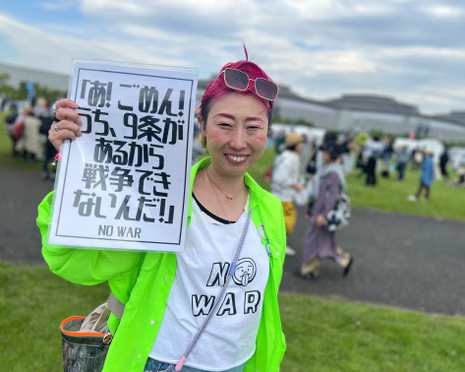
The demonstration held on Constitutional Memorial Day saw an estimated fifty thousand people in Tokyo. Participants gathered in a local park to celebrate a document that remains entirely unchanged today. The wording has stood firm since it first went into effect in May of 1947. Protesters carried anti-war placards and chanted slogans about the importance of maintaining national peace. Hiroko Maekawa, a local councillor, spoke passionately to the large crowd about her deep concerns. She suggested that the government is following American interests too closely in the modern era. Maekawa believes the Liberal Democratic Party wants to create a traditional and powerful fighting military. She argues that the current constitution is the only thing preventing a dangerous military expansion. Another councillor, Megumi Koike, described the document as a treasure for the entire global community. She believes the government should prioritize spending on healthcare and education over expensive new weapons.
The spirit of protest was not limited to the capital city during the holiday. Dozens of other towns and cities held similar gatherings to honour the postwar legal legacy. Many elderly citizens attended these events to share their personal memories of the Great War. They remember a time when the country was ravaged by conflict and deep national suffering. These individuals view the constitution as a sacred promise to never repeat past mistakes. Haruka Watanabe, who is eighty-seven years old, spoke to the Kyodo news agency in Osaka. She expressed a desire to cherish the constitution like a beloved and precious child. Watanabe wants to pass this legacy of peace down to all future Japanese generations. Her voice represents a segment of society that views pacifism as a core identity. For them, any change to Article 9 feels like a betrayal of historical lessons.
While the protests grew in strength, Prime Minister Takaichi continued her busy international diplomatic schedule. She prepared for a trip to Australia to discuss energy security and critical minerals. Takaichi also planned to talk about defence cooperation with Prime Minister Anthony Albanese this week. Before departing, she told reporters in Hanoi that the time for debate is ending. She insisted that politicians must stop talking and finally make a firm national decision. Takaichi believes that prolonged discussion without action undermines the trust of the Japanese people. Her tone suggests a determined push toward a referendum in the near future anyway. The government seems ready to test the public appetite for change despite the visible opposition. This sets the stage for a monumental political battle over the coming several months. The outcome will define the role of Japan on the global stage for decades.

The United States embassy in Tokyo recently shared a message that sparked much public discussion. The post on social media praised the constitution for upholding popular sovereignty and human rights. It specifically mentioned that the document has served as a foundation for seventy-nine years. Interestingly, the embassy noted the law has never been amended since its original enactment. This message was seen by some as a subtle endorsement of the current status quo. It mentioned that General Douglas MacArthur highly praised the document in his personal historical memoirs. This is notable because the United States often pushes Japan to take more security responsibility. The complex relationship between the two nations adds another layer to the constitutional debate. Japan must balance its domestic pacifist sentiments with the demands of its primary security partner. This delicate balancing act is becoming increasingly difficult for the current government to maintain.
The scale of the protests has grown significantly over the last several months in Tokyo. In late February, only a few thousand people gathered outside the national parliament building. That number grew ten times larger within just a few weeks of the initial protest. The momentum suggests that the pro-constitution movement is gaining significant strength among younger citizens too. Students and young professionals are joining the elderly in the streets to voice their concerns. They are worried about the potential for conscription or involvement in regional maritime disputes. The digital landscape is also buzzing with intense debates about the future of the nation. Social media platforms are filled with arguments from both sides of the constitutional revision issue. This indicates a high level of civic engagement among the modern Japanese population today. The government cannot easily ignore the voices of so many concerned and active citizens.
As Japan moves forward, the world will be watching these historic developments very closely. The decision to revise the constitution is not just a domestic legal matter anymore. It has profound implications for the balance of power within the entire Indo-Pacific region. Neighbours like South Korea and China will monitor any changes to Japan’s military status carefully. The internal struggle for the soul of the nation continues to unfold with intensity. Prime Minister Takaichi remains steadfast in her mission to modernize the aging national legal framework. Meanwhile, the protesters remain equally committed to preserving the peace that has defined their lives. The coming months will likely see more demonstrations and heated political debates in parliament. Ultimately, the people of Japan will decide the path their country takes in 2026. This journey toward a potential referendum will be a defining moment in modern history.
Related News:
 EU Weakens as Trump Targets Venezuela and Greenland
 Venezuela Oil Deal Opens Tensions with US Control
 US Citizens Warned to Venezuela Flee Amid Paramilitary Threats
 Gulf states warn Trump Iran strikes risk wider Middle East war
 Machado Trump medal gesture reshapes Venezuela power struggle
 Greenland defence seen as shared Nato duty amid troop arrivals
 Gulf states warn Trump Iran strikes risk wider Middle East war
 Trump Receives Machado’s Nobel Medal in White House Meeting
 Iran unrest slows under brutal crackdown and global tensions
 Syria President Declares Victory as Ceasefire Reached with SDF
 US Considers Asylum for British Jews Amid Rising Antisemitism
 Thousands Protest ICE Operations in Nationwide US Day of Action
 Epstein Files Reveal Trump Officials’ Emails with Financier
 Thousands Protest ICE in New York Against Trump Deportation Campaign
 Sydney Protest Pepper Spray Clash During Herzog Visit
 Cuba Kills Exiles in Speedboat Attack from US Waters
 Yvette Cooper: UK Must Follow Principles, Not US Pressure
 Saudi Arabia Urging US to Keep Up Iran Attacks
 Washington Enlists Musk to Battle Global Hostility Online
 Teen Girl Charged After Alleged Melbourne Hate Crime Spree
 Macron Urges Stability as Trump Jolts Nato and Iran
 Trump Address Sparks Global Backlash Over Iran War Tactics
 Macron Rebukes Trump Following Mockery of His Marriage
 Trump Sets Tuesday Deadline for Iran to Reopen Vital Strait
 Tragic End to Outback Search as Floods Claim a Life
 Ben Roberts-Smith Arrested Over Alleged War Crimes
 Trump and Tehran Find Common Ground in Landmark Ceasefire
 Netanyahu Vows Continued Lebanon Strikes Amid Peace Talks
 Trump Predicts Rapid Return to Peace Talks in Pakistan
 Reeves Slams Trump Over Iran War Lack Of Exit Plan
 US and Iran Pursue Extension of Ceasefire via Pakistan
 Mexico, Spain and Brazil call for Cuba dialogue amid crisis
 Ukraine Urges UK to Seize Russian Oil Tankers
 US Calls Australia Media Law “Foreign Extortion”
 Oil Prices Surge Above $120 Amid Iran Blockade Fears
 Tragic End to Search for Missing Girl in Alice Springs
 Questions Remain Over The Tragic Bondi Massacre
 Trump orders US troop pullout from Germany
 Activists allege abuse after Gaza flotilla seizure
 Ukraine strikes Tuapse as oil disaster worsens
 Australia pushes Pacific security pact amid China tension
 Indiana Republicans Defy Trump in Key Vote Test
 Middle East Crisis Escalates as Oil Routes Shake Markets
 FIFA Confirms Global Ban for Benfica Star Prestianni
 New South Wales Wetland Rescue Legislation Passes
 Tensions Emerge in Netanyahu-Trump Alliance
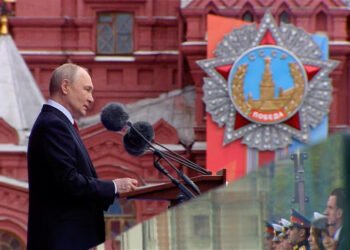 Putin Declares Russia Victory at Scaled Victory Day Parade
 US and Mexico Face Heatwave as Floods Batter South Africa
 The Long Way Home: Australia’s High-Stakes Virus Mission
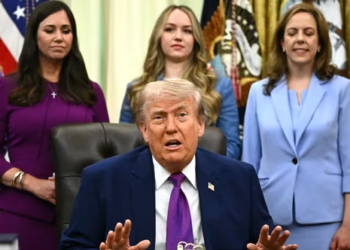 Trump Warns Iran Ceasefire Is Now on Life Support
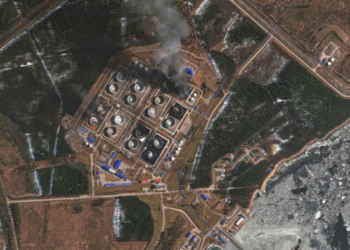 Putin Signals War End as Russian Momentum Stalls
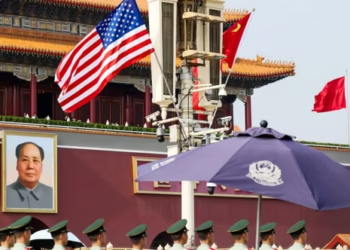 Scepticism and tight security as Beijing braces for Trump
 UN Faces Crucial Vote on Landmark ICJ Climate Ruling
 US-Mexico Crisis: Cartel Allegations Push Ties to Brink
 Netanyahu Calls Early Election Amid Coalition Turmoil
 Philippine Senator Flees After Days Under Senate Siege
 Solomon Islands Elects China Critic Matthew Wale as Leader
 Tragedy in the Maldives: Inside the Deep Sea Rescue
 US Ebola Case Sparks Urgent Global Screening Measures
 Xi Hosts Putin in Beijing Days After Landmark Trump Summit
 Fragile Truce Shattered as Violence Escapes Diplomatic Control
 The Hunt for Bato: Inside the Hunt for the Fugitive Senator
 Israeli Strikes in Lebanon Kill 10 Amid Ceasefire Strain
 Zelenskyy warns over Oreshnik threat as Kyiv hit
 Hunger increasingly weaponised in global conflicts
 Discontent grows around Putin amid war strain
 Former ICC prosecutor condemns US sanctions
 Bondi Tragedy Survivors Face Online Abuse After Inquiries
 Japan Suffers Plastic Shortage Due to Middle East Crisis
 Venezuela Opposition Steers Uncharted Path Forward
 Aukus Deal Facing Fierce Backing and Historic Criticism
 Thai Princess Bajrakitiyabha Passes Away at 47
 Sentenced to 30 Years: Former Leader’s Secret Drone Plot
 Kyiv Heritage Blazes After Night of Brutal Russian Strikes
 Iran To Propose New Shipping Fees In Strait Of Hormuz
 Trump’s Iran Legacy Hangs on Tehran Deal
 High Drama in Tehran Over Secret Nuclear Letters
 Houthis Strike Saudi Arabia as Middle East Tensions Rise
 Taliban global ties grow as rights fears mount
 Seoul proposes historic peace talks to replace Korean War armistice