Published: 07 May 2026. The English Chronicle Desk. The English Chronicle Online.
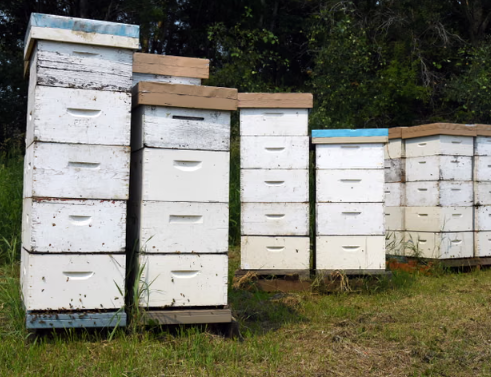
The quiet landscapes of the New South Wales Northern Tablelands now face a strange mystery. Thieves have reportedly targeted a rural property to steal a massive haul of valuable beehives. This bold theft involved eighty active colonies valued at roughly one hundred and fifty thousand dollars. Local police believe the incident took place between late March and early May this year. The targeted property sits on Bruxner Way about fifteen kilometres west of the town Bonshaw. Investigators from the rural crime prevention team are now searching for any possible leads nearby. They describe the missing boxes as being cream coloured with distinct blue and white lids. Each hive also featured blue base boards and red clear boards for easy identification.
This specific crime has sent shockwaves through the tight knit community of Australian commercial apiarists. Mitch McLennan runs The Honey Shed in the nearby town of Tabulam within the region. He expressed his deep concern for the owner who suffered such a truly devastating loss. McLennan suggests that the crime required a high level of specialized knowledge to carry out. He believes that only another experienced beekeeper would have the skill to move them. Most ordinary people would never dream of handling eighty active and highly defensive bee colonies. The logistics of transporting such a large number of hives requires very specific heavy equipment. This leads many locals to suspect the thief is someone from within their own industry.
The motivation behind this unusual theft likely stems from a growing sense of regional desperation. A parasitic threat known as the varroa destructor mite has ravaged many local honey bee populations. This tiny mite weakens bees and spreads deadly viruses throughout an entire healthy colony. Since its first detection in June twenty twenty-two it has swept across the vast nation. Many beekeepers have lost their primary source of income due to these persistent natural pests. McLennan noted that hive thefts have unfortunately become quite a common occurrence in recent years. Desperate apiarists may be stealing healthy hives to replace those they lost to the mite. This creates a cycle of theft that threatens the stability of the entire agricultural sector.
Rural police are currently urging anyone with dashcam footage of the area to come forward. Witnesses who saw suspicious trucks on Bruxner Way could provide the vital evidence needed now. Information can be reported anonymously to the authorities at the Inverell or Glen Innes stations. The sheer scale of this operation suggests the thieves spent considerable time on the site. Moving eighty heavy hives is not a task that can be finished in a night. It requires a large flatbed truck and a crane or a specialized motorized hive loader. These tools are standard for professional beekeepers but very rare for the general public. This technical requirement reinforces the theory that the culprits are likely professional industry insiders.
Security has become a major talking point for honey producers across the New South Wales region. Many keepers traditionally place their hives on public land or near busy state forest roads. These locations offer great access to flowering trees but leave the bees exposed to thieves. McLennan explained that he now keeps his own bees behind three separate sets of locks. He prefers private property because it keeps his valuable livestock well away from prying eyes. His friends in the industry report that roadside sites are now frequently targeted by vandals. Thieves often pull frames from boxes or simply take the entire hive under dark cover. Without secure fencing these essential pollinators remain sitting ducks for anyone with a large truck.
The impact of this theft goes far beyond the immediate financial loss of the hives. Bees play a critical role in pollinating many of the food crops grown across Australia. Losing eighty colonies means fewer bees are available to service local orchards and vegetable farms. This can lead to lower crop yields and higher food prices for the general consumer. The honey industry is a vital part of the rural economy in northern New South Wales. When a single producer loses their entire stock it ripples through the local supply chain. The owner of these hives now faces a long road to rebuild their lost business. Replacing eighty established colonies is an expensive and time consuming task for any lone farmer.
Experts are calling for better tracking methods to protect the future of the honey industry. Some suggest using GPS trackers hidden inside the wooden walls of the individual hive boxes. Others recommend branding the wood with unique serial numbers that are very difficult to remove. These measures might deter thieves who look for easy targets on isolated rural country roads. However the cost of such technology can be prohibitive for smaller family run honey farms. The current crisis with the varroa mite makes every single healthy bee colony incredibly precious. As the value of bees rises the incentive for criminals to steal them increases. This theft serves as a stark warning to the global agricultural community about biosecurity.
The New South Wales police continue to monitor local markets for any signs of the stolen property. They are looking for the distinct cream and blue boxes mentioned in the initial report. It is possible the thieves will try to repaint the boxes to hide their origin. However the specific health and breed of the bees can sometimes be identified by experts. Forensic specialists may even look for tire tracks or DNA evidence left at the scene. The rural crime team is dedicated to stopping these thefts before they destroy more lives. Every lead is being followed with the hope of recovering the missing eighty bee hives. For now the community remains on high alert for any suspicious activity in the fields.
The story of the stolen bees highlights a darker side of the modern farming world. While most farmers work together there are always a few who choose a dishonest path. The pressure of environmental change and invasive species can drive people to do desperate things. It is a sad reality that a beekeeper would choose to rob a fellow worker. This case remains open as the search for the hundred and fifty thousand dollars continues. The English Chronicle will provide updates as soon as the local police release more details. For the sake of the industry we hope for a swift and just resolution. Protecting our pollinators is essential for the health of our planet and our food.
Related News:
 UK Targets in New York Bomb Threat Hoax: Man Jailed
 Dutch Nationwide Fireworks Ban Expected to Transform New Year Traditions
 Files Link Andrew to Epstein Dinner After Prison Release
 Christchurch gunman seeks to vacate guilty plea
 Sydney Teacher Arrested in Teenage Grooming Investigation
 The Shadow Lodge: Paris Murder Trial Grips the Nation
 Teen Girl Charged After Alleged Melbourne Hate Crime Spree
 Queensland Braces for Potential Second Severe Cyclone Hit
 Tragic End to Outback Search as Floods Claim a Life
 US Waste Crisis: Mexico Branded a Toxic Garbage Sink
 Cyclone Maila Intensifies to Category Five Strength
 Broken Promises: Murray-Darling River Crisis Deepens
 The Lion Guard: How One Woman Heals the Zambezi Valley
 Ukraine strikes Tuapse as oil disaster worsens
 Ending the Hunt: A Triple Murder Suspect Found in Remote Bush
 UN Faces Crucial Vote on Landmark ICJ Climate Ruling
 Tiger Escape Shatters Peace in Germany
 US judge dismisses Kilmar Abrego Garcia indictment
 Outcry Over Kushner’s Albanian Resort
 Breakthrough in Hunt for Sovereign Citizen Accomplices
 Southern Europe Reels as Wildfires Force Mass Evacuations
 Colombia’s Fight Over Fossil Fuels
 Justice Behind Closed Doors
 Melbourne Police Strike Crime Syndicate in Hospitality War
 Japan Bear Hunt: Serial Fridge Raider Sparks Panic
 UK Bans Fake Numbers: Scammers Lose Their Trick
 Greene Pushes Epstein Files Amid Trump Fallout
 Man Denies Stealing Bronze Age Gold from Museum
 Inside the Helpline Protecting Missing Children in the UK
 Runaway Driver Caught by DNA Evidence
 ‘Extinct’ Antelope Returns to Sahara, Bringing Hope
 Met Police Vetting Failures Let Serial Rapists Remain
 Friedman Uninvited From 2024 Adelaide Writers’ Week
 Spoof “Make America Go Away” Caps Rally Denmark Over Greenland
 Judi Dench Champions Fight to Save London’s Green Spaces
 Kelly Wilkinson Inquest Reveals Bail Failure
 New Zealand Covid Response Praised Despite Lingering Scars
 ‘Drinking from a Fetid Pond’: Superbug Genes in Lough Neagh
 Family of Alleged Bondi Gunman Seeks Name Suppression
 Extreme Weather: Europe Shivers as Cyclone Narelle Hits
 Diplomacy on the Brink: Pakistan’s Risky Peace Mission
 Teenage Titan: Sooryavanshi Smashes IPL Records
 Canadian Mother and Daughter Released From ICE Detention
 Reform UK Pledges To Halt Visas Over Reparations Demands
 US and Iran Agree to Two-Week Provisional Ceasefire
 Israel Defies Ceasefire as Lebanon Operations Persist
 Islamabad Hosts Historic Peace Talks Between Iran and USA
 Trump Signals Hope for New Iran Talks as Ceasefire Fades
 Security Alert Near Israeli Embassy as Police Investigate
 Ben Roberts-Smith Denies War Crime Allegations in First Statement
 US-Iran Standoff: Will Trump Deploy Ground Troops?
 Investigation Into Anti-Trump Motives After Gala Shooting
 EU Deal May Force UK Ban on Cancer-Linked Weedkiller
 One Nation Candidate’s Surprising Ties to Independents
 Putin Signals War End as Russian Momentum Stalls
 Romania’s Judicial Crisis: A System Under Siege
 Scepticism and tight security as Beijing braces for Trump
 Philippine Senator Flees After Days Under Senate Siege
 Secrecy Down Under: Albanese Faces FoI Scandal
 Tony Abbott Returns as New Liberal Party President
 Discontent grows around Putin amid war strain
 Teaching Machines Right From Wrong in the Digital Age
 Oman Defies US Pressure Over Strategic Strait of Hormuz
 Ex-CIA Agent Accused of $40m Gold Theft and Fake Spy Unit
 Aukus Deal Facing Fierce Backing and Historic Criticism
 Tragic Loss of Australian Sprinter Jemma Stapleton
 Trump Urged to Condemn UFC Fighter Over Obama Slurs
 Russian Tanker Captain Remanded in UK Court After Channel Seizure
 Shocking Zoo Incident Sparks Attempted Murder Probe
 US Military Pacific Boat Strike Kills Three People
 US Courts Back Trump on Park Signage Removals
 Trump’s Mount Rushmore Speech: A Divisive Anniversary
 Britain’s Mini Fan Craze Sparks Major Waste Crisis
 Trump Swaps Planes Amid Iran Tensions
 US Chemical Accidents Rise as Protections Are Rolled Back
 Rotterdam Museum Honours Artist With Peanut Butter Floor
 Bangkok Nightclub Blaze Claims 30 Lives Amid Negligence Probe
 Yemen Accuses Iran of Violating National Sovereignty
 Houthis Strike Saudi Arabia as Middle East Tensions Rise
 Westminster Council Threatens Charing Cross Soup Kitchen