Published: 09 May 2026. The English Chronicle Desk. The English Chronicle Online.
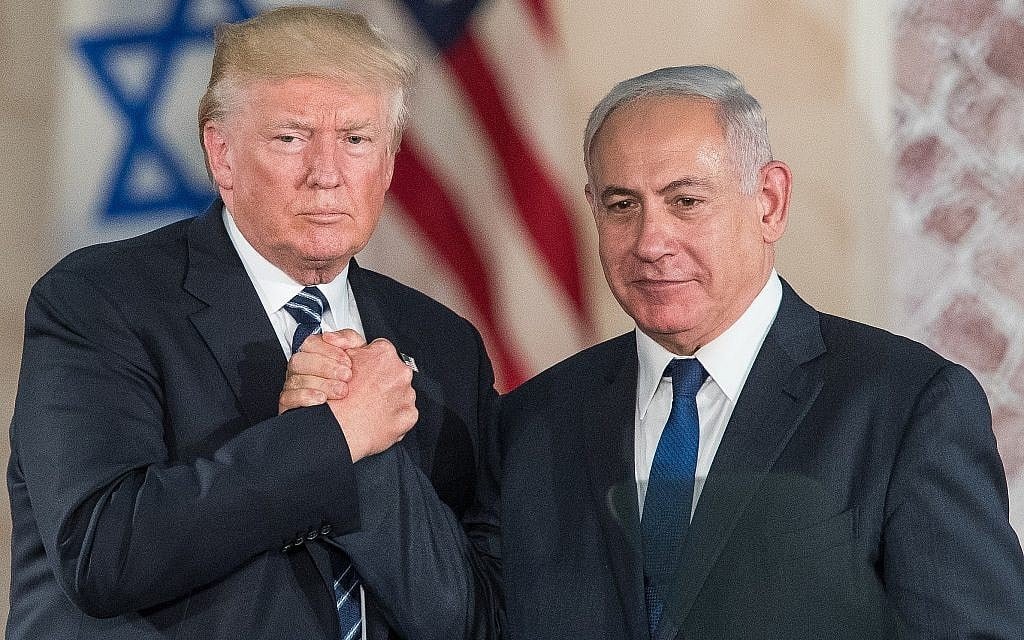
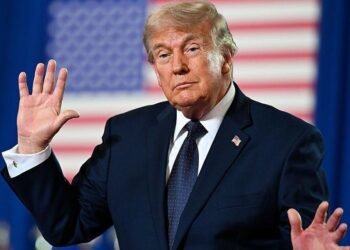
Growing strain is emerging within one of the most closely watched geopolitical relationships, as questions intensify over coordination between Israeli Prime Minister Benjamin Netanyahu and US President Donald Trump amid the ongoing regional conflict involving Israel and Iran.
Despite public assurances of unity, behind-the-scenes tensions are increasingly visible, with reports suggesting that Washington and Jerusalem are no longer maintaining the level of coordination they once did during joint military and diplomatic planning. Netanyahu has insisted that communication remains strong, stating in a recent video message that he speaks with Trump “almost daily” and that both sides maintain “full coordination.”
However, the political narrative has been complicated by persistent media reports in Israel and abroad suggesting that the US administration has reduced direct consultation with Israeli leadership, particularly in relation to ongoing negotiations involving regional ceasefire arrangements and diplomatic mediation efforts involving third-party actors.
The situation reflects a broader shift in the strategic dynamic that once defined the US-Israel relationship during major escalations in the Iran conflict. Analysts note that both leaders previously presented a united front during coordinated military action earlier in the year, which significantly escalated tensions across the Middle East and triggered wider global concern over energy security and regional stability.

According to regional observers, the partnership between Netanyahu and Trump was built on a shared political style marked by populist messaging, assertive foreign policy positions, and a willingness to challenge long-standing diplomatic norms. Their alignment was particularly evident during efforts to counter Iran’s regional influence and nuclear ambitions, which both leaders viewed as a central security threat.
However, the aftermath of recent military developments appears to have introduced friction. Reports indicate that US officials have engaged in separate negotiations with Iranian representatives and regional mediators without full Israeli participation. This has fueled speculation in Israeli political circles that Jerusalem’s influence over Washington’s strategic decision-making may be weakening.
Political analyst Dahlia Scheindlin, an American-Israeli commentator, noted that heightened public messaging about coordination may reflect underlying tensions rather than stability. She suggested that when leaders emphasize unity repeatedly, it can sometimes indicate internal disagreement or diplomatic strain.
The origins of the current geopolitical alignment trace back several years, when Netanyahu consistently advocated for a more aggressive US stance toward Iran’s nuclear programme. His efforts contributed to the US withdrawal from the 2015 nuclear agreement under Trump’s earlier administration, a move that reshaped regional diplomacy and escalated tensions with Tehran.
Subsequent developments saw increased confrontation between Israel, the US, and Iran, including covert operations, cyber activity, and limited military exchanges involving regional proxies. These dynamics ultimately culminated in a more direct escalation earlier this year, when joint US-Israeli operations targeted Iranian positions, marking one of the most significant confrontations in recent history between the two states and Tehran.
Despite initial claims that the operation achieved its strategic objectives, later assessments suggest that the outcome was more complex. Iranian forces demonstrated resilience, maintaining operational capacity and continuing regional influence through allied groups. This has led some analysts to question the long-term effectiveness of the strategy pursued by Washington and Jerusalem.
Within this context, reports emerged that US policymakers began reassessing the extent of their coordination with Israel, particularly as diplomatic channels opened with Iranian representatives through indirect mediation involving regional actors. These discussions reportedly excluded Israeli participation, prompting concern within Netanyahu’s government.
Former Israeli diplomat Alon Pinkas argued that Netanyahu played a central role in shaping Trump’s perception of Iran as a rapidly weakening state on the verge of internal collapse. According to Pinkas, Israeli intelligence briefings emphasized economic instability and political fragility within Iran, reinforcing the belief that decisive military action could produce swift results.
However, subsequent developments challenged those assumptions. Iran did not experience internal collapse, and instead maintained its governance structure while continuing to exert influence across multiple regional theatres. This outcome has contributed to growing debate over the strategic assumptions that underpinned the conflict.
Meanwhile, within the United States, Trump’s public messaging has appeared more inconsistent in recent months. At times, he has praised coordination with Israel, while at other moments he has publicly rebuked specific Israeli actions, including strikes that were not aligned with US preferences. In one instance, he reportedly warned Netanyahu against targeting certain Iranian energy infrastructure, highlighting moments of direct disagreement.
A particularly notable shift occurred when Washington independently engaged in ceasefire discussions without Israeli involvement. Following the announcement of a truce framework, Trump issued a rare public directive instructing Israel to halt certain military actions, stating in a social media post that further strikes were “prohibited.” The statement marked an unusual public constraint on Israeli military autonomy and underscored evolving tensions within the alliance.
Despite these developments, both governments have continued to publicly emphasize cooperation. Netanyahu has repeatedly insisted that strategic alignment remains intact, while US officials have avoided directly confirming any breakdown in coordination. However, diplomatic sources suggest that communication channels are now more selective and less comprehensive than during earlier phases of the conflict.
Former US ambassador to Israel Daniel Shapiro observed that Trump appears increasingly focused on broader geopolitical priorities, including upcoming diplomatic engagements with other major global powers. This shift in attention may be contributing to reduced emphasis on day-to-day coordination with Israel regarding regional military strategy.
At the same time, domestic political considerations are influencing both leaders. Netanyahu is facing increasing political pressure at home, with upcoming electoral challenges expected to test his long-standing leadership. In the United States, Trump is also navigating a complex political environment in which foreign policy decisions are closely scrutinized by both supporters and critics.
Former US national security adviser John Bolton noted that Netanyahu retains a unique ability to influence US domestic political discourse, particularly within American media and political networks. This dynamic, he argued, continues to bind the two leaders together even when strategic disagreements arise.

However, some analysts believe that the relationship has entered a more transactional phase, where cooperation is maintained but driven by necessity rather than shared strategic vision. Alon Pinkas described the current situation as one in which both leaders are “politically entangled,” with limited ability to fully distance themselves from the consequences of prior joint decisions.
He further suggested that the long-term political cost of the Iran conflict may affect both leaders domestically, particularly if public opinion turns against prolonged military engagement or perceived strategic miscalculations.
As regional tensions continue, the future of US-Israel coordination remains uncertain. While official statements continue to emphasize unity, the growing divergence in operational decisions and diplomatic engagement suggests a more complex reality beneath the surface.
For now, the alliance between Netanyahu and Trump remains intact publicly, but increasingly strained in practice. Whether this represents a temporary tactical divergence or a longer-term strategic shift remains a central question for policymakers across the Middle East and Washington.
What is clear, however, is that the once tightly aligned approach to Iran policy is now evolving into a more fragmented and cautious partnership—one shaped as much by political survival as by shared strategic goals.
Related News:
 Former ICC prosecutor condemns US sanctions
 Houthis Strike Saudi Arabia as Middle East Tensions Rise
 Trump Receives Machado’s Nobel Medal in White House Meeting
 Thousands Protest ICE Operations in Nationwide US Day of Action
 Epstein Files Reveal Trump Officials’ Emails with Financier
 Thousands Protest ICE in New York Against Trump Deportation Campaign
 UK Prepares Aircraft Carrier for Middle East Crisis
 Trump orders US troop pullout from Germany
 Trump likens US Navy actions to ‘pirates’
 Global order shifts amid Trump-era turmoil
 Indiana Republicans Defy Trump in Key Vote Test
 Middle East Crisis Escalates as Oil Routes Shake Markets
 Trump Claims Iran Peace Deal Near Completion
 Trump to Recheck Green Cards from 19 Nations After DC Attack
 Trump Escalates Minnesota Immigration Surge Amid Rising Tensions
 Greenland Faces Pivotal Summit Over Arctic Power Struggle
 Trump Threatens Strong Action If Iran Executes Protesters
 Machado Trump medal gesture reshapes Venezuela power struggle
 Iran unrest slows under brutal crackdown and global tensions
 EU Says US Ties Have Suffered ‘Big Blow’ After Greenland Crisis
 Trump Praises ‘Terrific’ Petro After White House Talks
 Clinton Testimony Erupts in Fiery Exchange
 Middle East Flights Halted After Iran Strikes
 Thousands Protest Iran Strikes Outside US Embassy London
 US Bombers Arrive at RAF Base Amid Rising Iran Tensions
 Ukraine war briefing: Zelenskyy offers help to Saudi Crown prince on combatting Iranian drones
 Mojtaba Khamenei Chosen as Iran’s New Supreme Leader
 Tehran Oil Depot Strikes Darken City With Toxic Smoke
 Pete Hegseth Iran War Remarks Spark Alarm
 Mojtaba Khamenei Supporters Rally as Iranians Fear Repression
 Iran Defiance Grows Amid US-Israel War Pressure
 Hormuz Crisis Sparks Global Oil Market Fears
 Iranian Exile Factions Seek US Backing for Iran’s Future
 Injured Mojtaba Khamenei Elevated as Iran Leader
 Yvette Cooper: UK Must Follow Principles, Not US Pressure
 Trump Iran War Stance Hardens as Conflict Widens
 Saudi Arabia Urging US to Keep Up Iran Attacks
 MAGA Anxiety and the Iran War: A Movement Divided at CPAC
 Netanyahu Vows Continued Lebanon Strikes Amid Peace Talks
 Iran Crisis Tests Trump’s Global Leadership
 Trump Signals Hope for New Iran Talks as Ceasefire Fades
 US and Iran Pursue Extension of Ceasefire via Pakistan
 Trump Faces Crisis as Iran Reopens Hormuz Tensions
 GOP Senator Criticizes Trump’s Feud With Pope Leo XIV
 Charles Faces Trump Test in High-Stakes US Visit
 UK Stands Firm on Falklands Amid US Rift
 Investigation Into Anti-Trump Motives After Gala Shooting
 US Calls Australia Media Law “Foreign Extortion”
 USS Gerald R Ford Ends Record Naval Deployment
 Oil Prices Surge Above $120 Amid Iran Blockade Fears
 US Court Ruling Reshapes Voting Rights Landscape
 US states redraw maps after voting rights ruling
 Judge halts deportation of Yemeni refugees in US
 Activists allege abuse after Gaza flotilla seizure
 Trump approval plunges amid Iran war fears
 Giuliani hospitalised in critical condition
 Ohio’s Battle for Trust: Democrats Vying to Flip the Buckeye State
 Trump Threatens UN Budget Cuts as US Pushes ‘Trade Over Aid’ Agenda
 Trump warns Iran as Middle East tensions surge again
 Australia pushes Pacific security pact amid China tension
 US ‘Narco Boat’ Strikes Draw Global Outcry
 Ohio Primaries Set Stage for Crucial Midterms
 Afghan Families Left in Limbo Face Risk of Deportation
 US Awaits Iran Reply on New Ceasefire Proposal
 Israeli Strikes in Lebanon Kill 10 Amid Ceasefire Strain
 Tulsi Gabbard exits after turbulent intelligence tenure
 Hormuz Talks Near Critical Stage
 Zelenskyy warns over Oreshnik threat as Kyiv hit
 Discontent grows around Putin amid war strain
 Gunman Killed After White House Security Shootout
 Trump Weighs Retreat from Controversial $1.8bn Slush Fund
 US Midterm Primaries: Democrats Target Key Republican Seats
 House Curbs Trump’s War Powers in Rare Rebellion
 Iran Prepares for Massive Six-Day Funeral for Khamenei
 Trump’s Mount Rushmore Speech: A Divisive Anniversary
 Iran Mourns: Millions at Khamenei’s Final Procession
 Mystery Grows Over Mitch McConnell’s Health
 Senate Halts Defense Bill Over Iran Clashes
 House Democrats Divided Over Israel Military Funding Bid
 Is America Ready for an AOC Presidential Run?