Published: 13 May 2026. The English Chronicle Desk. The English Chronicle Online.
The silent courtroom felt heavy with a thick sense of mounting public dread. Dozens of focused journalists watched as the elite judicial bench took their seats. An urgent press conference followed a documentary that shook the nation to its core. This film alleged that Romania’s highest courts are now riddled with deep corruption. Liana Arsenie sat at the center of the Bucharest Court of Appeal bench. Two vice-presidents flanked her while thirty judges stood behind in a silent row. Then Judge Raluca Moroșanu entered the room and asked for the right to speak. We are simply terrorized by the current state of affairs, she told the room. Her voice remained steady as she described the atmosphere as being incredibly toxic.
Moroșanu walked out of the court in her robes to a sudden applause. Her fellow judges remained perfectly still with stony expressions on their tired faces. She spoke out to support a colleague targeted after the recent investigative film. This documentary by Recorder alleged that senior politicians have captured the entire system. Everything he said is true and contradictions are nothing but bold faced lies. Last month her colleague faced disciplinary proceedings for his brave and honest statements. The film used rare testimonies to show how the network delayed major cases. They used administrative maneuvers to ensure convictions reached the legal statute of limitations. This allowed powerful figures to escape justice despite mountains of very clear evidence.
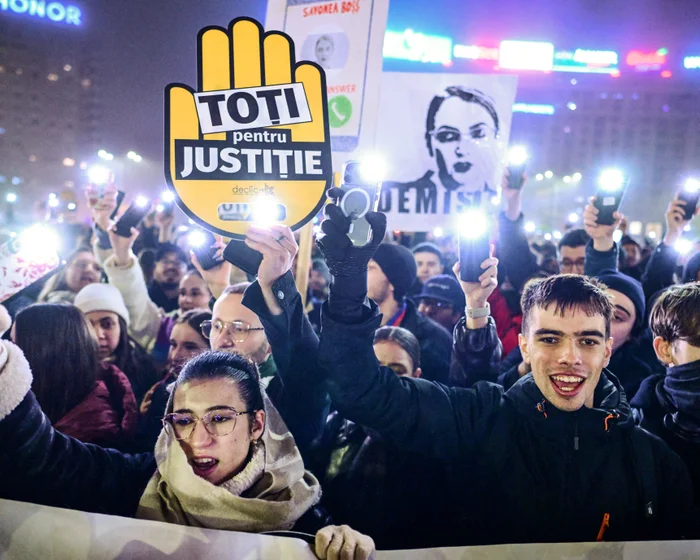
The fallout from these revelations was immediate and shook the entire Romanian society. Thousands of angry citizens took to the streets to demand a fair system. Nearly nine hundred judges signed an open letter warning of profound systemic dysfunctions. Meaningful reform has yet to materialize even after six months of public outcry. Allegations continue to mount against those sitting at the top of the system. Investigative outlets recently alleged that Lia Savonea had acquitted a convicted violent gangster. This occurred while she allegedly co-owned land with the uncle of the criminal. She has denied these claims and called them part of a defamation campaign. She stated the allegations were based on forced associations and very wild speculation.
The President of Romania recently deepened public disillusionment with a few controversial choices. He approved several prosecutor appointments despite loud objections from the main judicial regulator. Among those named was Marius Voineag who formerly led the anti-corruption directorate. The President had previously criticized Voineag during his many fiery political campaign trails. Prosecutors in the documentary accused him of intervening in several sensitive criminal investigations. Voineag denied all wrongdoing and declined to comment on these very serious allegations. This crisis is unfolding against a backdrop of extreme and volatile political unrest. The constitutional court recently annulled a presidential election citing alleged Russian foreign interference.
This decision deepened the public mistrust in the primary institutions of the country. A recent survey found that seven in ten Romanians distrust the justice system. More than half believe the law is no longer applied with any equality. For Moroșanu these grim statistics are not surprising given her daily professional experiences. She stated this is the worst moment in her long twenty-six-year career. She believes the majority of magistrates are actually fair and very hardworking people. The problem is not generalized corruption but deep rot at the very top. She has spent nineteen years working at the important Bucharest Court of Appeal. This court handles the final decisions for many high-level and complex corruption cases.
Major trials involving wealthy businessmen have collapsed after reaching the statute of limitations. These failures happen despite extensive evidence like wiretaps of suspects admitting their crimes. Groups within high-level courts have taken over administrative power to protect their interests. This is the view of Laura Ștefan who is a leading anti-corruption expert. She believes these groups use their management power to block any real accountability. Cases are repeatedly reassigned to new judging panels just before a final ruling. This forces the entire proceeding to restart so evidence must be heard again. The process continues until the case becomes time-barred and the suspect goes free.
The Superior Council of Magistrates is supposed to be the guardian of independence. However many observers now accuse members of the council of being totally complicit. Retired judge Andrea Chiș asked who is supposed to protect us from them. The council rejected these allegations in a formal statement released to the media. They claimed the judiciary is under an unprecedented assault from outside malicious forces. An internal inspection allegedly confirmed that none of the documentary claims were true. Chiș argued that previous reforms concentrated too much power in a few hands. This created a pyramidal structure that effectively weakened all forms of external oversight.
The European Union recently lifted its rule-of-law monitoring mechanism for the nation. Chiș believes this was a major mistake that removed pressure from those power. Successive reforms have left no effective mechanism to prosecute any corrupt senior magistrates. Accountability efforts have yielded almost no convictions over the past several years. Experts describe a tacit agreement between politicians and these very senior judicial figures. This agreement blocks accountability for judicial corruption while granting politicians a total impunity. Savonea has been accused of being a prominent part of this power structure. She insists the accusations rely on speculative interpretations of the current legal architecture.
Savonea stated the system was built in accordance with the most rigorous standards. She emphasized that no interference in the administration of justice has been found. Liana Arsenie has also rejected the allegations and accused the journalists of instigation. She claimed the documentary was an attempt to undermine the existing constitutional order. This is one of the most serious offenses within the Romanian criminal code. Arsenie declined an interview request to discuss these matters in any further detail. The anger felt by the public has spilled over into the streets. Protesters believe the trust in the state is eroding beyond any possible repair.
A democracy without justice is a story that always has a tragic ending. This sentiment is shared by many who feel like mice in experiments. They get used to the shock of each new scandal before moving on. Moroșanu has been recused from two cases since she decided to speak out. Fellow judges argued her public criticism showed a distinct lack of professional empathy. She does not regret her decision to speak the truth to the public. There is still a small chance that things might change this year soon. If nothing changes now then things will likely never change for the better. The future of the nation hangs in the balance of this judicial struggle.
Related News:
 Spain Shuts Airspace to US Military Over Iran Conflict
 Italy Faces Third Successive World Cup Absence After Loss
 Spain Faces Backlash Over Xenophobic Chants in Egypt Draw
 Ukraine strikes Tuapse as oil disaster worsens
 Global order shifts amid Trump-era turmoil
 Putin Declares Russia Victory at Scaled Victory Day Parade
 Greece Probes Mystery Explosive Drone in Ionian Waters
 Capitol Attack Anniversary Sparks Deep Political Divide
 Saudi Officials Report Zubaidi Flee Before Yemen Peace Talks
 UK Targets in New York Bomb Threat Hoax: Man Jailed
 Gambia Supreme Court Hears Case to Overturn FGM Ban
 Trump targets Iran trade with 25% tariff warning
 US Senate rejects resolution limiting Trump military powers
 Gulf states warn Trump Iran strikes risk wider Middle East war
 Machado Trump medal gesture reshapes Venezuela power struggle
 Geopolitical football: Iran, Trump and the World Cup clash
 Canada-China trade gains momentum in new strategic partnership
 EU weighs response amid Greenland tariff crisis with Trump
 Syria President Declares Victory as Ceasefire Reached with SDF
 Shinzo Abe’s killer receives life sentence in Japan
 EU Says US Ties Have Suffered ‘Big Blow’ After Greenland Crisis
 China General Under Investigation Amid Leadership Purge
 Philippines ferry disaster leaves 15 dead, dozens missing
 Cambridge Faces Scrutiny Over Arms Investment Transparency
 Thousands Left Without Heating in Ukraine Amid Russia Strikes
 Epstein UAE Emails Shake British Royal Andrew’s Legacy
 Portugal Election Delivers Socialist Win as Far Right Surges
 Christchurch gunman seeks to vacate guilty plea
 Concerns rise for Canberra boy amid Iran detention fears
 Champions League Thrills as Atalanta and Galatasaray Advance
 Ukraine Sends Drone Experts to Defend US Bases in Jordan
 Abramovich Chelsea Sale Cash Faces Jersey Probe
 Yvette Cooper: UK Must Follow Principles, Not US Pressure
 Slovenia Election: A Nation at a Crossroads
 Jury Rules Meta and YouTube Liable for Addictive Design
 Saudi Arabia Urging US to Keep Up Iran Attacks
 The Woman Guarding Earth From the Threat of Asteroids
 Germany Grapples With AI Abuse Following TV Star Scandal
 Exiled Tycoon Warns of New Russian Attacks on UK Soil
 LA 2028: Millions of Affordable Olympic Tickets Announced
 Trump Slams Europe as Transatlantic Tensions Boil Over
 Inside the Deceptive Machine: A Former Producer Speaks Out
 A Global Voice For Justice: Stephen Lewis Dies At Age 88
 Hope and Fear as Iranians Flee Across the Turkish Border
 Reform UK Pledges To Halt Visas Over Reparations Demands
 US and Iran Agree to Two-Week Provisional Ceasefire
 Starmer visits Gulf as US and Iran agree ceasefire
 Gaza Child Arrives in UK for Life-Changing Care
 Pakistan Brokers Historic Peace Deal Amid Rising Tensions
 UK Holds Firm on Strait of Hormuz Amid Trump Pressure
 Trump Signals Hope for New Iran Talks as Ceasefire Fades
 Reeves Slams Trump Over Iran War Lack Of Exit Plan
 US and Iran Pursue Extension of Ceasefire via Pakistan
 Trump’s Islamabad Gamble: The High Stakes of a New Iran Deal
 Ian Katz to Step Down as Channel 4 Content Chief
 The General’s Gambit: Pakistan’s New Role in Global Peace
 Mexico, Spain and Brazil call for Cuba dialogue amid crisis
 Rat Poison Found in Baby Food Sparks Major Recall Row
 Pakistan’s Ambitious Bid for Middle East Peace
 Israeli Soldiers Jailed Over Vandalism of Lebanese Statue
 Trump Weighs Sending Afghan Allies to the Congo
 Pentagon Shakes Up Navy Leadership Amid Hormuz Blockade
 Trump Threatens UK With Big Tariff Over Tech Tax
 Prominent Voices Challenge Palestine Action Ban
 Security Scrutiny After Washington Shooting Incident
 Merz Criticises US Approach in Iran Conflict
 UK Envoy Sparks Controversy Over Special Relationship Claims
 Ukraine Urges UK to Seize Russian Oil Tankers
 US Calls Australia Media Law “Foreign Extortion”
 The Billionaire’s Secretary and the £1m Fraud
 Alex Zanardi dies at 59, a symbol of resilience
 Brewing Tension: Taiwan Baristas Rebrand for World Stage
 Arteta urges Arsenal to step up in Atlético semi-final
 Tensions Emerge in Netanyahu-Trump Alliance
 Mission to the World’s Edge: A Heroic Rescue in Tristan
 US and Mexico Face Heatwave as Floods Batter South Africa
 Mexico’s Missing: State Complicity in a Growing Crisis
 French Patient Told Hantavirus Was Just Anxiety
 The Long Way Home: Australia’s High-Stakes Virus Mission
 Putin Signals War End as Russian Momentum Stalls