Published: 13 May 2026. The English Chronicle Desk. The English Chronicle Online.
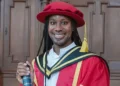
The literary world witnessed a historic moment on Wednesday night in Brisbane as Lee Lai claimed the prestigious Stella Prize. This victory marks a significant turning point for the sixty thousand dollar award which celebrates women and non-binary writers. Lee Lai has become the first non-binary author to secure the top honour since the prize opened eligibility. Her winning work titled Cannon also represents the first graphic novel to ever achieve this remarkable literary distinction. The judges described the book as a bruising and masterful examination of the heavy lifelong burdens people carry. It follows a queer Chinese woman named Lucy who navigates the complexities of her uncool side of twenties. Lucy adopts the nickname Cannon which reflects the quiet stoicism she maintains while managing immense personal pressures. During the daylight hours she provides constant care for her elderly grandfather who was once quite formidable. Her mother remains emotionally distant leaving Cannon to shoulder the weight of family duties entirely on her own. By night she transitions into the high pressure environment of a professional fine dining kitchen atmosphere. There she works tirelessly to transform chaotic kitchen energy into perfectly ordered plates for demanding restaurant patrons. Her best friend Trish adds another layer of complexity to this already strained and difficult existence. Trish frequently uses Cannon as a sounding board for her own various personal problems and deep anxieties. Unbeknownst to Cannon her friend is also secretly mining her life for a new writing career.
The author spoke with journalists before the official ceremony and admitted that keeping the win secret was hard. She joked that her many wonderful and nosy friends made the period of silence a true challenge. Lai was born in Melbourne but she currently creates her acclaimed work from a home base in Montreal. This is not her first brush with critical acclaim as she previously received a nomination in twenty twenty three. Her debut work Stone Fruit earned several prestigious awards including the Lambda Literary Award for LGBTQ comics creations. Winning the Stella Prize as a graphic novelist feels particularly cool and significant to the talented young artist. She expressed a sincere hope that this win brings more mainstream attention to the wider comics community. Lai believes that this recognition might encourage traditional prose readers to explore the unique depth of graphic narratives. When asked about the impact of the prize money she noted that money ultimately represents precious creative time. Most artists do not have much spare time so this fund will allow her to work longer. She noted that the graphic novelist community often jokes about passing the same twenty dollar bill around constantly. In her world a sum of sixty thousand dollars is an incredibly significant and life changing amount of money.
The panel of Stella judges offered glowing praise for the emotional resonance found within the pages of Cannon. They noted that the book explores the profound toll taken on those who are always the responsible ones. The narrative highlights what happens when a person is repeatedly taken advantage of by those they love most. Despite the heavy themes the judges also found the work to be surprisingly and delightfully funny at times. They remarked that the elegant artistry evokes a wide range of feelings from horror to genuine poetic delight. The committee stated that Cannon serves as an incontestable reminder of what masterful graphic storytelling can truly achieve. They argued that the medium can often communicate complex human truths that prose alone simply cannot fully capture. Lai began the arduous process of writing this award winning story back in the year twenty nineteen. She worked on the project intermittently while taking various illustration gigs just to pay her monthly living bills. The story underwent significant changes as the global landscape shifted during the difficult years of the recent pandemic. Initially she wanted to focus on the objective of slowly grinding down a long term female friendship. However the isolation of the pandemic made her realise that real world friendships were already feeling quite fragile. She decided to pivot toward a more optimistic outcome for her characters Cannon and Trish than originally planned.
The finished graphic novel is a sophisticated study of communication failures and the art of showing over telling. Lai uses the physical positioning of speech bubbles to indicate when a character is being pensive or ignored. A quick glance at the page layout reveals if a character is being interrupted or feeling deeply frustrated. The aesthetic is mostly monochrome but features impactful pops of colour that draw the eye to specific moments. Most pages follow a strict four grid structure which provides a sense of rhythm to the reading experience. Lai admits that she actually enjoys working within such a restrictive and disciplined visual framework for her stories. She believes that creating an expectation in the reader allows for more impact when those rules are broken. This technique gives her control over the pacing so she can tell the reader when to speed up. She describes the process as manipulating the reader to get lost before suddenly screeching the brakes on them. The character of Cannon is described as a stoic individual who is an extreme exaggeration of Lai. Her friend Trish embodies the author’s own anxieties regarding the current state of neoliberal diversity discourse today. Trish frets about whether she is a cliche for writing a gay immigrant novel for white funding boards. This inner conflict highlights the ethical dilemmas of using a friend’s life story for personal artistic gain.
Lai wants her readers to feel just as uncomfortable as she does when facing these difficult ethical questions. She cites several legendary graphic novelists as major influences who helped validate the medium as a legitimate literary form. These inspirations include Marjane Satrapi of Persepolis fame and the acclaimed creator of the moving memoir titled Blankets. She also looks up to Daniel Clowes and Chris Ware for their contributions to the world of modern comics. Like many people her early understanding of the medium was limited to superheroes and the classic Peanuts comic strip. Reading sophisticated works like Skim showed her that something else was entirely possible within the realm of panels. There is often a debate regarding the use of the term graphic novel versus the simpler word comic. Some critics dismiss the phrase as a pretentious marketing term used to make comics more palatable to adults. Lai laughs at this distinction and admits she likes the inherent irrelevance that comes with the word comic. She finds something slightly snooty about the term graphic novel and tries to stay away from that elitism. The author embraces the heritage of her craft and insists that everyone should accept Peanuts as their foundation. Her victory serves as a beacon for other non-binary creators seeking recognition in the competitive global literary landscape. As the news of her win spreads the English Chronicle celebrates this bold step forward for contemporary storytelling. Readers are encouraged to seek out Cannon to experience the unique power of Lee Lai’s visionary artistic voice. This award cements her place as a leading figure in a new generation of boundary breaking international writers.
Related News:
 The Burning Lens: An Iranian Artist’s Visual Resistance
 Capitol Attack Anniversary Sparks Deep Political Divide
 Saudi Officials Report Zubaidi Flee Before Yemen Peace Talks
 UK Targets in New York Bomb Threat Hoax: Man Jailed
 Gambia Supreme Court Hears Case to Overturn FGM Ban
 Trump targets Iran trade with 25% tariff warning
 US Senate rejects resolution limiting Trump military powers
 Gulf states warn Trump Iran strikes risk wider Middle East war
 Machado Trump medal gesture reshapes Venezuela power struggle
 Greenland defence seen as shared Nato duty amid troop arrivals
 Geopolitical football: Iran, Trump and the World Cup clash
 Canada-China trade gains momentum in new strategic partnership
 Syria President Declares Victory as Ceasefire Reached with SDF
 Shinzo Abe’s killer receives life sentence in Japan
 China General Under Investigation Amid Leadership Purge
 Philippines ferry disaster leaves 15 dead, dozens missing
 Cambridge Faces Scrutiny Over Arms Investment Transparency
 Epstein UAE Emails Shake British Royal Andrew’s Legacy
 Christchurch gunman seeks to vacate guilty plea
 Infantino Faces Russia Threat and Trump Concerns at Uefa Congress
 Concerns rise for Canberra boy amid Iran detention fears
 Ukraine Sends Drone Experts to Defend US Bases in Jordan
 Abramovich Chelsea Sale Cash Faces Jersey Probe
 Yvette Cooper: UK Must Follow Principles, Not US Pressure
 Slovenia Election: A Nation at a Crossroads
 Jury Rules Meta and YouTube Liable for Addictive Design
 Saudi Arabia Urging US to Keep Up Iran Attacks
 The Woman Guarding Earth From the Threat of Asteroids
 IMF Predicts Global Economic Crisis Due to Gulf Unrest
 Germany Grapples With AI Abuse Following TV Star Scandal
 Exiled Tycoon Warns of New Russian Attacks on UK Soil
 LA 2028: Millions of Affordable Olympic Tickets Announced
 Trump Slams Europe as Transatlantic Tensions Boil Over
 Inside the Deceptive Machine: A Former Producer Speaks Out
 Italy Faces Third Successive World Cup Absence After Loss
 Spain Faces Backlash Over Xenophobic Chants in Egypt Draw
 A Global Voice For Justice: Stephen Lewis Dies At Age 88
 Hope and Fear as Iranians Flee Across the Turkish Border
 Reform UK Pledges To Halt Visas Over Reparations Demands
 US and Iran Agree to Two-Week Provisional Ceasefire
 Starmer visits Gulf as US and Iran agree ceasefire
 Gaza Child Arrives in UK for Life-Changing Care
 Israel Defies Ceasefire as Lebanon Operations Persist
 Pakistan Brokers Historic Peace Deal Amid Rising Tensions
 UK Holds Firm on Strait of Hormuz Amid Trump Pressure
 Trump Signals Hope for New Iran Talks as Ceasefire Fades
 Reeves Slams Trump Over Iran War Lack Of Exit Plan
 US and Iran Pursue Extension of Ceasefire via Pakistan
 Trump’s Islamabad Gamble: The High Stakes of a New Iran Deal
 Ian Katz to Step Down as Channel 4 Content Chief
 The General’s Gambit: Pakistan’s New Role in Global Peace
 Mexico, Spain and Brazil call for Cuba dialogue amid crisis
 Pakistan’s Ambitious Bid for Middle East Peace
 Trump Starts $166bn Tariff Refund Process
 Israeli Soldiers Jailed Over Vandalism of Lebanese Statue
 Trump Weighs Sending Afghan Allies to the Congo
 Timor-Leste Faces Tough Questions Over Resort Proposal
 Pentagon Shakes Up Navy Leadership Amid Hormuz Blockade
 Trump Threatens UK With Big Tariff Over Tech Tax
 Prominent Voices Challenge Palestine Action Ban
 Security Scrutiny After Washington Shooting Incident
 Merz Criticises US Approach in Iran Conflict
 UK Envoy Sparks Controversy Over Special Relationship Claims
 Ukraine Urges UK to Seize Russian Oil Tankers
 US Calls Australia Media Law “Foreign Extortion”
 The Billionaire’s Secretary and the £1m Fraud
 Questions Remain Over The Tragic Bondi Massacre
 Ukraine strikes Tuapse as oil disaster worsens
 Brewing Tension: Taiwan Baristas Rebrand for World Stage
 Security Failures and the Road to the Bondi Inquiry
 Tensions Emerge in Netanyahu-Trump Alliance
 Mission to the World’s Edge: A Heroic Rescue in Tristan
 US Passengers Repatriated Following Cruise Virus Outbreak
 US and Mexico Face Heatwave as Floods Batter South Africa
 Mexico’s Missing: State Complicity in a Growing Crisis
 US Cities See 42% Drop in Canadian Visits Under Trump 2.0
 French Patient Told Hantavirus Was Just Anxiety
 The Long Way Home: Australia’s High-Stakes Virus Mission
 Putin Signals War End as Russian Momentum Stalls
 Romania’s Judicial Crisis: A System Under Siege