Published: 14 May 2026. The English Chronicle Desk. The English Chronicle Online.
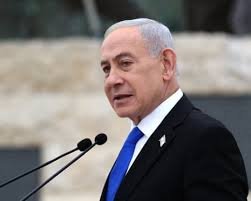
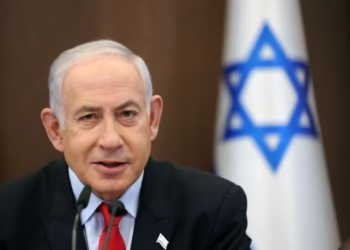
The political landscape in Israel is shifting once again as the government nears collapse today. Prime Minister Benjamin Netanyahu has now moved to dissolve the Knesset following intense internal pressure. This strategic decision comes after months of growing friction within his rightwing governing coalition group. Ultra-Orthodox parties have expressed deep anger over broken promises regarding national military service exemptions. These religious factions remain a vital pillar for the survival of the current ruling administration. Netanyahu now faces a significant challenge from both his allies and his political rivals. The proposed bill would trigger a national election within ninety days of its final passage. Members of the Likud party initiated this move to regain control over the voting timeline. Many observers believe this action aims to pre-empt a similar motion from the opposition.
The draft legislation states that the twenty-fifth Knesset will end before its full term expires. Leaders from all six parliamentary groups in the coalition have signed this significant document. This unity suggests that the dissolution of the current parliament is now a certain outcome. Reports from Israeli media indicate the first vote could happen as early as next week. If successful, the citizens of Israel will likely head to polls in late August. This date is nearly two months earlier than the original schedule for the winter. The primary cause of this sudden fracture is the issue of mandatory military conscription. Ultra-Orthodox leaders claim the Prime Minister failed to protect their young religious scholars. They demand a permanent law to exempt yeshiva students from serving in the armed forces. Netanyahu has long balanced the needs of secular and deeply religious sectors of society. However, the ongoing security situation has made these traditional exemptions much harder to maintain. The Israeli public increasingly demands a more equitable distribution of the national service burden. This tension has placed the veteran leader in an incredibly difficult and precarious position. Seeing this vulnerability, the centrist opposition parties have moved quickly to challenge his authority. Yair Lapid and Naftali Bennett have recently united their forces under a new alliance. This political partnership, known as Beyahad, aims to present a strong alternative to Likud. Lapid took to social media to declare his readiness for this upcoming electoral battle. The alliance represents a formidable threat to the long-standing dominance of the current leader.
The upcoming campaign will likely focus on the leadership during the recent regional wars. Critics have frequently attacked the government for its handling of the October seventh security failures. Lapid has been particularly vocal about recent ceasefire agreements involving the administration and Iran. He described the current diplomatic path as a disaster for the safety of Israel. Despite these heavy criticisms, Benjamin Netanyahu remains a very resilient figure in modern politics. At seventy-six years old, he continues to show a remarkable drive for public office. He recently recovered from surgery for prostate cancer and confirmed his intent to run. This determination comes even as he faces an ongoing and complex trial for corruption. His supporters still view him as the only leader capable of navigating regional threats.
Netanyahu has served as the Prime Minister for more than eighteen years in total. He is the longest-serving leader in the history of the modern state of Israel. Recent polling data shows that his Likud party still maintains a very slight lead. However, the narrow margin suggests a deeply divided and fragmented national electorate today. Neither the rightwing bloc nor the centrist alliance seems able to form a majority. Likud is projected to win twenty-six seats, which is lower than their previous total. The Beyahad alliance follows closely behind with twenty-five seats in the latest public polls. A third group led by Gadi Eisenkot could hold the balance of power. Eisenkot is a former military chief who carries significant weight with many secular voters. He may eventually decide to join forces with the alliance of Lapid and Bennett.
The memory of the Hamas attack remains a central theme for many Israeli voters. Many citizens still hold the Prime Minister responsible for the initial lack of preparedness. Netanyahu has repeatedly promised a total victory over all enemies of the Jewish state. Yet, after more than two years of fighting, these goals remain largely unfulfilled. The conflict across multiple fronts has placed a massive strain on the national economy. Families are feeling the impact of long deployments and the rising costs of living. The opposition plans to make a national inquiry a central part of their platform. They want to officially assign responsibility for the tragic events of October seventh. This move is designed to highlight the perceived failures of the current ruling cabinet.
The issue of the ultra-Orthodox draft will also dominate the coming summer debates. Lapid and Bennett intend to push for legislation that mandates service for all. This proposal strikes at the heart of the social contract within the country today. For decades, the religious community has enjoyed a status separate from the secular majority. Changing this dynamic would represent one of the largest shifts in domestic policy history. Netanyahu must find a way to appease his religious allies while keeping secular voters. This balancing act has become his signature style over many decades of political life. Whether he can perform this feat once more remains a subject of debate. His opponents believe the public is finally ready for a fundamental change in leadership.
The international community is watching these developments with a high level of intense interest. A change in government could shift the diplomatic approach toward Gaza and southern Lebanon. Allies like the United Kingdom and the United States desire stability in the region. The potential for a new administration brings both hope and uncertainty to the table. Some believe a centrist government would be more open to regional peace initiatives. Others fear that an election during a period of war could weaken the country. Netanyahu argues that his experience is vital for the survival of the nation. He often portrays himself as a protector against the many threats from abroad. His campaign will likely lean heavily on his record of national security leadership.
As the twenty-fifth Knesset nears its end, the atmosphere in Jerusalem is electric. Political strategists are already working on slogans to capture the hearts of the voters. The upcoming weeks will see intense negotiations between the various smaller political factions. Each group is trying to secure the best possible position before the polls open. The August election will be a defining moment for the future of the region. It will determine if the era of Netanyahu will continue or finally close. Many young Israelis are eager to see a new direction for their country. At the same time, traditionalists remain loyal to the man they call King Bibi. The divide between these two worlds has never been more visible than now.
The English Chronicle will continue to provide updates as this fast-moving story develops. Our team is dedicated to bringing you the most accurate and balanced political news. We understand the importance of these events for our readers in the United Kingdom. The relationship between our two nations remains a priority for any sitting government. Stay tuned for more detailed analysis of the candidates and their various platforms. We will examine how this election might impact global energy markets and security. The road to the August vote will certainly be filled with many surprises. Thank you for choosing us as your trusted source for international news today.
Related News:
 Saudi Arabia Urging US to Keep Up Iran Attacks
 Netanyahu Vows Continued Lebanon Strikes Amid Peace Talks
 US and Iran Pursue Extension of Ceasefire via Pakistan
 Global order shifts amid Trump-era turmoil
 Middle East Crisis Escalates as Oil Routes Shake Markets
 Tensions Emerge in Netanyahu-Trump Alliance
 Israeli Strikes in Lebanon Kill 10 Amid Ceasefire Strain
 Hunger increasingly weaponised in global conflicts
 Former ICC prosecutor condemns US sanctions
 Iran To Propose New Shipping Fees In Strait Of Hormuz
 Grief and Devotion Amidst the Rubble of Nabatieh
 High Drama in Tehran Over Secret Nuclear Letters
 Houthis Strike Saudi Arabia as Middle East Tensions Rise
 US Citizens Warned to Venezuela Flee Amid Paramilitary Threats
 Gulf states warn Trump Iran strikes risk wider Middle East war
 Iran unrest slows under brutal crackdown and global tensions
 Thousands Protest ICE Operations in Nationwide US Day of Action
 Epstein Files Reveal Trump Officials’ Emails with Financier
 Thousands Protest ICE in New York Against Trump Deportation Campaign
 Sydney Protest Pepper Spray Clash During Herzog Visit
 Iran-Iraq Border Strikes Spark New Front Fears
 Ukraine war briefing: Zelenskyy offers help to Saudi Crown prince on combatting Iranian drones
 Mojtaba Khamenei Chosen as Iran’s New Supreme Leader
 Seventh US Service Member Killed in Iran Conflict Identified
 Mojtaba Khamenei Supporters Rally as Iranians Fear Repression
 Tehran Strikes Mark War’s Most Devastating Night
 Iran Defiance Grows Amid US-Israel War Pressure
 Injured Mojtaba Khamenei Elevated as Iran Leader
 US Missile Strike on Iran School Sparks Global Shock
 Iran Gulf attacks escalate as ships and airports targeted
 Ancient Heritage Sites Damaged in Recent Airstrikes
 Gaza Detainee Abuse: Israel Drops Charges Against Soldiers
 Lebanon Ground Campaign Raises Occupation Fears
 Gulf Tensions Rise as Iran Alleges Covert Support
 Iranian President’s Son Shares Wartime Hopes and Fears
 Diplomacy on the Brink: Pakistan’s Risky Peace Mission
 Iran Drone Strike Hits Kuwaiti Oil Tanker in Dubai Port
 Trump Slams Europe as Transatlantic Tensions Boil Over
 Trump’s Six-Week Iranian War: The High Cost of Ignorance
 The Price of Hubris: Trump, Netanyahu, and the ‘Easy’ War
 Trump and Tehran Find Common Ground in Landmark Ceasefire
 Israel Defies Ceasefire as Lebanon Operations Persist
 Pakistan Brokers Historic Peace Deal Amid Rising Tensions
 Middle East Analysis: The Cost of a Fragile Peace
 Islamabad Hosts Historic Peace Talks Between Iran and USA
 Reeves Slams Trump Over Iran War Lack Of Exit Plan
 Ukraine Urges UK to Seize Russian Oil Tankers
 Oil Prices Surge Above $120 Amid Iran Blockade Fears
 Trump orders US troop pullout from Germany
 Activists allege abuse after Gaza flotilla seizure
 Japan Protests Erupt Over Plans to Revise Constitution
 FIFA Confirms Global Ban for Benfica Star Prestianni
 Saudi Arabia Blocks Trump’s Naval Plan for Hormuz Strait
 New South Wales Wetland Rescue Legislation Passes
 Trump Rejects Tehran Peace Plan as Regional Truce Crumbles
 US and Mexico Face Heatwave as Floods Batter South Africa
 The Long Way Home: Australia’s High-Stakes Virus Mission
 Trump Warns Iran Ceasefire Is Now on Life Support
 Putin Signals War End as Russian Momentum Stalls
 Fear and Betrayal: The Chilling Case of Kouri Richins
 Scepticism and tight security as Beijing braces for Trump
 Philippine Senator Flees After Days Under Senate Siege
 Plea for Mercy: The Battle to Bring Ahmed al-Doush Home
 Tensions Flare as Israeli Nationalists March in Jerusalem
 Tragedy in the Maldives: Inside the Deep Sea Rescue
 US Ebola Case Sparks Urgent Global Screening Measures
 Fragile Truce Shattered as Violence Escapes Diplomatic Control
 Discontent grows around Putin amid war strain
 US Strikes Iranian Sites Amid Shaky Ceasefire Talks
 Israel Intensifies Lebanon Strikes to Crush Hezbollah
 Trump’s Iran Deal Plan Sparks Intense Alarm Across Israel
 US and Iran Trade Fresh Strikes, Threatening Ceasefire
 Trump and Netanyahu Clash Over Crucial US and Iran Peace Deal
 Aukus Deal Facing Fierce Backing and Historic Criticism
 Thai Princess Bajrakitiyabha Passes Away at 47
 US and Iran Agree Historic Framework to End 15-Week War
 Iran Prepares for Massive Six-Day Funeral for Khamenei
 Iran Mourns: Millions at Khamenei’s Final Procession
 Israeli Officer Investigated for Car Grenade Attack
 Yemen Accuses Iran of Violating National Sovereignty