Published: 24 May 2026. The English Chronicle Desk. The English Chronicle Online.
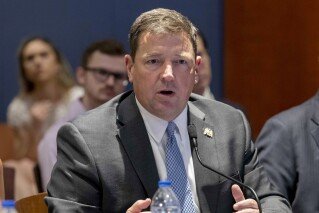
Andrew Weissmann, a prominent former federal prosecutor and a central figure in the investigation into Russian interference in the 2016 US election, has issued a stark call for systemic legal reform to protect the integrity of American democracy. In his new book, Liar’s Kingdom: How to Stop Trump’s Deceit and Save America, Weissmann argues that the current political climate, characterized by rampant disinformation, necessitates a creative and structural legislative response. He proposes the introduction of a “Truth in Elections Act,” designed to hold political figures legally accountable when their deliberate lies threaten to undermine the democratic process itself.
Drawing on his extensive experience as a federal prosecutor and former FBI general counsel, Weissmann suggests that the United States must look beyond traditional norms, which he believes proved insufficient during the Biden administration. He posits that political speech, when weaponized to defraud the public or incite violence regarding election outcomes, should no longer be shielded by an overly broad interpretation of First Amendment protections. Instead, he draws a parallel to the Stolen Valor Act of 2005, which successfully criminalizes lying about military honors for personal gain, arguing that a similar legal framework could be constructed to police election-related fraud without infringing upon legitimate free speech.
Weissmann’s proposal is fueled by his observation of global precedents where elections are shielded from malicious falsehoods. He points to Brazil, where former president Jair Bolsonaro faced legal consequences for election-related lies, and the United Kingdom, where political candidates have faced disqualification for spreading extremist disinformation. Despite the common argument that strict policing of speech creates a “chilling effect,” Weissmann remains skeptical of the notion that the only cure for false speech is more speech. He suggests that, much like the rigorous standards applied in media organizations or the precision required in defamation litigation, the introduction of accountability standards in politics could improve the overall quality of public discourse.
The former prosecutor, who has been a frequent target of Donald Trump’s rhetoric and executive actions, speaks from a position of personal experience regarding the dangers of institutional submissiveness. He details how being named on administration “enemies lists” and facing targeted executive orders caused law firms and publishers to withdraw their support, effectively fostering a culture of fear reminiscent of the McCarthy era. Weissmann describes the “submissiveness” of institutions that choose silence or compliance over good-faith legal challenges to avoid retribution, warning that such cowardice represents a profound threat to academic freedom, scientific integrity, and the rule of law.
Despite the pervasive atmosphere of intimidation, Weissmann maintains an unwavering faith in the American district court system. As an institutionalist who has spent his career in courtrooms, he argues that these venues remain the few places where due process is preserved and where facts maintain their primacy over partisan narratives. He highlights how the Trump administration’s attempt to challenge the 2020 election results failed precisely because, in a court of law, baseless claims could not withstand the rigors of evidence and truth. For Weissmann, the judiciary serves as the ultimate firewall against the degradation of democratic institutions.

While acknowledging that his proposal for legislative reform faces significant hurdles and potential flaws, Weissmann insists that the current state of affairs is unsustainable. He views the Trump administration’s emphasis on loyalty over expertise—citing the appointment of individuals such as Kash Patel as FBI director—as evidence of a broader decay within federal institutions. As he continues his work in academia, Weissmann urges the nation to commit to the difficult task of rebuilding. He compares the process to the reconstruction of Notre Dame, suggesting that while the damage to American democracy is extensive, a deliberate and structural commitment to truth, enforced through the legal system, remains the most viable path toward recovery.
Related News:
 US National Guard Member Killed in DC Shooting
 Trump to pause migration from ‘third-world countries’
 Franklin Turtle, Sabrina Carpenter Slam US Social Media Use
 Trump officials continue false claims after Alex Pretti shooting
 Partial US Government Shutdown Hits Homeland Security Funding
 Thousands Protest ICE Operations in Nationwide US Day of Action
 Swalwell Faces Pressure to Quit Governor Race
 Harmeet Dhillon Faces Scrutiny in DOJ Role Debate
 Trump at Press Dinner Sparks Tension
 Judge Blocks Trump Bid for Arizona Voter Data
 US Court Weighs Fate of TPS for Migrants
 Florida Redistricting Map Sparks Major US Political Battle
 US Voting Rights Ruling Sparks Celebration and Outcry
 US Court Ruling Reshapes Voting Rights Landscape
 US states redraw maps after voting rights ruling
 Judge halts deportation of Yemeni refugees in US
 White House Security Case Sparks Political Firestorm
 Trump warns Iran as Middle East tensions surge again
 US Supreme Court fast-tracks Voting Rights ruling
 US Court Restores Abortion Pill Access Temporarily
 Immigration Judges Fear Pressure in Trump Era
 FDA Chaos Deepens as Trump Eyes Makary Exit
 US judge dismisses Kilmar Abrego Garcia indictment
 US green card applicants must apply from abroad, DHS says
 Tulsi Gabbard exits after turbulent intelligence tenure
 Trump’s Revenge Drive Deepens GOP Divide
 Former ICC prosecutor condemns US sanctions
 Gunman Killed After White House Security Shootout
 Trump Weighs Retreat from Controversial $1.8bn Slush Fund
 Mystery Grows Over Mitch McConnell’s Health
 Trump Refuses to Sign Housing Bill, But Law Takes Effect
 Trump Orders Signs Criticising Smithsonian Museum
 French Taxi Driver Cleared in David Lammy Theft Case After Fare Dispute
 Major Rent Reform Ends No-Fault Evictions in England
 Peers Flood Assisted Dying Bill with 942 Amendments
 US Justice Department Files Lawsuit Against California Over Partisan Voting Maps
 Trump Deploys DHS to Charlotte in Major Arrest Operation
 Peers Get Extra Time to Debate Assisted Dying Bill
 ICC to Rule on Duterte’s Provisional Release
 Australia grants Asio powers to designate hate groups under new laws
 Government Unveils Northern Powerhouse Rail Plans
 Trump press secretary attacks reporter over ICE question
 Kyrsten Sinema Faces High-Profile Lawsuit Over Marriage Interference
 Criticism of Netanyahu Risks Offence Under Australia Law
 Trump Fed bid heads to Supreme Court
 Tim Walz urges Trump to withdraw federal agents immediately
 Epstein Files Reveal Trump Officials’ Emails with Financier
 Sinema payment row deepens after $9,000 transfer claim
 Nurses’ families fear breakup under UK immigration crackdown
 California Democrats Vow Trump Reckoning
 Trump’s Surgeon General Pick Evades Vaccine Questions
 Adelaide University Faces Backlash Over Event Cancellation
 Proposed Law Leaves Gap for Children of Convicted Paedophiles
 Can King Charles Calm Trump on Key US Visit?
 Report Says Pezzullo Acted ‘Recklessly’ in Dealings
 Hungary election: Orbán faces biggest test amid scandal
 Melania Trump Epstein remarks spark survivor backlash
 Suspected Plot Targets Pipeline Before Hungary Vote
 Trump Signals Hope for New Iran Talks as Ceasefire Fades
 US Catholics Caught Between President and the Pope
 GOP Senator Criticizes Trump’s Feud With Pope Leo XIV
 UK Stands Firm on Falklands Amid US Rift
 Crackdown Backfires on UK Climate Protesters
 Investigation Into Anti-Trump Motives After Gala Shooting
 Trump Defiant After Washington Hotel Shooting
 Identity Revealed: Suspected Washington Gunman Named
 Trump orders US troop pullout from Germany
 Trump approval plunges amid Iran war fears
 Ohio’s Battle for Trust: Democrats Vying to Flip the Buckeye State
 US ‘Narco Boat’ Strikes Draw Global Outcry
 Afghan Families Left in Limbo Face Risk of Deportation
 Florida Surgeon ‘Devastated’ Over Fatal Surgery Error
 US Awaits Iran Reply on New Ceasefire Proposal
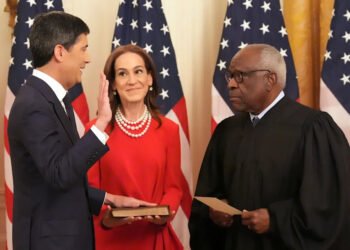 Kevin Warsh sworn in as Fed chair amid economic backlash
 DeSantis’s ‘Alligator Alcatraz’ Faces Final Shutdown
 House Curbs Trump’s War Powers in Rare Rebellion
 US Courts Back Trump on Park Signage Removals
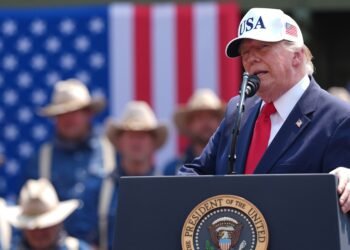 Trump’s Mount Rushmore Speech: A Divisive Anniversary
 Le Pen’s Popularity Holds Despite Conviction
 Houthis Strike Saudi Arabia as Middle East Tensions Rise