Published: 26 May 2026. The English Chronicle Desk. The English Chronicle Online.
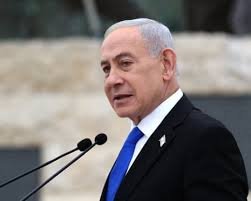
The political landscape across the Middle East is shifting rapidly as unexpected diplomatic moves create deep uncertainty for international alliances. When Donald Trump launched a pre-emptive military campaign against Iran alongside Israel in February, many citizens and politicians hailed the action. They viewed this decisive campaign as the absolute crowning triumph of Benjamin Netanyahu’s long political and diplomatic career. The joint military effort was supposed to reshape the region and neutralise perceived threats forever.
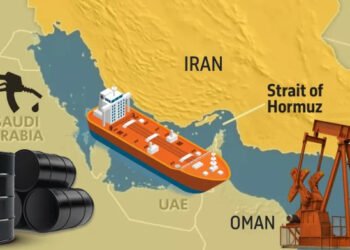
Three months after those initial strikes, the governing regime remains firmly in power within Tehran. Instead of pursuing further military action, Trump is actively chasing a diplomatic deal right now. This proposed agreement aims to reopen the strategic Strait of Hormuz to global oil tankers quickly. However, the reported terms of this sudden deal have provoked widespread alarm, dismay, and anger inside Israel. Many leaders feel blindsided by the rapid shift from active warfare to quiet negotiations.
The feeling of betrayal is palpable across the Israeli political spectrum and the local media. Israel is completely beholden to the decisions of a capricious, hollow, and desperate American president. This sharp critique reflects the growing frustration with Washington’s unilateral approach to regional security. Multiple prominent commentators have stepped forward to condemn both the proposed deal and the prime minister. They argue that the current administration failed to secure any long-term strategic advantages.
The greater the fury, the greater the roar, the greater the defeat, one analyst noted. This scathing account targeted Netanyahu’s overall strategy before and during the intense military campaign. The United States officially called this conflict Operation Epic Fury during its initial stages. Meanwhile, the Israeli government chose to name the same collective effort Operation Roaring Lion. Both nations used powerful rhetoric, but the actual results on the ground seem very limited.
If the agreement currently being talked about is signed, the damage will be worse. The billions that will flow into the regime’s pockets will go a long way. Critics fear that lifting economic sanctions will simply revitalise the political leadership in Tehran. This financial influx could allow them to rebuild their military capabilities much faster than expected. Consequently, the temporary security gains achieved through recent bombings might be erased entirely very soon.
At the very beginning of the war, Israel’s security elite issued strong warnings. They stated that Netanyahu risked sacrificing the country’s most vital foreign policy asset during this conflict. That asset is the historic bi-partisan support that Israel has traditionally enjoyed in the United States. The prime minister was accused of pursuing regime change in Iran for personal gain. Furthermore, critics suggested he wanted a political boost for the upcoming election due by October.
Almost three months into this situation, US opinion polls indicate a very troubled reality. A body blow to a decades-old legacy may be the conflict’s most enduring outcome. American public sentiment and political alignment regarding Israel appear to be shifting in complicated ways. This domestic division within the United States could limit future diplomatic and military cooperation. For many strategic planners in Tel Aviv, this is a deeply worrying development.
Israel has been completely locked out of the current high-level negotiations with Iran. According to reliable reports, the government has not even been updated on their progress. This exclusion from key meetings has deeply embarrassed the nation’s political and military leadership. To gather any information, the government has been forced to resort to regional allies. They are drawing heavily on espionage networks that are actively surveilling Iran’s top leadership.
The specific deal that Trump’s team is negotiating remains a subject of intense scrutiny. It may put some mild constraints on Iran’s controversial nuclear development programme. However, there is a broad consensus that these terms are not nearly enough. Experts agree they would be less restrictive than the original agreement reached in 2015. That previous historic accord was successfully negotiated by the administration of President Barack Obama.
Netanyahu famously criticised that older deal, known formally as the Joint Comprehensive Plan of Action. He traveled to Washington DC at the time to voice his strong opposition. The fact that a conservative American president might sign a weaker deal is ironic. This twist of events has left the Israeli administration in an incredibly awkward position. They find it difficult to justify the recent war if the outcome is worse.
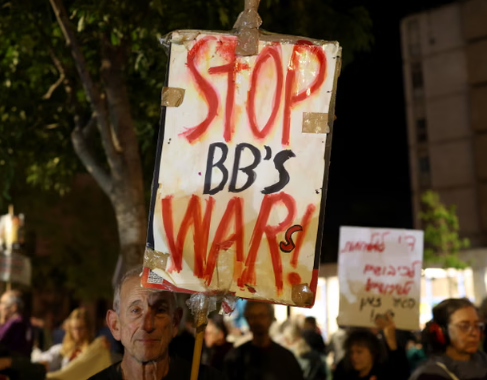
The emerging agreement is far worse than the previous one, local journalists argue. Analysts are highlighting the distinct risk that fallout from the war could accelerate nuclear research. The ceasefire deal might inadvertently push the nation toward developing weapons rather than stopping them. This stands in stark contrast to the total destruction of the programme Netanyahu promised. If they do come to possess a nuclear bomb, it will be Bibi’s bomb.
The recent assassination of the supreme leader, Ayatollah Ali Khamenei, changed the regional dynamics. He was the specific individual who originally set up the state’s nuclear programme. However, experts note that he also held off the final stage of weaponization. With his sudden departure, more radical factions within the country could take complete control. This leadership vacuum might actually speed up the creation of an functional nuclear device.
Israel’s other major security concerns going into the war appear entirely reassessed now. These issues included a vast regional proxy network and a large ballistic missile arsenal. This advanced weaponry previously caused significant death and destruction across many Israeli cities. Unfortunately for residents, these critical security threats do not appear to be on the table. The current American negotiations seem focused almost exclusively on shipping lanes and oil.
Far-right members of Netanyahu’s ruling coalition are now pushing him to act decisively. They want him to openly challenge the US president on a partial ceasefire. This specific ceasefire with Hezbollah in Lebanon was implemented under intense pressure from Washington. Conservative ministers believe this pause in fighting allows their enemies to regroup and rearm. They are demanding a return to a much more aggressive military posture immediately.
It is time for the prime minister to bang on Trump’s table, ministers argue. They want him to inform the American president that they are returning to war. This domestic political pressure makes it very difficult for Netanyahu to accept the peace plan. He is caught between a demanding domestic coalition and an unpredictable American ally. Navigating these conflicting demands will require immense political skill over the coming weeks.
Worry about ongoing threats from regional adversaries is driving local public opinion right now. Recent polling showed remarkably strong Israeli support for the original decision to go to war. This backing remained high even after weeks of enduring heavy retaliatory missile attacks. The population felt that a decisive conflict was necessary to ensure long-term national survival. However, the current ambiguous peace terms have altered that initial public support.
Immediately after the ceasefire, more than a third of Jewish Israelis expressed deep dissatisfaction. They said they were very or somewhat unhappy about the sudden halt in fighting. In contrast, just over a quarter were happy that the active combat had stopped. This divide shows a population that feels the military campaign ended prematurely. Many citizens believe that the core security threats were never truly resolved effectively.
Backing for the current government declined significantly as the complex conflict dragged on. This drop occurred primarily because there was no sign of the promised regime change. Netanyahu had repeatedly assured the public that the enemy administration would fall quickly. As that goal proved unrealistic, voters began to question the wisdom of the campaign. The high financial and human cost of the war began to weigh heavily.
Even in April, when there was more cause for optimism, dissatisfaction remained high. Israelis were generally disappointed with the government’s overall handling of the difficult war effort. Just over a third of respondents rated the administration’s performance positively back then. This represented a sharp decline from the high approval ratings seen in February. The public mood has clearly soured as diplomatic realities replace military victories.
Not all criticism was aimed at Netanyahu during this turbulent political period. Furthermore, not all those unhappy with the deal regretted the initial war effort. However, the general outline of Trump’s apparent plan found very few champions anywhere. Both liberals and conservatives view the proposed American terms with extreme suspicion and worry. The sense that an ally is prioritizing its own economic goals is widespread.
To Trump’s credit, it needs to be said that at least he tried. Writers noted his bold willingness to unleash the United States’ tremendous firepower initially. This aggressive stance was preferable over the historic impotence shown by his predecessors. Many appreciate that a Western leader finally took direct military action against the regime. Yet, the tactical victory seems to have slipped away during the subsequent negotiations.
The bottom line is that Iran is presenting a victory picture to the world. They are doing this by dint of the very fact they stand. Trump, for the time being, does not have a similar counter-picture to show. This lack of a clear victory is not very good news for citizens. As the region waits for the final signature, uncertainty continues to grow daily.
Related News:
 Middle East Flights Halted After Iran Strikes
 US Iran Operation: Sixth Service Member Killed
 Hezbollah Anger Erupts as War Returns to Beirut
 Gaza Siege Deepens as Iran War Escalates
 Riyadh Drone Attack Escalates Regional War
 Middle East attacks intensify as Trump rejects Iran talks
 Iran-Iraq border airstrikes spark new tensions
 Iran-Iraq Border Strikes Spark New Front Fears
 Iran-Backed Militias Escalate Attacks Across Middle East
 UK Prepares Aircraft Carrier for Middle East Crisis
 Mojtaba Khamenei Chosen as Iran’s New Supreme Leader
 Tehran Oil Depot Strikes Darken City With Toxic Smoke
 Seventh US Service Member Killed in Iran Conflict Identified
 Mojtaba Khamenei Supporters Rally as Iranians Fear Repression
 Tehran Strikes Mark War’s Most Devastating Night
 Iran Defiance Grows Amid US-Israel War Pressure
 Hormuz Crisis Sparks Global Oil Market Fears
 Iranian Exile Factions Seek US Backing for Iran’s Future
 US-Israeli Strategy Shifts to Plan B in Iran War
 Injured Mojtaba Khamenei Elevated as Iran Leader
 US Missile Strike on Iran School Sparks Global Shock
 Iran Gulf attacks escalate as ships and airports targeted
 Iran Conflict: Trump’s Uncertain Path and Diplomatic Off-Ramp
 Ancient Heritage Sites Damaged in Recent Airstrikes
 Tehran Diary: Dark Days Under Relentless Bombardment
 British Tourist Charged Over Dubai Missile Strike Video
 Gaza Detainee Abuse: Israel Drops Charges Against Soldiers
 Trump Iran War Stance Hardens as Conflict Widens
 Lebanon Ground Campaign Raises Occupation Fears
 Gulf Tensions Rise as Iran Alleges Covert Support
 Kabul hospital strike sparks deadly blame row
 Iran Threatens Total Destruction of Mideast Energy Grid
 Ghalibaf Iran: Survivor Emerges in Shifting Power Game
 Gulf Distrust Grows Over Rumoured US-Iran Peace Talks
 WHO Warns of Health Crisis Unfolding in Middle East
 Saudi Arabia Urging US to Keep Up Iran Attacks
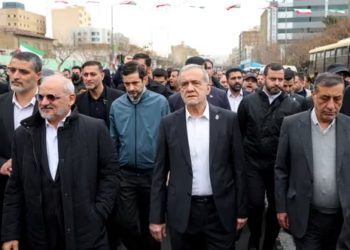 Iranian President’s Son Shares Wartime Hopes and Fears
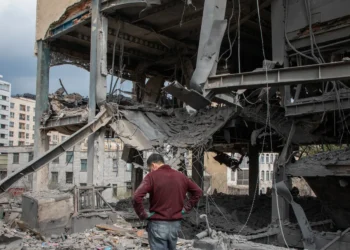 Iran Warns of US Ground Assault Amid Rising War Tension
 MAGA Anxiety and the Iran War: A Movement Divided at CPAC
 Trump Threatens Iran With Total Infrastructure Destruction
 Iran Drone Strike Hits Kuwaiti Oil Tanker in Dubai Port
 Albanese to Address Nation as War Sparks Economic Crisis
 Death, displacement and military duties: children plunged into crisis
 Trump’s Six-Week Iranian War: The High Cost of Ignorance
 Beirut Under Fire: Massive Israeli Strikes Shaking Lebanon
 Middle East Analysis: The Cost of a Fragile Peace
 Lebanon Must Join Ceasefire to Prevent Escalation, Says Cooper
 Israel Launches Massive Airstrikes Across Lebanon
 Netanyahu Vows Continued Lebanon Strikes Amid Peace Talks
 Iran Crisis Tests Trump’s Global Leadership
 US and Iran Pursue Extension of Ceasefire via Pakistan
 Uncertain Peace: Tehran Residents Face a Ruined Capital
 Aid Crisis Grows as Hormuz War Disrupts Supply
 Trump likens US Navy actions to ‘pirates’
 Global order shifts amid Trump-era turmoil
 Middle East Crisis Escalates as Oil Routes Shake Markets
 Tensions Emerge in Netanyahu-Trump Alliance
 Trump Rejects Tehran Peace Plan as Regional Truce Crumbles
 Netanyahu Calls Early Election Amid Coalition Turmoil
 Tensions Flare as Israeli Nationalists March in Jerusalem
 Gulf Crisis Deepens After Drone Attack Near Nuclear Facility
 Global Flotilla Intercepted in International Waters
 Israeli Strikes in Lebanon Kill 10 Amid Ceasefire Strain
 Hunger increasingly weaponised in global conflicts
 Former ICC prosecutor condemns US sanctions
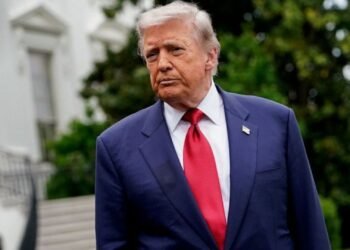 Trump Claims Iran Peace Deal Near Completion
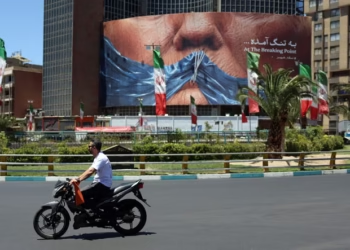 US Strikes Iranian Sites Amid Shaky Ceasefire Talks
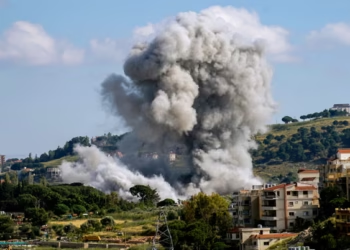 Israel Intensifies Lebanon Strikes to Crush Hezbollah
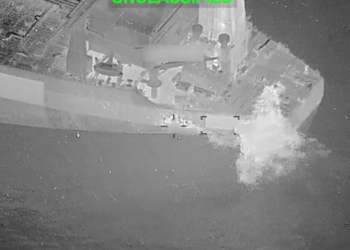 US and Iran Trade Fresh Strikes, Threatening Ceasefire
 Trump Confronts Netanyahu in Explosive Beirut Phone Call
 Iran To Propose New Shipping Fees In Strait Of Hormuz
 Grief and Devotion Amidst the Rubble of Nabatieh
 High Drama in Tehran Over Secret Nuclear Letters
 Houthis Strike Saudi Arabia as Middle East Tensions Rise
 BBC to Apologise Over Edited Trump Speech Amid Backlash
 Greene Pushes Epstein Files Amid Trump Fallout
 Zelenskyy Signs Fighter Jet Deal Amid Russian Drone Attacks
 Shadow Fleet at Sea: Europe’s Battle Against Illicit Oil Shipping
 US Suspends Afghan Immigration After White House Shooting
 RFU Backs Borthwick Despite England’s Poor Six Nations