Published: 02 June 2026. The English Chronicle Desk. The English Chronicle Online.
In a grim escalation of the ongoing conflict, Ukraine awoke to a wave of devastating air raids on Tuesday, as Russian forces launched a series of coordinated missile and drone strikes targeting major civilian centers. The assaults, which hit the capital city of Kyiv, as well as the regional hubs of Dnipro and Kharkiv, have left a trail of destruction, death, and profound suffering in their wake. Government officials have confirmed that at least nine lives have been tragically cut short, while dozens of others are currently hospitalized, grappling with injuries sustained in the strikes. These attacks follow days of intense anticipation, during which Ukrainian President Volodymyr Zelenskyy had publicly alerted the nation to intelligence reports suggesting that a massive, well-prepared Russian offensive was imminent.

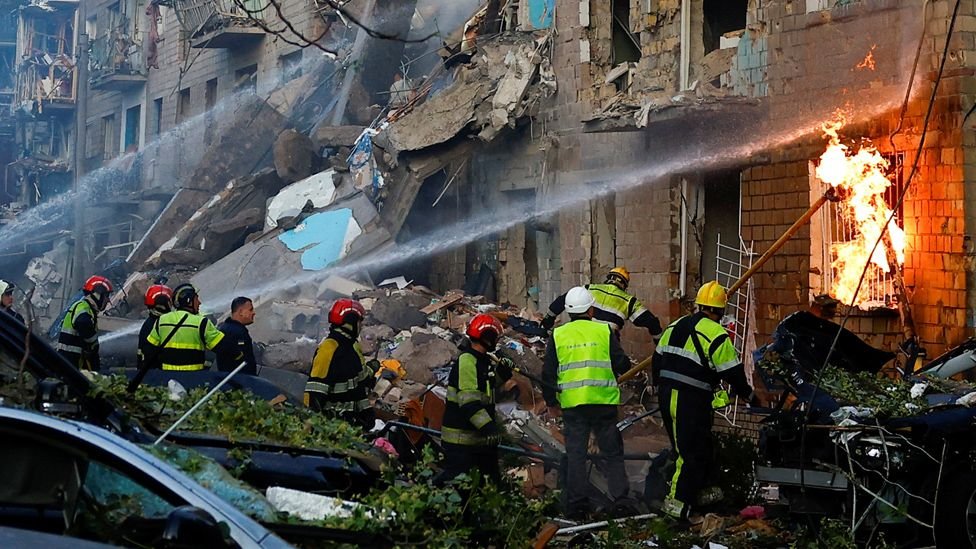
The brutality of the assault was felt most acutely in Kyiv, where the skyline was once again obscured by plumes of thick, black smoke. Tymur Tkachenko, head of the capital’s military administration, confirmed the loss of four lives within the city, with twenty-nine others nursing various degrees of physical trauma. The terror was palpable as residents scrambled for safety, seeking sanctuary in the depths of metro stations and underground bunkers as air raid sirens wailed across the city. Mayor Vitali Klitschko described a scene of utter chaos, noting that a suspected missile impact had caused a partial collapse of a twenty-four-storey apartment building. Emergency responders have been working against time, searching for survivors feared to be trapped beneath the twisted metal and pulverized concrete of the residential block.
Beyond the capital, the regional governor of Dnipro, Oleksandr Hanzha, reported a staggering toll in the east, where five individuals were killed and sixteen others wounded. Images circulated by officials following the attack provide a heartbreaking window into the reality of modern warfare in Ukraine: children’s playgrounds turned into debris fields, charred skeletons of family vehicles, and apartment buildings with gaping holes where homes used to be. Every one of the injured has been rushed to local hospitals, their lives forever altered by the sudden arrival of Russian ordnance. In the north-eastern region of Kharkiv, the impact of the strikes was similarly severe, with Mayor Ihor Terekhov confirming that ten people—among them a small child—were injured in an onslaught involving a lethal combination of loitering drones and long-range missiles.
The timing of this offensive appears to be a direct and cynical response to geopolitical tensions. Just last week, Moscow issued ominous warnings, threatening systematic strikes against what it described as military-linked targets and decision-making centers within Kyiv. The Kremlin explicitly urged foreign nationals to evacuate the capital, fueling fears that a major escalation was on the horizon. This aggressive posture from the Russian military was framed as a retaliation for a recent drone strike on a dormitory in the Russian-occupied Luhansk region, an incident that resulted in twenty-one fatalities. While Kyiv has consistently denied any involvement in that specific strike, the Russian leadership has utilized the event to justify a renewed, heavy-handed campaign against the Ukrainian heartland.
For the ordinary citizens of Ukraine, this Tuesday served as a harrowing reminder of the fragility of life under siege. President Zelenskyy, in his nightly address leading up to the raids, had urged the population to remain hyper-vigilant, emphasizing that the intelligence regarding a massive strike was credible and that the Russian war machine had been methodically preparing for this exact moment. He assured the nation that Ukrainian defense forces were stationed at their posts, ready twenty-four hours a day to confront the incoming barrage with whatever supplies and air defense capabilities remained at their disposal. Yet, the persistent nature of these strikes demonstrates the overwhelming challenge faced by the nation as it attempts to guard its urban centers against constant aerial threats.
As the sun rose over the scarred urban landscape, the survivors of the morning’s violence began the long, difficult task of picking through what remained of their belongings. The destruction of residential high-rises in Obolon, where falling debris set fire to parked cars and proximity to a kindergarten highlighted the indiscriminate nature of the targeting, has galvanized a sense of resilience and fury among the local population. The fear of what tomorrow may bring is overshadowed only by the immediate, crushing grief of those who have lost loved ones in the sudden morning onslaught. There is a deep, agonizing recognition that these are not merely strategic targets but the everyday spaces of a nation’s life—where children play, families sleep, and the quiet routines of existence were shattered in an instant.

The international community continues to watch the unfolding catastrophe with profound concern, though the path to de-escalation remains dangerously blocked. The intensity of the bombardment, stretching across hundreds of miles of Ukrainian territory, highlights the relentless pace of the aggression. Each new strike leaves behind broken bodies and hollowed-out concrete, further hardening the resolve of the Ukrainian defenders. Despite the fatigue of a war that has stretched into its fourth year, the scenes from Kyiv, Dnipro, and Kharkiv reflect a nation that, while deeply wounded, refuses to surrender to the terror being rained down from above. As medical teams continue to treat the wounded and urban rescue squads work through the rubble, the world is once again reminded of the stark, human cost of this brutal, ongoing struggle.
Related News:
 Ceasefire Standoff Deepens in Ukraine War
 British Woman in Iran ‘Losing Hope’ Amid Ongoing Detention
 BBC Journalist Held and Interrogated in Vietnam
 Zohran Mamdani becomes New York City’s first Muslim mayor
Zohran Mamdani names all-female transition team for NYC mayoralty
Zohran Mamdani becomes New York City’s first Muslim mayor
Zohran Mamdani names all-female transition team for NYC mayoralty
 Second world war veterans honoured as King leads Remembrance Sunday
 BBC director-general and news chief resign amid bias row
 Rama Rebukes Mahmood for Targeting Albanian Families
 Russian Vessel Used Lasers on RAF Pilots, UK Claims
 Ireland Boosts Ukraine Aid as Zelensky Visits Dublin
 EU weighs response amid Greenland tariff crisis with Trump
 US Africa aid remarks spark anger after leaked State email
 EU Says US Ties Have Suffered ‘Big Blow’ After Greenland Crisis
 Starmer China visit raises human rights pressure on Beijing
 UK and EU Signal Fresh Push for Defence Cooperation Talks
 Cory Bernardi joins One Nation for SA election
 Starmer Condemns ‘Depraved’ Russian Strikes on Ukraine
 Trump Warns Over Chagos Islands Deal
 Trump and Chagos Deal Rift Over Iran Strikes
 Andrew Mountbatten-Windsor Arrest After FBI Radar
 Farage Chagos Islands Row Sparks Fury
 Trump Tariffs Threat Spark UK and EU Alarm
 UK Allows US Base Use Amid Iran Tensions
 Trump Rebukes Starmer Over Iran Strikes Row
 UK Prepares Aircraft Carrier for Middle East Crisis
 Gordon Brown urges court for crimes against children
 Yvette Cooper: UK Must Follow Principles, Not US Pressure
 UK Minister Denies Iran Missile Threat to Britain
 Army Probes Apache Flyover at Kid Rock’s Nashville Estate
 Relationship with Trump may be beyond repair, Starmer warned
 Italian Town Buys Mussolini Villa to Keep Away Fascist Fans
 Hungary election: Orbán faces biggest test amid scandal
 Charles Faces Trump Test in High-Stakes US Visit
 UK Stands Firm on Falklands Amid US Rift
 Asylum deal sparks fears over Syria deportations
 Global order shifts amid Trump-era turmoil
 Koh-i-noor Diamond Row Reignites Colonial Debate
 France Faces Record Presidential Crowded Race Amid Far-Right Surge
 Norway Doubles Down on Oil and Gas for Europe Energy Security
 Starmer Faces Revolt After Crushing Election Losses
 Putin Declares Russia Victory at Scaled Victory Day Parade
 UK Pushes for New EU Goods Trade Deal
 Reeves Fights to Keep Treasury Role Amid Labour Turmoil
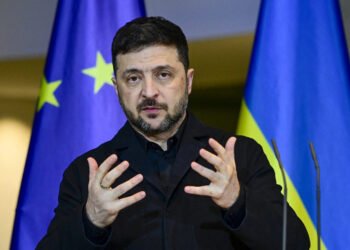 Zelenskyy warns over Oreshnik threat as Kyiv hit
 Former ICC prosecutor condemns US sanctions
 Irish Gangland Figure Fails in Dublin Election Bid
 Farage and Reform UK Reshape British Politics
 Starmer Leadership Under Pressure After Setbacks
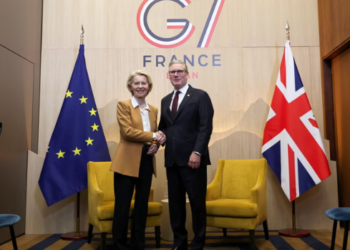 EU and UK Set July Date for Critical Post-Brexit Summit
 UK Nations Brace for Potential Breakup Amid Reform Surge
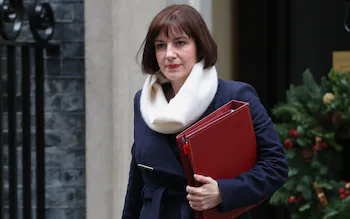 UK Government Cancels Higher Education Programme for Women and Girls
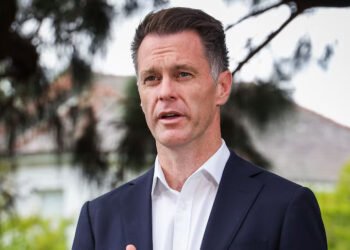 New South Wales Premier Chris Minns Signals Tough Road Ahead for Labor
 Le Pen to Run for President Despite Embezzlement Conviction
 Labour MPs Urge Burnham to Revive UK Aid Target
 Farage Defends £5m Gift Amid Threats
 UK Must Act with Courage and Clarity on Israel-Palestine Conflict, Says Foreign Affairs Committee Report
 Trump’s UK Ambassador Urges North Sea Drilling to Strengthen US Ties
BBC to Apologise Over Edited Trump Speech Amid Backlash
Trump’s UK Ambassador Urges North Sea Drilling to Strengthen US Ties
BBC to Apologise Over Edited Trump Speech Amid Backlash
 Millionaires group urge Reeves to introduce wealth tax to ‘lift kids out of poverty’
 Reeves rejects £1bn plea for NHS redundancy payouts
 PM Condemns Leaks, Vows Loyalty to Ministers and Stability
 Greene Pushes Epstein Files Amid Trump Fallout
 Shadow Fleet at Sea: Europe’s Battle Against Illicit Oil Shipping
 Artificial intelligence will cost jobs, admits Liz Kendall
 UK and US Drop in Global Corruption Index Rankings
 Canberra Poster Seizure Sparks Free Speech Row
 Wales Approves Assisted Dying Bill Consent
 Jacinda Ardern Move Sparks Kiwi Reflection
 Asylum Seekers to Work After Year-Long Wait
 Injured Mojtaba Khamenei Elevated as Iran Leader
 Inquiry into HMRC child benefit errors launched by NAO
 Air Canada CEO Faces Outcry Over Recent Language Misstep
 UK Government Poised to Revive Stalled Hillsborough Law
 Silent Tracks: Rail Line Without Passengers
 RFU Backs Borthwick Despite England’s Poor Six Nations
 Major test for Labour as polls open in Great Britain
 Keir Starmer Struggles to Secure His Grip on Downing Street
 The Hidden Crisis Eroding Trust in British Communities
 Ann Widdecombe, Formidable Political Figure, Dies at 78
 Houthis Strike Saudi Arabia as Middle East Tensions Rise