Published: 05 June 2026. The English Chronicle Desk. The English Chronicle Online.
The shifting battleground between global technology giants and sovereign regulatory frameworks has reached a critical new flashpoint. In its latest legislative push, the Australian government is attempting to enforce strict rules on content payments. This escalating conflict features a fierce debate over corporate responsibility and digital journalism sustainability. Tech conglomerates are now actively deploying heavy geopolitical leverage to protect their massive profit margins. They are raising the specter of severe diplomatic retaliation from a newly emboldened American administration.
At the core of this intense international dispute is a proposed media bargaining incentive. The federal policy aims to compel major digital networks to compensate local publishers directly. Under the new draft guidelines, global platforms must negotiate fair commercial agreements with news outlets. Alternatively, non-compliant corporations will face a dedicated revenue tax within the local market. The Albanese administration designed this financial levy to sustain public interest journalism across the country. Official consultations on this draft legislation began in April and concluded only recently.
The regulatory crosshairs are targeting influential global communication companies like Meta, Google, and TikTok. These dominant online networks have historically weaponized their immense market reach during regulatory disputes. Tech executives argue that the proposed media rules represent an unprecedented overreach of power. They claim the upcoming legal framework establishes an unfair economic burden on foreign innovators. The policy essentially forces digital channels to subsidize traditional print and broadcast media corporations. Consequently, this deep systemic division has triggered an explosive regulatory stand-off across continents.
Meta recently released its official submission to government officials regarding the draft framework. The social media giant labeled the financial incentive as a highly discriminatory tax. Corporate leadership argued the policy is poorly designed and fundamentally flawed in execution. They insist that the rules insulate legacy publishers from necessary digital market competitive pressures. By guaranteeing steady revenue streams, the legislation allegedly rewards failing traditional media business models. Furthermore, Meta maintains that publishers willingly share their articles to gain immense website traffic.
The financial data highlights the stark economic division existing between these two competing industries. Tech platforms generate billions in advertising revenue by aggregating diverse content for global users. Meanwhile, local news agencies struggle to fund investigative journalism in a crowded marketplace. The Australian government insists that digital platforms profit immensely from high-quality journalistic material. Without independent reporting, social feeds would lose a primary source of user engagement. Therefore, regulatory intervention is deemed essential to protect democratic institutional transparency and public awareness.
However, tech lobbyists are now elevating this local dispute into a major international crisis. They argue that the proposed law openly violates long-standing bilateral free trade agreements. Specifically, the rules allegedly discriminate against services operating from outside domestic borders. Critics state that the policy imposes strict domestic content performance mandates on global platforms. These legal inconsistencies could damage economic cooperation between the traditional allied nations involved. By framing this as a trade violation, tech groups seek overseas political intervention.
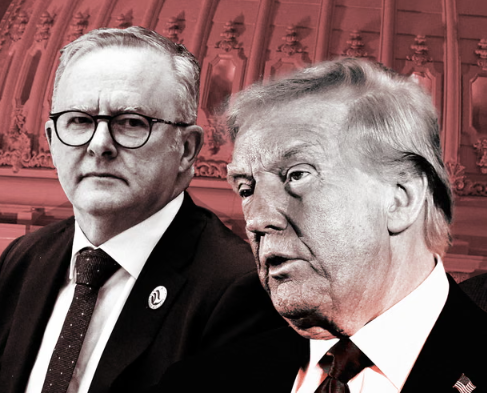
The mention of potential retaliation from Washington has introduced a highly volatile geopolitical dynamic. Tech representatives suggest that the current American administration might impose stiff economic sanctions. The Software and Information Industry Association highlighted these retaliatory risks in official warnings. They claim that international trade policies under Donald Trump could penalize such regulatory actions. This strategic rhetoric aims to intimidate regional lawmakers who fear broader financial instability. Using global trade friction as a shield has become a standard corporate tactic.
In stark contrast, Australian media executives are fiercely defending the proposed legislative measures. Michael Miller of News Corp Australasia publicly condemned the aggressive resistance of tech giants. He stated that their opposition reveals a deep contempt for domestic legal standards. Miller believes tech firms routinely exploit valuable content without providing fair financial compensation. The new rules simply create a structured pathway toward mutually beneficial commercial agreements. For media houses, this law represents survival rather than an unfair financial advantage.
The argument for regulatory compliance is echoed widely across the mainstream broadcasting sector. Nine Entertainment leadership emphasized that these global platforms must respect local sovereign authorities. Executives claim that tech giants routinely ride roughshod over regional public interests worldwide. Following domestic laws should never be characterized as a disincentive to corporate investment. The media industry asserts that multinational organizations must finally pay their fair share. This perspective views the legislative battle as a necessary defense of national sovereignty.
Independent broadcasting networks also stress the vital democratic function that sustainable journalism provides. Without steady funding, diverse regional voices will inevitably disappear from public discourse. Media leaders argue that journalism becomes entirely unsustainable if digital platforms absorb all revenue. Digital giants profit from distribution networks while shifting production costs onto struggling newsrooms. This economic imbalance threatens the foundation of informed citizenship in modern democratic societies. Therefore, state intervention is framed as a moral necessity for public welfare.
Smaller independent publishers are also advocating for crucial adjustments to the final bill. They want to ensure that smaller local newsrooms receive an equitable funding distribution. Currently, major media conglomerates tend to dominate these lucrative corporate compensation agreements. Independent journalists argue that funds should directly support active reporters on the ground. They fear that large corporations might simply absorb the cash into executive bonuses. Ensuring fair distribution remains a primary concern for grassroots regional media organizations.
Unsurprisingly, Meta remains vehemently opposed to any framework resembling a traditional media tax. The corporation describes the ongoing policy initiative as an innovation penalty in disguise. They argue that modern user habits have shifted dramatically toward creator-driven video content. Audiences are moving away from traditional hard news toward personalized entertainment options. From Meta’s perspective, digital platforms bear no responsibility for saving declining legacy industries. They believe public interest journalism must find alternative, self-sustaining financial models independently.
As the consultation period closes, the global community watches this legislative trial closely. The final outcome will likely set a powerful precedent for international tech regulation. Other nations are carefully observing how Australia manages these complex corporate trade threats. If the government yields, tech giants will solidify their dominance over sovereign legislative processes. If the law passes, it could trigger a wave of similar policies globally. The decision ahead involves balancing geopolitical stability against the survival of free journalism.
Related News:
 Silence and Unity Mark Bondi Terror Attack Memorial
 Sydney Businessman Falsely Claimed Security Advice Came From Kevin Rudd
 Anthony Albanese Must Uphold Rights for All Australians
 Victorian Liberals Face New Crisis Over Candidate Ethics
 Sam Konstas Dropped as Australia Unveils New Contract List
 Tony Abbott Returns as New Liberal Party President
 Tony Abbott Returns as New Liberal Party President
 Breakthrough in Hunt for Sovereign Citizen Accomplices
 A State in Turmoil: Aussie MP Denies Assault Allegation
 China’s Pacific Missile Test Sparks Regional Alarm
 Liberal Turmoil Threatens Victorian Election Hopes
 British skier killed in La Plagne avalanche tragedy
 PM pushes urgent hate speech and gun laws after Bondi terror attack
 Mandelson apologises over Epstein ties after public scrutiny
 Friedman Uninvited From 2024 Adelaide Writers’ Week
 Bondi memorial flowers preserved in lasting tribute artwork
 Starmer Challenges US Over Controversial Greenland Deal
 Spoof “Make America Go Away” Caps Rally Denmark Over Greenland
 India-EU Free Trade Deal Marks Historic Economic Shift
 Concerns rise for Canberra boy amid Iran detention fears
 ‘It’s a horrible feeling’: Loma Bropho’s Struggle to Secure Housing
 New Zealand Covid Response Praised Despite Lingering Scars
 Family of Alleged Bondi Gunman Seeks Name Suppression
 African World Cup Fans Face $15,000 Entry Bond Fee
 Diplomacy on the Brink: Pakistan’s Risky Peace Mission
 Teenage Titan: Sooryavanshi Smashes IPL Records
 Big Tech Faces Investigation Over Australia’s Social Media Ban
 Canadian Mother and Daughter Released From ICE Detention
 Reform UK Pledges To Halt Visas Over Reparations Demands
 US and Iran Agree to Two-Week Provisional Ceasefire
 Trump and Tehran Find Common Ground in Landmark Ceasefire
 Israel Defies Ceasefire as Lebanon Operations Persist
 Pakistan Brokers Historic Peace Deal Amid Rising Tensions
 Islamabad Hosts Historic Peace Talks Between Iran and USA
 Trump Signals Hope for New Iran Talks as Ceasefire Fades
 Kyiv and Odesa Mourn After Deadly Wave of Russian Strikes
 Security Alert Near Israeli Embassy as Police Investigate
 Machado Rallies in Madrid as Venezuela Stays Frozen Out
 US Forces Seize Iranian Ship Near Hormuz Blockade
 Labor Reforms NDIS Amidst Mounting Budget Concerns
 US-Iran Standoff: Will Trump Deploy Ground Troops?
 Investigation: Offshore Loans and Sanctions
 Investigation Into Anti-Trump Motives After Gala Shooting
 Cross-Border Crisis Shatters Fragile Afghan Peace
 Oil Prices Surge Above $120 Amid Iran Blockade Fears
 Trump orders US troop pullout from Germany
 Japan Protests Erupt Over Plans to Revise Constitution
 The Burning Lens: An Iranian Artist’s Visual Resistance
 One Nation Candidate’s Surprising Ties to Independents
 High Stakes in Beijing as Trump and Xi Meet Amid Global Turmoil
 Fear and Betrayal: The Chilling Case of Kouri Richins
 Australia Joins UK-Led Mission to Reopen Vital Strait
 Trump and Xi Convene in Beijing for Historic High-Stakes Summit
 Scepticism and tight security as Beijing braces for Trump
 Australia Bans Neo-Nazi Group Under Tough New Hate Laws
 Rubles and Resilience: How Russia-China Border Towns Thrive
 Trump Turns to Middle East Allies as Iran Peace Eludes
 Aussie Race Row: Coalition Accused of Scapegoating
 Trump Pledges 5,000 Troops for Poland in U-Turn
 Cannes filmmakers split over AI’s role in cinema
 Teaching Machines Right From Wrong in the Digital Age
 Washington Brokerage Sparking Hope Amid Regional Firestorms
 US Condemns ‘Two-Tier’ UK Policing After Student Murder
 EU Leadership Gathers in Tivat to Renew Balkan Ties
 Ex-CIA Agent Accused of $40m Gold Theft and Fake Spy Unit
 Aukus Deal Facing Fierce Backing and Historic Criticism
 Thai Princess Bajrakitiyabha Passes Away at 47
 Tragic Loss of Australian Sprinter Jemma Stapleton
 Trump Urged to Condemn UFC Fighter Over Obama Slurs
 US Democratic Crisis Deepens as Trump Limits Mail Voting
 Russian Tanker Captain Remanded in UK Court After Channel Seizure
 US Military Pacific Boat Strike Kills Three People
 US Battles Auction of Titanic Artifacts
 France Dominate Sweden as Deschamps’ New Era Takes Shape
 Trump’s Mount Rushmore Speech: A Divisive Anniversary
 Trump Swaps Planes Amid Iran Tensions
 Rotterdam Museum Honours Artist With Peanut Butter Floor
 Bangkok Nightclub Blaze Claims 30 Lives Amid Negligence Probe
 Yemen Accuses Iran of Violating National Sovereignty
 Houthis Strike Saudi Arabia as Middle East Tensions Rise