Published: 8 June 2026
The English Chronicle Desk
The English Chronicle Online
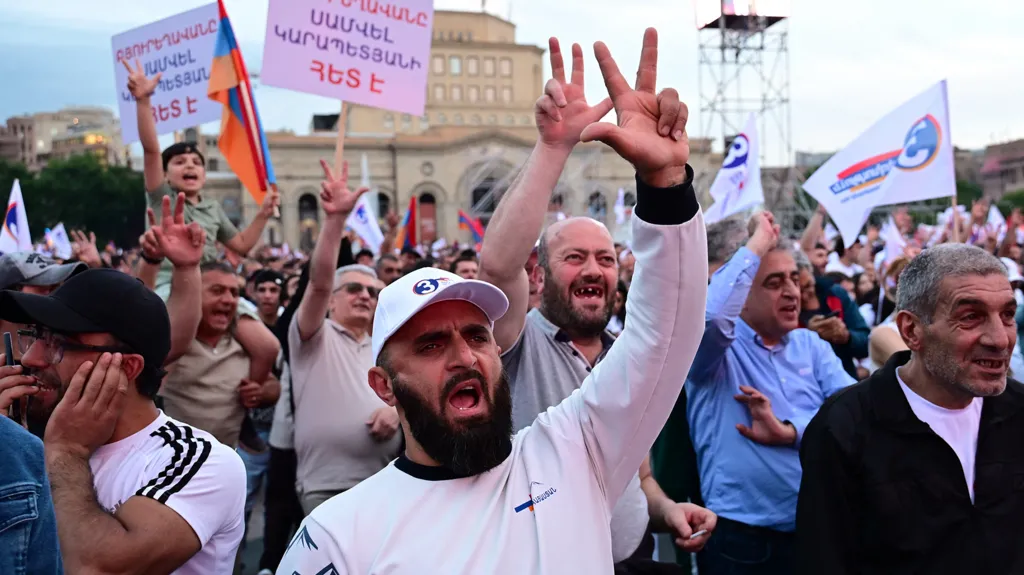
Voters in Armenia headed to the polls amid growing political tension as Russia increased pressure on the country’s pro-Western government during a critical and closely watched election period.
The vote comes at a sensitive moment for Armenia, where relations with Moscow have deteriorated sharply following disputes over regional security, foreign policy direction and ties with Western nations.

Prime Minister Nikol Pashinyan has sought to strengthen Armenia’s relationships with the European Union and the United States while reducing the country’s long-standing dependence on Russia.
The shift has triggered anger in Moscow, which has historically viewed Armenia as a key strategic ally in the South Caucasus region.
Russian officials and state-linked media have openly criticised Armenia’s government in recent months, accusing it of undermining traditional alliances and weakening regional security cooperation.
Political analysts say the election could determine whether Armenia continues moving toward closer Western integration or returns to stronger alignment with Russia.
The campaign period has been marked by intense political rhetoric, demonstrations and public debate over national identity, security and economic stability.
Many Armenian voters remain deeply concerned about regional security following recent conflicts involving neighbouring Azerbaijan and disputes surrounding the Nagorno-Karabakh region.
Critics of the government argue that distancing Armenia from Moscow could expose the country to greater military and economic risks.
Supporters of Pashinyan, however, say Armenia must diversify its international partnerships and reduce reliance on Russia following dissatisfaction with Moscow’s role during regional crises.
European and American officials have expressed support for democratic processes in Armenia while calling for peaceful and transparent elections.
Observers noted that the vote is being closely monitored internationally because of its wider geopolitical implications for relations between Russia and the West.
Russia maintains significant political, economic and military influence across the South Caucasus, making Armenia’s political direction strategically important for regional power dynamics.

Security experts warned that instability in Armenia could further complicate an already fragile geopolitical environment surrounding the Black Sea and broader Eurasian region.
As ballots are counted, the outcome is expected to shape Armenia’s foreign policy direction and regional alliances for years to come.
Check Out Our Latest News At>>
Related News:
 EU weighs response amid Greenland tariff crisis with Trump
 EU Says US Ties Have Suffered ‘Big Blow’ After Greenland Crisis
 Macron Rebuked in Franco-German Defence Row
 Bill Gates Pulls Out of India’s AI Summit Over Epstein Files Controversy
 Billionaire Les Wexner Tells US Lawmakers He Was ‘Naive’ and ‘Conned’ by Epstein
Zelensky Says Putin Has Started WW3, Must Be Stopped
Billionaire Les Wexner Tells US Lawmakers He Was ‘Naive’ and ‘Conned’ by Epstein
Zelensky Says Putin Has Started WW3, Must Be Stopped
 New Russia Sanctions on Hold as Hungary Blocks EU Package Ahead of Fourth Ukraine War Anniversary
 Inside Kyiv’s resolve as conflict nears five‑year mark
 Rob Jetten becomes Netherlands’ youngest ever prime minister
 Ukraine remembers its dead as war enters a fifth year
 Spain Declassifies Files on 1981 Attempted Coup in Effort to Dispel Conspiracy Theories
 Nepal Holds First General Election Since Gen Z Protests Toppled Government
 Global Order Is ‘Breaking Down’, Carney Tells Australian Parliament
 US Submarine Sinks Iranian Warship in Indian Ocean, Hegseth Says
 Spain’s Sánchez Hits Back at Trump Threat to Sever Trade, Says ‘No to War’
 Iran Postpones Khamenei Funeral as US‑Israeli Bombardment Continues
 The Devastating Conflict Where Both Sides Have Reasons to Keep Fighting
 Protesters Rally in San Francisco Against OpenAI Deal With Pentagon
 Watershed Moment as Russia’s Sporting Exile Ends
 How Depleted Weapons Stockpiles Could Affect the Iran Conflict
 Nepal Election 2026: When Will We Get the Results?
 Macron Finds ‘Freedom Fries’ Redemption in Iran Crisis
 Ukraine Accuses Hungary of Taking Seven Bank Workers Hostage in Budapest
 Finland Plans to Lift Decades‑Old Ban on Hosting Nuclear Weapons
 Putin Orders Evacuation at Iran Nuclear Plant Amid ‘Catastrophe’ Fears
 Istanbul Mayor Faces Corruption Trial Amid Political Storm
 Video Analysis Suggests US Missile Hit Base Near Iran School
 Russia Seeks Gains as Iran War Reshapes Global Politics
 Ukraine War Becomes Flashpoint in Hungarian Election
 Italian Town Buys Mussolini Villa to Keep Away Fascist Fans
 Who Is Viktor Orbán, Hungary’s Long-Serving PM?
 ‘The Soul of Spain’: Politicians Clash Over Renewed Push to Move Picasso’s Guernica
 ‘The Fortress of Values’: JD Vance Touches Down in Budapest to Back Viktor Orbán
 ‘Free at Last’: French Teachers Released as Iran Exchanges ‘State Hostages’ for Legal Concessions
 The ‘Pakistan Protocol’: How Islamabad Pulled the World Back from the Brink
 Hungary election: Orbán faces biggest test amid scandal
 Iran Crisis Tests Trump’s Global Leadership
 Cartel crackdown raises fears of fresh violence
 US states redraw maps after voting rights ruling
 Global order shifts amid Trump-era turmoil
 US ‘Narco Boat’ Strikes Draw Global Outcry
 Ceasefire Standoff Deepens in Ukraine War
 France Faces Record Presidential Crowded Race Amid Far-Right Surge
 Norway Doubles Down on Oil and Gas for Europe Energy Security
 Putin Declares Russia Victory at Scaled Victory Day Parade
 Zelenskyy warns over Oreshnik threat as Kyiv hit
 Former ICC prosecutor condemns US sanctions
 Irish Gangland Figure Fails in Dublin Election Bid
 Deadly Russian Air Raids Strike Across Ukraine
 Zelensky Invites Putin to Direct Peace Talks
 Republicans Defy Trump on Ukraine Aid Bill
 EU Summit to Reaffirm Balkan Membership Goals
 European Allies Set Peace Terms for Ukraine
 Huge Crowds Gather for Pope’s Open-Air Mass
 Drone Attacks Overshadow Russia Economic Forum
 Yvette Cooper Signals Global Momentum Towards Gaza Peace Deal Amid Humanitarian Crisis
 Russia’s Latest Push to Win US Favors Shows Deep Desperation
 BBC to Apologise Over Edited Trump Speech Amid Backlash
 Greene Pushes Epstein Files Amid Trump Fallout
 Shadow Fleet at Sea: Europe’s Battle Against Illicit Oil Shipping
 Australian Families Leave Syrian Camp for Home
 Ukraine Negotiator Reveals What It Feels Like Facing Russia
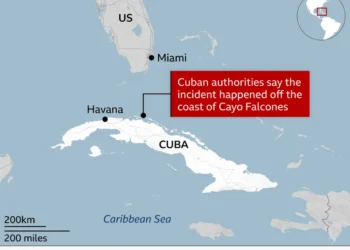 American Citizen Killed in Cuba Boat Shooting, U.S. Officials Say
 Iran’s Regime Still Intact — Coming Days Will Test Its Survival
 ‘Every Day Feels Like a Month’: Iranians Describe Life Under ‘Constant’ US‑Israeli Strikes
 Trump Pressures Congress Over Save America Act
 Iran War Puts Trump at Political Risk Amid Rising Prices
 After Mugabe: Family Feuds and Legal Battles
 Queensland Protest Laws Spark Free Speech Backlash
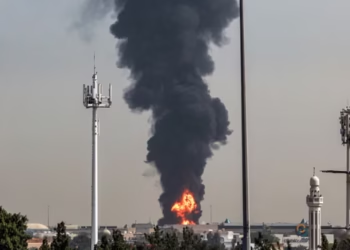 Trump Nato threats expose Iran strategy vacuum
 Trump Facing Backlash from Epstein Survivors Over Files
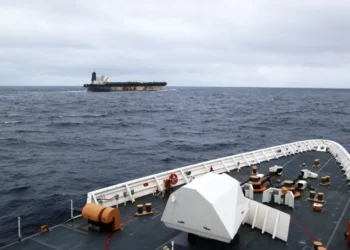 UK Forces Ready to Seize Russian Shadow Fleet Vessels
 “An Endurance Test for the Mind”: British Couple Sentenced to 10 Years in Tehran
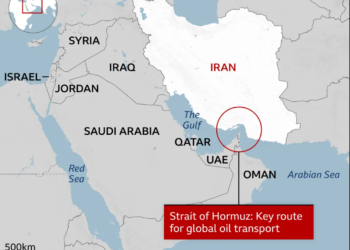 “The Pivot to Pakistan”: Trump Pauses ‘Project Freedom’ in Hormuz Amid Iran Deal Hopes
 “The Local Gavel”: Polls Open Across Hampshire and Isle of Wight in Delayed ‘Milestone’ Vote
 US Awaits Iran Reply on New Ceasefire Proposal
 Pope Meets Families in Italy Toxic Waste Zone
 Israel, Lebanon Agree on Fragile Ceasefire Deal
 UK Faces Most Dangerous Era, Military Chief Warns
 Israel Strikes Iran After Missile Attack