Published: 1 July 2026
The English Chronicle Desk
The English Chronicle Online
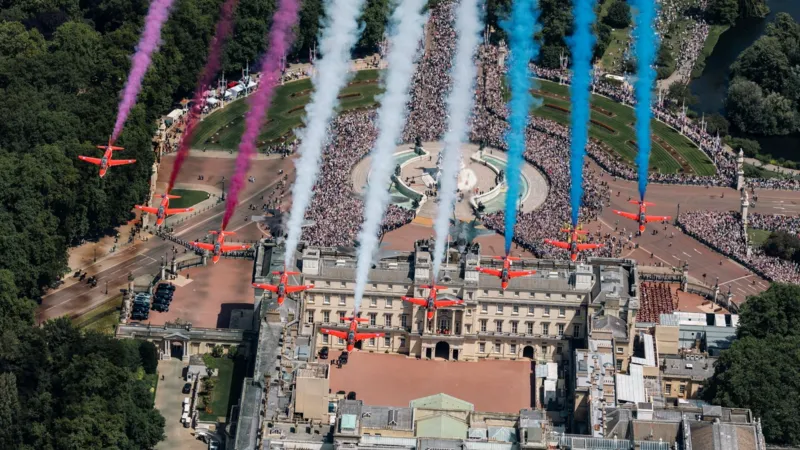
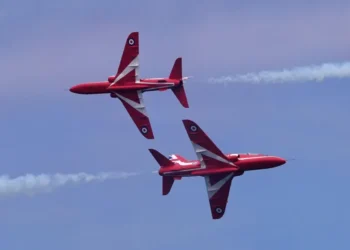
The Royal Air Force’s world-famous Red Arrows display team could soon enter a new chapter in its history as plans progress to replace the ageing Hawk aircraft that have served as the team’s signature jets for decades.
The move comes amid growing concerns about the long-term sustainability of the Hawk fleet, which has been a cornerstone of RAF pilot training and aerobatic displays for more than 40 years. Defence officials are examining options for a successor aircraft capable of maintaining the Red Arrows’ reputation as one of the world’s premier military display teams while meeting modern operational and training requirements.
For aviation enthusiasts, the Red Arrows are among Britain’s most recognisable national symbols. Their distinctive red-painted aircraft and precision flying displays attract millions of spectators every year at air shows, public events and international exhibitions.

Since their formation in 1964, the team has become a powerful ambassador for British aviation and the armed forces, performing in dozens of countries and showcasing RAF professionalism on the global stage.
The Hawk T1 aircraft currently flown by the team first entered service in the 1970s. Although the aircraft has proven remarkably reliable and versatile, advancing age has inevitably created challenges.
Maintaining older fleets often becomes increasingly expensive as spare parts become harder to source and engineering requirements grow more complex. Defence planners must therefore balance heritage and tradition against practical considerations relating to safety, reliability and cost.
Military aviation experts say replacing the Hawk has been under discussion for several years.
While the aircraft remains highly respected, modern training and display requirements have evolved significantly since its introduction. Newer aircraft offer improved fuel efficiency, updated avionics, enhanced safety systems and reduced maintenance demands.
These factors are becoming increasingly important as defence budgets face competing pressures.
Supporters of a replacement argue that a modern aircraft would secure the future of the Red Arrows for decades to come.
They believe new technology could improve operational efficiency while preserving the precision and spectacle that audiences expect.
At the same time, officials are conscious that any successor must be capable of performing the complex aerobatic manoeuvres that have become synonymous with the team.
Choosing a replacement is therefore likely to involve careful evaluation of several factors.
Aircraft performance, operating costs, maintenance requirements, pilot training compatibility and long-term availability will all influence the final decision.
Defence analysts suggest that officials may favour an aircraft already used within RAF training programmes, helping simplify logistics and reduce costs.
The Red Arrows play a role extending far beyond entertainment.
The team is frequently used to support defence diplomacy, international engagement and recruitment initiatives.
Displays provide opportunities to promote British aerospace expertise while inspiring future generations of pilots, engineers and aviation professionals.
Military leaders have repeatedly highlighted the value of the team’s global profile.
Air shows often attract large international audiences, creating opportunities to strengthen relationships with allies and demonstrate Britain’s technological capabilities.
As a result, ensuring the long-term future of the Red Arrows is viewed as strategically important as well as culturally significant.
The prospect of replacing the Hawk has inevitably generated nostalgia among aviation enthusiasts.
Many regard the aircraft as an icon of British aerospace engineering.
Developed in the United Kingdom, the Hawk became one of the most successful jet trainers ever produced and was exported to numerous countries around the world.
Its association with the Red Arrows has further enhanced its status within aviation history.
Former pilots have often praised the aircraft for its handling characteristics and suitability for precision aerobatics.
The Hawk’s performance has enabled generations of Red Arrows pilots to perform complex formations that require extraordinary levels of skill and coordination.
For many spectators, the aircraft has become inseparable from the identity of the team itself.
Nevertheless, aviation experts note that every military aircraft eventually reaches the point where replacement becomes necessary.
The challenge is managing the transition while preserving operational effectiveness and public confidence.
Historical examples show that successful display teams can adapt to new aircraft while maintaining their traditions and appeal.
The transition process would likely involve extensive planning.
Pilots would require training on the new platform, engineering teams would need to develop maintenance expertise and display routines might require modification to reflect different aircraft capabilities.
Such changes could take several years to implement fully.
Industry observers also point to potential economic benefits.
A replacement programme could support jobs within the aerospace sector while creating opportunities for British defence and technology companies.
The aviation industry remains a major contributor to the UK economy, and high-profile projects often attract significant public interest.
Public reaction to the prospect of new Red Arrows jets has been mixed.
Many supporters welcome investment in the future of the team and recognise the practical realities associated with operating ageing aircraft.

Others hope any replacement will preserve the distinctive characteristics that have made the Red Arrows famous around the world.
Defence officials have stressed that no final decisions have been announced and that detailed assessments remain ongoing.
However, the direction of travel appears increasingly clear.
As the Hawk fleet grows older, preparations for a successor are becoming more urgent.
For the Red Arrows, the arrival of a new aircraft would represent one of the most significant developments in the team’s modern history.
While change may be inevitable, supporters will hope that the qualities which have defined the display team for generations—precision, professionalism and spectacle—remain unchanged.
If the transition is managed successfully, the next generation of Red Arrows jets could continue inspiring audiences for decades to come, ensuring one of Britain’s most celebrated aviation institutions remains firmly at the forefront of military aerobatics.
Related News:
 On Board an RAF Voyager as Britain and US Prepare for War with China
 Meloni’s Army Appears Strong – Until You Look Closer
 Starmer Weighs Fast-Tracking Defence Boost
 Macron Rebuked in Franco-German Defence Row
 Facing a Demographic Catastrophe, Ukraine Is Paying for Troops to Freeze Their Sperm
 Ukraine-Russia War Latest: Kyiv’s Forces Make Huge Gains Ahead of Geneva Peace Talks
 Reeves Blocking Spending Boost for Defence
 Japan Braces as Takaichi Begins New Term with Huge Mandate for Low‑Tax, Ultra‑Conservative Agenda
 US Build-Up of Warships and Fighter Jets Tracked Near Iran
 Musk Cuts Starlink Access for Russian Forces – Giving Ukraine an Edge at the Front
 Prince William Pays Tribute to Army Medic Found Dead in Barracks
 Trump’s Iran airstrikes decision to be guided by Kushner and Witkoff’s advice
 RAF Responding to Suspected Drone Strike at UK Cyprus Base
 UK Will Allow US to Use Bases to Strike Iranian Missile Sites, PM Says
 Cooper: Joining US Strikes on Iran ‘Not in Britain’s Interest’
 Trump’s Iran Endgame Unclear After Mixed Messaging on War Aims
 France to Boost Nuclear Arsenal, Extend Deterrence to Allies
 The US Now Has the Medicine for Cheap Swarming Drone Attacks
 Minister Visits Leonardo After £1bn Deal Secured
 Minister Meets Crews Who Will ‘Take Out’ Iranian Drones
 UK Prepares Aircraft Carrier for Middle East Crisis
 UK–US Tensions Ease as Starmer and Trump Hold First Call Since Iran Row
 Labour Faces Backlash Over Conscription Warning
 Ukraine’s Anti-Drone Bullet Could Shield Gulf Skies
 North Korea Fires Missiles Amid US-South Korea Drills
 Russia Drone Attack Intensifies Ukraine War Pressure
 China’s Secret Mountain Ruins Rise Again in New Cold War
 ‘Patriots, Carry On’: Hegseth Overrules Army to Reinstate Pilots After Kid Rock Flyover
 ‘Blue Helmets’ in the Crossfire: Initial Probe Points to Roadside Bomb in Killing of UN Peacekeepers
 Pentagon Purge: Hegseth Ousts Army Chief Amid Iran War
 The Iron Curtain Falls: Iran’s Steel Giants Forced Offline by US-Israeli Airstrikes
 The Moving Goalpost: Trump Shifts Iran War Deadlines Amid “Epic Fury” Success Claims
 Regional Escalation: Drone Strike Hits Kuwait’s Al-Zour Refinery Amid Trump’s “Stone Age” Ultimatum
 ‘The frontline is like Terminator’: Ukraine’s fighting robots
 Is Britain Ready? Experts Warn of ‘Bizarre’ Military Delay
 MoD Has Lost Track of Veteran Recall List, Says Adviser
 RAF Typhoons scrambled amid Russian drone threat near Nato
 USS Gerald R Ford Ends Record Naval Deployment
 The “Keyham Blast”: 500kg WWII Bomb Disarmed in Plymouth’s Biggest Post-War Evacuation
 The “Palace Green” Plot: Small Boat Migrant Guilty of Terror Attempt on Israeli Embassy
 Trump orders US troop pullout from Germany
 Ukraine strikes Tuapse as oil disaster worsens
 Trump likens US Navy actions to ‘pirates’
 Fog of War: US Rejects Iranian Claims of Missile Strike on Navy Frigate
 “Asymmetric Operations”: Iran Warns US “We Are Just Getting Started” as Project Freedom Escalates
 “Consolidation in Crisis”: Gen Assimi Goïta Assumes Defence Ministry After Coordinated Attacks Kill Predecessor
 “The Pivot to Pakistan”: Trump Pauses ‘Project Freedom’ in Hormuz Amid Iran Deal Hopes
 “The Strait Scramble”: Inside Trump’s ‘Project Freedom’ and the Hormuz Naval Escort
 “The New Silk Road”: India and Vietnam Forge Strategic Maritime Alliance to Counter Regional Volatility
 “The Anchors Up”: Hull’s Affiliated Frigate HMS Iron Duke ‘Quietly Withdrawn’ From Service
 “The Spoils of Conflict”: Global Giants Raking in Billions from the Iran War ‘Windfall’
 “The High Stakes of Havoc”: Inside the Corporate Machinery Raking in Billions from the Iran War
 “The Pacifist Wall”: 50,000 Protesters Rock Tokyo as PM Takaichi Pushes ‘Milestone’ Defense Overhaul
 Putin Declares Russia Victory at Scaled Victory Day Parade
 “The Great Enlistment”: Why Canada is Seeing its Biggest Military Surge in 30 Years
 Zelenskyy warns over Oreshnik threat as Kyiv hit
 Discontent grows around Putin amid war strain
 UK Faces Most Dangerous Era, Military Chief Warns
 Royal Navy Mourns Devastating Helicopter Loss
 UK Faces Pressure Over Red Arrows Future
 MPs Warn Defence Plan Delays Are Undermining UK Credibility
 MPs Say Defence Strategy Delays Risk Damaging Britain’s Reputation
 Rise of Military AI Sparks Questions Over Future Use of Humanoid Robots in Combat
 Israel-Iran Escalation May Strengthen Tehran’s Position in Future Negotiations
 Myanmar Rebels Face Growing Pressure as Military Expands Forced Recruitment Drive
 US Launches Strikes on Iran After Military Helicopter Downed Near Strait of Hormuz
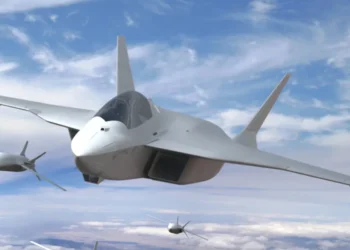 Collapse of Franco-German Fighter Jet Project Raises Questions Over Europe’s Defence Future
 Thousands March in Pakistan-Administered Kashmir as Clashes Leave at Least 15 Dead
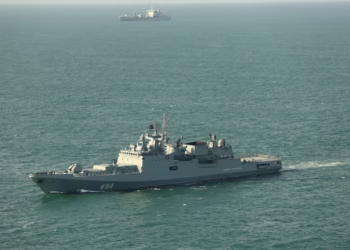 Russian Frigate Fires Warning Shots Near British Yacht
 Starmer Faces Fierce Backlash From Senior Defence Figures
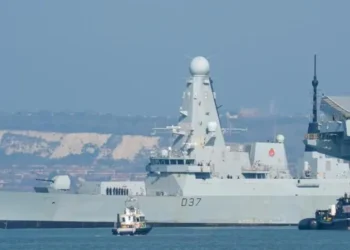 Royal Navy to Prioritise Drone-Equipped Warships Over Direct Destroyer Replacements
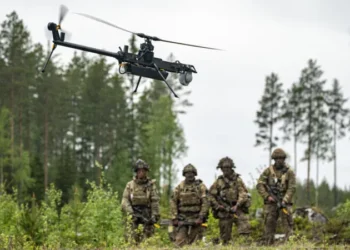 Why Starmer’s Defence Plan Leaves the Next Prime Minister with a £4.7bn Headache