Published: 1 July 2026
The English Chronicle Desk
The English Chronicle Online
Prime Minister Sir Keir Starmer’s ambitious plans to increase defence spending have been welcomed by military leaders and many security experts, but economists and political analysts warn that the strategy could leave the next government facing a significant financial challenge.
At the centre of the debate is an estimated £4.7 billion funding gap that critics say may emerge in future years unless additional revenue is identified or spending cuts are made elsewhere. While the government’s commitment to strengthening Britain’s armed forces has received broad support amid growing global instability, questions remain about how the long-term costs will be financed.

The issue highlights the difficult balance governments face between maintaining national security and managing public finances.
Over the past several years, defence spending has risen up the political agenda. Conflicts in Europe, instability in the Middle East, cyber threats and growing international tensions have prompted many Western governments to increase military investment.
Britain has positioned itself as a leading supporter of NATO and has repeatedly pledged to strengthen its defence capabilities.
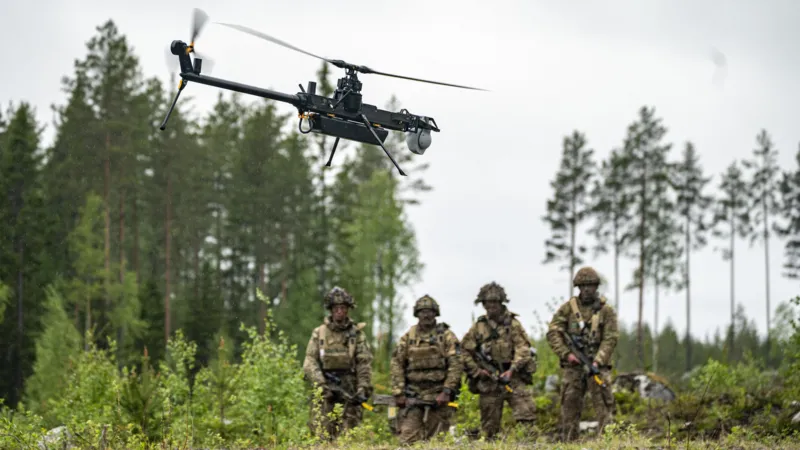
Under Starmer’s plans, billions of pounds are expected to be directed toward military modernisation, equipment upgrades, advanced technologies and improvements in operational readiness.
Supporters argue that such investment is essential if the UK is to meet future security challenges.
However, funding these commitments presents a complex financial problem.
Government budgets are already under pressure from rising healthcare costs, ageing populations, infrastructure demands and economic uncertainty.
As a result, every major spending increase raises questions about where the money will come from.
Financial analysts note that while governments can commit to future spending targets, the practical challenge often lies in identifying sustainable sources of funding.
In this case, concerns centre on whether projected savings and economic growth will be sufficient to cover the long-term costs of defence expansion.
Some experts believe the current plan postpones difficult decisions rather than fully resolving them.
The £4.7 billion figure frequently cited by critics reflects estimates of future funding requirements that may not yet be fully accounted for within existing fiscal plans.
While exact calculations vary, the broader concern remains the same: future governments could inherit spending commitments that exceed available resources.
This creates what economists sometimes describe as a “fiscal cliff edge,” where difficult choices become unavoidable.
The next prime minister could therefore face pressure to raise taxes, increase borrowing, reduce spending elsewhere or revise defence ambitions.
Each option carries political and economic consequences.
Tax increases can be unpopular with voters and businesses.
Additional borrowing may increase national debt and place pressure on future budgets.
Spending cuts can provoke opposition from affected departments and public service providers.
Reducing defence commitments, meanwhile, could raise concerns about national security and international credibility.
Political opponents have argued that the government should provide greater clarity regarding how future defence spending will be financed.
They contend that announcing ambitious targets without fully explaining the funding mechanism risks creating uncertainty.
Supporters of the government reject that criticism.
They argue that long-term defence planning inevitably involves projections and that future economic conditions may improve the fiscal outlook.
Ministers have suggested that efficiency savings, economic growth and careful budget management can help bridge financial gaps over time.
Defence specialists generally agree that investment cannot be postponed indefinitely.
Many military systems require replacement or modernisation, while emerging threats demand new capabilities.
Cybersecurity, artificial intelligence, drone technology and advanced intelligence systems are increasingly viewed as critical components of modern defence strategy.
Armed forces leaders have repeatedly warned that underinvestment can create vulnerabilities that become more expensive to address later.
From that perspective, increased spending may be viewed as a necessary preventative measure rather than an optional expense.
Nevertheless, the debate is unlikely to disappear.
Public finance experts emphasise that defence spending does not exist in isolation.
Every pound allocated to military programmes is a pound that cannot be spent elsewhere unless government revenues increase.
This reality ensures that discussions about defence are also discussions about broader national priorities.
Healthcare providers, local authorities, education groups and transport organisations all compete for limited public resources.
As a result, future governments will face difficult decisions about how those resources should be distributed.
The issue also reflects wider changes in international politics.
For much of the post-Cold War period, many Western nations enjoyed what economists called a “peace dividend,” allowing governments to reduce defence spending and redirect resources elsewhere.
That era now appears increasingly distant.
Rising geopolitical tensions have prompted a reassessment of security priorities across Europe and beyond.
Countries that once viewed defence as a secondary concern are now committing substantial resources to military preparedness.
The UK is part of that broader trend.
Economic commentators suggest the ultimate success of Starmer’s defence strategy will depend on whether increased spending delivers measurable improvements in capability and readiness.
If the investment strengthens security and supports economic activity through defence manufacturing and technological innovation, supporters may argue that the costs are justified.
If financial pressures intensify, however, future governments could face difficult trade-offs.
For the next prime minister, the challenge may not be whether defence deserves investment but how to pay for it while maintaining other public services and preserving fiscal stability.

That is why the projected £4.7 billion gap has become such a prominent talking point.
It represents more than a budgetary calculation—it symbolises the broader dilemma facing modern governments: how to fund growing security needs without overburdening taxpayers or undermining other priorities.
As political debate continues, the question remains unresolved.
What is clear is that decisions made today could have significant consequences for future administrations, leaving whoever occupies Downing Street next to navigate one of the most complex financial balancing acts in modern British politics.
Related News:
 Starmer Weighs Fast-Tracking Defence Boost
 Macron Rebuked in Franco-German Defence Row
 Reeves Blocking Spending Boost for Defence
 Japan Braces as Takaichi Begins New Term with Huge Mandate for Low‑Tax, Ultra‑Conservative Agenda
 Musk Cuts Starlink Access for Russian Forces – Giving Ukraine an Edge at the Front
 Trump’s Iran airstrikes decision to be guided by Kushner and Witkoff’s advice
 UK Will Allow US to Use Bases to Strike Iranian Missile Sites, PM Says
 Cooper: Joining US Strikes on Iran ‘Not in Britain’s Interest’
 Trump’s Iran Endgame Unclear After Mixed Messaging on War Aims
 Minister Visits Leonardo After £1bn Deal Secured
 Minister Meets Crews Who Will ‘Take Out’ Iranian Drones
 UK Prepares Aircraft Carrier for Middle East Crisis
 UK–US Tensions Ease as Starmer and Trump Hold First Call Since Iran Row
 Labour Faces Backlash Over Conscription Warning
 Pentagon Purge: Hegseth Ousts Army Chief Amid Iran War
 The Moving Goalpost: Trump Shifts Iran War Deadlines Amid “Epic Fury” Success Claims
 Is Britain Ready? Experts Warn of ‘Bizarre’ Military Delay
 MoD Has Lost Track of Veteran Recall List, Says Adviser
 RAF Typhoons scrambled amid Russian drone threat near Nato
 USS Gerald R Ford Ends Record Naval Deployment
 The “Morrisons Sting”: 21-Year-Old Neo-Nazi Convicted of Planning Mass Shooting
 Trump orders US troop pullout from Germany
 Trump likens US Navy actions to ‘pirates’
 Fog of War: US Rejects Iranian Claims of Missile Strike on Navy Frigate
 “Consolidation in Crisis”: Gen Assimi Goïta Assumes Defence Ministry After Coordinated Attacks Kill Predecessor
 “The Pivot to Pakistan”: Trump Pauses ‘Project Freedom’ in Hormuz Amid Iran Deal Hopes
 “The Strait Scramble”: Inside Trump’s ‘Project Freedom’ and the Hormuz Naval Escort
 “The New Silk Road”: India and Vietnam Forge Strategic Maritime Alliance to Counter Regional Volatility
 Putin Declares Russia Victory at Scaled Victory Day Parade
 Zelenskyy warns over Oreshnik threat as Kyiv hit
 Discontent grows around Putin amid war strain
 UK Faces Most Dangerous Era, Military Chief Warns
 Royal Navy Mourns Devastating Helicopter Loss
 UK Faces Pressure Over Red Arrows Future
 MPs Warn Defence Plan Delays Are Undermining UK Credibility
 MPs Say Defence Strategy Delays Risk Damaging Britain’s Reputation
 US President Says “Final Peace Negotiations” Under Way Despite Fresh Cross-Border Attacks
 Royal Navy to Prioritise Drone-Equipped Warships Over Direct Destroyer Replacements
 UK Must Act with Courage and Clarity on Israel-Palestine Conflict, Says Foreign Affairs Committee Report
 The Fight for Trans Safety Is a Fight for Everyone’s Safety — MPs Must Debate This Crucial Issue
 Rylan Clark Criticizes UK Immigration Policies on This Morning, Sparking Public Debate
 Tanni Grey-Thompson Faces Abuse Over Opposition to Assisted Dying Bill
 Nigel Farage Unveils Controversial Immigration and Welfare Plans at Reform UK Press Conference
 Yvette Cooper Signals Global Momentum Towards Gaza Peace Deal Amid Humanitarian Crisis
 UK border officers deployed to Balkans to tackle migrant smuggling
 UK MPs warn of repeat riots over online misinformation
 Russia’s Latest Push to Win US Favors Shows Deep Desperation
 Trump’s UK Ambassador Urges North Sea Drilling to Strengthen US Ties
BBC to Apologise Over Edited Trump Speech Amid Backlash
Trump’s UK Ambassador Urges North Sea Drilling to Strengthen US Ties
BBC to Apologise Over Edited Trump Speech Amid Backlash
 Millionaires group urge Reeves to introduce wealth tax to ‘lift kids out of poverty’
 Reeves rejects £1bn plea for NHS redundancy payouts
 PM Condemns Leaks, Vows Loyalty to Ministers and Stability
 Greene Pushes Epstein Files Amid Trump Fallout
 Shadow Fleet at Sea: Europe’s Battle Against Illicit Oil Shipping
 Australia’s Opposition Coalition Reunites After Rift
 ‘Trump Will Be Gone in Three Years,’ Top Democrats Tell Europe
 Could Manchester Lead the UK’s Economic Revival?
 Australian Families Leave Syrian Camp for Home
 Civil Service Pay: Union Urges Ministers to End ‘Barking Mad’ Limits
 Ukraine Negotiator Reveals What It Feels Like Facing Russia
 Russian Trade Routed Through British Islands Exposed
 American Citizen Killed in Cuba Boat Shooting, U.S. Officials Say
 Iran’s Regime Still Intact — Coming Days Will Test Its Survival
 Finland Plans to Lift Decades‑Old Ban on Hosting Nuclear Weapons
 Thousands Protest Iran Strikes Outside US Embassy London
 UK Oil and Gas Supplies Reassured Amid Middle East Concerns
 Trump Pressures Congress Over Save America Act
 Iran War Puts Trump at Political Risk Amid Rising Prices
 After Mugabe: Family Feuds and Legal Battles
 Queensland Protest Laws Spark Free Speech Backlash
 The Fog of War and the Ticker Tape: Suspicious Trades Rile Washington
 The “Dry” Life: Teens Trialing Social Media Bans Call Initial Disconnection “Boring” and “Dry”
 “An Endurance Test for the Mind”: British Couple Sentenced to 10 Years in Tehran
 “The Local Gavel”: Polls Open Across Hampshire and Isle of Wight in Delayed ‘Milestone’ Vote
 US Awaits Iran Reply on New Ceasefire Proposal
 Tony Abbott Returns as New Liberal Party President
 Secret Role of UK Security Services in Troubles Amnesty Law
 Israel, Lebanon Agree on Fragile Ceasefire Deal
 Israel Strikes Iran After Missile Attack
 US Launches Strikes on Iran After Military Helicopter Downed Near Strait of Hormuz