
Published: 06 July 2026. The English Chronicle Desk. The English Chronicle Online.
A major Scottish AI development project is facing intense scrutiny today. This ambitious datacentre hub was billed as a landmark driver for prosperity. It promised substantial new job opportunities alongside rapid economic growth for the region. However, a detailed investigation reveals that its core energy plans falter. The project claimed it would operate entirely on dedicated on-site renewable power. That promise now appears to have no realistic prospect of actual success.
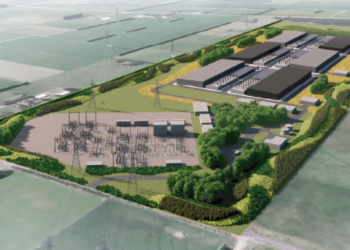
When the project was first announced in January, the government offered support. It touted an eight billion pound complex built in rural Lanarkshire region. The facility is a collaboration between US firm CoreWeave and company DataVita. Officials stated that the site would be fully operational by the year 2030. They claimed the facility would be powered entirely by local renewable energy sources. This setup was meant to represent a vital part of national strategy.
Britain is currently racing to build the infrastructure needed for artificial intelligence. The government views these large datacentre complexes as essential for future success. A central plank of this project was its ability to power itself. However, documents obtained through freedom of information requests tell a different story. Analysis of these public records suggests the datacentre cannot meet its goals. Internal correspondence shows the government and developers were aware of major issues.
They publicly promised that the site would have vast new energy infrastructure. Privately, they acknowledged serious concerns regarding power provision for the large facility. They admitted that the proposed on-site generation simply would not happen soon. When questioned, the government stated that the complex would connect to the grid. This means it must either wait in a long, years-long queue. Alternatively, it must be expedited ahead of hundreds of other waiting projects.
A government spokesperson said the energy needs would still be met using renewables. These findings raise critical doubts over the UK’s ability to build massive infrastructure. The global AI industry requires extraordinary amounts of energy to remain truly viable. This project now highlights the massive difficulty in meeting those energy demands. AI datacentres are effectively massive buildings filled with thousands of specialized chips.
These chips perform the complex calculations that underpin modern artificial intelligence models. Tech companies are currently investing hundreds of billions of dollars into these sites. There is a firm belief that AI will fundamentally transform our global economy. Investors hope that these centres will pay for themselves once operational. The question of whether AI is a boom or bubble is significant. It now rests on huge infrastructure projects like this one in Scotland.
These new details are not the first signal of problems in Britain. In March, reports suggested many high-profile projects were actually just phantom investments. The government failed to audit billions of pounds in supposed job creation claims. Power is a particularly fraught issue in the UK right now. Electricity costs are currently higher in Britain than anywhere else in Europe. There is a long queue for new developments to connect to the grid.
This massive delay hangs over houses and hospitals as well as digital datacentres. Britain is not the only place where political ambitions ignore infrastructure costs. Experts suggest that governments are making promises that ignore basic physical realities. Instead of governing for their communities, they often choose the flashy AI narrative. One consultant noted that there is not enough scrutiny on these significant projects. Many designs behind these schemes appear to be at best merely indicative.
DataVita, the main developer, claims it will power the site with renewables. They promised enough wind and solar energy to supply many thousands of homes. The firm suggests these energy parks are already in place and active. However, there is no evidence that DataVita has such private infrastructure. Currently, the company operates two smaller datacentres that draw grid power. DataVita did not respond to inquiries about currently installed renewable energy assets.
There is also little evidence that DataVita will have this energy soon. Most importantly, the company does not possess the necessary land for development. Analysis based on figures from local charities suggests a huge shortfall. Stated plans for renewable energy would require vast areas of open land. Their current planning applications cover only a tiny fraction of that land. DataVita has not provided a clear path to achieve its stated goals.
The firm claims its energy commitments are subject to various commercial agreements. Their parent company, HfD Group, has posted conceptual plans for wind turbines. These plans do not appear to have entered the formal planning process. Even if approved, they would only provide a fraction of required power. Critics argue that a wave of similar applications is coming to Scotland. They maintain that these plans are consistently found to be wanting.
This shortfall is not just a problem for one specific company project. Lanarkshire is a centrepiece of the UK government’s stated AI ambition strategy. It is one of five sites designated to receive broad state support. On paper, these zones must meet a strict set of realistic requirements. The most important rule is having a path to power themselves independently. The government asked applicants to show they had an allotted grid connection.
The Guardian established that this site did not have the required connection. Internal documents suggest that the government knew of these issues all along. Despite this, they chose to designate the site as a growth zone anyway. In February, the first minister of Scotland addressed a letter to developers. He acknowledged that power provision remains a key issue for the project. He promised to secure grid connections to help the development proceed forward.
Other internal communications show officials discussed using gas to power the site. DataVita denies that any fossil fuel generation would be used to power it. Critics say this indicates the designation was based on optimistic promotional material. The government now appears willing to loosen its own established, strict criteria. This helps them meet arbitrary political timescales they set for themselves early on.
The government continues to express strong support for this massive development project. A spokesperson stated that the site is on track for historic growth. They believe AI is critical to the future prosperity of the nation. The government says it is determined to create conditions for long-term investment. They claim this site will be the first to see hardware rolled out. Whether they can truly deliver on these massive promises remains to be seen.
Related News:
 BP’s Influence Sparks Controversy in UK STEM Education
 Big Tech Lobbies EU to Hide Massive Datacentre Emissions
 Britain deploys RAF specialists to assist Belgium with drone threats
 Night after night, Belgium is on high alert.
 Ukraine to Get 100 French Rafale Jets in Historic Deal
 Water firms may avoid fines under UK water reform plan
MPs warn AI financial risks threaten UK stability
Water firms may avoid fines under UK water reform plan
MPs warn AI financial risks threaten UK stability
 MPs warn AI financial risks threaten UK stability
 No Gas Boiler Ban as UK Warm Homes Plan Backs Heat Pumps
 Reform UK Taps Boris Ally to Shape Party Nature Agenda
 Starmer Targets AI Chatbots Over Child Safety Concerns
 AI Climate Claims Face Greenwashing Backlash
 AI FOMO Warning as Osborne Urges Action
 Treasury AI plans spark influence concerns
 Germany Faces Backlash Over Scrapped Renewable Heating Mandate
 Scotland’s Climate Plans Face Scrutiny Over ‘Science Fiction’ Targets
 Ocean Warming Drives Massive Marine Life Loss, Study Warns
 UK Social Media Ban for Under-16s Gains Momentum
 UK Teen Social Media Ban Trials Begin
 Ministers Urged to Act Faster on Deepfakes Threat
 MPs Reject Ban on Social Media for Under-16s
 Net Zero Cheaper Than One Fossil Fuel Crisis, UK Told
 Musk’s xAI Permit Sparks Fury Over Power Plant Expansion
 ‘Drinking from a Fetid Pond’: Superbug Genes in Lough Neagh
 Iran Social Media Strategy Shifts to Information War
 Cluster Strikes Test Israel’s Missile Defences
 House of Lords Backs Landmark Social Media Ban for Youth
 Lords Back New Age Ban for Children on Social Media
 Trump to Deploy “God Squad” Over Gulf Wildlife Protections
 OpenAI Halts Stargate UK Project Amid Energy Crisis
 Canadian astronaut French words ease language row
 Reform UK funding: mystery billionaire revealed
 RAF Typhoons scrambled amid Russian drone threat near Nato
 Capitalism ‘Suicidal’, Warns Petro at Climate Summit
 Record May Heat to Cold Front in Eastern Australia
 Starmer’s Top Aide Held 16 Private Meetings With Tech Giants
 Doomsday Clock Nears Midnight Amid Global Crises
 FDA Chaos Deepens as Trump Eyes Makary Exit
 Charities Demand Labour Deliver Urgent New Clean Air Act
 AI Turf War Erupts at the Prestigious Chelsea Flower Show
 UK Ministers Lobby Trump Over Under-16s Social Media Ban
 Cambridge Recreates Historic 336-Year-Old Garden
 Green Lawsuits Surge as AI Expansion Strains Planet
 Trump’s Library Visit Sparks Fierce Environmental Outcry
 Trump Faces Backlash Over $2bn Earnings Since Return
 US Courts Back Trump on Park Signage Removals
 Deadly H5 Bird Flu Reaches Australia’s East Coast
 OpenAI Proposes 5% Equity Stake to US Government
 Concerns Rise Over New Zealand’s AI Datacentre Plans
 Reeves Launches City AI Skills Compact
 Meta Under Fire: The Battle Over Addictive Social Media Design
 Three-Quarters of England’s Riverbanks Still Off Limits
 Sundar Pichai Cautions on AI Hype and Market Risks
 Shadow Fleet at Sea: Europe’s Battle Against Illicit Oil Shipping
 Starmer Says Labour’s Economic Plan Needs Years to Deliver
 ‘Extinct’ Antelope Returns to Sahara, Bringing Hope
 Australia grants Asio powers to designate hate groups under new laws
 Judi Dench Champions Fight to Save London’s Green Spaces
 ABC Facebook Page Briefly Hacked, Adult Photos Posted
 Artificial intelligence will cost jobs, admits Liz Kendall
 Meta trial over child exploitation claims begins
 UK and US Drop in Global Corruption Index Rankings
 Canberra Poster Seizure Sparks Free Speech Row
 Wales Approves Assisted Dying Bill Consent
 Stewart Brand on Musk, Bezos and a Life of Long Thinking
 Jacinda Ardern Move Sparks Kiwi Reflection
 Asylum Seekers to Work After Year-Long Wait
 New Zealand Covid Response Praised Despite Lingering Scars
 Injured Mojtaba Khamenei Elevated as Iran Leader
 The Kill Line: A Shifting Vision of the American Dream
 Inquiry into HMRC child benefit errors launched by NAO
 Wes Streeting faces narrow road to Labour members’ favour
 Keir Starmer Struggles to Secure His Grip on Downing Street
 Farage Faces Standards Probe Over Cash Property Purchase
 Makerfield Voters Demand Real Change as Election Looms
 Trump’s Red-Card Intervention Hurts the US World Cup
 Britain’s Mini Fan Craze Sparks Major Waste Crisis
 Trump Swaps Planes Amid Iran Tensions
 Ann Widdecombe, Formidable Political Figure, Dies at 78
 Houthis Strike Saudi Arabia as Middle East Tensions Rise