Published: 14 July 2026. The English Chronicle Desk. The English Chronicle Online.
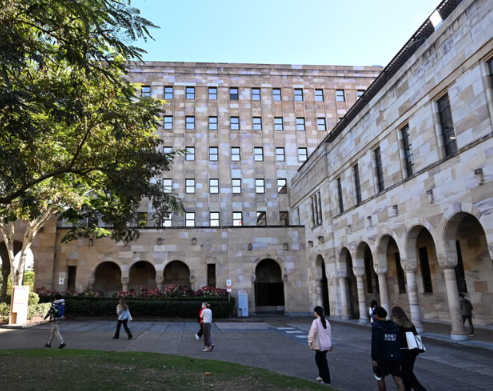
A prominent Jewish professor recently testified before a royal commission regarding antisemitism. He detailed a distressing incident where protesters forcefully occupied his private office space. Professor Steven Prawer of the University of Melbourne shared his harrowing experience with the inquiry. He explained that he genuinely feared for his life during the sudden student protest action. On October 9th last year, twenty individuals entered his room while wearing masks and hoods. The group members were covered in traditional keffiyehs to conceal their own physical identities. Prawer noted that he did not know if this was a protest or terror.
The tense event lasted for roughly ninety minutes as the group voiced strong concerns. They were specifically demonstrating against the university’s ongoing academic partnerships with the Hebrew University. Prawer is the academic lead for these specific joint programs between the two institutions. He is a self-described Zionist who also wears a kippah during his daily professional activities. He told the commission that he was extremely perturbed by the sudden, aggressive, and dark encounter. The timing was significant because it occurred just one year after the attacks in Israel.
The professor argued that the allegations against the university regarding genocide were entirely quite ridiculous. He described the incident as a highly personal attack against him and his academic work. He noted that fifty students on a lawn do not pose an imminent physical threat. However, twenty people inside a small, enclosed office space created a very different, dangerous equation. The university’s then vice-chancellor, Duncan Maskell, issued a public statement expressing he was shocked. The institution initially disciplined the students involved, recommending expulsion and suspension for the leading participants.
However, the situation changed dramatically when the academic board overturned those initial disciplinary decisions. A petition signed by many university employees claimed that sit-ins were legitimate protest methods. Prawer remains deeply concerned because he still does not know the identities of the participants. He even hired a private investigator because he feared potential links to groups like Hamas. He believes that for his own safety, he should know who these people actually are. He argued that the university community needs to hear that it does not tolerate misbehaviour.
The university has since banned all indoor protest activities following this specific office occupation. The current royal commission is busy examining the lived experiences of Jewish students and academics. It is also looking at how major universities respond to various forms of hate speech. A university spokesperson described Prawer’s testimony as powerful and acknowledged the significant impact caused. The institution stated it is providing ongoing support to the professor during this difficult period. They emphasized his right to pursue research without being subjected to constant harassment or intimidation.
The interim vice-chancellor is scheduled to appear before the commission to provide further formal testimony. The Tuesday hearings also featured other witnesses discussing the fear surrounding various university campuses. Many Jewish students have expressed a deep reluctance to attend classes following recent global tensions. One former student from Monash University spoke about her own deteriorating mental health recently. Paris Enten described how she became clinically traumatised toward the end of her academic degree. She identified as a Zionist and felt targeted during a study tour in Europe.
She witnessed classmates claiming that Jewish people were not the main victims of the Holocaust. Some students even filmed insensitive dances in the carparks of the Auschwitz concentration camp memorial site. The president of the Australasian Union of Jewish Students also shared his own troubling campus experiences. Jeremy Suss told the commissioner that he is frequently consoling undergraduates who feel intense apprehension. Students arrive on campus feeling scared because of antisemitic incidents reported in the mainstream media.
Suss mentioned that he has a productive relationship with the university administration in many areas. However, he also emphasized that he is not immune to hostility while on the grounds. He recalled a specific event held for the Jewish holiday of Sukkot last year. After the event, four individuals approached him and began aggressively interrogating him regarding his faith. They discussed very violent topics including the idea of killing or exiling Israel’s entire population. He found this interaction to be incredibly confronting and had to change his safety protocols.
He now ensures that his members are no longer packing up their event gear alone. He lamented that it is a constant, exhausting task to support students through these experiences. Universities have not dealt with these antisemitic incidents in a productive or even meaningful way. Many students report waiting for months to hear back about formal complaints they have filed. Sometimes their serious concerns are outwardly dismissed, or they simply never receive any reply at all.
Another academic, Professor Dennis Altman, spoke about the broader climate regarding these heated campus debates. He criticised the tendency of universities to simply shut down difficult discussions on the Middle East. He believes the best way forward is to build bridges between the Jewish and Palestinian communities. Altman noted that he is actually more fearful of neo-Nazis than the current pro-Palestine protesters. He argued that the biggest problem is that universities have failed to encourage any respectful debate.
The current tendency has unfortunately been to shut down these discussions rather than manage them. He warned that this approach promotes conspiratorial stories and deep resentment among the student body. He stated that the country needs a mutual recognition that all involved groups are currently hurting. Social cohesion demands that these groups move beyond their own narrow focus and reach across. Only through genuine human connection can the academic community hope to heal these deep, lasting divisions. The inquiry continues to collect evidence as it searches for solutions to these complex problems.
Related News:
 ‘Extinct’ Antelope Returns to Sahara, Bringing Hope
 Norfolk Coastal Graves at Risk as Erosion Deepens Family Anguish
 Eden Project Founder Celebrates 25 Years of Nature’s Hope
 Avocado Crisis: The Hidden Violence Behind Exports
 Smaller farms funding prioritised in England nature plans
 Storm Goretti leaves Cornwall homes without power
 BP’s Influence Sparks Controversy in UK STEM Education
 No Gas Boiler Ban as UK Warm Homes Plan Backs Heat Pumps
 Judi Dench Champions Fight to Save London’s Green Spaces
 Half the World’s Largest Cities Face Rising Water Stress
 Record-Breaking Heat Looms Over South-East Australia as Catastrophic Fire Risk Escalates
 UK joins North Sea wind grid pact with nine European nations
 Devon hosts first high-density hydro power system
 US-Style Pickup Trucks Surge on UK Roads
 Storm Chandra floods Somerset, triggers major incident declaration
 Reform UK Taps Boris Ally to Shape Party Nature Agenda
 James Valentine Retires from ABC After Cancer Battle
 UK Pfas Action Plan Faces Criticism From Environmentalists
 Wigan Dump Crisis Sparks Health and Safety Alarm
 Norway’s Petrol Car Sales Hit Record Low Amid EV Surge
 Santos Wins Landmark Greenwashing Case in Court
 Gentoo Penguins First Birds on Australian Territory Hit by Bird Flu
 Chikungunya Spread in Europe Climbs as Climate Warms
 Deer Shooting England: New Plan to Protect Woods
 Illegal Waste Dumping: New Drone Unit Launched
 Scotland’s Emissions Plans Face Criticism for Over-Reliance on Technology
 Germany Faces Backlash Over Scrapped Renewable Heating Mandate
 Group Expands Legal Claim Over South West Water Pollution
 Scotland’s Climate Plans Face Scrutiny Over ‘Science Fiction’ Targets
 Greenpeace $345m Ruling Sparks Appeal Battle
 Wood burner legal threats spark council row
 Net Zero Cheaper Than One Fossil Fuel Crisis, UK Told
 London Considers New SUV Charges to Improve Road Safety
 MPs Slam Agency Over Failing Fight Against Waste Dumping
 Middle East Deluge: Freak Storms Bangle Desert Nations
 Evacuations Ordered as California Wildfires Spread Fast
 UK Records Earliest Spring as Nature Awakens Fast
 Tragic End to Outback Search as Floods Claim a Life
 UK Fossil Fuel Expansion Risks Global Climate Collapse
 Miles Jupp: How the Magic of the Ashes Sparked a Bold Blag
 RSPB Urges Summer Bird Feeder Removal to Curb Disease
 The Toxic Scent Destroying Life in a Lancashire Town
 Fuel Prices Drop Despite Geelong Refinery Blaze
 Big Tech Lobbies EU to Hide Massive Datacentre Emissions
 Celestial Magic: The Lyrid Meteor Shower Returns
 Nature Watchdog Accused of Halting Vital Site Protections
 Fury in Cornwall over herbicide plan to tackle weeds
 Governments Fail Murray-Darling River Projects
 Renewable Energy as a Strategic Shield for UK Security
 Escobar’s Hippos May Be Moved to India Zoo
 Capitalism ‘Suicidal’, Warns Petro at Climate Summit
 UK Firm Faces Backlash Over US Oil Advertising Deals
 Record May Heat to Cold Front in Eastern Australia
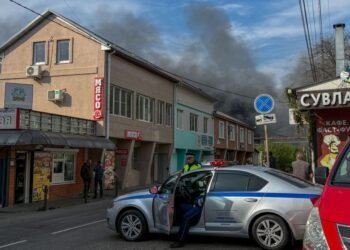 Ukraine strikes Tuapse as oil disaster worsens
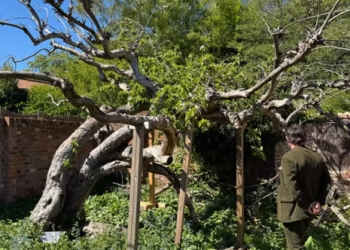 The Campaign To Save Britain’s Original Bramley Apple Tree
 EU Deal May Force UK Ban on Cancer-Linked Weedkiller
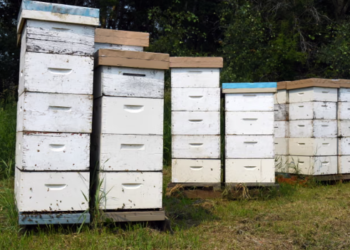 Stolen Hives: The Great Australian Bee Heist
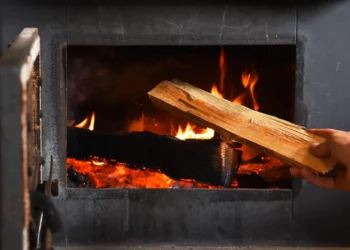 Charities Demand Labour Deliver Urgent New Clean Air Act
 UN Faces Crucial Vote on Landmark ICJ Climate Ruling
 Man killed in shark attack on Great Barrier Reef
 Hope for mountain bongos returns to Kenya
 Saving Our Lost Rainforests: The Battle for Dartmoor
 Painted Lady Invasion: Millions of Orange Butterflies Head to UK
 Whitehall Steps In: The Battle Over Thames Water Deepens
 Cambridge Recreates Historic 336-Year-Old Garden
 Australia Investigates Suspected Mainland H5N1 Case
 Green Lawsuits Surge as AI Expansion Strains Planet
 UK Launches Massive Campaign To Save Precious Water Supply
 US Courts Back Trump on Park Signage Removals
 Deadly H5 Bird Flu Reaches Australia’s East Coast
 Southern Europe Reels as Wildfires Force Mass Evacuations
 UK Heatwaves Ignite Crisis of Sleep and Public Safety
 China Storms Claim Fifteen Lives in Tragic Surge
 Britain’s Mini Fan Craze Sparks Major Waste Crisis
 Global Climate Progress: Europe Leads as US Lags Behind
 Colombia’s Fight Over Fossil Fuels
 The Carbon Capture Con: Wasted Billions for Taxpayers
 Europe Scorched as Record Heatwaves Grip the Continent
 US Chemical Accidents Rise as Protections Are Rolled Back
 New Debt Limits Proposed for England’s Water Sector