Published: 08 July 2026. The English Chronicle Desk. The English Chronicle Online.
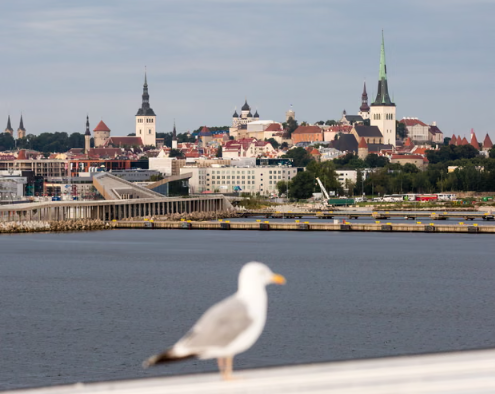
The global community has recently achieved encouraging strides in addressing toxic challenges. Communities across the world now experience less water and air pollution than before. However, a widespread lack of progress remains regarding the urgent climate crisis today. This concerning reality emerges from the latest edition of an influential environmental scorecard. The biennial index from Yale University again ranks Estonia as the leader. This small nation performed best out of one hundred seventy-seven assessed countries. Its recent efforts reduced greenhouse gas emissions while protecting its fragile ecosystems. Luxembourg occupies the second position on this prestigious global environmental list. The United Kingdom follows in third, having climbed from fifth in 2024. European nations dominate the top twenty spots in this comprehensive new index. Japan stands alone as the only non-European country in that elite group. Australia holds the twenty-fifth position, two spots ahead of the United States. Laos currently remains the lowest-ranked nation on this important international assessment. India and Bangladesh round out the bottom three of this global performance list.
The environmental performance index evaluates countries based on forty-seven distinct sustainability indicators. Researchers assess success in reducing dangerous air toxins and various water-borne pollutants. The report also measures the sustainability of forests, fisheries, and vital agricultural farmlands. It specifically notes actions taken to reduce pesticides and various planet-heating greenhouse gases. Overall, the scorecard highlights long-term progress in reducing many serious environmental hazards. Unsafe drinking water and pollution causing acid rain have seen notable global improvements. Yet, the world continues to move slowly in its response to climate change. Very few countries remain on track to meet their promised net zero commitments. Recent deadly heatwaves in Europe and the United States underline this crisis.
Daniel Esty, an expert at Yale, notes that air pollution receives attention. Significant progress occurred because citizens demand healthy drinking water and breathable clean air. Governments recognize the quick public payback associated with these visible and immediate changes. There is progress on some issues but not enough on the climate crisis. Temperatures approaching forty degrees Celsius help sharpen the necessary political policy response. The rapidly heating world will soon breach internationally agreed global temperature thresholds. Scientists warn that this escalation will increase heatwaves, severe storms, and droughts. A new global temperature record seems certain within the next four years. A developing El Niño climatic event will likely push temperatures even higher.
Despite this worsening situation, several prominent countries have scaled back their efforts. The United States faces criticism for failing to combat this warming trend effectively. The Yale index uses data up to 2024 to determine its current rankings. It finds that American emissions are falling far too slowly to reach targets. Science dictates that net zero is required by 2050 to avoid climate breakdown. China currently remains the world’s largest carbon emitter ahead of the United States. The report acknowledges huge progress in developing China’s massive clean energy sector. However, the nation still derives fifty-six percent of electricity from dirty coal. China also performs relatively poorly on marine conservation and vital biodiversity stewardship.
In the United Kingdom, the report cites measures for biodiversity and pollution. Reductions in greenhouse gases represent clear areas of positive environmental progress today. However, the report cautions that the country’s ranking is relative, not absolute. The nation still falls short of where it needs to be globally. Significant losses of tree cover and excessive fertiliser use remain persistent problem areas. Europe has stepped out in front and pursues climate change with vigor. Countries are finally receiving the payback for decades of work on issues. The laggards in the United States and China seem to be falling behind. Both nations hold back global efforts to achieve the agreed climate targets.
China has climbed to the one hundred twenty-ninth position in recent rankings. It previously sat near the bottom due to dangerous urban air pollution. The government removed many coal-fired power plants that caused such intense problems. The Yale index marks India down for its significant tree cover loss. Pesticide pollution risks and poor ocean conservation also lowered the country’s score. Experts describe India’s performance as shockingly bad for a rising economic leader. The environmental index often reads as a table of the wealthiest countries. Poorer nations struggle to invest in sanitation or expensive new clean energy. Another problem involves rich western countries offshoring manufacturing and waste to others. This action shifts their pollution burden overseas and out of their immediate sight.
There are low-cost options to cut emissions that many countries have adopted. Scaling up renewables like solar and wind has become increasingly affordable globally. However, it becomes harder as countries reach the final, necessary emissions reductions. Achieving a net zero profile by 2050 remains a difficult, complex task. Areas such as international air travel still rely heavily on fossil fuels. There are also notable differences between various wealthy nations in the rankings. The United States generally lags behind other rich countries in environmental performance. Europe performs relatively badly on agricultural sustainability despite some individual national successes. The United Kingdom has done a good job of repurposing farm subsidies.
The large volume of work for this scorecard is ultimately quite worthwhile. It helps prod countries to do better than their immediate regional neighbors. Leaders from Denmark, Turkey, Oman, and Congo have sought expert guidance. They spoke to Yale researchers regarding how they can improve their national scores. This leaderboard is productive in spurring competitive efforts among many world leaders. Even hardline autocrats have requested guidance to improve their environmental standing today. The path to sustainability requires consistent, global, and highly transparent policy efforts. Every nation must contribute to the goal of a cooler, cleaner planet. The evidence provided by this index offers a path forward for all. Success depends on the political will to enact these necessary, difficult changes. Future generations rely on the actions taken by leaders in this decade.
Related News:
 ‘Extinct’ Antelope Returns to Sahara, Bringing Hope
 Norfolk Coastal Graves at Risk as Erosion Deepens Family Anguish
 Eden Project Founder Celebrates 25 Years of Nature’s Hope
 Winter plant bloom signals climate breakdown in UK
 Avocado Crisis: The Hidden Violence Behind Exports
 Smaller farms funding prioritised in England nature plans
 Storm Goretti leaves Cornwall homes without power
 BP’s Influence Sparks Controversy in UK STEM Education
 Polycrisis Anxiety Leaves Many Feeling Trapped in the Present
 No Gas Boiler Ban as UK Warm Homes Plan Backs Heat Pumps
 Judi Dench Champions Fight to Save London’s Green Spaces
 Half the World’s Largest Cities Face Rising Water Stress
 Record-Breaking Heat Looms Over South-East Australia as Catastrophic Fire Risk Escalates
 UK joins North Sea wind grid pact with nine European nations
 Devon hosts first high-density hydro power system
 US-Style Pickup Trucks Surge on UK Roads
 Storm Chandra floods Somerset, triggers major incident declaration
 Reform UK Taps Boris Ally to Shape Party Nature Agenda
 James Valentine Retires from ABC After Cancer Battle
 UK Pfas Action Plan Faces Criticism From Environmentalists
 Wigan Dump Crisis Sparks Health and Safety Alarm
 Norway’s Petrol Car Sales Hit Record Low Amid EV Surge
 Santos Wins Landmark Greenwashing Case in Court
 Gentoo Penguins First Birds on Australian Territory Hit by Bird Flu
 Chikungunya Spread in Europe Climbs as Climate Warms
 Deer Shooting England: New Plan to Protect Woods
 Illegal Waste Dumping: New Drone Unit Launched
 Scotland’s Emissions Plans Face Criticism for Over-Reliance on Technology
 Germany Faces Backlash Over Scrapped Renewable Heating Mandate
 Group Expands Legal Claim Over South West Water Pollution
 Scotland’s Climate Plans Face Scrutiny Over ‘Science Fiction’ Targets
 Greenpeace $345m Ruling Sparks Appeal Battle
 Wood burner legal threats spark council row
 Net Zero Cheaper Than One Fossil Fuel Crisis, UK Told
 London Considers New SUV Charges to Improve Road Safety
 MPs Slam Agency Over Failing Fight Against Waste Dumping
 Middle East Deluge: Freak Storms Bangle Desert Nations
 Evacuations Ordered as California Wildfires Spread Fast
 UK Records Earliest Spring as Nature Awakens Fast
 Tragic End to Outback Search as Floods Claim a Life
 UK Fossil Fuel Expansion Risks Global Climate Collapse
 Miles Jupp: How the Magic of the Ashes Sparked a Bold Blag
 RSPB Urges Summer Bird Feeder Removal to Curb Disease
 The Toxic Scent Destroying Life in a Lancashire Town
 Britain Facing Sharp Decline in Rare Butterfly Species
 Fuel Prices Drop Despite Geelong Refinery Blaze
 Big Tech Lobbies EU to Hide Massive Datacentre Emissions
 Medellín’s Green Revolution: A Global Climate Blueprint
 Celestial Magic: The Lyrid Meteor Shower Returns
 Nature Watchdog Accused of Halting Vital Site Protections
 Fury in Cornwall over herbicide plan to tackle weeds
 Governments Fail Murray-Darling River Projects
 Renewable Energy as a Strategic Shield for UK Security
 Escobar’s Hippos May Be Moved to India Zoo
 Capitalism ‘Suicidal’, Warns Petro at Climate Summit
 UK Firm Faces Backlash Over US Oil Advertising Deals
 Record May Heat to Cold Front in Eastern Australia
 Ukraine strikes Tuapse as oil disaster worsens
 The Campaign To Save Britain’s Original Bramley Apple Tree
 EU Deal May Force UK Ban on Cancer-Linked Weedkiller
 Stolen Hives: The Great Australian Bee Heist
 Charities Demand Labour Deliver Urgent New Clean Air Act
 UN Faces Crucial Vote on Landmark ICJ Climate Ruling
 Man killed in shark attack on Great Barrier Reef
 Hope for mountain bongos returns to Kenya
 Saving Our Lost Rainforests: The Battle for Dartmoor
 Outcry Over Kushner’s Albanian Resort
 Painted Lady Invasion: Millions of Orange Butterflies Head to UK
 Whitehall Steps In: The Battle Over Thames Water Deepens
 Cambridge Recreates Historic 336-Year-Old Garden
 Australia Investigates Suspected Mainland H5N1 Case
 Green Lawsuits Surge as AI Expansion Strains Planet
 UK Launches Massive Campaign To Save Precious Water Supply
 US Courts Back Trump on Park Signage Removals
 Deadly H5 Bird Flu Reaches Australia’s East Coast
 Lanarkshire AI Hub Fails Energy Promises
 Southern Europe Reels as Wildfires Force Mass Evacuations
 UK Heatwaves Ignite Crisis of Sleep and Public Safety
 China Storms Claim Fifteen Lives in Tragic Surge
 Britain’s Mini Fan Craze Sparks Major Waste Crisis