Published: 17 July 2026 | The English Chronicle Desk | The English Chronicle Online
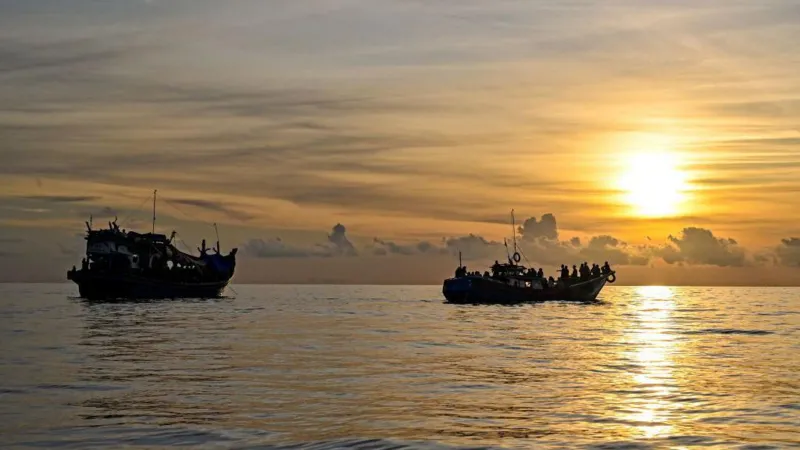
More than 500 Rohingya refugees are feared to have disappeared at sea in one of the deadliest maritime tragedies involving the persecuted minority group in recent years.
The disappearance has renewed attention on the dangerous journeys undertaken by thousands of Rohingya people fleeing persecution, poverty and uncertainty in search of safety.
Families are waiting for answers, while humanitarian organisations warn that the tragedy highlights the continuing risks faced by refugees travelling through some of the world’s most dangerous migration routes.
The Rohingya, a predominantly Muslim ethnic minority from Myanmar’s Rakhine State, have faced decades of discrimination and persecution.
Many were forced to flee Myanmar following a military crackdown in 2017, which led to hundreds of thousands crossing into neighbouring Bangladesh.

Today, more than one million Rohingya refugees live in overcrowded camps in Bangladesh, particularly in the Cox’s Bazar region.
With limited opportunities, restricted movement and uncertain futures, some refugees attempt dangerous sea journeys to countries where they hope to find better living conditions.
Reports indicate that hundreds of Rohingya people disappeared after travelling by sea on overcrowded vessels.
Many of those believed missing were attempting to reach countries in Southeast Asia, including Malaysia and Indonesia, where Rohingya communities already exist.
The journeys often involve small boats that are not designed for long distances.
Passengers frequently face shortages of food and water, dangerous weather conditions and the risk of exploitation by human traffickers.
Families of those missing have been left searching for information, unsure whether their loved ones survived.
Human trafficking networks are a major factor behind these dangerous journeys.
Smugglers often promise refugees safe passage and better opportunities abroad, charging large sums of money for transportation.
However, many survivors describe horrific conditions during these voyages.
Passengers are sometimes packed into vessels far beyond their capacity, with little access to basic necessities.
Some boats are abandoned by traffickers once they encounter difficulties, leaving passengers stranded at sea.
Human rights organisations have repeatedly called for stronger action against trafficking networks operating across regional migration routes.
For many Rohingya refugees, the decision to board a dangerous boat is driven by desperation.
Life in refugee camps can be extremely difficult, with limited access to education, employment and long-term security.
Many refugees fear they may spend decades in camps without a permanent solution.
Some are willing to risk their lives at sea because they believe the possibility of a safer future is worth the danger.
Humanitarian groups say the disappearances demonstrate the urgent need for improved protection and legal pathways for refugees.
Countries across Southeast Asia have faced challenges managing Rohingya arrivals by sea.
Governments have often struggled to balance humanitarian responsibilities with concerns about resources, security and migration pressures.
Some countries have provided temporary assistance to refugees rescued at sea, while others have been criticised for turning boats away.
International organisations have urged governments to cooperate more closely and ensure that people in distress receive protection.
Bangladesh has hosted one of the world’s largest refugee populations for years.
The country has provided shelter and humanitarian assistance to Rohingya refugees, but officials have repeatedly said the situation cannot be a permanent solution.
Bangladesh continues to call for the safe and voluntary return of Rohingya refugees to Myanmar when conditions allow.
However, ongoing instability in Myanmar has made repatriation efforts extremely difficult.
The latest disappearance is part of a wider pattern of Rohingya migration tragedies.
For years, refugees have attempted dangerous journeys across the Bay of Bengal and the Andaman Sea.
Many boats have disappeared without a trace, while others have been rescued after drifting for days.
The risks increase during certain periods of the year when weather conditions become more dangerous.
Human rights organisations describe these incidents as preventable tragedies caused by a lack of safe alternatives.
Behind the numbers are thousands of personal stories.
Families have lost parents, children, siblings and friends while searching for a better life.
For relatives waiting in refugee camps, uncertainty can be one of the most painful experiences.
Without confirmed information, many families are left unable to mourn or move forward.
Humanitarian workers say the psychological impact of such disappearances can affect entire communities.
Aid agencies and refugee organisations have called for greater international support for Rohingya refugees.
They argue that countries must address the conditions forcing people to risk their lives and strengthen efforts to prevent exploitation by traffickers.
Possible solutions include improving refugee rights, increasing humanitarian assistance and creating safer migration options.
Experts say long-term stability will require addressing the root causes of displacement, including discrimination and conflict in Myanmar.
The future of the Rohingya remains closely linked to developments inside Myanmar.
Although many Rohingya refugees hope to return home, they have repeatedly raised concerns about safety, citizenship rights and protection.
Myanmar’s political instability has further complicated efforts to find a lasting solution.
International pressure has continued for accountability and a peaceful resolution to the crisis.
The disappearance of more than 500 Rohingya people at sea has once again highlighted the dangers faced by one of the world’s most vulnerable communities.

Their journey reflects a wider global refugee crisis in which people often make life-threatening choices because they see no safe alternatives.
As families continue searching for answers, humanitarian organisations are calling for urgent action to prevent future tragedies.
The loss of hundreds of lives at sea is not only a migration issue but a reminder of the human consequences of persecution, conflict and the absence of safe pathways to protection.
Related News:
 UK Must Act with Courage and Clarity on Israel-Palestine Conflict, Says Foreign Affairs Committee Report
 Yvette Cooper Signals Global Momentum Towards Gaza Peace Deal Amid Humanitarian Crisis
 Chaos at Ibrox as Martin’s Rangers Era Comes to an End
 Trump Claims Modi Has Agreed to Halt Russian Oil Imports Amid Heightened US Pressure
 Russia’s Latest Push to Win US Favors Shows Deep Desperation
 BBC to Apologise Over Edited Trump Speech Amid Backlash
 Greene Pushes Epstein Files Amid Trump Fallout
 Zelenskyy Signs Fighter Jet Deal Amid Russian Drone Attacks
 Shadow Fleet at Sea: Europe’s Battle Against Illicit Oil Shipping
 US Suspends Afghan Immigration After White House Shooting
 ‘Extinct’ Antelope Returns to Sahara, Bringing Hope
 Sydney Shark Attack Surge Shocks Australia Beaches
 Portugal Election Delivers Socialist Win as Far Right Surges
 Australian Families Leave Syrian Camp for Home
 ‘I Would Scream in My Sleep’: Alawite Women from Syria Tell of Kidnap and Rape
 Epstein Eyed Record Label Investment to Access Women, Files Suggest
 How Do You Modernise Mango Farming? India’s Growers Urged to Innovate as Climate Change Hits
 Ukraine Negotiator Reveals What It Feels Like Facing Russia
 Drugs, Denial, Stigma: Fiji’s HIV Crisis Hits Children
 Hilary Knight speaks out on Trump’s recent hockey remarks
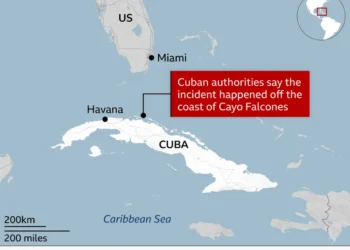 American Citizen Killed in Cuba Boat Shooting, U.S. Officials Say
 Iran’s Regime Still Intact — Coming Days Will Test Its Survival
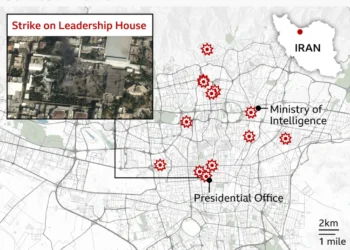 In Maps: Strikes Across Iran and the Middle East
 The Third Day of the US‑Israeli War With Iran
 Brit ‘in Good Spirits’ Amid Dubai Missile Attacks, Stranded but Safe
 Civilian Deaths in Iran Pass 700 Amid Fear of Bombs and Regime Clampdown
 ‘Every Day Feels Like a Month’: Iranians Describe Life Under ‘Constant’ US‑Israeli Strikes
 Penny Wong silent on Australian crew in sub strike
 Finland Plans to Lift Decades‑Old Ban on Hosting Nuclear Weapons
 Trump Pressures Congress Over Save America Act
 Iran War Puts Trump at Political Risk Amid Rising Prices
 Goma Drone Attack Kills Three as Conflict Escalates
 Queensland Protest Laws Spark Free Speech Backlash
 Trump Nato threats expose Iran strategy vacuum
 Trump Facing Backlash from Epstein Survivors Over Files
 UK Forces Ready to Seize Russian Shadow Fleet Vessels
 Trump Considers Military Operation to Seize Iran’s Uranium
 “It Ends With Trial”: Judge Tosses Blake Lively’s Sexual Harassment Claims Against Justin Baldoni
 The Banbridge Rescue: 300 Sheep Saved from Massive Hay Shed Inferno
 Report Says Pezzullo Acted ‘Recklessly’ in Dealings
 Oil and Diplomacy: Russian Refineries Burn as Zelenskyy Secures Middle East Shield
 Electric Shock: Australians Buy Record Number of New EVs as Fuel Crisis Bites
 The Suffocating Silhouette: Why Metal’s Mask Trend is Turning Deadly
 The Great Chokehold: Why the Strait of Hormuz is the Epicenter of the 2026 Crisis
 Moldova River Crisis Exposes War’s Hidden Cost
 Tragedy Strikes Outside Melbourne Comic Con
 The Fog of War and the Ticker Tape: Suspicious Trades Rile Washington
 ‘A Fragile Calm’: Oil Prices Dip as Trump Extends Iran Ceasefire, But Blockade Holds Firm
 Justice and Deceit: High Court Convicts Woman in Hong Kong Blackmail Plot
 “Three-Wheeled Triumph”: Mayor of Erewash Completes 2,000-Mile European Charity Run
 Tragedy in the Red Centre: Outback Search Ends in Discovery of Missing Girl’s Body
 “An Endurance Test for the Mind”: British Couple Sentenced to 10 Years in Tehran
 US to Escort Trapped Ships Through the Strait of Hormuz
 “The Pivot to Pakistan”: Trump Pauses ‘Project Freedom’ in Hormuz Amid Iran Deal Hopes
 “The Digital Frontier”: Scotland’s Papers Grapple with AI Harassment and ‘Mortgage Bottlenecks’
 “The Local Gavel”: Polls Open Across Hampshire and Isle of Wight in Delayed ‘Milestone’ Vote
 “The Blue Light Intersection”: Seventeen-Year-Old Critically Injured in ‘Nasty’ Police Pursuit Crash
 “The Fractured Frontier”: Sir John Curtice Declares the ‘Sacred’ Two-Party Era Over After ‘Milestone’ Results
 US Awaits Iran Reply on New Ceasefire Proposal
 “The End of the Towel War?”: How Hotels are ‘Clinically’ Stopping the Sunbed Dash
 Putin Signals War End as Russian Momentum Stalls
 Australia Welcomes the Iconic Michelin Guide
 Philippine Senator Flees After Days Under Senate Siege
 High Street Crisis: Fears Grow Over Post Office Closures
 “Hold Off”: Trump Pauses ‘Scheduled’ Strike After 11th-Hour Appeal From Gulf Allies
 “Eyes in the Sky, Spikes on the Ground”: Advanced Satellite Imagery and AI Algorithms Deployed Across Britain to Save the Vanishing Hedgehog
 “A Historic Tumble”: Lost 1930s Film Reel Reveals the Untamed Origins of Gloucestershire’s Legendary Cheese-Rolling
 “The Gulls Have Won”: Inverness Council Clashes Over Strategy as Urban Gull Conflict Hits Breaking Point
 “The Critical Intervention”: Essential Steps for Identifying and Treating Heat-Related Emergencies
 “The Price Persistence”: Navigating the UK’s Evolving Cost-of-Living Landscape
 Pope Meets Families in Italy Toxic Waste Zone
 UN Issues Urgent Warning: Imminent Return of El Niño
 Israel, Lebanon Agree on Fragile Ceasefire Deal
 UK Faces Most Dangerous Era, Military Chief Warns
 Fans Bring Flags and Fire to World Cup Scenes
 Israel Strikes Iran After Missile Attack
 US Launches Strikes on Iran After Military Helicopter Downed Near Strait of Hormuz
 Air India Crash Pilot’s Father Pledges to Protect Son’s Reputation Amid Investigation
 UK Economy Suffers a Sharp Downturn as Iran Conflict Bites
 Lamine Yamal’s Birthday: Football, Fame, and France