Published: 17 July 2026 | The English Chronicle Desk | The English Chronicle Online
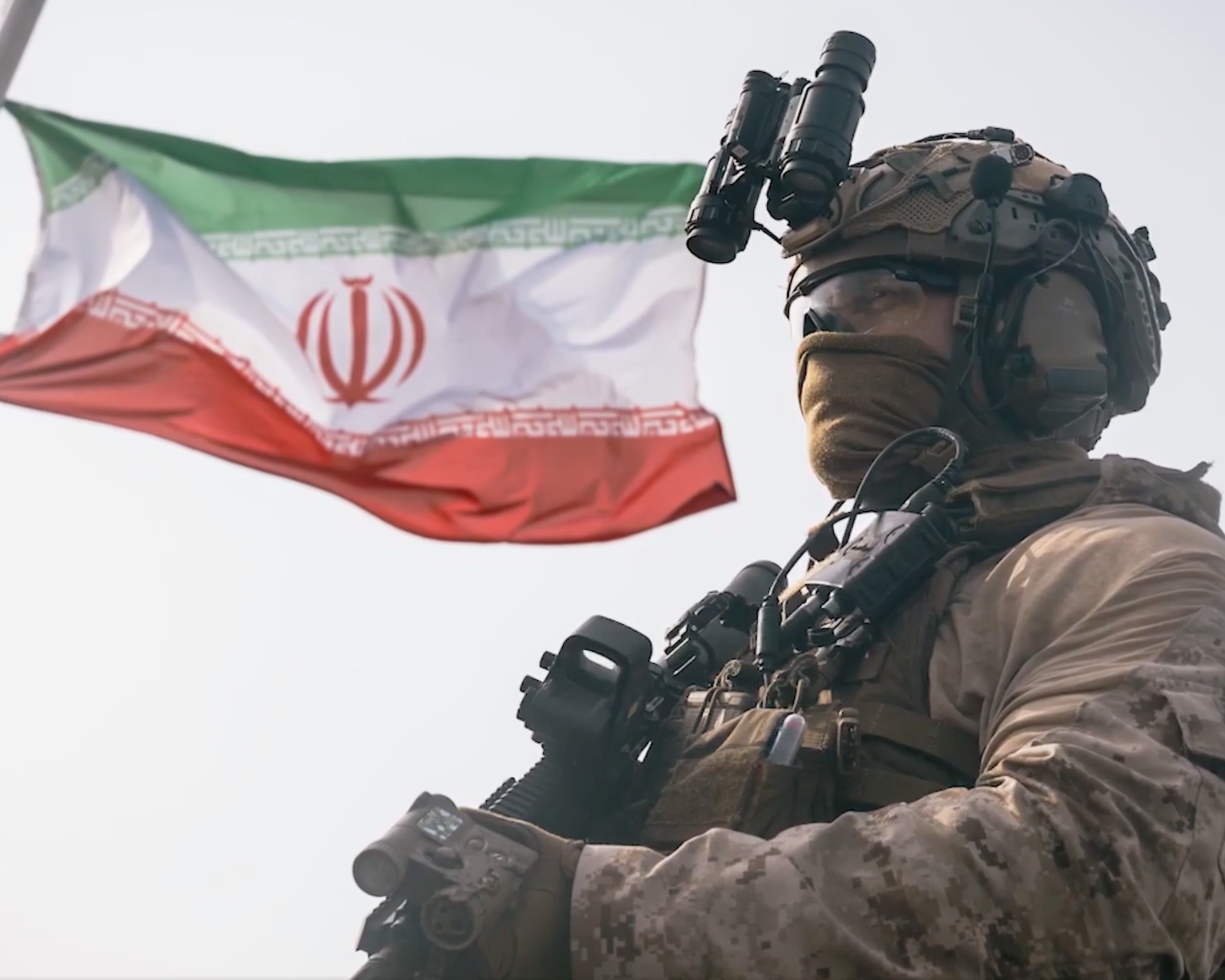
The conflict between the United States and Iran has entered another dangerous phase after reports that key transport infrastructure in Iran, including an airport and several bridges, was struck during a fresh wave of military operations. At the same time, US forces reportedly boarded a commercial vessel amid an expanding maritime blockade that has disrupted shipping across parts of the Middle East.
The latest developments have intensified fears of a broader regional conflict, with governments urging restraint while global markets closely monitor the impact on energy supplies and international trade.
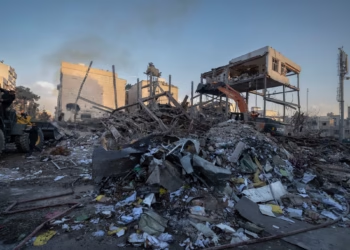
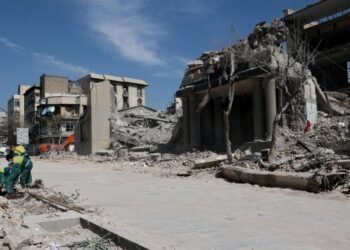
Iranian authorities said an airport and multiple bridges were damaged during overnight strikes, describing the attacks as a serious escalation of the ongoing military confrontation.
Officials claimed the damaged infrastructure plays an important role in civilian transportation and regional logistics.

The United States has not publicly confirmed the specific locations that were targeted but has maintained that its military operations are aimed at degrading Iran’s strategic capabilities and preventing further attacks against American forces and regional allies.
Military analysts say transportation hubs such as bridges, highways and airports can be considered strategically important during armed conflicts because they facilitate the movement of personnel and equipment.
Alongside the reported airstrikes, US naval personnel boarded a ship operating in waters affected by the growing regional blockade.
According to American officials, the operation was carried out as part of maritime security measures designed to enforce restrictions and inspect vessels suspected of carrying prohibited cargo.
The identity of the ship and its cargo has not been officially disclosed.
Iran criticised the operation, calling it an unlawful interference with international shipping and warning that such actions increase the risk of direct confrontation at sea.
The incident marks another chapter in the escalating contest for control of strategic maritime routes linking the Persian Gulf, the Gulf of Oman and the wider Indian Ocean.
Commercial shipping has become increasingly affected as military tensions continue to rise.
Several shipping companies have rerouted vessels away from high-risk waters or temporarily suspended operations due to security concerns.
The Middle East remains one of the world’s most important energy-exporting regions, with millions of barrels of crude oil passing through its sea lanes every day.
Any disruption to maritime traffic can have immediate consequences for global oil prices, insurance costs and international supply chains.
Industry experts have warned that prolonged instability could significantly increase transportation costs for businesses worldwide.
Iranian leaders condemned the latest military actions, accusing Washington of expanding the conflict beyond military targets.
Government officials argued that attacks affecting transport infrastructure threaten civilian life and complicate humanitarian efforts.
Tehran also reiterated that it reserves the right to respond to what it describes as violations of its sovereignty.
Iran has repeatedly warned that continued military pressure could provoke wider retaliation involving regional allies and affiliated armed groups.
The United States has defended its actions, saying military operations are intended to protect American personnel, maintain regional security and deter further attacks.
Officials have argued that any inspections or interceptions at sea are conducted within the framework of international security operations.
The Pentagon has also stressed that it seeks to minimise civilian harm while pursuing military objectives.
However, critics argue that continued escalation increases the possibility of unintended consequences and miscalculations between opposing forces.
Neighbouring countries have expressed growing concern over the expanding conflict.
Several governments have urged both Washington and Tehran to avoid actions that could trigger a wider regional war.
Diplomatic channels remain active, with international mediators attempting to encourage dialogue despite ongoing military operations.
Many regional capitals fear that continued escalation could destabilise neighbouring countries and further complicate existing security challenges.
The conflict has already begun affecting international financial markets.
Oil prices have shown increased volatility amid concerns about potential supply disruptions.
Shipping insurers have reportedly raised premiums for vessels operating in the Gulf region, increasing costs for international trade.
Economists warn that prolonged instability could contribute to higher transportation expenses, inflationary pressure and slower global economic growth.
Countries dependent on imported energy are closely monitoring developments as uncertainty continues.
Aid organisations have expressed concern about the humanitarian impact of attacks on transport infrastructure.
Damage to airports, roads and bridges can affect the movement of emergency supplies, medical equipment and humanitarian workers.
International humanitarian law requires parties to armed conflicts to distinguish between military objectives and civilian infrastructure wherever possible.
Rights organisations have urged all sides to prioritise civilian protection and allow humanitarian access where needed.
The latest escalation has prompted renewed appeals from world leaders for an immediate reduction in hostilities.
Several governments have called for diplomacy to prevent the conflict from expanding further.

The United Nations and other international organisations have continued urging both sides to respect international law and seek peaceful solutions through negotiation.
Diplomats warn that each new military exchange reduces opportunities for meaningful dialogue and increases the danger of broader regional instability.
With reports of attacks on Iranian transport infrastructure, maritime interceptions and an expanding ports blockade, tensions between the United States and Iran remain at one of their highest levels in years.
The conflict now extends beyond isolated military operations, affecting global shipping, energy markets and regional security.
While both sides continue to defend their actions, international concern is growing over the possibility that continued escalation could develop into a wider confrontation with far-reaching humanitarian and economic consequences.
For now, the Middle East remains on high alert as military activity continues alongside urgent diplomatic efforts aimed at preventing the crisis from spiralling further.
Related News:
 Months of Planning Behind US‑Israeli Mission to Target Iran’s Supreme Leader
 Cooper: Joining US Strikes on Iran ‘Not in Britain’s Interest’
 What Khamenei’s Death Means for Russia and China
 Trump’s Iran Endgame Unclear After Mixed Messaging on War Aims
 Israel Launches Fresh Strikes on Tehran & Beirut; US Warns “Hardest Hits” Ahead
 Middle East Crisis Escalates as Oil Routes Shake Markets
 “The Fragile Truce Shatters”: Israeli Airstrikes Kill 19 in Southern Lebanon as Clashes Escalate
 Hunger increasingly weaponised in global conflicts
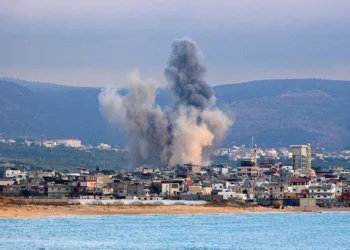 “A Fragile Ceasefire Shattered”: The Escalating Humanitarian and Security Crisis in Southern Lebanon
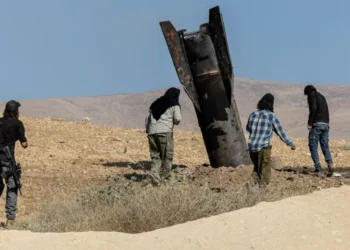 Iran and Israel Pause Strikes but Warn Retaliation Will Follow Any New Breach
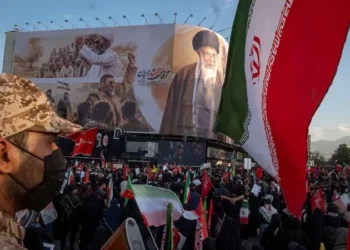 US Launches New Strikes on Iran as Trump Issues Stark Warning to Tehran
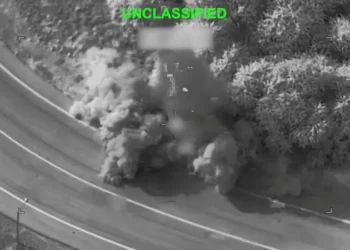 US Launches New Strikes as Iran Says Civilian Infrastructure Hit
 Iran Says ‘Guiding Principles’ Agreed With US at Nuclear Talks
 Iran’s Regime Still Intact — Coming Days Will Test Its Survival
 Allies of US in the Gulf Bear Brunt of Iran Attacks
 Hopes and Fears as US Iranians Take to Streets After Toppling of Supreme Leader
 Retaliations Continue on Day Two of US-Israel Attacks on Iran
 At Least 153 Dead After Reported Strike on School, Iran Says
 At Least 153 Dead After Reported Strike on School, Iran Says
 BBC Reports from Beit Shemesh After Deadly Iranian Missile Strike
 Iran, the US, and a World Cup That Starts in Three Months
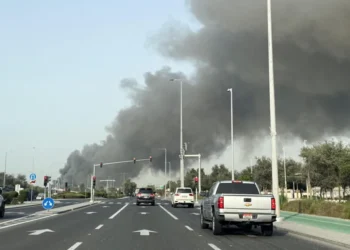 Allies of US in the Gulf Bear Brunt of Iran Attacks
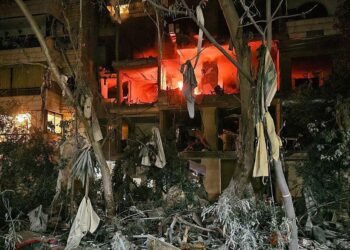 Israeli Attacks Kill 31 in Lebanon, Iran Strikes Across Region, US Warplanes Crash in Kuwait
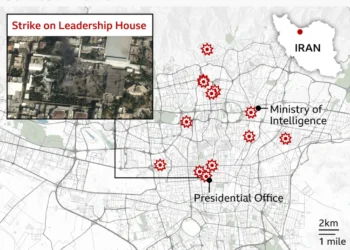 In Maps: Strikes Across Iran and the Middle East
 UK Will Allow US to Use Bases to Strike Iranian Missile Sites, PM Says
 Tehran Makes New Threat to Gulf Shipping as US Says ‘Hardest Hits’ on Iran ‘Yet to Come’
 Did Trump Declare War and Did Congress Approve Iran Attacks? What to Know
 Rubio Responds to Reported Strike on Iranian School
 The Third Day of the US‑Israeli War With Iran
 Why the US and Israel attacked Iran
 Three Days In, This War’s End Is Still Unclear
 US Has ‘Enough Weapons for Forever War,’ Trump Says
 Israel Strikes Lebanon After Hezbollah Rocket Fire as Iran Conflict Widens
 Latest on Middle East Conflict — In Maps: Strikes Across Iran and the Region
 Amazon Says Drones Damaged Three Facilities in UAE and Bahrain
 Man Recalls ‘Terrifying’ Dubai Missile Ordeal During Iran Strikes
 Israel’s New Airstrikes on Tehran & Beirut After US Embassy in Riyadh Is Hit
 Israel Launches Ground Invasion of Lebanon Amid Widening Middle East War
 Iranian Rockets Are Testing the Resolve of Dubai’s Instagram Stars
 US Embassy in Riyadh Hit by Iranian Drones as Israeli Troops Enter Southern Lebanon
 US Strikes on Iran Triggered by Israel’s Plan to Launch Attack, Rubio Says
 First Wave of Europeans Stranded by Iran Conflict Return Home, With Hundreds of Thousands Still Left in Region
 Civilian Deaths in Iran Pass 700 Amid Fear of Bombs and Regime Clampdown
 US Senate Backs Trump War Powers Amid Iran Missile Barrage
 Azerbaijan Promises Retaliation After Iranian Drone Hits Airport
 UK Prepares Aircraft Carrier for Middle East Crisis
 Ukraine war briefing: Zelenskyy offers help to Saudi Crown prince on combatting Iranian drones
 Nine Days of Strikes Reshape the Middle East
 Video Analysis Suggests US Missile Hit Base Near Iran School
 Busy International Airport Targeted by Iran in Latest Strikes
 GPS Jamming: The Invisible Battle in the Middle East
 Saudi Arabia Urging US to Keep Up Iran Attacks
 Death, displacement and military duties: children plunged into crisis
 Iran Says Intelligence Chief Killed in US-Israeli Strike as Trump Threatens ‘Hell’ Without Deal
 Ten Dead as Israeli Strikes and Internal Clashes Rock Gaza
 Netanyahu Vows Continued Lebanon Strikes Amid Peace Talks
 US and Iran Pursue Extension of Ceasefire via Pakistan
 Ukraine Urges UK to Seize Russian Oil Tankers
 Aid Crisis Grows as Hormuz War Disrupts Supply
 Global order shifts amid Trump-era turmoil
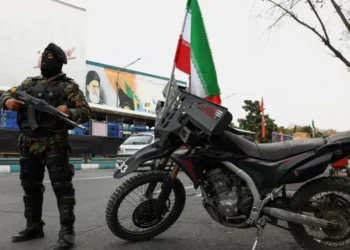 “The Silence of the Victor”: Why Iranians Fear a More Ruthless, Entrenched Regime Post-War
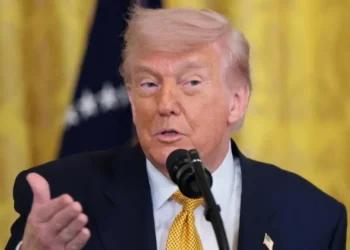 “The Pakistan Paradox”: Trump’s Peace Hopes Clouded by Blockades and ‘Red Line’ Caveats
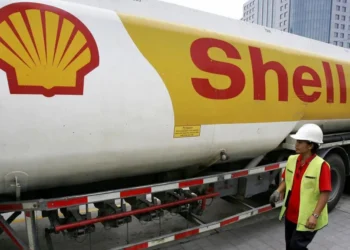 “The Trading Bonanza”: Shell Profits Soar to $6.9 Billion Amid Iran War ‘Volatility’
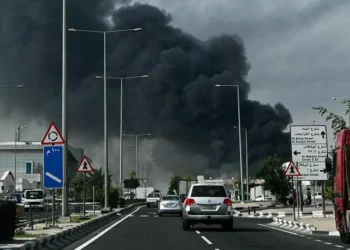 “The Mirage of Stability”: Gulf Economies Face Long-Term ‘Resilience Deficit’ from Iran Conflict
 “The Peace Dividend”: Oil Prices Plunge and Global Stocks Surge on Reports of Iran Ceasefire Deal
 Tensions Emerge in Netanyahu-Trump Alliance
 Putin Declares Russia Victory at Scaled Victory Day Parade
 “Double Trauma”: Iranian Activist Tells BBC How Fear of War Intensifies the ‘National Security’ Weight of Repression
 “Totally Unacceptable”: Trump Rejects Iran’s Peace Counter-Proposal as Ceasefire Frays
“Hold Off”: Trump Pauses ‘Scheduled’ Strike After 11th-Hour Appeal From Gulf Allies
“Totally Unacceptable”: Trump Rejects Iran’s Peace Counter-Proposal as Ceasefire Frays
“Hold Off”: Trump Pauses ‘Scheduled’ Strike After 11th-Hour Appeal From Gulf Allies
 Israeli Strikes in Lebanon Kill 10 Amid Ceasefire Strain
 Former ICC prosecutor condemns US sanctions
 European Allies Set Peace Terms for Ukraine
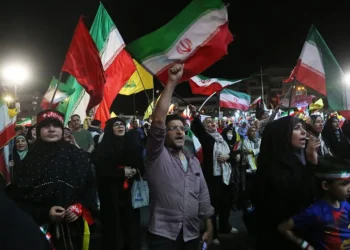 Israel-Iran Escalation May Strengthen Tehran’s Position in Future Negotiations
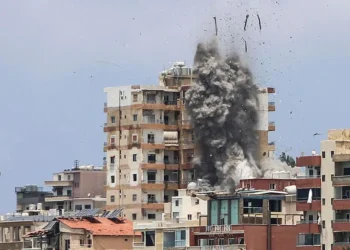 Israeli Air Strikes Hit Tyre as Regional Tensions Escalate After Iranian Warning
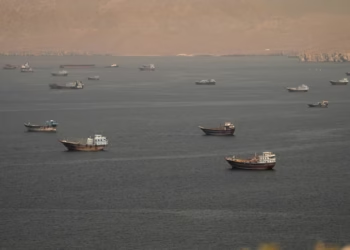 Iran To Propose New Shipping Fees In Strait Of Hormuz
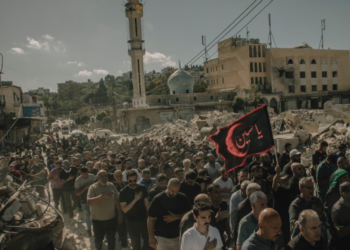 Grief and Devotion Amidst the Rubble of Nabatieh
 Lebanon Reports 18 Killed in Israeli Strikes as Israel Announces Deaths of Four Soldiers
 First Round of US-Iran Talks Ends With ‘Encouraging Progress’, Mediators Say
 Russian Troop Build-Up Raises Fears for Strategic City in Eastern Ukraine