Published: 20 July 2026 | The English Chronicle Desk | The English Chronicle Online
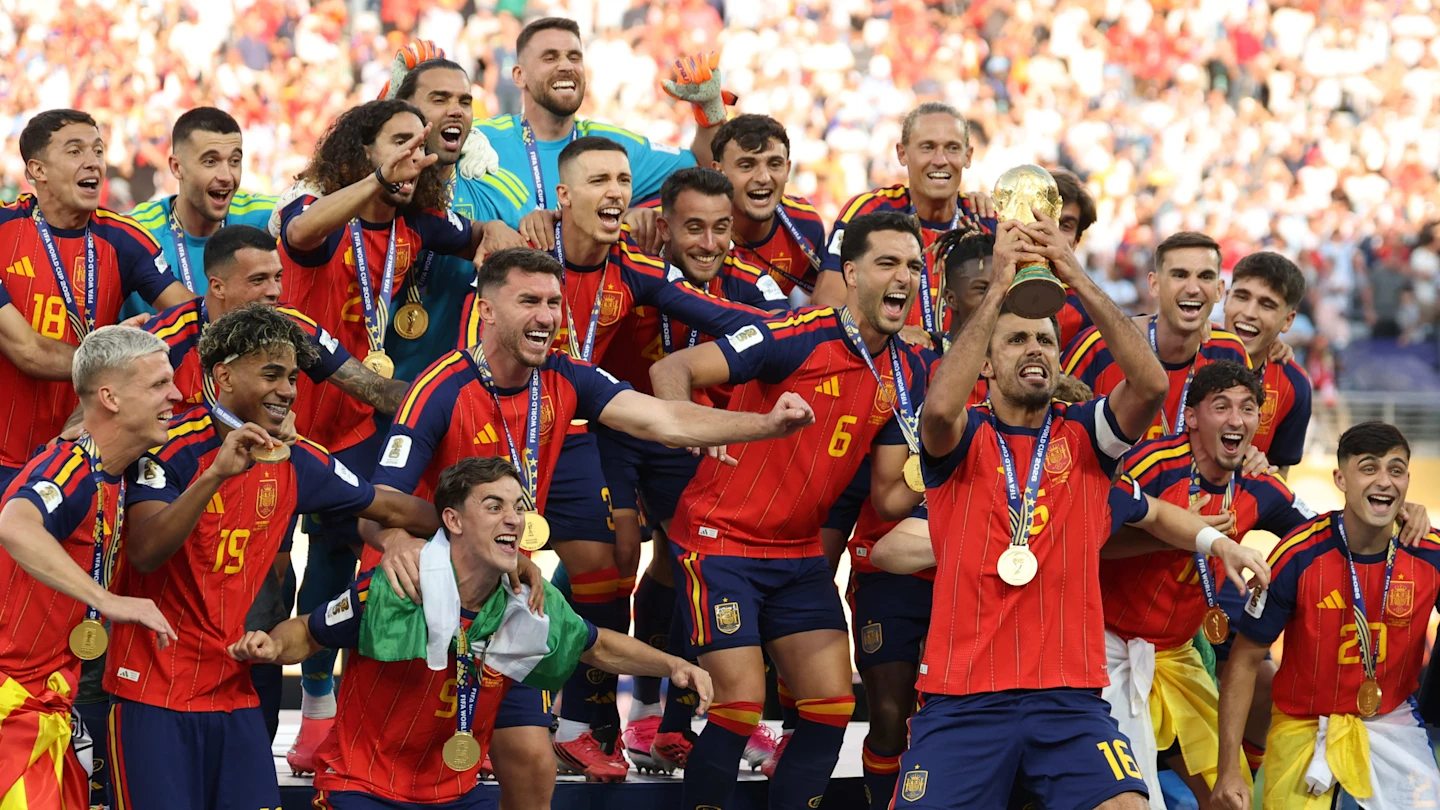
Spain were crowned FIFA World Cup champions for the second time after defeating defending champions Argentina in a thrilling final, capping a remarkable tournament with a performance that underlined their status as one of world football’s dominant forces.
The victory saw Spain reclaim football’s biggest prize for the first time since their historic triumph in South Africa in 2010, ending Argentina’s hopes of retaining the trophy and delivering another unforgettable chapter in World Cup history.
Played before a packed stadium and watched by millions around the globe, the final lived up to expectations as two of international football’s most technically gifted teams battled for supremacy.
Spain entered the tournament among the favourites after producing a series of impressive performances throughout the competition.
Their possession-based approach, tactical discipline and attacking creativity proved too much for many opponents as they advanced confidently through the knockout rounds.
The final against Argentina represented the ultimate test, with the reigning champions determined to defend the title they had won four years earlier.
Spain, however, displayed composure and maturity from the opening whistle, controlling long periods of possession while creating several dangerous scoring opportunities.

Their disciplined structure frustrated Argentina’s attempts to dictate the tempo and ultimately proved decisive.
Argentina arrived in the final carrying the hopes of millions of supporters and seeking back-to-back World Cup titles.
Having overcome difficult opponents on their route to the final, the South Americans were expected to provide Spain with their toughest challenge of the tournament.
They produced moments of quality throughout the match but struggled to consistently break down Spain’s organised defence.
Despite pushing forward in search of an equaliser during the closing stages, Argentina were unable to find the breakthrough that would have extended the contest.
The defeat marked a disappointing end to an otherwise outstanding campaign.
The World Cup final was as much a contest between tactical philosophies as individual talent.
Spain relied on patient build-up play, intelligent movement and quick passing combinations to stretch the Argentine defence.
Meanwhile, Argentina looked to exploit transitions and individual brilliance in attack.
Football analysts praised Spain’s ability to remain calm under pressure, with midfield control proving one of the defining features of the contest.
Their defensive organisation also limited Argentina’s attacking opportunities, forcing the defending champions into increasingly difficult positions.
Spain’s journey to the title featured victories over several elite football nations.
Throughout the tournament they demonstrated consistency, resilience and tactical flexibility, adapting to different styles of opposition while maintaining their commitment to attacking football.
The team combined experienced leaders with emerging young talent, creating a balanced squad capable of performing under the immense pressure of a World Cup.
Their triumph reflected months of preparation and years of investment in youth development.
The victory secured Spain’s second FIFA World Cup title, placing them among the select group of nations to have won football’s greatest prize multiple times.
Their first success came in 2010 when a generation of players transformed international football with their possession-based style.
The 2026 triumph signals the arrival of a new generation determined to continue that legacy.
Supporters celebrated the achievement as one of the nation’s greatest sporting moments.
Although Spain’s success was built on collective teamwork, several players produced standout performances throughout the tournament.
The midfield controlled matches with intelligence and composure, while the defence remained one of the competition’s strongest units.
In attack, Spain consistently found ways to create chances against well-organised opponents.
Argentina also produced several impressive individual displays during the tournament, with their experienced stars and emerging talents contributing to another deep World Cup run.
As the final whistle sounded, celebrations erupted across Spanish cities.
Fans gathered in public squares, stadiums and fan zones waving national flags while singing and celebrating the country’s latest football achievement.
Government leaders, former players and sporting organisations congratulated the team, describing the victory as a moment of national pride.
The triumph is expected to inspire another generation of young footballers across Spain.
Despite the disappointment of defeat, Argentina can reflect on another successful World Cup campaign.
Reaching consecutive finals is a rare achievement in international football and demonstrates the strength of the country’s football system.
Players and coaching staff acknowledged Spain’s performance while expressing pride in the effort shown throughout the tournament.
Attention will now turn to rebuilding for future international competitions.
Winning a second World Cup further strengthens Spain’s reputation as one of international football’s elite nations.
Combined with previous European Championship successes, the latest title reflects the country’s continued ability to develop world-class players and maintain a distinctive football identity.
Experts believe Spain’s emphasis on technical excellence, youth development and tactical intelligence continues to set a benchmark for many footballing nations.
Spain’s World Cup victory will be remembered as one of the defining moments of the 2026 tournament.
By overcoming defending champions Argentina in the final, they demonstrated resilience, quality and championship mentality on football’s biggest stage.
As celebrations continue across Spain, attention will gradually shift towards the next international cycle, where the new champions will carry the responsibility of defending their crown.
For Argentina, the defeat ends their reign as world champions, but their consistent performances ensure they remain among the leading contenders in global football.
Related News:
 Rising World Cup Ticket Prices Spark Concern
 Scotland Branded “Unprofessional” in World Cup Fallout as England Build Momentum
 Chinese Football Fans Embrace Referee as Unexpected World Cup Figure
 Referee Controversy Raises Questions Over FIFA’s Control of the World Cup
 Nike Charges Fans Most for World Cup Replica Shirts
 Saka Playing Through Pain As England World Cup Campaign Looms
 England Cruise Past Costa Rica as World Cup Warm-Up Sharpens Tuchel’s Vision
 ‘We all love him’: Henderson backs Bellingham for England success
 Can France Escape the Ghosts of their 2002 World Cup Nightmare?
 Deschamps Shields Mbappé From Fierce Political Storm
 Messi Equals World Cup Record In Masterclass Victory
 Erling Haaland Double Fires Norway To Victory On Debut
 Iran Files Official Fifa Complaint Over World Cup Travel
 Historic Victory for Canada as They Defeat Nine-Man Qatar
 Heartbreak for Canada as Koné Suffers Horrific Injury
 Declan Rice Facing Burnout as Tuchel Confronts Midfield Crisis
 Rodrygo Reflects On World Cup Pressure And Social Media
 How ‘Little Scotland’ Is Embracing the World Cup Spirit
 Cape Verde Hold Uruguay in Dramatic World Cup Clash
 World Cup 2026: Reclaiming the American Dream
 The Forgotten Hosts Making World Cup History Behind the Scenes
 Great Stories, Little Jeopardy – Does the New World Cup Format Really Work?
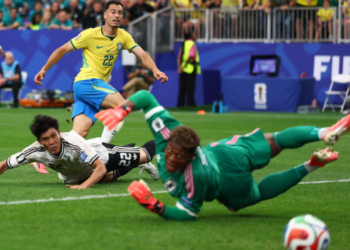 Martinelli Strikes Late as Brazil Edge Past Brave Japan
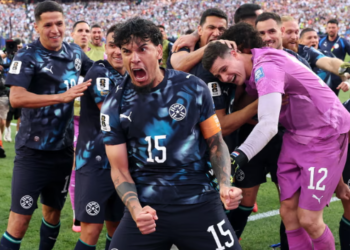 Paraguay Shock Germany in Historic Penalty Shootout
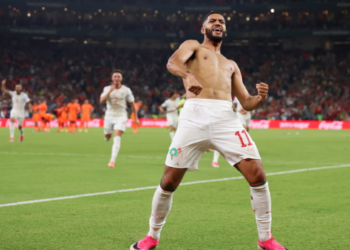 Morocco Beat Dutch in Wild World Cup Penalty Drama
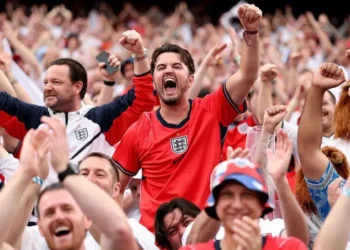 England Fans Praised for ‘Excellent’ Behaviour During World Cup Campaign
 France Dominate Sweden as Deschamps’ New Era Takes Shape
 Haaland Heroics Send Norway Into Historic Last 16 Knockout
 Kane Saves Tuchel as England Survive Dramatic Exit
 Ramos Sends Portugal into the Last 16
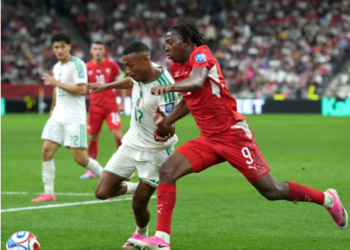 Swiss Star Manzambi Shines in World Cup Victory
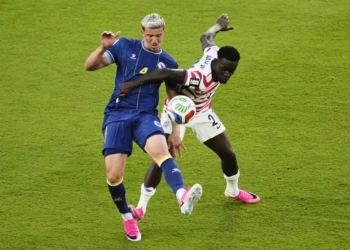 Trump Helps Clear Balogun for Belgium World Cup Clash
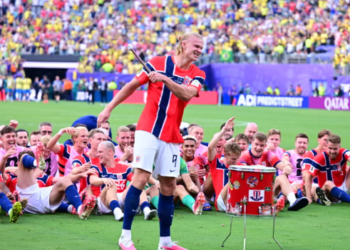 Norway’s Stunning World Cup Victory Over Brazil
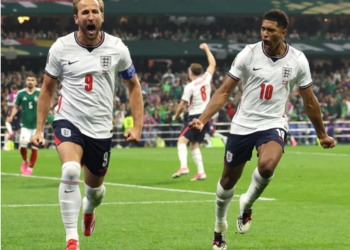 England Triumph in Azteca World Cup Thriller
 Trump’s Red-Card Intervention Hurts the US World Cup
 Trump Intervenes in Fifa World Cup Balogun Ban
 Haaland Makes History as England Prepare for Biggest Test
 England’s 10 Men Hold Firm in World Cup Thriller
 USA World Cup Heartbreak: Belgium Ends Their Dream
 Spanish Late Winner Sends Ronaldo Into Final Sunset
 Belgium Thrashes USA After Red Card Controversy
 Balogun Drama Overshadows USA’s World Cup Exit
 Messi’s Tears and Triumph in Epic World Cup Escape
 Switzerland Advance in Penalty Thriller
 Egyptian Fury After Argentina World Cup Heartbreak
 World Cup 2026 Power Rankings: England on the Rise
 Mbappé Brilliance Leads France Into Semi-Finals
 Belgium Draws Global Support Before Spain Showdown
 Golden Boot Battle Reaches World Cup Boiling Point
 Rollercoaster Semi-Final Leaves Fans Breathless
 Haaland and Bellingham: A Dortmund Bond Tested
 Rice Poised for England Semi-Final Clash Against Argentina
 Teamwork Over Talent: How Spain Outclassed France to Reach the World Cup Final
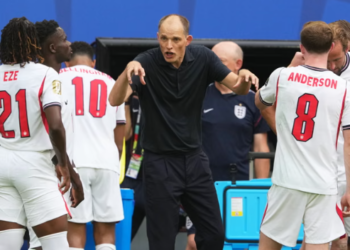 Tuchel: England Ready for Historic Argentina Clash
 Tuchel Backs England Stars to Overcome Messi’s Argentina
 Argentina End England’s World Cup Dream With Semi-Final Victory
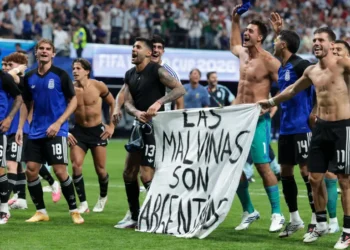 Argentina Face FIFA Investigation After Players Display Falklands Banner Following World Cup Victory
 Did Thomas Tuchel’s Defensive Approach Cost England? Tactical Questions Emerge After World Cup Exit
 The Financial Winners and Losers From the World Cup
 England Missing Final Piece of Jigsaw Despite Progress, Says Kane
 Why You Should Care About the World Cup Third-Place Play-Off
 World Cup Stars Who Could Move This Summer
 Who Am I? Guess World Cup Star No 40 – The Mystery Player Captivating Football Fans
 Sir David Beckham Consoled by Victoria After Heartbreaking World Cup Defeat
 World Cup Rings for Winners as Trump Attendance Confirmed
 Thousands of Tickets Still Available for England v France Clash
 More Than 200 Countries Back Gianni Infantino for Fourth FIFA Term Despite Balogun Scandal
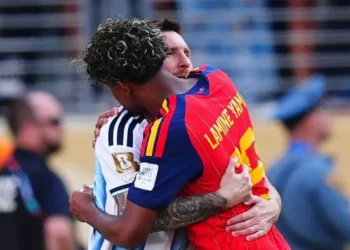 Lamine Yamal Crowns Remarkable Rise With World Cup Glory as Argentina’s Support for Messi Comes Under Fire
 Sixteen Titles in Five Years: How Spain Built an Unrivalled Era of Football Dominance
 Fans Bring Flags and Fire to World Cup Scenes
 11 EFL Stars Ready to Shine at World Cup
 Fans Invited to Share Scotland World Cup Stories
 Iran Team Arrives in Mexico Amid US Visa Dispute
 “My Drinking Days Are Over” — How to Enjoy an Alcohol-Free World Cup
 Football Regulator Contacts West Ham Over “Serious Allegations” Linked to Sullivan
 Tuchel’s England Mission Goes Beyond Football Success
 Trump Helps Clear Balogun for Belgium World Cup Clash
 Kane vs Haaland: Which Striker Would You Choose?
 Bryne Backs Haaland Before England World Cup Clash
 Lamine Yamal’s Birthday: Football, Fame, and France