Published: 24 July 2026 | The English Chronicle Desk | The English Chronicle Online
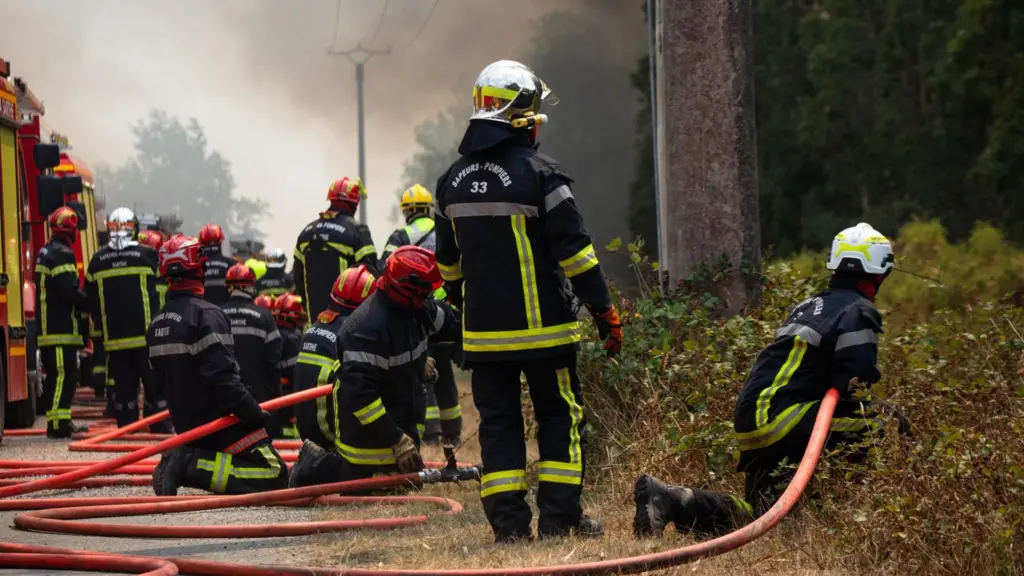
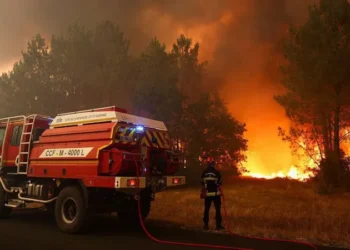
A rapidly spreading wave of wildfires has forced more than 300,000 people to evacuate their homes across parts of France and Spain, as firefighters race to contain blazes now threatening areas near the internationally renowned wine region of Bordeaux.
The emergency has become one of the largest wildfire crises to affect southwestern Europe this summer, with extreme heat, prolonged drought and powerful winds combining to create dangerous conditions across vast stretches of forest and countryside. Authorities have described the situation as highly volatile, warning that changing weather patterns could allow flames to spread even further in the coming days.
In France, officials have ordered evacuations from communities considered at immediate risk, while residents in several regions have been urged to remain prepared to leave at short notice. Smoke has blanketed towns and villages, reducing visibility and worsening air quality, as firefighting aircraft and hundreds of emergency personnel work around the clock to protect lives and property.

The growing threat to areas surrounding Bordeaux has attracted particular attention because the region is globally recognised for producing some of the world’s most celebrated wines. Although vineyards themselves can sometimes act as natural firebreaks because of their cultivated layout, surrounding forests and dry vegetation remain highly vulnerable to fast-moving flames.
Emergency services have focused their efforts on preventing fires from reaching populated communities and key agricultural areas. Firefighters have used helicopters, water-bombing aircraft and specialised ground crews to battle multiple fronts simultaneously, often working in extremely challenging conditions where strong winds repeatedly change the direction of the fire.
Officials have stressed that protecting human life remains the highest priority. Thousands of residents have already been relocated to temporary shelters, while tourists staying in holiday accommodation have also been advised to leave several high-risk areas.
Road closures, disrupted rail services and restrictions on access to affected regions have complicated evacuation efforts. Authorities have appealed for the public to avoid unnecessary travel, allowing emergency vehicles to move more freely between fire zones.
Across the border in Spain, similar scenes have unfolded as intense fires swept through wooded areas and rural communities. Regional governments have activated emergency response plans, mobilising firefighters, military units and civil protection teams to assist in evacuation operations.
Spanish authorities reported that soaring temperatures and exceptionally dry vegetation created ideal conditions for wildfires to spread rapidly, overwhelming some local firefighting resources before reinforcements arrived.
The combined impact of the fires in France and Spain has placed enormous pressure on emergency services across the Iberian Peninsula and southwestern Europe.
Meteorologists say this year’s conditions are among the most dangerous experienced in recent years. Heatwaves have become longer and more intense, leaving forests, grasslands and agricultural land unusually dry.
Climate scientists have repeatedly warned that rising global temperatures are increasing both the frequency and intensity of extreme weather events, including destructive wildfires.
While Mediterranean countries have long experienced seasonal fires, experts say climate change is extending wildfire seasons and allowing fires to reach areas previously considered less vulnerable.
The Bordeaux region illustrates this growing concern. Better known internationally for vineyards and wine tourism than wildfire disasters, the area has increasingly faced repeated fire emergencies during recent summers.
Local officials say communities are becoming more aware that wildfire preparedness must now become a regular part of regional planning.
The economic consequences of the latest fires could also be significant.
Tourism is a major source of income for both France and Spain during the summer months. Evacuations, road closures and smoky conditions have forced hotels, campsites, restaurants and outdoor attractions to suspend operations in some areas.
For visitors, holidays planned around hiking, beaches and wine tourism have been disrupted as authorities prioritise public safety.
The wine industry is also monitoring developments closely.
Although many vineyards remain outside immediate danger, smoke exposure can affect grape quality under certain conditions, while nearby infrastructure, wineries and storage facilities could face risks if fires continue spreading.
Agricultural organisations have called for continued support to protect rural communities whose livelihoods depend heavily on farming and tourism.
Environmental damage is another major concern.
Large wildfires destroy forests, wildlife habitats and ecosystems that can take decades to recover. Scientists warn that repeated fires reduce biodiversity, increase soil erosion and make landscapes more vulnerable to future climate extremes.
The destruction of vegetation also reduces the land’s ability to absorb carbon dioxide, creating another challenge in efforts to slow climate change.
Air quality has deteriorated significantly in several regions affected by the fires.
Health officials have advised residents, particularly older people, children and those with respiratory conditions, to remain indoors where possible and limit exposure to smoke.
Hospitals have reported an increase in patients experiencing breathing difficulties linked to poor air quality.
Authorities continue to investigate the causes of individual fires, although experts note that many wildfire outbreaks result from a combination of natural conditions and human activity.
Extreme heat creates ideal conditions for ignition, while accidental sparks from vehicles, machinery or outdoor activities can quickly develop into major fires under dry and windy conditions.
European governments have invested heavily in improving wildfire detection and emergency response capabilities following devastating fire seasons in recent years.
Satellite monitoring, drones, artificial intelligence systems and improved forecasting now help authorities identify fire risks earlier than before. However, emergency planners acknowledge that technology alone cannot eliminate the growing threat.
Long-term adaptation will require improved forest management, better land-use planning and continued efforts to reduce greenhouse gas emissions associated with climate change.
International cooperation has also become increasingly important.
Countries within the European Union frequently share firefighting aircraft, equipment and specialist personnel during major wildfire emergencies. Cross-border assistance allows regions facing the most severe outbreaks to receive additional support when local resources become overstretched.
As firefighters continue battling the flames, weather forecasts remain a critical factor.
Emergency officials hope cooler temperatures or increased humidity could slow the fires’ advance, but forecasters warn that continued hot, dry and windy conditions could prolong the crisis.
For the hundreds of thousands of people forced from their homes, uncertainty remains the defining reality.

Many families do not know when they will be able to return or whether their homes have survived. Business owners face similar uncertainty as they wait to assess potential damage to properties and livelihoods.
Communities across France and Spain now find themselves confronting not only an immediate emergency but also a longer-term challenge posed by increasingly severe wildfire seasons.
The crisis serves as another reminder of how climate-related disasters are reshaping life across southern Europe.
As emergency crews continue working tirelessly to contain the blazes, governments face growing pressure to strengthen both disaster preparedness and climate resilience.
For now, the focus remains firmly on saving lives, protecting communities and preventing one of Europe’s most destructive wildfire outbreaks from spreading even further.
Related News:
 Deadly Spain Wildfire Leaves 11 Dead, 19 Missing
 France Evacuates Tourist Area as Wildfires Spread
 Storm Hernando: Edinburgh Airport Flights Cancelled in US Travel Chaos
 Storm Hernando: Edinburgh Airport Flights Cancelled in US Travel Chaos
 Probe After Illness Kills 72 Tigers in Thailand
 More Than 5,000 Flights Cancelled as US East Coast Digs Out of Record Snow
 The Quarantine Crossing”: Hantavirus-Hit MV Hondius Bound for Canary Islands After Deadly Outbreak
 “The Ghost Galleon”: Hantavirus-Hit Cruise Ship Bound for Tenerife After High-Stakes Evacuations
 Norway Doubles Down on Oil and Gas for Europe Energy Security
 Bad Weather Threatens Hantavirus Cruise Ship Evacuation
 The Great May Meltdown: Europe Braces for a Historic Swing from Arctic Chill to Extreme Late-Spring Heat
 Pope Meets Families in Italy Toxic Waste Zone
 Deadly Earthquake Hits Philippines
 Spain Tourism Surges as Travellers Avoid Middle East
 Spain Sees Tourism Boom as Travellers Shift Away From Middle East
 England and Norway Fans Turn Miami Into World Cup Carnival
 New EU Border System Could Triple Passport Control Waiting Times, Airport Chief Warns
 Thousands Evacuated in France as Wildfires Spread Across Regions
 Olympus Awaits Unesco Heritage Recognition
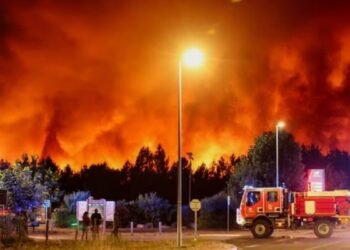 Wildfires Force Mass Evacuations in France And Spain
 EU weighs response amid Greenland tariff crisis with Trump
 EU Says US Ties Have Suffered ‘Big Blow’ After Greenland Crisis
 Thousands Left Without Heating in Ukraine Amid Russia Strikes
 South Africa’s Garden Route Gem Faces Looming Water Crisis
 Canada Dispatches Senior Officials to Open Greenland Consulate
 Dozens of Flood Warnings in England After Days of Non-Stop Rain
 Portugal Election Delivers Socialist Win as Far Right Surges
 BRRRITAIN: Met Office Issues Yellow Weather Warning for More Snow
 Macron Rebuked in Franco-German Defence Row
 Snow and Rain Warnings as Cold Snap Continues in the UK
 Dual Nationals Face Scramble for UK Passports as New Rules Come Into Force
 Eight Skiers Found Dead After California Avalanche
 Bumper Ski Season but Avalanches Threaten Scotland’s Snowy Hills
 How Do You Modernise Mango Farming? India’s Growers Urged to Innovate as Climate Change Hits
 Powerful Winter Storm Slams US Northeast; NYC Travel Ban
 Louvre Museum Director Resigns Months After High‑Profile Heist
 Orbán Accuses Ukraine of Disrupting Oil Supplies to Hungary
 Spain Declassifies Files on 1981 Attempted Coup in Effort to Dispel Conspiracy Theories
 Islanders Advised on Travel to Middle East Amid Escalation
 Australian GP Confident Amid Travel Disruption
 Limited Flights Leave UAE But Disruption Continues Amid Iran Strikes
 Macron Finds ‘Freedom Fries’ Redemption in Iran Crisis
 Study Says Only Two Nations May Survive Nuclear War
 Finland Plans to Lift Decades‑Old Ban on Hosting Nuclear Weapons
 My One-Hour Flight Transfer Left Me Facing 10 Days Stuck in a City Under Attack
 Air India Express Plane Damaged in Chaotic Landing at Phuket Airport
 Ukraine War Becomes Flashpoint in Hungarian Election
 Red Skies and Raging Floods: One Dead as Storm Erminio and Saharan Dust Grip Greece
 Evacuations Ordered as California Wildfires Spread Fast
 Paradise Aground: Cruise Ship Evacuated After Striking Reef Near ‘Cast Away’ Island
 ‘The Soul of Spain’: Politicians Clash Over Renewed Push to Move Picasso’s Guernica
 Moldova River Crisis Exposes War’s Hidden Cost
 Capitalism ‘Suicidal’, Warns Petro at Climate Summit
 Two Dead in Adelaide Airport Plane Crash Fire
 Ukraine strikes Tuapse as oil disaster worsens
 “Speechless and Determined”: Two Dead, 22 Injured in Leipzig “Vehicular Rampage”
 “The Floating Fever”: WHO Confirms Second Hantavirus Case as Cruise Outbreak Death Toll Reaches Three
 France Faces Record Presidential Crowded Race Amid Far-Right Surge
 “The End of the Towel War?”: How Hotels are ‘Clinically’ Stopping the Sunbed Dash
 Australia Welcomes the Iconic Michelin Guide
 “The Climate Multiplier”: Assessing the Dual Threat of Disease-Bearing Mosquitoes and Heat-Related Mortality
 Man killed in shark attack on Great Barrier Reef
 UN Issues Urgent Warning: Imminent Return of El Niño
 Zelensky Invites Putin to Direct Peace Talks
 European Allies Set Peace Terms for Ukraine
 Iran Team Arrives in Mexico Amid US Visa Dispute
 Drone Attacks Overshadow Russia Economic Forum

 Airline Leaders Warn 2050 Net Zero Target May No Longer Be Achievable
 Everest Guide’s Miraculous Survival Sparks Questions Over Mountaineering Safety Standards
 Russian Artist and Kremlin Critic Shot Dead in Poland
 Temperatures Set to Fall This Week, But Forecasters Warn Heat Could Return Soon
 Why Extreme Heat Can Cause Trees to Collapse and What Experts Say Can Be Done
 Le Pen Appeal Verdict Could Reshape France’s Political Future
 Le Pen to Run for President Despite Embezzlement Conviction
 London Tube Heat Reaches Dangerous Levels
 UK Heatwaves May Have Claimed Thousands of Lives
 UK Heatwave Nears Two-Week Milestone as High Temperatures Continue Across the Country
 Italy’s Ulysses Riviera Where Myth Meets the Sea