Published: 27 July 2026 | The English Chronicle Desk | The English Chronicle Online
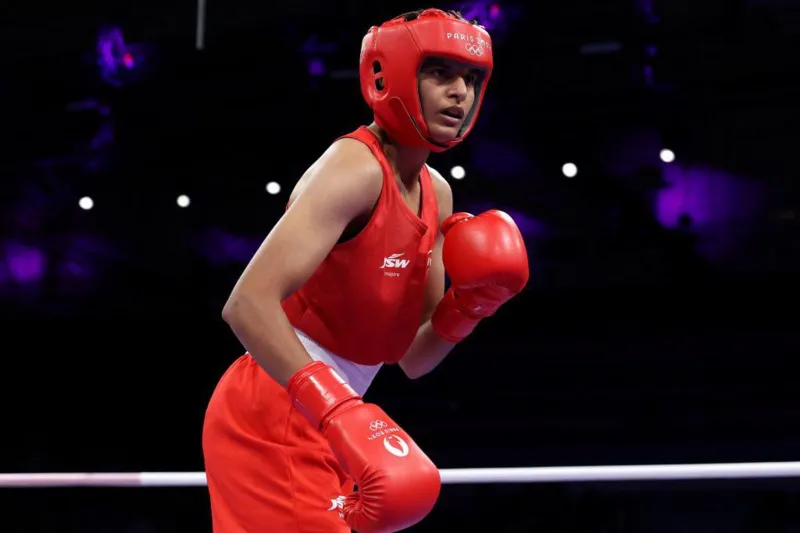
India’s first woman boxer from the Indian Army is now pursuing one of the biggest ambitions of her sporting career: winning Commonwealth gold and creating a new chapter in the country’s boxing history.
Her journey from entering a traditionally male-dominated military environment to competing at the highest levels of international boxing represents a story of determination, discipline and breaking barriers. As she prepares for the Commonwealth Games, the athlete hopes her performance will inspire more women to pursue careers in sports and the armed forces.
The boxer’s rise has attracted attention not only because of her achievements inside the ring but also because of the wider significance of her role. As the first woman boxer to represent the Indian Army, she has become a symbol of changing opportunities for women in institutions that have historically been dominated by men.
For decades, boxing in India was largely associated with male athletes, while women faced additional challenges in accessing training, resources and recognition. However, the growth of women’s boxing over recent years has transformed the sport, with Indian female boxers achieving success at Olympic, world and Commonwealth competitions.

The emergence of athletes like her reflects a broader shift in Indian sport, where women are increasingly receiving support and recognition across disciplines once considered difficult to enter.
Her connection with the Indian Army has played a major role in shaping her career. Military training is known for emphasising discipline, physical endurance, mental strength and resilience — qualities that are essential in competitive boxing.
Life as an army athlete requires balancing demanding training schedules with military responsibilities. The combination of physical conditioning, tactical preparation and competitive experience has helped her develop the mindset required for elite-level competition.
Boxing is a sport where success depends on more than physical ability. Athletes must maintain exceptional fitness, strategic awareness, emotional control and the ability to perform under intense pressure.
Preparing for major tournaments involves hours of daily training, including strength conditioning, technical drills, sparring sessions and analysis of opponents.
For the Indian Army boxer, the road toward Commonwealth gold has involved years of commitment and sacrifice. Like many elite athletes, she has had to overcome setbacks, injuries, competition pressure and the challenge of constantly improving her skills.
Her progress demonstrates the importance of persistence in professional sport, where even talented athletes must continuously adapt to remain competitive.
The Commonwealth Games represent one of the most prestigious multi-sport events in the world, bringing together athletes from dozens of nations and territories.
Boxing has been a key part of the competition for decades, producing some of the most memorable moments in Commonwealth sporting history.
Winning a gold medal at the Games would place her among India’s most celebrated boxing athletes and further strengthen the country’s reputation in international boxing.
India has produced several successful boxers in recent years, particularly in women’s competitions. The achievements of previous champions have helped increase interest in the sport and encouraged more young girls to consider boxing as a serious career option.
The success of Indian women boxers has also contributed to wider conversations about gender equality in sports.
Many female athletes have spoken about the challenges they faced, including limited access to facilities, social expectations and a lack of early support. Their achievements have helped challenge those barriers and create new opportunities for future generations.
The Indian Army’s involvement in promoting women’s participation in sport has also been significant.
Military institutions have traditionally played an important role in developing athletes in India by providing structured training environments, professional coaching and opportunities to compete internationally.
The success of the first woman army boxer demonstrates how expanding opportunities within such organisations can create pathways for talented athletes.
Beyond her own ambitions, the boxer has expressed a desire to inspire young women who may hesitate to pursue careers in sport.
Many aspiring athletes face pressure to choose traditional career paths, particularly when sports require years of uncertain development before achieving financial or professional success.
Her journey provides an example of how determination and institutional support can help overcome those challenges.
Sports experts say role models are especially important in encouraging participation among young women.
When athletes from diverse backgrounds achieve success, they demonstrate that professional sport is possible for those willing to commit themselves and work through difficulties.
The Commonwealth Games campaign will also test her ability to compete against some of the world’s strongest boxers.
International competitions require athletes to adapt quickly because opponents often bring different fighting styles, techniques and strategies.
Success at this level depends on preparation, experience and the ability to remain calm during high-pressure moments.
Coaches and support staff play an important role in preparing athletes for major tournaments. Training plans are carefully designed to improve technical skills, physical conditioning and tactical decision-making.
Mental preparation has also become increasingly important in modern boxing, with athletes working on concentration, confidence and managing pressure.
The boxer’s story arrives at a time when women’s participation in Indian sport is expanding rapidly.
From athletics and cricket to wrestling, weightlifting and boxing, Indian women athletes have achieved international recognition and inspired millions of fans.
Their success has encouraged greater investment in women’s sports programmes, improved facilities and increased media coverage.
However, experts say more work remains to ensure equal opportunities for female athletes at all levels.
Grassroots development, access to professional coaching and financial support remain key challenges for many young athletes, particularly those from rural and disadvantaged communities.
The success of high-profile athletes can help draw attention to these issues and encourage further investment in sports development.
As the Commonwealth Games approach, expectations surrounding the Indian Army boxer continue to grow.

While winning gold remains her primary goal, her achievement has already had a lasting impact by opening doors and challenging traditional perceptions about women in the military and competitive sport.
Her journey represents more than an individual sporting ambition. It reflects a broader transformation in Indian athletics, where women are increasingly claiming space on national and international platforms.
Whether she secures a Commonwealth gold medal or not, her career has already marked an important milestone.
As she steps into the ring carrying the hopes of supporters across India, she represents determination, courage and the possibility of breaking boundaries through sport.
Her pursuit of Commonwealth glory is not only about winning a medal — it is about proving that talent and dedication can overcome barriers and create new possibilities for generations to come.
Related News:
 Peretz Targets FA Cup Upset Amid War Concerns
 Victory or Compromise? Tehran’s Streets Erupt in Mixed Emotion Following Ceasefire
 TikTok effect draws younger crowds to Grand National
 Robots Outpace Humans in Beijing Half-Marathon
 Fraudsters Target Runners Ahead of London Marathon
 Farke’s Leeds revival: from pressure to FA Cup glory chase
 Escobar’s Hippos May Be Moved to India Zoo
 John Terry Faces Backlash Over Political Posts
 North Korean Women’s Football Club to Visit Seoul in Rare Cross-Border Trip
 China Fireworks Factory Blast Kills 21 in Hunan
 Thailand Tightens Visa Rules to Curb Tourist Misbehavior
 Bryne Backs Haaland Before England World Cup Clash
 England and Norway Fans Turn Miami Into World Cup Carnival
 India’s Gen Z Protest Movement Enters a New Phase
 UK and Ireland Announce Venues for Euro 2028 Tournament
 Saka Solidifies Role as Tuchel’s Key England Lieutenant
 Former Lion Heskey Warns of Shortage of England Strikers
 Tiny Curacao Makes History as Smallest Nation to Reach World Cup
 Australia Face Big Changes as Cummins and Lyon Ruled Out of Ashes
 ECB powerless to halt England’s recurring Ashes failures
 Damien Martyn in Induced Coma After Meningitis Diagnosis
 Raducanu Battles Injury as Britain Exit United Cup
 Manchester United Fan Group Targets Jim Ratcliffe Over Club Chaos
 Geopolitical football: Iran, Trump and the World Cup clash
 Regragui condemns Afcon final chaos after dramatic defeat
 Hilary Knight speaks out on Trump’s recent hockey remarks
 Champions League Thrills as Atalanta and Galatasaray Advance
 Manchester United Face Huge Bill After Ruben Amorim Exit
 India T20 World Cup Triumph Seals Historic Title Defence
 Abramovich Chelsea Sale Cash Faces Jersey Probe
 Scotland World Cup Party in Boston Gets Green Light After Security Breakthrough
 Iranian Captain Departs Australia Amid Asylum Tension
 Iran World Cup Move Talks Raise Global Concerns
 Sunderland Stun Newcastle as Brobbey Strikes Late Winner
 The Living Heart of Manchester United: Bruno Fernandes
 Nepal to swear in ex-rapper as new prime minister
 Eddie Howe Faces Seven Game Test to Secure Newcastle Future
 Can Congress Stop US Sports Teams From Moving Cities?
 Miles Jupp: How the Magic of the Ashes Sparked a Bold Blag
 Van Dijk Rallies Liverpool for Massive PSG Comeback
 Atletico Silence the Camp Nou as Barcelona Face European Exit
 Premier League Clubs Tense Over Regulator Costs
 Cricket’s New Era: Seeking Substance Beyond the Glitz
 “Three-Wheeled Triumph”: Mayor of Erewash Completes 2,000-Mile European Charity Run
 Ukraine Urges UK to Seize Russian Oil Tankers
 George North Announces Retirement From Rugby
 Premier League drama defines crucial weekend
 Arteta urges Arsenal to step up in Atlético semi-final
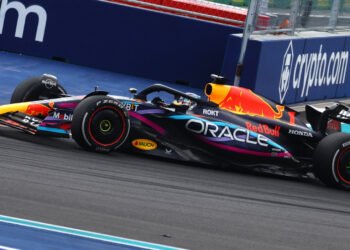 Miami Upgrades Shake Up F1 Title Fight
 Arsenal Fans Face High Costs for Champions League Final
 Florida Surgeon ‘Devastated’ Over Fatal Surgery Error
 US Awaits Iran Reply on New Ceasefire Proposal
 Immigration Judges Fear Pressure in Trump Era
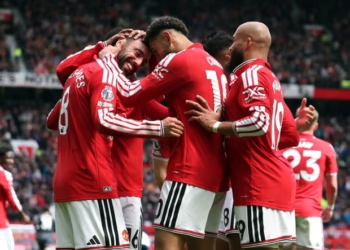 Fernandes Equals Assist Record as United Secure Third
 Champions at Last: Arsenal Conquer the Premier League
 Southampton Face Player Legal Action Over Playoff Scandal
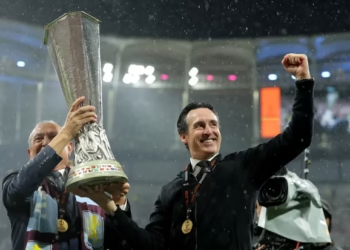 The Battle for Wembley Sparking Unprecedented Legal Warfare
 Chasing Glory: The Quest for a New World Cup Champion
 Tuchel Defends Tough England Squad Decisions
 Pope Meets Families in Italy Toxic Waste Zone
 Discontent grows around Putin amid war strain
 Bear Escapes Factory Through Open Window
 Fans Bring Flags and Fire to World Cup Scenes
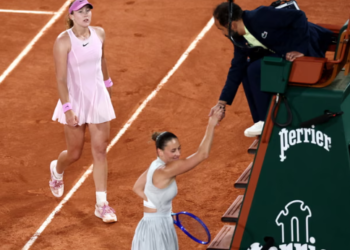 Andreeva Sweeps Past Kostyuk to Reach Paris Final
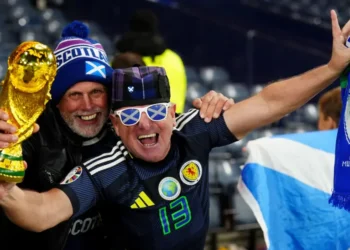 Fans Invited to Share Scotland World Cup Stories
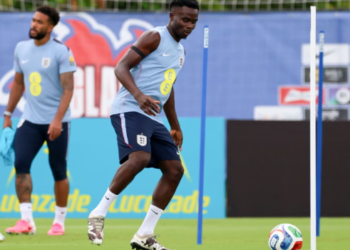 Saka Playing Through Pain As England World Cup Campaign Looms
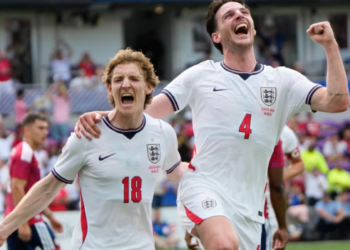 England Cruise Past Costa Rica as World Cup Warm-Up Sharpens Tuchel’s Vision
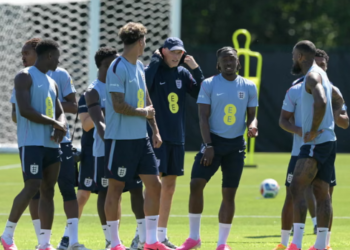 Tuchel’s England Mission Goes Beyond Football Success
 Blackpool Cricket Stands Firm Amid County Struggles
 Historic Victory for Canada as They Defeat Nine-Man Qatar
 Canada Secure Historic Last 16 Spot with Late Goal
 Paraguay Shock Germany in Historic Penalty Shootout
 Haaland Heroics Send Norway Into Historic Last 16 Knockout
 Belgium Thrashes USA After Red Card Controversy
 Djokovic Faces Sinner in Epic Wimbledon Semi-Final
 Le Pen’s Popularity Holds Despite Conviction
 London Tube Heat Reaches Dangerous Levels
 Lamine Yamal’s Birthday: Football, Fame, and France
 Tadej Pogacar: The New Patron of the Tour de France
 India’s Gen Z Protesters Claim Victory, Demand More Change