Published: 29 August 2026. The English Chronicle Desk. The English Chronicle Online.
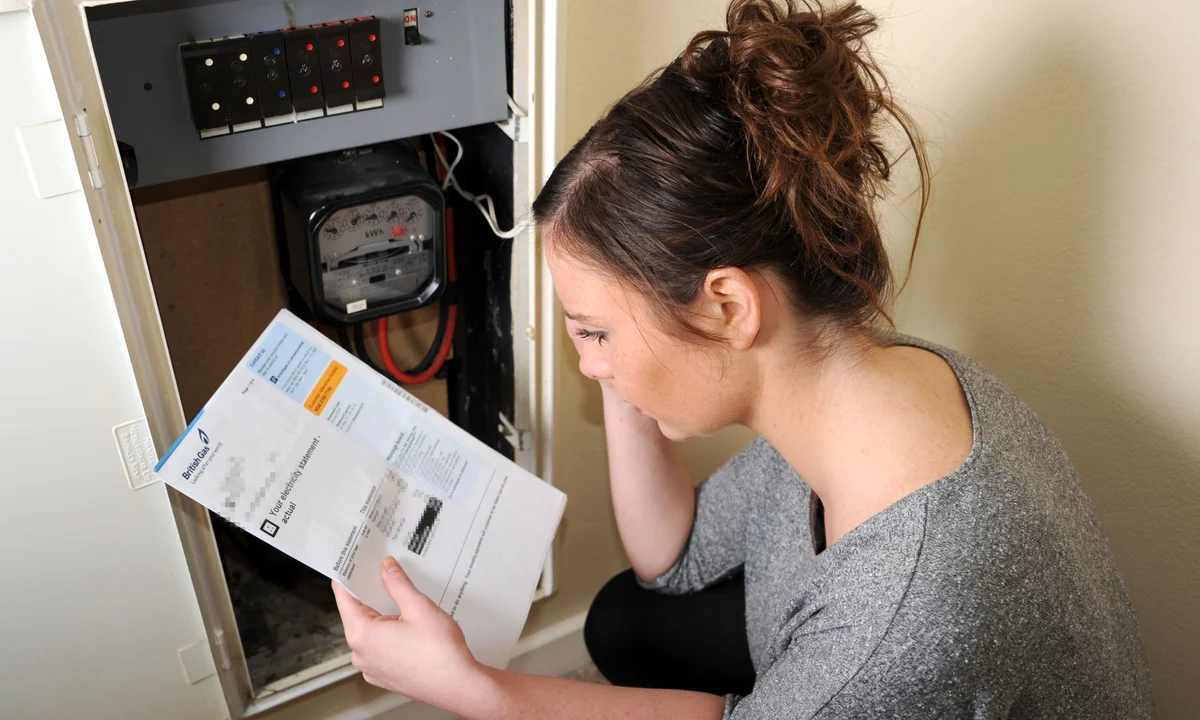
Millions of households across Great Britain are facing another increase in energy costs this autumn, but consumers could potentially save up to £173 a year by switching from a standard variable tariff to one of the cheaper fixed energy deals currently available.
The latest increase in the energy price cap is due to take effect on 1 October, bringing further pressure on household budgets just as colder weather approaches and demand for heating begins to rise. The increase will be the second significant rise in energy charges within three months, following an earlier increase in July.
Under the new cap, gas and electricity prices are expected to rise by around 4%, taking the annual cost for a typical household on a default tariff to approximately £1,723. The figure is based on average energy consumption, meaning individual bills will vary depending on how much gas and electricity a household actually uses.
For many families, however, fixed tariffs could provide a way to reduce costs while also offering greater certainty over future energy bills. Fixed deals set the standing charge and unit prices for a specific period, commonly between one and two years, protecting customers from changes in energy prices during the length of their contract.

The prospect of savings has become increasingly important as analysts warn that household energy costs could rise again in January. Cornwall Insight has forecast a further increase of around 9% at the beginning of 2027, although the final figure will not be confirmed until later this year and could change depending on developments in wholesale energy markets.
If those forecasts prove accurate, the annual energy bill for a typical household could rise to around £1,872. Such an increase would come during one of the coldest periods of the year, when many households use significantly more gas and electricity.
Energy regulator Ofgem has encouraged consumers to examine the fixed deals available to them, noting that some tariffs are currently priced at £100 or more below the level of the new October price cap.
Around 11 million homes in Great Britain, representing roughly 35% of households, are already on fixed tariffs. These customers will not be directly affected by the October increase while their current agreements remain in place.
Comparison services and energy suppliers currently offer a range of fixed deals that are cheaper than the upcoming price cap. The level of savings available depends on household consumption, location and the particular tariff selected, but some of the lowest-priced deals could offer substantial reductions compared with remaining on a standard variable tariff.
One of the cheapest available options is a fixed deal from Fuse Energy, estimated at around £1,550 a year for a household with typical energy use. That is approximately £173 below the October price-cap figure and around £113 below the current cap.
Different versions of the tariff are available with varying contract lengths, including agreements lasting more than a year. Other suppliers also have fixed tariffs offering potential savings of more than £100 annually compared with the October cap.
Among the companies offering competitive fixed deals are Co-op Energy, Octopus Energy, E.ON Next and Ecotricity. Some offers are available directly from suppliers, while others may be exclusive to particular comparison services.
The growing appeal of fixed tariffs is not simply about immediate savings. For households concerned about further price increases, locking in a rate can provide greater certainty about energy costs during the winter months.
A fixed tariff protects customers from increases in the price cap or wholesale energy markets during the contract period. However, the arrangement can also mean consumers miss out if market prices fall significantly.
Before changing tariff, households are being urged to check the terms of their existing contracts carefully. Some fixed agreements may include exit fees for customers who leave before the contract ends, potentially reducing or eliminating any savings gained from switching.
Consumers should also compare tariffs based on their own energy usage rather than relying solely on headline annual estimates. The price cap and many tariff comparisons use typical consumption figures, but households with unusually high or low energy use may experience very different costs.
The October increase would have been even higher without a temporary reduction in VAT on domestic electricity bills. The government has reduced the tax from 5% to zero between 1 October 2026 and 31 March 2027.
The measure is expected to save a typical household around £45 a year and has already been reflected in calculations for the new energy price cap. The VAT reduction will apply automatically to eligible customers, including those on fixed tariffs and those whose bills are linked to the price cap.
Consumers with smart meters may also find additional opportunities to reduce their bills. Some energy suppliers offer specialist tariffs with cheaper electricity rates during off-peak periods.
These tariffs can be particularly useful for households able to shift some electricity consumption away from the busiest hours of the day. Charging electric vehicles, running washing machines or using other high-energy appliances during cheaper periods could potentially reduce overall costs.
Despite the savings available through switching, reducing energy consumption remains one of the most effective ways for households to control their bills. Improving insulation, reducing unnecessary heating and avoiding wasted electricity can help limit costs regardless of which tariff a customer chooses.

Households facing financial difficulty may also be eligible for additional government support. The Warm Home Discount scheme is expected to reopen in October, providing qualifying households with a one-off £150 reduction on their electricity bills.
With another rise approaching and the possibility of even higher costs in January, consumers are being encouraged to review their energy arrangements before winter demand increases. A fixed tariff may not be the right choice for every household, particularly for those already tied into competitive contracts, but the growing gap between some fixed deals and the price cap means switching could offer meaningful savings for millions of customers.
For households concerned about rising energy costs, comparing available tariffs, checking contract conditions and understanding personal energy consumption could prove increasingly important in the months ahead.
As Britain enters another winter of uncertainty over household energy prices, the ability to secure lower rates and greater certainty may provide welcome relief for families already struggling with the wider cost of living.
Related News:
 Wealthy Britons Flee Gulf War but Avoid UK Taxes
 UK Wage Growth Slows as Jobs Market Holds Firm
 BBC News Faces Deep Cuts in 2,000 Job Plan
 New UK advice scheme to boost savings and investing
 Reeves Fights to Keep Treasury Role Amid Labour Turmoil
 UK rejects EV charging VAT cut amid Treasury clash
 UK Banks Maintain £100 Contactless Limit Despite FCA Rule Change
 UK Doubles Steel Tariffs to 50% to Protect Domestic Plants
 Oil and Gas Prices Surge Amid Iran-Israel Attacks on Gasfields
 Rising Costs Force Families to Rethink Days Out
 Student Loan Interest May Rise Despite 6% Cap
 Carmakers Face £3bn Gap in UK Loan Payout Scandal
 Reform UK funding: mystery billionaire revealed
 Albanese Rejects Gas Export Tax Push
 City & Guilds Faces Governance Crisis Over Sale
 Britons Build Emergency Supplies Amid Rising Fears
 UK Pushes for New EU Goods Trade Deal
 Essex valley emerges as rising English wine hub
 Public Confidence in University Degrees Plummets in the UK
 Weight-Loss Drugs Transform Fashion Shopping Habits
 Labour MPs Urge Burnham to Revive UK Aid Target
 EasyJet Takeover Sparks Fears Over Passengers’ Future
 Weight-Loss Drugs Offer Food Savings Mainly to High Earners
 Burnham unveils £65m drought aid for farmers
 Pubs and Hotels Face Business Rates Reform Review
 Europe Faces Winter Gas Supply Anxiety
 Reeves Faces Setback as Labour May Miss Homes Target
 Trump’s UK Ambassador Urges North Sea Drilling to Strengthen US Ties
 M&S Profits More Than Halve After Cyber-Attack
 Tony Blair think tank warns Rachel Reeves must cut taxes if manifesto broken
 Millionaires group urge Reeves to introduce wealth tax to ‘lift kids out of poverty’
 Global markets drop amid tech sell-off and China slowdown
 Mossmorran Plant Closure Hits Cowdenbeath Hard
 Starmer Says Labour’s Economic Plan Needs Years to Deliver
 Virgin Media Fined £23.8m Over Telecare Safety Failures
 Rising Water Bills Lift Troubled Thames Back to Profit
 Starmer Faces Parliamentary Battles Over UK-EU ‘Reset’ Plan
 ScottishPower Tops List of Worst UK Energy Suppliers
 City & Guilds pay surge sparks backlash amid £22m cuts
 UK Government Borrowing Drops to £11.6bn in December
 AI job losses UK: Britain faces sharper employment shock
 UK Unemployment Rate Climbs to 5.2% Peak
 UK shelves £110m border project amid trade strain
 Switching Energy Deal Can Save £200 as Price Cap Falls
 Rachel Reeves Faces Middle East Conflict Test
 Grocery Inflation Rises Amid War Fears
 BrewDog sold Highland estate for knockdown price after abandoning reforestation plans
 Farage Faces Backlash Over Crypto Cameo Endorsements
 UK Energy Reform Could Cut Bills by £200
 M&S Demands Urgent Action on Rising Violent Retail Crime
 Unions Raise Concerns Over Doctors’ Pay Dispute
 Aegon Sells Historic UK Arm to Standard Life for £2bn
 Kezia Dugdale Warns of Possible Reversal of Equal Rights Gains
 UK Staycations Rise as Travel Fears Grow
 $13bn World Cup Set to Break All Revenue Records
 Silent Tracks: Rail Line Without Passengers
 Greens Face Internal Row Over Antisemitism Claims
 Barrister Criticises Trial After Suicide Case Verdict
 Lotus Boss Pledges Future to Norfolk and Seeks State Support
 UK Firms Freeze Spending as Iran Conflict Bites
 Summer Shock: British Energy Bills Set for Grim July Hike
 Reeves to Fast-Track Clean Energy Amid Iran Crisis
 Kevin Warsh sworn in as Fed chair amid economic backlash
 Albanese Defends Tax Reforms Amid Emotional Speech
 Farage and Reform UK Reshape British Politics
 Starmer Leadership Under Pressure After Setbacks
 Tube Strike Brings Capital to a Standstill Over Shift Disputes
 Tube Strike Brings Capital to a Standstill Over Shift Disputes
 BP Stands Firm on Amanda Blanc Amid Boardroom Storm
 UK House Prices Drop For Third Month Due To War Fears
 AI Scams Push UK Investment Fraud Past £220m
 EU Slashes Steel Quotas But Grants UK Favourable Rates
 Sainsbury’s Boss Optimistic As Grocery Inflation Eases
 British Teens in EU Face Soaring UK University Fees
 Apollo Launches £5.7bn Bid for Aviation Giant easyJet
 UK Schools Struggle as Classrooms Top 40C
 Westminster Council Threatens Charing Cross Soup Kitchen
 Unions Warn Labour Over Zero-Hours Contract Reforms
 Queue row erupts on Wales’ highest mountain
 RAF Barnham Protests Fuel Tensions in Norfolk Town