Published: 03 September 2026.The English Chronicle Desk. The English Chronicle Online.
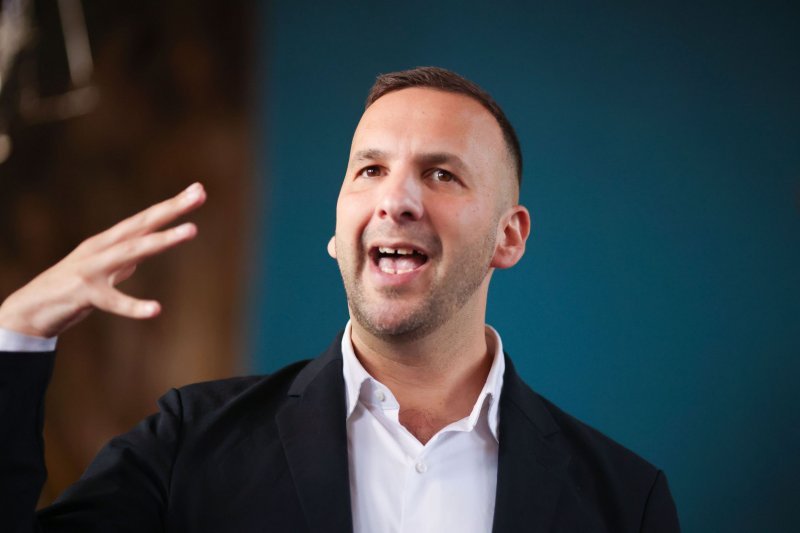
Green Party leader Zack Polanski has announced that he intends to seek the party’s nomination for the forthcoming byelection in Holborn and St Pancras, the London constituency being vacated by former prime minister Keir Starmer.
Polanski, leader of the Green Party of England and Wales, said he wanted to represent residents of the central London constituency and would focus on people facing financial pressures if elected to Parliament. His announcement places the Greens at the centre of an increasingly competitive contest for a seat that has traditionally been regarded as a Labour stronghold.
Speaking about his plans, Polanski said he would seek to represent people struggling with household costs and argued that voters should have an opportunity to demand political change. He also rejected suggestions that he was attempting to enter the constituency without a meaningful connection to the area.
The Green leader said he had lived and worked in the community for many years and knew the constituency well. He described Holborn and St Pancras as an area that reflected many of the characteristics that make London distinctive and said he was enthusiastic about the possibility of representing its residents in Parliament.

Polanski’s candidacy is not yet formally confirmed. Local Green Party members will have the final say on the selection of the candidate. However, party members are understood to be supportive of his bid, while there is currently no clear indication that a rival local activist with substantial backing will challenge him for the nomination.
The move follows a period of growing Green Party support in parts of London and nationally. Polanski already represents London as a city-wide member of the London Assembly, giving him an existing political role covering the constituency.
He has argued that Holborn and St Pancras has significant potential but claimed that successive governments have failed to deliver improvements that would make a meaningful difference to residents’ lives.
The byelection follows Starmer’s decision to step down as the constituency’s Member of Parliament. His departure brings an end to his representation of the seat and opens the possibility of a closely watched contest in an area that Labour has held for decades.
Polanski has expressed confidence that the Greens can win the constituency. His campaign is expected to emphasise the cost of living, household finances, inequality and the concentration of wealth, alongside criticism of established political parties.
He has also sought to position the Greens as an alternative to Labour, arguing that his party would be more willing to challenge powerful financial interests and represent residents experiencing economic difficulties.
The comments are likely to intensify competition between Labour and the Greens, particularly because the latter made significant gains in the constituency and surrounding areas during recent elections.
Holborn and St Pancras has remained firmly under Labour control since the constituency was established in its current form in 1983. Labour has secured at least 40% of the vote at every general election held since then, making the seat one of the party’s more dependable bases in central London.
Only two Labour MPs have represented the constituency since its creation. Frank Dobson served from 1983 until 2015, after which Starmer became the MP.
Starmer secured the seat at the 2024 general election with 48.9% of the vote. Independent candidate Andrew Feinstein finished second with 18.9%, while the Green candidate came third with 10.4%.
The Conservatives received 7.2%, Reform UK secured 6.1%, and the Liberal Democrats finished with 5.8%.
The previous result nevertheless demonstrated that Labour’s traditional dominance does not necessarily guarantee an easy victory. The relatively strong performances by independent and Green candidates reflected, in part, dissatisfaction among some voters who had previously supported Labour.
Political divisions over the conflict between Israel and Hamas were among the issues that contributed to dissatisfaction with Starmer among sections of the electorate during the 2024 campaign. Some former Labour voters criticised his position on Israel’s military actions in Gaza and looked towards alternative candidates.
Since then, the Green Party has continued to expand its presence in Camden, the London borough that contains Holborn and St Pancras. The party made gains in the borough during the May local elections, strengthening its argument that it can compete more seriously in the constituency.
The upcoming byelection could therefore provide an important test of whether that growth can be translated into parliamentary representation.
For Polanski, the contest is also an opportunity to seek a historic breakthrough. He has described the election as a chance for residents to make history by choosing what he says could become London’s first Green MP.
His campaign is expected to present the election as primarily a contest between Labour and the Greens. That framing may be challenged by other parties and independent candidates, however, particularly given the range of political forces that attracted votes in the 2024 general election.
The outcome could depend heavily on whether voters who previously backed Labour remain with the party, move towards the Greens, support an independent candidate or choose another political alternative.
Cost-of-living concerns are likely to feature prominently in the campaign. Polanski has argued that many residents are finding everyday expenses increasingly difficult to manage and that rising economic pressure has contributed to a sense that living standards are deteriorating.
He has linked those concerns to wider questions about inequality and wealth distribution, presenting the Greens as a party willing to challenge what he regards as an excessive influence of wealthy donors and corporate interests in British politics.
Labour, meanwhile, will face the challenge of defending a seat that has been central to its parliamentary presence for more than four decades. The party’s historical strength provides a significant electoral foundation, but the rise of the Greens and the previous performance of independent candidates suggest that the contest could be more closely fought than traditional voting patterns might indicate.
The byelection will also attract wider attention because of Starmer’s former status as prime minister and because the constituency has been closely associated with his political career.

For the Green Party, winning Holborn and St Pancras would represent a major breakthrough in Westminster politics and provide a powerful symbol of the party’s growing influence in London. For Labour, retaining the seat would reinforce its longstanding dominance in the constituency and demonstrate that its support base remains resilient despite challenges from emerging political forces.
Polanski’s announcement therefore marks the beginning of what could become a closely watched political battle. His final selection by local Green members is still required, while other parties are expected to determine their own candidates.
As campaigning develops, issues ranging from household finances and public services to inequality, political representation and national policy are likely to shape the debate. The contest may ultimately provide an important indication of how voters in central London are responding to Britain’s changing political landscape.
For now, Polanski’s decision signals the Greens’ determination to turn their recent electoral progress into a serious parliamentary challenge. Whether that ambition can overcome Labour’s decades-long hold on Holborn and St Pancras will be decided by voters at the forthcoming byelection.
Related News:
 Athens Mayor Moves to Tackle Overtourism Crisis
 Reform UK funding: mystery billionaire revealed
 UK Pushes for New EU Goods Trade Deal
 Reeves Fights to Keep Treasury Role Amid Labour Turmoil
 Farage and Reform UK Reshape British Politics
 Starmer Leadership Under Pressure After Setbacks
 Burnham unveils £65m drought aid for farmers
 Rachel Reeves to lead UK trade push in Saudi Arabia amid rights debate
 British Woman in Iran ‘Losing Hope’ Amid Ongoing Detention
 BBC Journalist Held and Interrogated in Vietnam
 Trump’s UK Ambassador Urges North Sea Drilling to Strengthen US Ties
 Rachel Reeves Set to Break Labour Pledge and Raise Income Tax
 UPS Cargo Plane Crash in Kentucky Kills Seven
 MPs Press Rachel Reeves to Hike Gambling Taxes
 Millionaires group urge Reeves to introduce wealth tax to ‘lift kids out of poverty’
 Canada Passes Carney’s First Budget in Tight Parliamentary Vote
 Rama Rebukes Mahmood for Targeting Albanian Families
 Russian Vessel Used Lasers on RAF Pilots, UK Claims
 PM Highlights UK Business at G20 in South Africa
 India’s Labour Law Overhaul Sparks Fierce Debate
 Starmer Says Labour’s Economic Plan Needs Years to Deliver
 Mark Carney Walks Diplomatic Tightrope on China Visit
 UK Government Borrowing Drops to £11.6bn in December
 UK and EU Signal Fresh Push for Defence Cooperation Talks
 UK New Car Discounts Near £6,000 as Prices Are Slashed
 Starmer Condemns ‘Depraved’ Russian Strikes on Ukraine
 UK shelves £110m border project amid trade strain
 Trump and Chagos Deal Rift Over Iran Strikes
 UK Sees Record £30.4bn Budget Surplus, Boosting Reeves’ Position
 Trump Tariffs Threat Spark UK and EU Alarm
 Reeves Must Back Defence Plan or Face Dismissal, Says Unite Chief
 OBR Reform Row Deepens Before Spring Forecast
 Gordon Brown urges court for crimes against children
 Yvette Cooper: UK Must Follow Principles, Not US Pressure
 UK Doubles Steel Tariffs to 50% to Protect Domestic Plants
 UK Minister Denies Iran Missile Threat to Britain
 Starmer Adviser Urges New Profit Cap on Energy Firms
 Rising Costs Force Families to Rethink Days Out
 Middle East Conflict to Hit UK Economy Hardest
 Trump to Deploy “God Squad” Over Gulf Wildlife Protections
 Army Probes Apache Flyover at Kid Rock’s Nashville Estate
 Relationship with Trump may be beyond repair, Starmer warned
 Trump Slams UK Ties and Threatens To Rewrite Trade Deal
 Kezia Dugdale Warns of Possible Reversal of Equal Rights Gains
 NHS Safety Fears as Nurses Cover Doctor Gaps
 Charles Faces Trump Test in High-Stakes US Visit
 UK Stands Firm on Falklands Amid US Rift
 Southeast Asia Turns to Russia Amid Energy Crisis
 Ukraine Urges UK to Seize Russian Oil Tankers
 US Calls Australia Media Law “Foreign Extortion”
 Capitalism ‘Suicidal’, Warns Petro at Climate Summit
 Oil Prices Surge Above $120 Amid Iran Blockade Fears
 John Terry Faces Backlash Over Political Posts
 Silent Tracks: Rail Line Without Passengers
 Trump approval plunges amid Iran war fears
 Trump Threatens UN Budget Cuts as US Pushes ‘Trade Over Aid’ Agenda
 France Faces Record Presidential Crowded Race Amid Far-Right Surge
 Norway Doubles Down on Oil and Gas for Europe Energy Security
 US Awaits Iran Reply on New Ceasefire Proposal
 Labour Members Turn Against Starmer Leadership
 Labour Faces Internal Pressure for Bold Economic Shift
 Hybrid village stores fight rural decline
 Hormuz Talks Near Critical Stage
 UK Urged to Build EU Rejoin Consensus, Says Miliband
 Deadly Russian Air Raids Strike Across Ukraine
 Andy Burnham Enlists Economic Heavyweights for Leadership Bid
 Great Britain Faces £90bn Electricity Grid Rewire Bill
 UK Nations Brace for Potential Breakup Amid Reform Surge
 New South Wales Premier Chris Minns Signals Tough Road Ahead for Labor
 Ukraine Creates Long-Range Strike Command
 Le Pen’s Popularity Holds Despite Conviction
 Labour MPs Urge Burnham to Revive UK Aid Target
 Three-Quarters of England’s Riverbanks Still Off Limits
 Is America Ready for an AOC Presidential Run?
 Unions Warn Labour Over Zero-Hours Contract Reforms
 Former Diplomats Urge UK and France to Act on Palestine
 Ghent Professors Questioned Cofnas Appointment
 RAF Barnham Protests Fuel Tensions in Norfolk Town
 Europe Faces Winter Gas Supply Anxiety
 Trump Hardens Canada Trade Stance as Talks Stall