Published: 15 September 2026. The English Chronicle Desk. The English Chronicle Online.
Jaguar Land Rover (JLR) is seeking to expand its presence in the defence sector by holding talks with NATO countries over potential sales of its newly developed Defender military vehicle, as European governments increase defence spending and manufacturers look for new sources of growth.
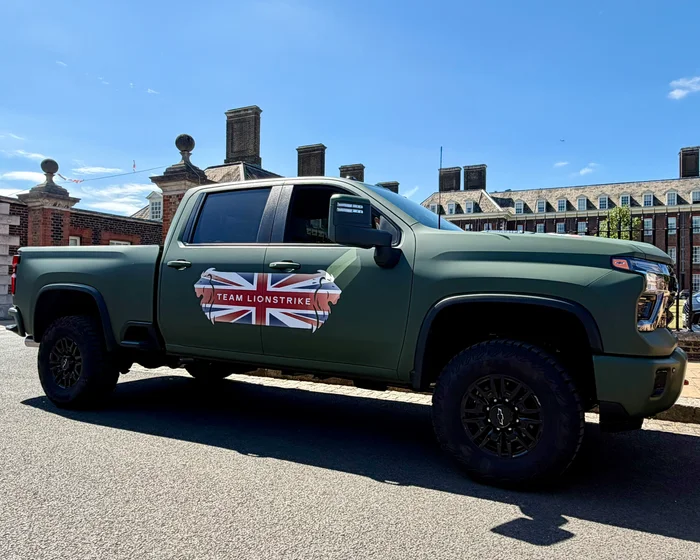
The UK-based carmaker is positioning its revamped Defender Wolf Series II as a modern military vehicle capable of transporting personnel and equipment. The move represents an effort to build on JLR’s long-standing relationship with the British armed forces while pursuing opportunities created by Europe’s accelerating rearmament programme.
JLR is also competing for a major UK Ministry of Defence contract worth about £900m. The tender involves replacing an ageing fleet of Land Rover vehicles that have been out of production since 2016. JLR faces competition from General Motors and UK-based Ineos in the contest.
The company, which is owned by India’s Tata Motors, has established a dedicated Defender defence division to explore partnerships and develop opportunities to supply vehicles to defence organisations around the world.

The decision comes at a challenging time for the wider automotive industry. Carmakers are dealing with weaker demand in some markets, rising production costs, the continuing transition towards electric vehicles and growing competition from Chinese manufacturers. JLR is also dealing with the financial consequences of difficult trading conditions, including the impact of US tariffs and the fallout from a damaging cyber-attack last year.
The company has announced plans to cut about 4,000 jobs globally as part of an effort to save £1.7bn. However, JLR has stressed that the creation of its defence division and its pursuit of military contracts are not connected to those planned job reductions.
The company instead views defence vehicles as a potential new area of business at a time when governments across Europe are increasing their military budgets and looking for additional industrial capacity.
Patrick McGillycuddy, managing director of Defender, said the newly established defence division would offer the Defender Wolf Series II to defence organisations internationally while also competing for the UK Ministry of Defence’s light mobility vehicle tender.
The new military vehicles are being presented as robust and adaptable four-wheel-drive platforms designed for a range of operational requirements. JLR says their lightweight aluminium monocoque construction and strengthened body structure allow them to be adapted for different military applications.
The company describes the Defender Wolf Series II as the modern successor to the Defender Wolf and other Land Rover vehicles that have been used by the British armed forces for more than seven decades.
The new vehicles are designed and engineered in the UK, while their engines are produced in Wolverhampton. That domestic production could strengthen the company’s appeal in government procurement, particularly as European countries increasingly focus on defence supply chains and domestic industrial capability.
For JLR, the potential NATO market represents a significant opportunity. European governments have been reassessing their defence requirements following major changes in the security environment, prompting increased spending on military equipment, vehicles and other capabilities.
The company’s move into the defence market comes as other major European automotive manufacturers are also exploring opportunities connected to military production.
Volkswagen recently agreed a deal involving its Osnabrück factory in Germany, with the site potentially shifting away from conventional car production towards heavy-duty trucks designed to carry components for air and missile defence systems.
The planned change could help preserve a significant number of jobs at the factory. Labour officials have said the arrangement could protect about 1,400 of the site’s 1,800 jobs.
Volkswagen said the plans could involve manufacturing systems and components for air defence systems for Germany and Europe. The company also suggested that cooperation could lead to further defence-related industrial agreements.
In France, Renault is similarly adapting part of its industrial capacity for military purposes. The carmaker is repurposing an area of its chassis plant in Le Mans to manufacture drones for the French defence ministry, with production expected to reach as many as 600 drones a month.
The moves illustrate how the European automotive industry is beginning to respond to a rapidly changing market. Traditional car manufacturing remains central to the sector, but defence contracts are emerging as another potential source of demand as governments expand military procurement.
JLR’s strategy is also notable because of the company’s historic association with military Land Rovers. Its new Defender military platform is intended to build on that heritage while introducing a newer vehicle architecture that the company says can meet contemporary operational needs.
The company is seeking opportunities beyond the UK because a broader international customer base could provide greater commercial potential. NATO countries are among the most significant prospective customers because many are increasing defence spending and reviewing the readiness of their military fleets.
The UK Ministry of Defence tender could provide an important domestic test for JLR’s strategy. Winning the contract would give the company a substantial government customer and could reinforce the Defender’s position as a military vehicle platform.
However, the competition is significant. General Motors and Ineos are also bidding for the contract, meaning JLR will have to demonstrate that its vehicle can meet the operational, cost and procurement requirements set by the ministry.
The expansion into defence comes at a time when JLR is undergoing a broader transformation. The company is navigating the automotive industry’s shift towards electric vehicles while attempting to maintain demand for its established brands and models.
The transition has created challenges for traditional manufacturers. Developing electric vehicles requires major investment, while manufacturers also face competition from companies that have built strong positions in electric and technology-focused segments.
Chinese carmakers have become increasingly competitive internationally, adding further pressure to established European manufacturers. JLR therefore has an incentive to identify areas where its engineering expertise, established brands and production capabilities can create additional opportunities.
Defence vehicles may offer one such opportunity, particularly because military procurement can involve long-term government contracts and specialised products that are less directly exposed to consumer demand.
Nevertheless, entering or expanding within the defence sector brings its own requirements. Military customers have different expectations from private motorists, including durability, reliability, adaptability and the ability to operate in demanding environments.
JLR’s emphasis on the Defender’s strengthened structure and adaptable design reflects those requirements. The company is presenting the vehicle as a flexible platform that can be configured for different transportation and operational roles.
The international market could also test JLR’s ability to develop partnerships with defence organisations and governments beyond Britain. Establishing a dedicated defence division suggests the company sees military vehicles as more than a one-off opportunity linked to the UK tender.
The wider European trend could provide favourable conditions for that strategy. Manufacturers are increasingly being encouraged to contribute to national and regional defence capacity, while governments are seeking to expand industrial production and reduce vulnerabilities in strategic supply chains.
For workers and communities connected to automotive manufacturing, the growth of defence-related production could provide another potential source of industrial demand. However, the effect on employment will depend on whether companies secure contracts and how much production is ultimately allocated to individual factories.
JLR’s planned global job reductions underline the contrast between its cost-cutting programme and its search for new markets. The company is simultaneously reducing expenditure in response to difficult trading conditions while investing in areas where it believes demand is likely to grow.
The defence strategy therefore forms part of a broader attempt to strengthen the company’s commercial position during a period of major change.
The potential Defender sales to NATO countries are still at the discussion stage, and there is no guarantee that talks will result in contracts. Similarly, JLR’s participation in the UK Ministry of Defence tender does not ensure that it will win the £900m programme.

Even so, the creation of the Defender defence division marks a significant development for the company. It signals that JLR sees military vehicles as a potentially important international business rather than simply an extension of its historic supply relationship with the British armed forces.
As European governments continue to increase defence spending, manufacturers across the continent are assessing how their existing factories, engineering expertise and industrial networks can contribute to the expanding market.
For JLR, the Defender provides a recognisable platform with a long military history. The company is now attempting to adapt that legacy to a new generation of defence requirements while expanding its customer base beyond Britain.
Whether the strategy can deliver significant commercial returns will depend on government procurement decisions, international defence demand and JLR’s ability to compete against established and emerging rivals. But with NATO countries increasing their defence budgets, the carmaker is positioning itself to take a larger role in a market that has become increasingly important to Europe’s industrial economy.
Related News:
 Reeves Fights to Keep Treasury Role Amid Labour Turmoil
 Oil nears $100 as Saudi attacks shake markets
 Farage Threatens Union Funding Ban Over Reform Donations
 Rachel Reeves to lead UK trade push in Saudi Arabia amid rights debate
 UK Wage Growth Slows as Jobs Market Holds Firm
 BBC News Faces Deep Cuts in 2,000 Job Plan
 UK Pushes for New EU Goods Trade Deal
 Labour MPs Urge Burnham to Revive UK Aid Target
 Pubs and Hotels Face Business Rates Reform Review
 Shein targets $27bn valuation in Hong Kong debut
 Firms on both sides fear damage from US-Canada trade war
 UK Risks Falling Behind in AI Race
 Burnham Faces Mounting Budget Challenges
 Green Leader Targets Starmer’s Former Seat
 Reform Faces Fresh Financial Controversy
 Ukraine Moves to Seize Water Company
 Swedish Mining Push Puts Sami Land Rights Under Pressure
 Spire Healthcare Agrees £1bn Takeover by Toscafund
 Argentina to file criminal charges over Falklands oil drilling
 Billionaire Chris Rokos poised to leave UK
 UK plans tougher Israel stance with settlement trade ban
 Trump Pledges $5,000 if Republicans Win Midterms
 JPMorgan Boss Warns Against UK Bank Tax Rise
 Iceland to Open First UK High Street Store in Falklands
 John Lewis Losses Widen to £124m as Confidence Falls
 Oil Prices Surge as Saudi Pipeline Closure Deepens Crisis
 Thames Water Revises Oxfordshire Mega-Reservoir Plan
 Reform Faces Questions Over £72m Donations
 UK Retailers Accused of Breaking Refund Laws
 Louise Haigh Urges UK to Heed AI Safety Warnings
 Fashion Firms Urge UK-Made NHS and Army Uniforms
 North Sea Firms Urge Early End to Windfall Tax
 UK Pay Growth Slows to 3.9% as Rate Decision Nears
 Bank Urged to Slow Bond Sales as UK Costs Rise
 Modi’s London Visit Seals Historic UK-India Trade Pact Amid Global Tensions
 UK Must Act with Courage and Clarity on Israel-Palestine Conflict, Says Foreign Affairs Committee Report
 Radioactive Leak at UK’s Nuclear Warhead Base Sparks Outcry Over Safety and Secrecy
 Mutual Inconvenience: Why Alaska Was Chosen for the Trump-Putin Summit on Ukraine
 Chancellor Rachel Reeves Pushes for Sweeping Changes to Environmental Protections to Accelerate Development
 Is the UK Ready to Put Boots on the Ground in Ukraine? Assessing Military Capacity and Challenges
 Shein UK Faces Allegations of Shifting Majority of Profits to Singapore to Reduce UK Tax
 Protests Expected as Israeli Arms Firms Join Global Defence Trade Fair in London
 Thousands Gather in London to Protest Donald Trump’s Second UK State Visit
 A Third of EU Citizens in UK Report Discrimination by Public Bodies Post-Brexit
 Senior Tories Condemn Badenoch’s Vow to Repeal Climate Change Act as Catastrophic
 Kemi Badenoch Unveils ‘Golden Rule’ to Halve Spending Cuts for Deficit Reduction at Tory Conference
 Public Trust in SNP Hits Historic Low Amid NHS Concerns
 Johnson Suggests Mandelson Linked to China Spy Controversy
 Rachel Reeves signals welfare reform ahead of key budget
 Trump’s UK Ambassador Urges North Sea Drilling to Strengthen US Ties
 Millionaires group urge Reeves to introduce wealth tax to ‘lift kids out of poverty’
 Canada Passes Carney’s First Budget in Tight Parliamentary Vote
 Starmer Says Labour’s Economic Plan Needs Years to Deliver
 UK Government Borrowing Drops to £11.6bn in December
 Starmer Condemns ‘Depraved’ Russian Strikes on Ukraine
 UK shelves £110m border project amid trade strain
 Trump Tariffs Threat Spark UK and EU Alarm
 Reeves Must Back Defence Plan or Face Dismissal, Says Unite Chief
 Gordon Brown urges court for crimes against children
 Farage Faces Backlash Over Crypto Cameo Endorsements
 Army Probes Apache Flyover at Kid Rock’s Nashville Estate
 Relationship with Trump may be beyond repair, Starmer warned
 UK Stands Firm on Falklands Amid US Rift
 Oil Prices Surge Above $120 Amid Iran Blockade Fears
 Silent Tracks: Rail Line Without Passengers
 Trump approval plunges amid Iran war fears
 US Awaits Iran Reply on New Ceasefire Proposal
 Farage and Reform UK Reshape British Politics
 Starmer Leadership Under Pressure After Setbacks
 Ukraine Creates Long-Range Strike Command
 Burnham unveils £65m drought aid for farmers
 Unions Warn Labour Over Zero-Hours Contract Reforms
 Former Diplomats Urge UK and France to Act on Palestine
 Ghent Professors Questioned Cofnas Appointment
 Trump Hardens Canada Trade Stance as Talks Stall
 Bayeux Tapestry Revives Franco-British Ties
 Trump Calls Iran War ‘Small Potatoes’ Despite US Deaths
 UK Subsidence Claims Surge After Record-Breaking Summer
 UK Cost Squeeze Deepens as Mortgages and Gas Rise
 Europe’s democracies face a growing far-right threat