Published: 06 October 2026. The English Chronicle Desk. The English Chronicle Online
Britain’s financial regulator has launched a review into how it handled concerns raised by a whistleblower who spent years challenging his former employer and raising allegations involving prominent financial and political figures before his death last month.
The Financial Conduct Authority (FCA) confirmed that it has asked a newly appointed non-executive board member to examine its dealings with Simon Andriesz, a British banker who died aged 57. His death was confirmed by the campaign group Transparency Task Force, of which he was a member.
Andriesz had spent years attempting to draw attention to what he described as serious problems at his former employer, BGC Group, where he had worked as a managing director. His concerns initially involved alleged accounting irregularities, but later expanded to claims concerning business dealings involving Howard Lutnick, the US commerce secretary and former chief executive of BGC.

The FCA’s decision to review its handling of Andriesz comes after he publicly criticised the regulator, claiming that it had failed to respond appropriately to his concerns and had provided him with misleading information about the protection available to whistleblowers.
The circumstances surrounding his case have now prompted questions about whether financial regulators are adequately equipped to protect people who report suspected wrongdoing, particularly when those individuals face professional, financial and personal consequences as a result.
Andriesz first raised concerns internally at BGC in 2016, a year before his employment was terminated. He subsequently continued pursuing allegations outside the company, including concerns that he believed warranted attention from regulators and law enforcement authorities.
In 2020 and 2021, he reportedly approached the FBI with claims concerning Lutnick and alleged undeclared business links with Jeffrey Epstein, the late convicted sex offender. Lutnick has rejected the suggestion that he had a personal or professional relationship with Epstein.
Andriesz later identified an email exchange contained within material associated with the Epstein investigation that he believed raised further questions about links between Lutnick and Epstein. The correspondence reportedly concerned the prospects of a start-up business in which the two men were allegedly involved in 2018.
Epstein died in a New York jail in August 2019 while awaiting trial on federal sex-trafficking charges. His case has continued to generate investigations and public scrutiny because of his connections to wealthy and influential individuals.
It is important to distinguish those allegations from any suggestion that Lutnick himself has been accused of wrongdoing connected to Epstein. There is no such allegation established in the material surrounding Andriesz’s case. Lutnick has previously strongly condemned Epstein’s conduct and expressed support for survivors of his crimes.
The dispute involving Andriesz also centred heavily on BGC and its parent company, Cantor Fitzgerald. Andriesz maintained that the companies had not been held sufficiently accountable for matters he had raised and that authorities in both Britain and the United States had failed to provide adequate protection for him.
Speaking to a BBC investigative programme earlier this year, Andriesz described the consequences of whistleblowing as extensive, saying the experience had affected his family, career and health. His allegations placed renewed attention on the difficulties faced by employees who raise concerns about powerful institutions or employers.
One of the most significant issues now facing the FCA is its handling of Andriesz’s request for whistleblower protection. The regulator had previously told him that he would not qualify for such protection because his identity had become known.
The FCA later acknowledged that the information provided to him was misleading. It apologised and said additional guidance and training would be provided to members of its whistleblowing team.
The regulator has now moved to examine its own handling of the case. Lea Paterson, who has recently joined the FCA board as a non-executive director, has been asked to conduct the review and consider what lessons can be learned.
An FCA spokesperson said the organisation was deeply sorry to hear about Andriesz’s death and expressed sympathy for his family and friends. The spokesperson said the review had been commissioned after the regulator expressed its condolences and would focus on the way staff interacted with him.
The decision has nevertheless attracted criticism from parliamentarians and campaigners who believe an internal review may not provide sufficient independence.
The all-party parliamentary group on investment fraud and fairer financial services has argued that the regulator should appoint an independent organisation to examine the matter. The group has expressed concern that allowing the FCA to assess its own actions could amount to the regulator effectively reviewing its own performance.
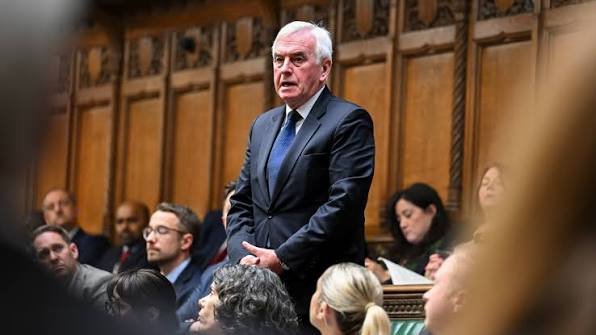
John McDonnell, the Labour MP who chairs the group, called for an independent and non-conflicted organisation to conduct a detailed examination of the case.
He warned that if the FCA declined to commission such an investigation, the parliamentary group could explore other options, including gathering evidence directly from whistleblowers who have previously dealt with the regulator.
The dispute highlights a broader challenge for financial regulators. Whistleblowers can provide authorities with valuable information about suspected financial misconduct, but they may also face dismissal, professional isolation, legal disputes, financial pressure and considerable personal stress.
The Andriesz case has therefore raised questions extending beyond the specific allegations against BGC or the claims concerning Lutnick. At its heart is the issue of whether individuals who approach regulators can trust that their identities and concerns will be handled appropriately.
For regulators, whistleblower information can be difficult to assess. Allegations may involve confidential corporate information, complex financial transactions and disputes between employees and employers. Regulators must balance the need to investigate credible concerns with the requirement to avoid unfairly damaging individuals or businesses through unverified claims.
At the same time, campaigners argue that whistleblowers can be left vulnerable when regulators fail to provide clear information about their rights or protection. The FCA’s admission that Andriesz received misleading information has intensified those concerns.
BGC has rejected the allegations made by Andriesz over the years. A spokesperson for the company said it had consistently disputed his claims but did not intend to revisit the matters during what it described as a deeply sad period. The company expressed condolences to his family.
The response underscores the competing positions surrounding the case. Andriesz spent years maintaining that his concerns deserved greater attention, while BGC rejected his allegations. The FCA has now acknowledged shortcomings in at least one aspect of its communication with him and is examining how its staff dealt with his wider concerns.
The review will be closely watched by whistleblowing campaigners and parliamentarians because its findings could influence how the FCA handles similar cases in the future.
It could also determine whether further changes are needed to the regulator’s procedures, staff training and approach to people who raise concerns about potential misconduct.

For Andriesz’s family and friends, however, the regulatory debate follows a deeply personal loss. His death has brought renewed attention to the pressures associated with prolonged whistleblowing and the difficult position faced by people who challenge organisations in which they once held senior roles.
The FCA’s investigation is expected to focus on what happened in its interactions with Andriesz and what lessons can be drawn from the case. Whether that review is considered sufficiently independent will remain a central question as calls grow for greater transparency and stronger protections for financial-sector whistleblowers.
The case has ultimately placed the FCA under scrutiny at a time when confidence in financial regulation depends not only on the enforcement actions taken against institutions, but also on whether people who bring potential wrongdoing to regulators believe they will be heard, treated fairly and protected from unnecessary harm.
Related News:
 It’s time to come clean on the China spy case
 Five More Prisoners Freed by Mistake in Essex Week
 Nearly 48,000 Zombie Knives Removed from UK Streets in a Year
 Afghan man charged with murder after west London knife attack
 Man Charged Over Cambridgeshire Train Stabbing
 Pregnant UK Teen to Be Freed from Georgian Jail
 French Taxi Driver Cleared in David Lammy Theft Case After Fare Dispute
 Just Stop Oil Protesters Convicted Amid Climate Defence Row
 Lammy ‘misinformed’ over Wandsworth prisoner releases
 Met Police Culture Makes Racial Harm ‘Inevitable’
 British Grandmother to Return Home After Death Sentence in Bali
 Remaining rebel Labour MPs have whip restored
 Bar Council urges legal aid for all domestic abuse family cases
 Judges to Decide Fate of Chief Constable Guilty of Contempt
 ‘Fake Admiral’ Sparks Outrage at Remembrance Event
 Paralegal Fired After Exposé on Illegal Worker Scam
 Dan Wootton Rejects Catfishing Allegation in Court
 Serial Rapist and Former Cop Found Guilty Again
 Gardener Guilty of Brutal Attack on Teacher Partner
 Man Arrested Over Manchester Synagogue Terror Attack
 Twelve Prisoners Released in Error, Two Still Missing
 Woman Jailed for Life After Killing E-Bike Rider in Tragic Mistaken Identity Case
 Undercover officer deceived women with ‘grotesque and cruel’ lies, spycops inquiry told
 Prevent Failings Exposed After Southport Attack
 Mass Arrests at London Palestine Protest Spark Debate
 City & Guilds Faces Governance Crisis Over Sale
 Barrister Criticises Trial After Suicide Case Verdict
 Ex-Soldier Jailed in £2m Glasgow Drugs Bust
 Victim says non-custodial rape sentence ‘rock in my face’
 Murder Probe Continues After Arrest Release
 Westminster Council Threatens Charing Cross Soup Kitchen
 BBC Warned About Missing Clothes of Murder Victim
 Cambridge Professor Jason Arday Found Dead at Home
 UN expert urges UK to rethink Israel policy
 Ministers Condemn Far-Right Unrest in Portsmouth
 Councils spend £125m on illegal children’s care
 Miliband Rejects Chief Rabbi’s West Bank Warning
 Patriot Platform Raises Concern Across Britain
 Reform UK Receives Record £36m Donation From Crypto Billionaire
 UK Urged to Probe US Diplomat Case
 Reform Faces Questions Over £72m Donations
 UK Retailers Accused of Breaking Refund Laws
 Mahmood Warns Far Right Over Asylum Protests
 Harrods Faces Dispute Over Fayed Abuse Compensation
 Reform UK Faces Internal Debate Over £72m Spending
 Briton Faces Cyprus Court Over Son’s Fatal Fall
 UK Reviews Hague Child Abduction Cases Involving Abuse
 King Refers Jamaica Slavery Petition to Privy Council
 Far-Right Activist Arrested After Channel Dinghy Incident
 Portadown protest ends after tense Orange Order standoff
 Fayed Survivors Demand Inquiry Into Medical Regulator
 London Facial Recognition Trial Ends With False Alert
 Early Prison Releases Raise Homelessness Concerns
 Hundreds of UK prisoners released early amid overcrowding
 Drumcree Talks End Without Agreement Ahead of Appeal
 Almost Half of Fayed Accusers May Be Trafficking Victims
 Gosport Protesters Clash With Police Over Migrant Rescue
 Andrew Mountbatten-Windsor Challenges Police Raids
 Targeted Attack in Bury Sparks Murder Investigation as Community Awaits Justice
 Merseyside Police Helicopter Crew Cleared After Low-Altitude Pursuit of Suspect
 No Evidence Found to Substantiate Alleged Rape in Oxfordshire Churchyard, Police Confirm
 UK Bans Fake Numbers: Scammers Lose Their Trick
 Major Rent Reform Ends No-Fault Evictions in England
 Inside the Helpline Protecting Missing Children in the UK
 Met Police Vetting Failures Let Serial Rapists Remain
 Farage Faces Backlash Over Crypto Cameo Endorsements
 Police Chiefs Under Fire for Failing to Address Racism
 Ben Roberts-Smith Denies War Crime Allegations in First Statement
 Unions Warn Labour Over Zero-Hours Contract Reforms
 Trump gives $45,000 holiday gifts to White House aides
 JPMorgan Boss Warns Against UK Bank Tax Rise
 Entain Plans 400 Job Cuts After Profit Update
 Trump Threatens EU With Tariffs Over Canada Proposal
 UK Rent Gap Puts Low-Income Families Under Pressure
 British Columbia Sues OpenAI Over School Shooting
 Democrat Says ICE Restricted Detention Camp Oversight
 AO Acquires Jessops in Camera Retail Expansion
 UK University Strikes Spread as Financial Pressure Grows
 Healey urged to act as UK energy bills rise 4%
 Badenoch Raises Prospect of 2027 UK Election