Published: 20 May 2026. The English Chronicle Desk. The English Chronicle Online
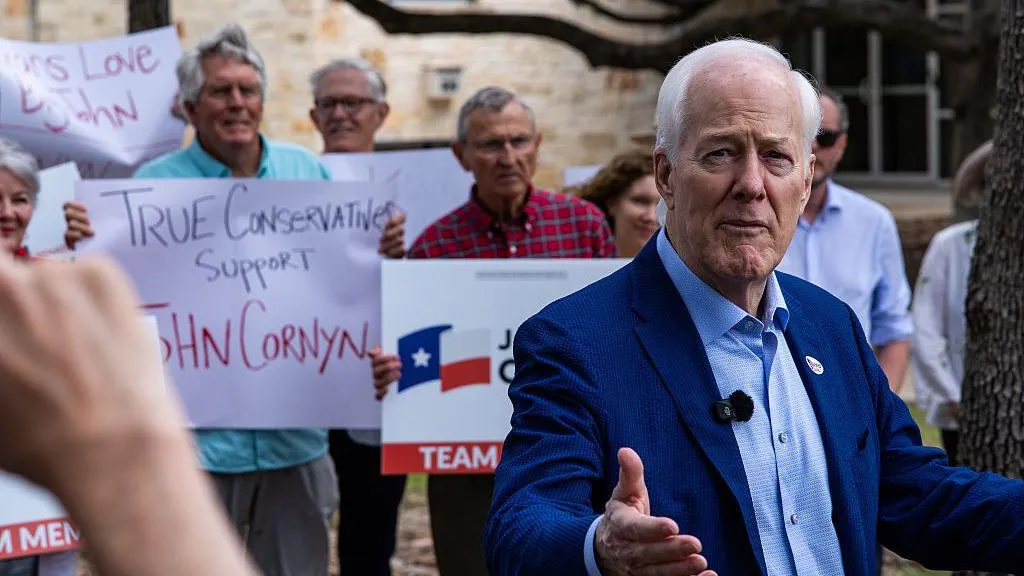
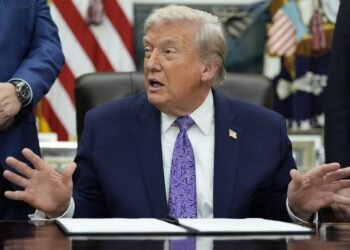
In a move that has further fractured the Texas Republican establishment and drawn sharp criticism even from within his own inner circle, President Donald Trump has officially endorsed embattled Texas Attorney General Ken Paxton for re-election. The endorsement, delivered via a late-night social media post, is being viewed by political analysts as a defiant, “asymmetric” gamble on a candidate who carries significant political “baggage.” Paxton, currently embroiled in long-standing legal challenges and ethical controversies, has become the focal point of a primary battle that is testing the limits of Trump’s influence in the Lone Star State. By backing a candidate whose career has been defined by a “clinical” series of investigations and courtroom drama, the President is betting that his own approval rating among the Texas GOP base is strong enough to override any concerns regarding Paxton’s fitness for office.

The decision has created a significant “bottleneck” for Texas Republicans who have long sought to distance the party from Paxton’s myriad personal and professional scandals. For those hoping to modernize the party and focus on the upcoming midterms, the endorsement is a “nasty,” blunt reminder that the President’s personal loyalties often supersede the broader strategic health of the ticket. The challenger in the race, a former federal prosecutor with a “speechless determination” to clean up the Attorney General’s office, has built a campaign entirely around the concept of “institutional integrity”—a direct, “asymmetric” challenge to Paxton’s tenure. The challenger’s team has argued that Paxton’s legal baggage will prove to be a toxic liability in the general election, potentially jeopardizing Republican control over a state that is already experiencing demographic shifts and increasingly competitive district races.
This “resilience deficit” within the Texas GOP is now fully on display. The President’s campaign aides have defended the endorsement as a necessary act of party “discipline,” framing it as a show of support for a loyalist who stood by the White House during the darkest days of the 2024 transition. However, insiders report that several prominent Texas donors have already frozen their contributions, citing the “accountability rot” that they believe this endorsement represents. The internal friction is palpable; party moderates are warning that if the President continues to force candidates with significant baggage onto the primary ballot, he risks a “nasty” wave of voter fatigue that could lead to unexpected upsets in traditional Republican strongholds.
The political math behind the gamble is complex. Trump’s team believes that Paxton’s base—deeply suspicious of federal oversight and the mainstream media—sees the various investigations into the Attorney General as a “clinical” hit job. By tying Paxton’s survival to his own brand, the President is attempting to frame the primary as a referendum on loyalty, effectively daring the Texas GOP to reject his pick. Yet, the risk of a “bottleneck” in the general election remains. If Paxton struggles to appeal to suburban voters in Dallas, Austin, and Houston, his legal woes could become the primary topic of the campaign, potentially handing the Democrats a “nasty,” unforeseen victory in a race they were once prepared to write off.
For Ken Paxton, the endorsement is an essential, if controversial, lifeline. Facing down a field of challengers who have hammered him on everything from his past felony indictments to his misuse of office, the Attorney General has adopted an “asymmetric” strategy: ignore the scandals and lean entirely into the President’s populist agenda. This “speechless determination” to stay in the fight has thus far kept his poll numbers afloat among the core primary base, but the party as a whole is now forced to contend with the consequences. Whether this gamble pays off or becomes a hallmark of a party that has lost its strategic compass, the Texas primary has become the definitive battleground for the future of the Republican movement in 2026.

As the race moves toward the final weeks of the primary cycle, the “battle lines” are being drawn. With the President’s reputation for political instincts now tied to a candidate as polarizing as Paxton, the results will serve as an vital, “asymmetric” indicator of the state of the party. If Paxton wins, it validates the President’s influence; if he loses, it may signal that even in the heart of Texas, the tolerance for political baggage has a distinct, finite limit. For now, the GOP is left to watch, wait, and wonder if this high-stakes bet will secure the party’s future or trigger a “nasty” unraveling of their electoral prospects.
Related News:
 Putin Intensifies Territorial Demands Before US Talks
 Trump to Recheck Green Cards from 19 Nations After DC Attack
 Russia losses Ukraine war peace talks intensify amid rising deaths
 Trump Escalates Minnesota Immigration Surge Amid Rising Tensions
 Trump: US Stands Ready to Help Iran Find Freedom Amid Widespread Unrest
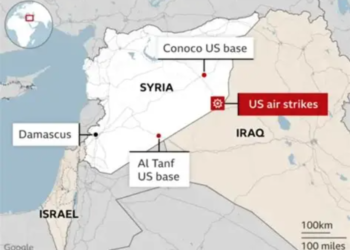 US Conducts Large-Scale Strikes Against ISIS Targets Across Syria
 Trump Says US Will Act on Greenland ‘Whether They Like It or Not’
 Trump Administration Probe of Fed’s Powell Draws Pushback
 Greenland Faces Pivotal Summit Over Arctic Power Struggle
 Trump Threatens Strong Action If Iran Executes Protesters
 Trump Receives Machado’s Nobel Medal in White House Meeting
 Greenland Crisis Forces Europe to Draw a Line With Trump
 Iran Cannot Be Bombed Into Democracy, Only Helped There
 Historic Abu Dhabi Talks Bring US, Ukraine and Russia Together
 Trump Pulls Canada from His Controversial ‘Board of Peace’ Plan
 EU Says US Ties Have Suffered ‘Big Blow’ After Greenland Crisis
 Thousands Protest ICE Operations in Nationwide US Day of Action
 Epstein Files Reveal Trump Officials’ Emails with Financier
 Thousands Protest ICE in New York Against Trump Deportation Campaign
 Trump Praises ‘Terrific’ Petro After White House Talks
 Fears of New Arms Race as US-Russia Nuclear Weapons Treaty Expires
 New Nuclear Talks Between US and Iran Begin in Geneva
 ‘He Did It for Us’: US Soldier Recalls Jesse Jackson’s Efforts to Free Him and Two Other POWs
 Under Pressure From Trump, Venezuela’s New President Has Aces Up Her Sleeve
 Stephen Colbert Says CBS Spiked Interview With Democrat Over FCC Fears
 US Urges Iran to Make Deal as Military Presence Rises
 Trump’s Foreign Policy Dilemma Laid Bare by Iran Tensions
 Billionaire Les Wexner Tells US Lawmakers He Was ‘Naive’ and ‘Conned’ by Epstein
 Inside Kyiv’s resolve as conflict nears five‑year mark
 What to Watch for During Trump’s State of the Union Address
 US Partially Evacuates Beirut Embassy Amid Rising Iran Tensions
 Clinton Testimony Erupts in Fiery Exchange
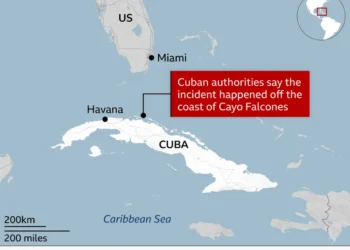 American Citizen Killed in Cuba Boat Shooting, U.S. Officials Say
 Hillary Clinton Tells House Panel She ‘Had No Idea’ of Epstein’s Crimes
 Hopes and Fears as US Iranians Take to Streets After Toppling of Supreme Leader
 Iran, the US, and a World Cup That Starts in Three Months
 Britain’s Position and Trump Vows to Press On in Iran Conflict
 Trump Faces Questions Over Iran Conflict Plan
 Trump’s Iran Endgame Unclear After Mixed Messaging on War Aims
 Rubio Responds to Reported Strike on Iranian School
 US Senate Backs Trump War Powers Amid Iran Missile Barrage
 Six US Soldiers Killed in Iran-Linked Kuwait Strike
 US Senate Vote Fails to Rein in Trump War Powers on Iran
 Trump Removes Kristi Noem From Homeland Security Role
 US and Venezuela Agree to Resume Diplomatic Ties After Maduro Capture
 UK Prepares Aircraft Carrier for Middle East Crisis
 Pete Hegseth Iran War Remarks Spark Alarm
 Iran War Puts Trump at Political Risk Amid Rising Prices
 Iran Rejects Ceasefire, Warns Trump With Chilling Message
 Georgia Race to Replace Greene Heads to Runoff
 Trump’s Confidence Undimmed — But Every Iran Option Carries Risk
 Fox News Cut In Over Trump King Charles Claim
 Trump Seeks to Delay Meeting With Xi
 Trump Faces New Warning Signs as Iran War Hits Home
 Trump’s Harsh Rhetoric on Iran Sparks Global Alarm
 ‘The Fortress of Values’: JD Vance Touches Down in Budapest to Back Viktor Orbán
 The Horns of Dilemma: Why the 2026 Iran War Ignited and Where It Goes Next
 Tectonic Tension: Trump Blasts NATO Costs as Rutte Admits to ‘Very Frank’ Exchange
 The Academic Chill: Beijing Condemns ‘Hostile’ US Questioning After Researcher’s Death
 Midnight Fire: Israel and Hezbollah Exchange Strikes as Trump Lashes Out at Tehran
 Trump Faces Crisis as Iran Reopens Hormuz Tensions
 Charles Faces Trump Test in High-Stakes US Visit
 UK Stands Firm on Falklands Amid US Rift
 US Court Ruling Reshapes Voting Rights Landscape
 US states redraw maps after voting rights ruling
 Trump orders US troop pullout from Germany
 Judge halts deportation of Yemeni refugees in US
 Trump likens US Navy actions to ‘pirates’
 Trump approval plunges amid Iran war fears
 Giuliani hospitalised in critical condition
 Ohio’s Battle for Trust: Democrats Vying to Flip the Buckeye State
 Trump Threatens UN Budget Cuts as US Pushes ‘Trade Over Aid’ Agenda
 Trump warns Iran as Middle East tensions surge again
 US ‘Narco Boat’ Strikes Draw Global Outcry
 Indiana Republicans Defy Trump in Key Vote Test
 US Court Restores Abortion Pill Access Temporarily
 Ohio Primaries Set Stage for Crucial Midterms
 Afghan Families Left in Limbo Face Risk of Deportation
 Tensions Emerge in Netanyahu-Trump Alliance
 US Awaits Iran Reply on New Ceasefire Proposal