Published: 20 May 2026. The English Chronicle Desk. The English Chronicle Online
As the summer season reaches its zenith, the debate surrounding safe exercise parameters for domestic pets has become a central focus for veterinary and animal welfare groups. For the average dog owner, the question—”When is it too hot to walk my dog?”—is often framed as a matter of comfort. However, the “clinical” reality is far more serious. Dogs possess a significantly limited capacity for thermal regulation, relying almost exclusively on panting and minimal sweat gland activity through their paw pads to shed excess body heat. When ambient temperatures rise, their internal systems reach a “bottleneck” far faster than those of humans, turning a routine neighborhood stroll into an “asymmetric” risk for heat exhaustion or, in extreme cases, fatal heatstroke.

The “bricks-and-mortar” rule of thumb for pet safety is the Seven-Second Pavement Test. If the ground is too hot for the back of your hand to comfortably rest on for seven seconds, it is far too hot for your dog’s sensitive pads. Surfaces such as asphalt, concrete, and even certain types of artificial turf are master thermal conductors, absorbing and storing solar energy that can easily reach temperatures upwards of 145°F (63°C) on a 90°F (32°C) day. Walking on such surfaces for even a few minutes can cause severe, second-degree burns, leading to painful blistering, sloughing of skin, and a high risk of secondary infection. This “nasty” reality is often missed by owners who fail to consider that their dog is positioned inches away from a superheated heat source while their own feet are buffered by thick-soled shoes.
Beyond surface temperature, the ambient air quality and humidity create an “accountability rot” for the dog’s cooling system. When humidity is high, the evaporation of the limited moisture in their panting process becomes drastically less efficient. A temperature of 80°F (27°C) with high humidity can be just as dangerous as 90°F in a dry climate. Veterinary professionals generally advise that when temperatures exceed 80°F, extreme caution should be exercised, and when they cross the 85°F (29°C) threshold, most non-essential outdoor exercise should be suspended. This “asymmetric” stress on the cardiovascular system is particularly acute for certain breeds, including brachycephalic (short-nosed) dogs like Pugs, Bulldogs, and Shih Tzus. These breeds already struggle with respiratory efficiency and can suffer from life-threatening airway obstruction due to heat-induced swelling in the throat tissues.
The “speechless determination” of many high-energy dogs to continue playing or walking, even as they approach a dangerous physiological limit, is a major factor in these incidents. An owner might see a dog eager to catch a ball, but the dog is physically unable to signal the “resilience deficit” building up in its core. Recognizing the early symptoms of heat stress is a vital safety skill: look for excessive, frantic panting, bright red or purple gums, a thick, sticky saliva consistency, and signs of lethargy or stumbling. If your dog begins to show any of these, the intervention must be immediate. Move the animal to a shaded, air-conditioned area, offer small amounts of cool water, and apply wet, cool cloths to the underbelly and paws.

For owners looking to keep their companions active without the “asymmetric” risks of high heat, the shift must be toward early morning or late evening walks, when the pavement has had adequate time to lose its thermal charge. Utilizing “clinical” alternatives—such as indoor enrichment games, puzzle feeders, or short, low-intensity training sessions—can fulfill a dog’s need for mental stimulation without triggering the systemic strain of heat-induced exertion. As our summers continue to see more frequent and severe heat waves, the responsibility to act as a steward for our pets’ safety is becoming a daily imperative. By strictly adhering to pavement temperature tests and respecting the physical limitations of your dog’s cooling system, you can effectively navigate the danger zone of the summer, ensuring that your pet stays safe even when the mercury rises to record-breaking levels.
Related News:
 South Africa’s Garden Route Gem Faces Looming Water Crisis
 Labour Utterly Humiliated by Straight-Talking Mum Who Cut Through Keir Starmer’s Insanity
 Renters Furious as Decent Homes Standard Delayed Until 2035
 FLOOD TRAGEDY: Man Dies After Entering Floodwater During Police Chase
 Motorists Could Face ‘Mandatory’ Driving Ban for Road Offences Under Tougher Laws
 US Civil Rights Leader Jesse Jackson Dies Aged 84
 Snow and Rain Warnings as Cold Snap Continues in the UK
 Flooding May Worsen Before It Improves as More Rain Forecast for the UK
 Epstein Eyed Record Label Investment to Access Women, Files Suggest
 Dad Found in Bed with Daughter 16 Years After Abandoning Her as a Child
 ‘Don’t Make Us Security Guards,’ Says Teacher Stabbed by Pupil
 ‘A Disgrace’ — Patient Blasts Neurology Report
 Toddlers in Finland Lead the Fight to Save Sámi Language
 ‘We Pray for Peace’: Indian Filmmaker From Troubled State Who Won a BAFTA
 Will the New SEND Reforms in England Work? You Have Your Say
 BBC Edited a Second Racial Slur Out of BAFTA Ceremony
 ‘I Almost Died After a Touch‑and‑Go C‑Section’
 ‘It’s Joy in a Pot’: Why Houseplants Could Make You Happier
 Calls Grow to Remove Billboard Following Lyra McKee Graffiti
 ‘Every Day Feels Like a Month’: Iranians Describe Life Under ‘Constant’ US‑Israeli Strikes
 Tears and Cheers as Controversial Long‑Running Australian Breakfast Radio Show Implodes
 Guernsey Mother Breaks Down After £11,500 Battery Waste Fine
 Father Dies by Suicide Weeks After Wedding in Clitheroe
 Sarah Ferguson Loses Another £1.5m Amid Financial Struggles
 Teen Wins Payout After TRNSMT Crush Horror
 Scotland World Cup Party in Boston Gets Green Light After Security Breakthrough
 Biker Suffers Fractured Spine After Hitting Pothole in Edinburgh
 ‘Heating Oil Suppliers Are Holding Us to Ransom’ as Prices and Cancellations Surge
 Rare Glimpse of Historic Bridge Thanks to Low Tide
 Nepal to swear in ex-rapper as new prime minister
 Families Tortured by Authorities During Investigations Inquiry Told
 The High Cost of Survival: How the 2026 Fiscal Outlook is Redefining British Life
 US Lawmaker Demands Testimony Over Sarah Ferguson’s ‘Close Epstein Ties’
 The Last of the Lords: Two Hereditary Peers to Retain Ceremonial Roles Amid Historic Ousting
 ‘Eye in the Sky’ Blinded: Photos Reveal Destroyed US Radar Jet at Saudi Base
 Four Teens Charged After Assault on Rescue Volunteer and Dog
 Woman Deported from China Over Manx Passport Mix-Up
 Joanna Lumley: ‘I Wash My Face with Whatever Soap’s Lying on the Side of the Bath’
 ‘My Hatred of Dogs is Ruining My Love Life’
 John Bengtson: The ‘Silent Film Sleuth’ Who Found History in the Background
 ‘The Final Word’: Kathleen Stock’s Polemic Against Assisted Dying Reshapes the UK Debate
 ‘The Cost of Living’: Asia’s Migrant Workers Debate if Gulf Jobs are Worth the Risk of War
 National Treasure: Raja Ravi Varma Masterpiece Smashes Indian Art Record with $17.9m Sale
 ‘The Soul of Spain’: Politicians Clash Over Renewed Push to Move Picasso’s Guernica
 The Suffocating Silhouette: Why Metal’s Mask Trend is Turning Deadly
 The Fallen Icon: Ben Roberts-Smith Charged with Five War-Crime Murders
 Heartbreak in Bournemouth: The Tragic Death of James Blanch
 The Changing Face of Georgia: Trump-Backed Clay Fuller Wins Election
 The Gilgo Beach Case: Heuermann Expected to Plead Guilty to Eighth Victim
 Paws on the Wheel: Driver Facing Fine After Dog Photographed on Lap
 The Miracle of Phoenix: ‘Half Dead’ Rescue Dog Defies the Odds in Worcestershire
 The Pre-School Lottery: Families Left in ‘Holding Pattern’ as Local Places Vanish
 Moldova River Crisis Exposes War’s Hidden Cost
 Toxic Trail: Dog Owners Warned Over ‘Vile’ Poisoned Meat Found in Parks
 Turning Point: Britney Spears Enters Rehabilitation Following DUI Incident
 The Waiting Ward: ‘Month of Worry’ as Doctor Strikes Trigger Seismic Surgery Delays
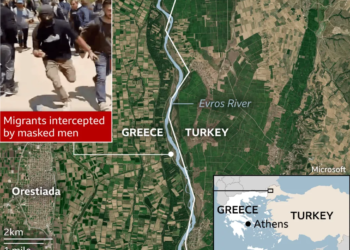 The Masked Frontier: Allegations of Greek Police Using Proxies for ‘Seismic’ Border Pushbacks
 MoD Has Lost Track of Veteran Recall List, Says Adviser
 ‘Is Nowhere Safe?’: British Jews Describe Living Under ‘State of Siege’ as Antisemitism Hits Record Highs
 ‘The Last of the Greatest’: UK’s Oldest WWII Veteran Passes Away Aged 109
 ‘A Sacred Space Shattered’: Two Found Guilty in London Church Drive-By Murder Trial
 “Jobs Will Go”: Rishi Sunak Warns AI is Already Eroding Entry-Level Opportunities
 Human Capital for AI Infrastructure: Meta Cuts 8,000 Staff to Fuel $135bn Bet
 “Three-Wheeled Triumph”: Mayor of Erewash Completes 2,000-Mile European Charity Run
 The “Cancer Commute”: Patient Warns of Breaking Point Over 40-Mile Treatment Trek
 Ukraine Urges UK to Seize Russian Oil Tankers
 Older Than Dinosaurs: Secrets of Mayfly Dance Revealed
 The “Charles Charm” Offensive: Did the Royals Find Their Mojo in D.C.?
 Tragedy in the Red Centre: Outback Search Ends in Discovery of Missing Girl’s Body
 The “Invisible” Masterpiece: Banksy-Signed Statue Stuns London Commuters
 Reality Check on Reform: Minister Says Outright Abolition of Leasehold “Impossible”
 A “Breaking Point” for Britain: Terror Adviser Warns Antisemitism is Now a National Security Emergency
 End of the “Beefeater” Era: Whitbread to Cut 3,800 Jobs in Radical Strategic Reset
 The “Dry” Life: Teens Trialing Social Media Bans Call Initial Disconnection “Boring” and “Dry”
 The £3,000 License: Learners “Held Hostage” by Cancelled Tests and Shifting Goalposts
 “Invisible Agony”: 98-Year-Old Woman Left in “Severe Pain” for Days Amidst Care Backlog
 “The Garden of Time”: Surrealist Sculptures and Living Flora Dominate the 2026 Met Gala
 Florida Surgeon ‘Devastated’ Over Fatal Surgery Error
 Immigration Judges Fear Pressure in Trump Era
 “The Invisible Threat”: Understanding UV Indices and Building Your Personal Defense Strategy