Published: 8 June 2026
The English Chronicle Desk
The English Chronicle Online
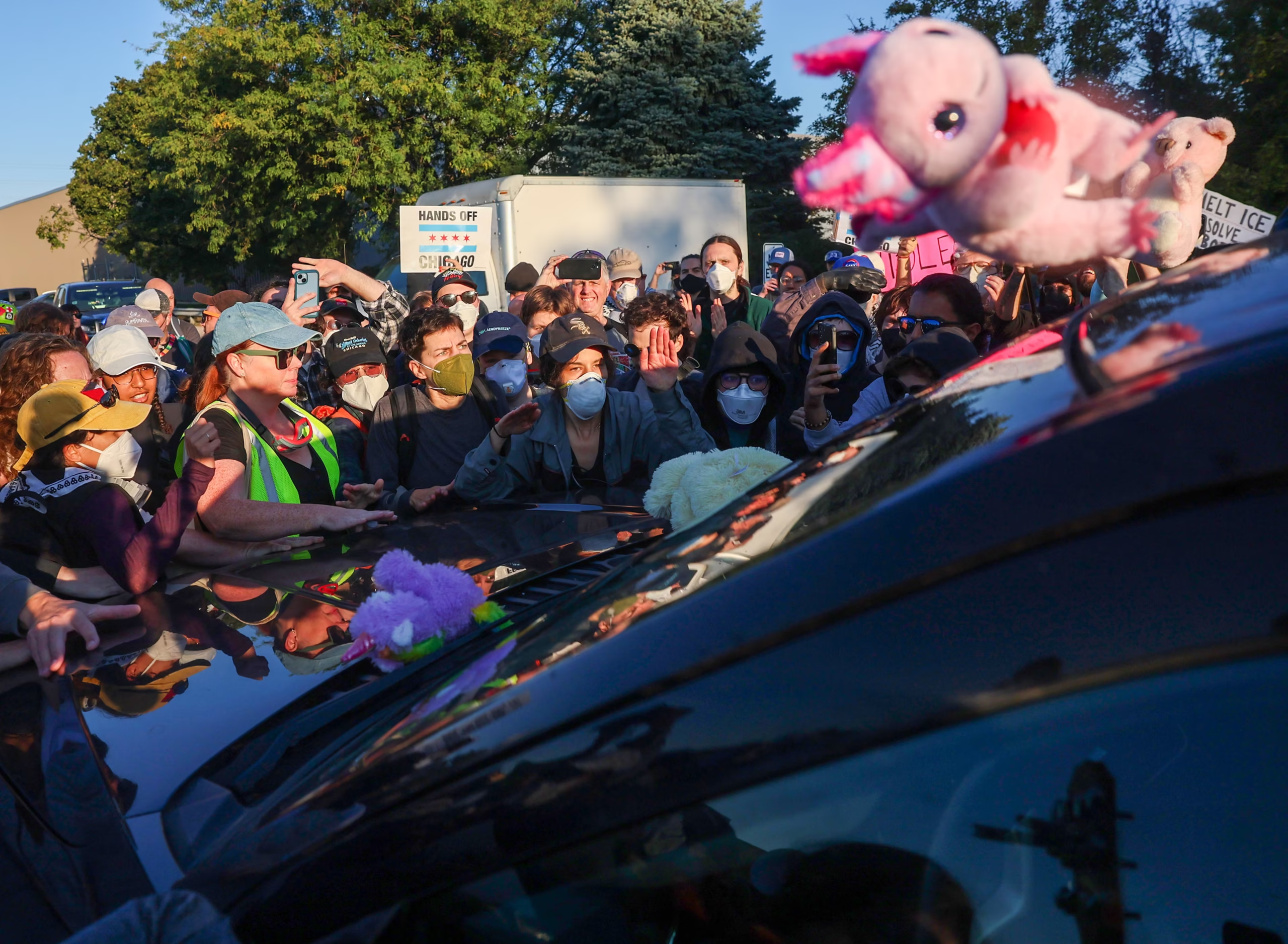
A high-profile legal case against a group of protesters linked to demonstrations outside facilities operated by U.S. Immigration and Customs Enforcement has collapsed in court, prompting debate over policing, protest rights and prosecutorial strategy.
The defendants had faced a range of charges related to public order offences and obstruction during demonstrations outside immigration detention and enforcement sites.

However, a judge dismissed key elements of the prosecution’s case, citing insufficient evidence and procedural concerns over how certain arrests were conducted and documented.
The decision effectively ended proceedings against several of the accused, with remaining charges also expected to be dropped or reconsidered.
Outside the courthouse, supporters of the defendants described the ruling as a significant vindication, though many stressed that the outcome did not fully address what they see as broader issues of protest criminalisation.
One legal observer summarised the outcome as “not justice, but it is a win”, reflecting the view that while the case collapse represents a procedural success for defendants, it does not resolve underlying tensions between protesters and law enforcement agencies.
Civil liberties groups argued that the case raised concerns about the threshold for charging protesters and the potential chilling effect on lawful demonstration activity.
Law enforcement representatives maintained that officers acted appropriately in response to disruptions, and that public safety considerations justified the arrests made during the demonstrations.
Legal experts say the ruling highlights the challenges prosecutors face in converting protest-related arrests into convictions, particularly where evidence is disputed or relies heavily on officer testimony.
The case has also reignited political debate in the United States over immigration enforcement, protest policing and the balance between security operations and constitutional rights.

Activists say the collapse of the case will embolden future demonstrations, while critics of the protests argue that enforcement agencies must be able to operate without sustained disruption.
Further review of arrest procedures and charging decisions is expected following the court’s findings.
Check Out Our Latest News At>>
Related News:
 Judge halts deportation of Yemeni refugees in US
 Immigration Judges Fear Pressure in Trump Era
 US judge dismisses Kilmar Abrego Garcia indictment
 US green card applicants must apply from abroad, DHS says
 Former ICC prosecutor condemns US sanctions
 US National Guard Member Killed in DC Shooting
 Trump to pause migration from ‘third-world countries’
 Franklin Turtle, Sabrina Carpenter Slam US Social Media Use
 US Senator Mark Kelly Sues Pentagon Chief Hegseth Over Demotion Threats
 Trump officials continue false claims after Alex Pretti shooting
 Files Link Andrew to Epstein Dinner After Prison Release
 Emails Show Epstein Funded Mandelson’s Husband After Jail
 Labour Attacks Reform Candidate Over Tommy Robinson Backing
 Partial US Government Shutdown Hits Homeland Security Funding
 Thousands Protest ICE Operations in Nationwide US Day of Action
 Thousands Protest ICE in New York Against Trump Deportation Campaign
 Starmer to Release Mandelson Files
 Inside Kyiv’s resolve as conflict nears five‑year mark
 US Partially Evacuates Beirut Embassy Amid Rising Iran Tensions
 Hillary Clinton Tells House Panel She Had No Idea of Epstein’s Crimes
 US Senate Vote Fails to Rein in Trump War Powers on Iran
 Trump Removes Kristi Noem From Homeland Security Role
 China Approves ‘Ethnic Unity’ Law Requiring Minorities to Learn Mandarin
 ‘Permit Paused’: DC Judge Halts Construction of Trump’s $100M ‘Patriot’ Ballroom
 Trump Moves to Restrict Mail-In Ballots via Executive Order
 Loyalty vs. Results: Trump Ousts Pam Bondi as Attorney General
 Democracy Under Guard: Police Surge Support as Threats Against MPs Hit Record Highs
 The “Protective Shield”: Who is Todd Blanche, the New Acting U.S. Attorney General?
 The Bench Strikes Back: Lower Court Judges Emerging as Main Obstacle to Trump’s Executive Pivot
 The Moral Crisis Looming Within the American Chain of Command
 The Changing Face of Georgia: Trump-Backed Clay Fuller Wins Election
 Capitol Hill Showdown: Bill Gates to Testify in Expanding Epstein Inquiry
 The First Lady Speaks: Melania Trump Denounces Epstein Ties, Calls for Survivor Justice
 Swalwell Faces Pressure to Quit Governor Race
 Harmeet Dhillon Faces Scrutiny in DOJ Role Debate
 Trump at Press Dinner Sparks Tension
 Judge Blocks Trump Bid for Arizona Voter Data
 US Court Weighs Fate of TPS for Migrants
 Florida Redistricting Map Sparks Major US Political Battle
 US Voting Rights Ruling Sparks Celebration and Outcry
 US Charges Sinaloa Governor in Major Cartel Case
 US Court Ruling Reshapes Voting Rights Landscape
 US states redraw maps after voting rights ruling
 Asylum deal sparks fears over Syria deportations
 UK may ban protests amid rising antisemitism fears
 White House Security Case Sparks Political Firestorm
 Trump warns Iran as Middle East tensions surge again
 US Supreme Court fast-tracks Voting Rights ruling
 US Court Restores Abortion Pill Access Temporarily
 Afghan Families Left in Limbo Face Risk of Deportation
 FDA Chaos Deepens as Trump Eyes Makary Exit
 Tulsi Gabbard exits after turbulent intelligence tenure
 Trump’s Revenge Drive Deepens GOP Divide
 Gunman Killed After White House Security Shootout
 Prosecutor Proposes Law to Combat Election Deceit
 Trump Weighs Retreat from Controversial $1.8bn Slush Fund
 Trump-Netanyahu Call Fuels Iran Talk Crisis
 Zelensky Invites Putin to Direct Peace Talks
 Republicans Defy Trump on Ukraine Aid Bill
 US Criticises UK Policing After Henry Nowak Case
 US Condemns Alleged ‘Two-Tier’ UK Policing
 Lammy Says He Challenged JD Vance Over Nowak Remarks
 Tanni Grey-Thompson Faces Abuse Over Opposition to Assisted Dying Bill
 Australia’s Opposition Coalition Reunites After Rift
 ‘Trump Will Be Gone in Three Years,’ Top Democrats Tell Europe
 Nine Arrested in France Over Death of Far‑Right Student
 Civil Service Pay: Union Urges Ministers to End ‘Barking Mad’ Limits
 Duterte Refuses to Attend ICC Pre-Trial Hearing Over ‘Drug War’ Case
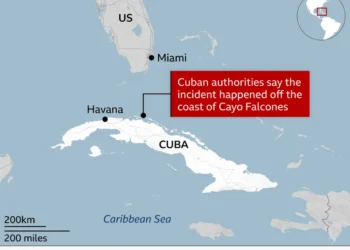 American Citizen Killed in Cuba Boat Shooting, U.S. Officials Say
 Thousands Protest Iran Strikes Outside US Embassy London
 Iran War Puts Trump at Political Risk Amid Rising Prices
 Queensland Protest Laws Spark Free Speech Backlash
 US Lawmaker Demands Testimony Over Sarah Ferguson’s ‘Close Epstein Ties’
 Report Says Pezzullo Acted ‘Recklessly’ in Dealings
 Judicial Whiplash: Virginia Court Pauses Redistricting 24 Hours After Public Vote
 Crackdown Backfires on UK Climate Protesters
 “An Endurance Test for the Mind”: British Couple Sentenced to 10 Years in Tehran
 US Awaits Iran Reply on New Ceasefire Proposal
 UK Faces Most Dangerous Era, Military Chief Warns
 Israel Strikes Iran After Missile Attack