Published: 19 June 2026. The English Chronicle Desk. The English Chronicle Online.
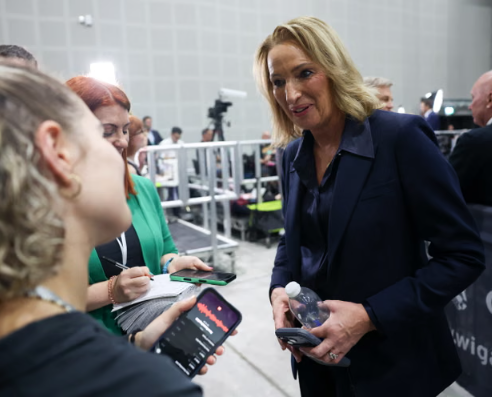
The high stakes of British political discourse were laid bare during a dramatic television broadcast. A live interview at the Makerfield byelection count dissolved into an intense personal confrontation. The televised dispute featured two prominent female political figures representing sharply contrasting ideological platforms in Britain. Labour peer Thangam Debbonaire challenged Reform United Kingdom Member of Parliament Sarah Pochin on air. Their argument quickly migrated from standard economic policy questions to deeply sensitive cultural and social issues. The confrontation underscored the increasingly fractured nature of modern political debate within the United Kingdom. Viewers witnessed an unusually raw exchange that extended far beyond typical party political point-scoring.
The foundational source of the on-screen tension began with a discussion regarding party finances. Journalists raised questions about a substantial financial gift received by Reform leader Nigel Farage. A crypto billionaire based in Thailand reportedly transferred five million pounds to the politician. This significant transaction occurred in the months preceding the historic general election of last year. The parliamentary standards commissioner is currently conducting a formal investigation into this specific arrangement. Investigators aim to determine if the substantial sum required official declaration under strict rules. The timing of the financial transfer remains a central point of contention for rivals. Reform representatives maintain the transaction was entirely compliant with existing regulations for private citizens.
Sarah Pochin immediately mounted a robust defence of her party leader during the interview. The representative for Runcorn and Helsby argued the funds constituted a purely personal gift. She asserted the money arrived well before Farage assumed his official seat in parliament. Therefore the political leader faced no legal obligation to register the massive financial injection. Pochin then shifted her focus to criticize the current decisions of the Labour administration. She claimed the government had spitefully removed crucial state-funded security details from the politician. According to her view Farage remains a high-profile target requiring expensive private protection measures. The argument sought to frame the opposition leader as a victim of political bias.
Thangam Debbonaire visibly rejected this characterization and repeatedly attempted to interrupt the statement. The Labour peer insisted that parliament consistently provides adequate security to all elected members. She accused her political opponent of spreading misinformation and talking complete rubbish on television. The debate intensified as both figures refused to yield the floor during the broadcast. The exchange highlighted a fundamental disagreement over the interpretation of complex parliamentary transparency rules. Regulations dictate that benefits received within twelve months of taking office must be disclosed. Any ambiguity in these financial matters should automatically trigger a formal registration process. The ongoing investigation will ultimately provide clarity on these disputed guidelines for members.
The narrative surrounding the large financial gift has notably evolved over recent months. Initially the Reform leader stated the funds were intended to secure lifetime personal protection. This explanation faced intense scrutiny from journalists and opposing politicians across the political spectrum. Consequently the justification shifted toward characterizing the sum as a reward for Brexit campaigning. This fluid explanation provided substantial ammunition for critics during the heated live broadcast debate. Debbonaire utilized the shifting timeline to question the overall transparency of the Reform organization. The disagreement over funding served as a prelude to even more combustible personal arguments.
As the interview progressed the focus shifted from financial compliance to direct personal taunts. Pochin drew attention to the fact that Debbonaire lost her previous parliamentary seat. The Labour politician had been unseated by a Green Party candidate last year. This reference to past electoral defeat clearly escalated the emotional temperature of the interview. Debbonaire responded by delivering a direct challenge regarding previous public statements made by Pochin. She asked the Reform representative if she disliked appearing alongside non-white individuals. The specific query instantly transformed the broadcast into a national conversation about race relations. Pochin immediately labelled the accusation as completely outrageous during the live transmission.
The confrontation turned toward comments originally broadcast on TalkTV during the previous autumn season. Debbonaire offered to locate the exact footage to substantiate her serious on-air allegations. She referenced a broadcast where Pochin discussed the demographic representation within British television advertising. In that previous interview the Reform politician expressed frustration regarding contemporary media diversity trends. She had agreed with a viewer who claimed modern adverts overrepresented minority populations. Pochin argued that average white families were no longer visible in commercial media. These past assertions formed the basis of the intense criticism leveled at the count.
The argument expanded further to encompass the sensitive topic of domestic violence prevention. Debbonaire raised questions about a controversial video previously shared on social media platforms. In that footage Pochin linked the performance of the England football team to abuse. She urged the national squad to keep winning to prevent domestic violence spikes. Critics argued this message failed to place accountability squarely upon the actual perpetrators. The implication that athletic outcomes influence domestic safety drew widespread condemnation from advocacy groups. The Labour peer utilized this controversy to question the commitment of her opponent.
Pochin defended her social media communication by citing established statistical trends during sports. She maintained that independent studies show a clear correlation between match losses and abuse. Her objective was simply to highlight a known social phenomenon during major tournaments. However Debbonaire countered by accusing the Reform representative of failing to protect British women. She questioned whether Pochin believed dangers to women uniquely originated from foreign nations. The Labour peer expressed immense exasperation as the dialogue continued to deteriorate rapidly. At several points she walked away from the camera in visible disbelief.
The intense exchange has elicited strong reactions from various political commentators across Britain. Supporters of Debbonaire praised her willingness to confront controversial statements directly on television. They viewed her actions as a necessary defence of multicultural values and social responsibility. Conversely defenders of Pochin argued she was being unfairly targeted for expressing mainstream opinions. They maintained her comments on advertising reflected genuine concerns regarding cultural representation in media. The incident has intensified the ongoing debate surrounding public discourse decorum within the nation. Both parties continue to release statements clarifying their respective positions to the media.
This televised clash reflects broader ideological divisions currently characterizing the United Kingdom political landscape. Issues of national identity media representation and financial transparency remain highly volatile talking points. The Makerfield byelection provided the immediate backdrop for a much larger cultural confrontation. As the parliamentary standards commissioner continues the financial investigation scrutiny will likely intensify. The relationship between opposing political factions appears increasingly strained following this public incident. Audiences are left to navigate a political environment where consensus feels distant. The fallout from this specific broadcast will undoubtedly influence future media strategies.
Related News:
 UK Banks Granted Reprieve as BoE Delays Basel III Capital Rules Until 2028
 Singapore Corruption Scandal: Details Emerge on Iswaran’s Luxury Flight and Ties to Tycoon Ong Beng Seng
 Corfu Beyond the Crowds: Discovering Serenity in Southern Villages and Hidden Taverns
 Peter Andre Praises Son Junior’s ‘Quiet Season’ Amid Ongoing Family Dispute
 Massive 641-Mile Storm Set to Batter UK with 15 Hours of Rain and Strong Winds
 Jeremy Clarkson’s Pub: A Sunday Lunch Like No Other
 Scottish Government Mandates Single-Sex Toilets and Changing Facilities in Schools
 Reeves Faces Setback as Labour May Miss Homes Target
 Kate Winslet to Narrate Film Highlighting King’s Environmental Mission
 Trump’s UK Ambassador Urges North Sea Drilling to Strengthen US Ties
 Federal Immigration Shift: Officers Leave Louisiana for Minneapolis
 Fatal Bolton Taxi Crash Claims Three Teens and Driver
 Australia grants Asio powers to designate hate groups under new laws
 Friedman Uninvited From 2024 Adelaide Writers’ Week
 ScottishPower Tops List of Worst UK Energy Suppliers
 Judi Dench Champions Fight to Save London’s Green Spaces
 Crowborough Camp Welcomes First Asylum Seekers
 BBC Funding Crisis: Tim Davie Warns of Jeopardy Ahead
 ABC Facebook Page Briefly Hacked, Adult Photos Posted
 Artificial intelligence will cost jobs, admits Liz Kendall
 Older Women Vanish from BBC Screens, Review Confirms Bias
 Meta trial over child exploitation claims begins
 Streeting moves on doctor pay to end strike dispute
 Ben Stokes injury joke after brutal ball strike
 UK and US Drop in Global Corruption Index Rankings
 Send spending gap leaves deprived areas behind
 Hidden Crisis: Domestic Abuse Suicide Toll in UK
 UK Unemployment Rate Climbs to 5.2% Peak
 Canberra Poster Seizure Sparks Free Speech Row
 BBC World Cup Presenting Duties Shared Among Trio
 Wales Approves Assisted Dying Bill Consent
 CPS Updates Guidance on Honour-Based and Dowry Abuse
 Stewart Brand on Musk, Bezos and a Life of Long Thinking
 English Cricket Faces Moral Crisis Over Indian Investment
 Jacinda Ardern Move Sparks Kiwi Reflection
 Middle East Airspace Crisis Strands Thousands
 Kelly Wilkinson Inquest Reveals Bail Failure
 Asylum Seekers to Work After Year-Long Wait
 Princess Eugenie steps down as patron of anti-slavery charity
 New Zealand Covid Response Praised Despite Lingering Scars
 Injured Mojtaba Khamenei Elevated as Iran Leader
 The Kill Line: A Shifting Vision of the American Dream
 Inquiry into HMRC child benefit errors launched by NAO
 Family of Alleged Bondi Gunman Seeks Name Suppression
 Rising Costs Force Families to Rethink Days Out
 Air Canada CEO Faces Outcry Over Recent Language Misstep
 Extreme Weather: Europe Shivers as Cyclone Narelle Hits
 Scott Mills Sacked by BBC Over Personal Conduct Claims
 Palantir Boss Defends NHS Deal Amid Government Break Clause
 Asia Turns Back to Coal Amid Middle East Energy Crisis
 Relationship with Trump may be beyond repair, Starmer warned
 Trump’s Six-Week Iranian War: The High Cost of Ignorance
 US and Iran Agree to Two-Week Provisional Ceasefire
 Battle of Britain Tower to House Tourists and Bats
 The Challenger: Will Péter Magyar End the Orbán Era?
 UK Government Poised to Revive Stalled Hillsborough Law
 Democrats Move to Impeach Defense Secretary Pete Hegseth
 Security Alert Near Israeli Embassy as Police Investigate
 Ben Roberts-Smith Denies War Crime Allegations in First Statement
 Home Office Faces Legal Risks Over Asylum Hotel Living
 US-Iran Standoff: Will Trump Deploy Ground Troops?
 Crisis in NHS Surgery Scheduling Hits Patients Hard
 Investigation Into Anti-Trump Motives After Gala Shooting
 Dubai Assets Linked to Sudan’s RSF Militia Exposed
 Blue Badge Abuse: The Rising Tide of Public Hostility
 Trump Signs Landmark Iran Accord in Versailles
 Grief and Devotion Amidst the Rubble of Nabatieh
 Dettol Apologises for ‘Toxic Men’ Advert Backlash in China
 UK Care Crisis: Row Explodes Over New Visa Settlement Rules
 Sainsbury’s Boss Optimistic As Grocery Inflation Eases
 US Advance Past Bosnia in World Cup Thriller
 Trump’s Mount Rushmore Speech: A Divisive Anniversary
 Trump’s Red-Card Intervention Hurts the US World Cup
 US Airman Avoids British Court in Indecent Exposure Case
 Britain’s Mini Fan Craze Sparks Major Waste Crisis
 Trump Swaps Planes Amid Iran Tensions
 Ann Widdecombe, Formidable Political Figure, Dies at 78
 UK Schools Struggle as Classrooms Top 40C
 Yemen Accuses Iran of Violating National Sovereignty
 Houthis Strike Saudi Arabia as Middle East Tensions Rise