Published: 1 July 2026
The English Chronicle Desk
The English Chronicle Online
The government’s latest defence spending plan has been presented as one of the most significant shifts in British security policy for a generation, outlining a substantial increase in military investment while raising important questions about funding, priorities and long-term strategic objectives.
Announced against a backdrop of growing international instability, the plan aims to strengthen the UK’s armed forces, modernise military capabilities and reinforce Britain’s position within international defence alliances.
Ministers argue that the changing global security environment demands a renewed commitment to national defence, with threats ranging from conventional military aggression to cyber attacks and emerging technological challenges.

While the plan contains numerous detailed proposals, several key themes have emerged as central to the government’s strategy.
Perhaps the most significant element of the plan is the commitment to increase defence expenditure substantially over the coming years.
The government has argued that decades of relative peace can no longer be taken for granted and that Britain must invest more heavily in its military capabilities.
Officials say the additional funding will support personnel, equipment, infrastructure and technological development across all branches of the armed forces.
Supporters believe the increase is necessary to ensure the UK remains prepared for future challenges.
Critics, however, have questioned how the additional spending will be financed without affecting other areas of public expenditure.
A major feature of the strategy is the recognition that warfare is changing rapidly.
The government has placed significant emphasis on cyber security, artificial intelligence, autonomous systems and advanced digital technologies.
Military planners increasingly view future conflicts as likely to involve both traditional battlefield operations and sophisticated cyber campaigns.
Investment is therefore expected to support new capabilities designed to protect critical infrastructure, strengthen intelligence gathering and improve the armed forces’ ability to respond to emerging threats.
Experts note that technological superiority is becoming as important as conventional military strength.
The plan also includes measures aimed at improving military readiness and operational effectiveness.
Additional funding is expected to support training programmes, equipment upgrades and recruitment initiatives.
Defence leaders have repeatedly highlighted challenges in attracting and retaining skilled personnel, particularly in specialist areas such as engineering, cyber operations and intelligence.
Government ministers argue that investment in people is just as important as investment in technology.
Ensuring the armed forces have access to highly trained personnel remains a key objective.
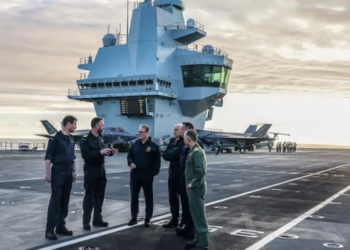
Naval capabilities feature prominently within the spending plan.
The government has signalled continued investment in maritime security, including warships, submarines and emerging autonomous technologies.
Recent discussions about drone-equipped naval vessels suggest the Royal Navy could play a leading role in adopting next-generation military systems.
Officials believe maintaining strong maritime capabilities is essential given the UK’s status as an island nation heavily dependent on international trade routes.
Protecting critical infrastructure and ensuring freedom of navigation remain strategic priorities.
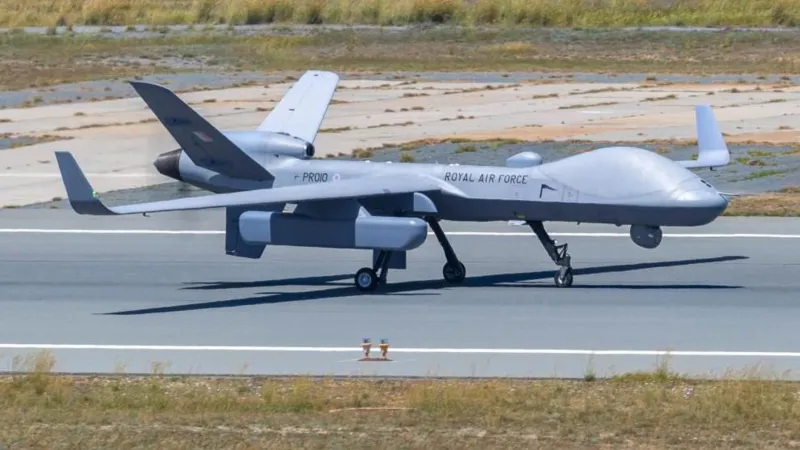
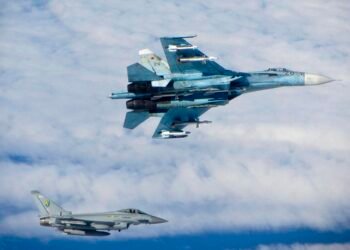
The Royal Air Force is also expected to benefit from increased investment.
Funding may support aircraft upgrades, future combat air programmes and advanced defence technologies.
Modern air forces increasingly rely on integrated networks that combine aircraft, drones, satellites and intelligence systems.
Military analysts suggest that future air operations will depend heavily on data-sharing and real-time information processing.
As a result, digital capabilities are becoming central components of defence planning.
Another key message within the plan is Britain’s continued commitment to NATO and collective defence.
Government officials have stressed the importance of maintaining strong alliances amid growing geopolitical tensions.
The UK has long been one of NATO’s leading military contributors and intends to remain a central player within the alliance.
Defence experts say increased spending could strengthen Britain’s influence among allies while demonstrating commitment to shared security responsibilities.
Ministers have also highlighted the potential economic benefits associated with defence investment.
Large military programmes often support manufacturing, research and engineering jobs across the country.
The government believes increased spending could stimulate innovation while strengthening domestic defence industries.
Supporters argue that investment in advanced technologies can generate wider economic benefits extending beyond military applications.
However, economists caution that the long-term impact will depend on how effectively projects are managed and delivered.
Despite broad agreement on the importance of national security, questions continue to surround the financial implications of the plan.
Several analysts have suggested that future governments may face difficult decisions regarding taxation, borrowing or spending priorities if defence commitments continue to expand.
Opposition figures have called for greater clarity regarding how additional military expenditure will be funded over the long term.
The government maintains that responsible financial management and targeted savings elsewhere can help support its objectives.
At its core, the defence spending plan reflects a belief that the international environment has become more unpredictable and potentially more dangerous.
Military planners increasingly point to a world characterised by geopolitical rivalry, technological competition and evolving security threats.

The government argues that preparing for these challenges requires sustained investment and long-term strategic planning.
Whether the plan ultimately delivers its intended outcomes will depend on implementation, funding and future global developments.
What is clear is that defence has moved closer to the centre of government policy than at any point in recent years.
The strategy represents not only an increase in military spending but also a broader attempt to redefine Britain’s approach to security in an increasingly uncertain world.
Related News:
 On Board an RAF Voyager as Britain and US Prepare for War with China
 Meloni’s Army Appears Strong – Until You Look Closer
 Starmer Weighs Fast-Tracking Defence Boost
 Macron Rebuked in Franco-German Defence Row
 Facing a Demographic Catastrophe, Ukraine Is Paying for Troops to Freeze Their Sperm
 Ukraine-Russia War Latest: Kyiv’s Forces Make Huge Gains Ahead of Geneva Peace Talks
 Reeves Blocking Spending Boost for Defence
 Japan Braces as Takaichi Begins New Term with Huge Mandate for Low‑Tax, Ultra‑Conservative Agenda
 US Build-Up of Warships and Fighter Jets Tracked Near Iran
 Musk Cuts Starlink Access for Russian Forces – Giving Ukraine an Edge at the Front
 Prince William Pays Tribute to Army Medic Found Dead in Barracks
 Trump’s Iran airstrikes decision to be guided by Kushner and Witkoff’s advice
 RAF Responding to Suspected Drone Strike at UK Cyprus Base
 UK Will Allow US to Use Bases to Strike Iranian Missile Sites, PM Says
 Cooper: Joining US Strikes on Iran ‘Not in Britain’s Interest’
 Trump’s Iran Endgame Unclear After Mixed Messaging on War Aims
 France to Boost Nuclear Arsenal, Extend Deterrence to Allies
 The US Now Has the Medicine for Cheap Swarming Drone Attacks
 Minister Visits Leonardo After £1bn Deal Secured
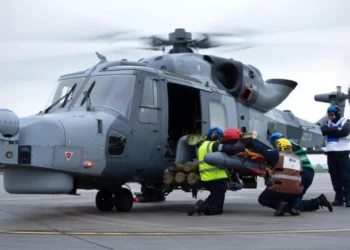 Minister Meets Crews Who Will ‘Take Out’ Iranian Drones
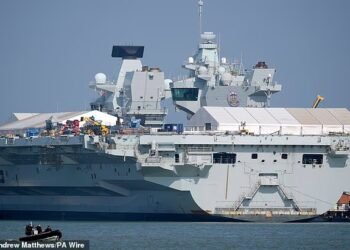 UK Prepares Aircraft Carrier for Middle East Crisis
 UK–US Tensions Ease as Starmer and Trump Hold First Call Since Iran Row
 Labour Faces Backlash Over Conscription Warning
 Ukraine’s Anti-Drone Bullet Could Shield Gulf Skies
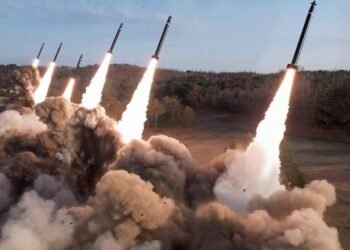 North Korea Fires Missiles Amid US-South Korea Drills
 Russia Drone Attack Intensifies Ukraine War Pressure
 China’s Secret Mountain Ruins Rise Again in New Cold War
 ‘Patriots, Carry On’: Hegseth Overrules Army to Reinstate Pilots After Kid Rock Flyover
 ‘Blue Helmets’ in the Crossfire: Initial Probe Points to Roadside Bomb in Killing of UN Peacekeepers
 Pentagon Purge: Hegseth Ousts Army Chief Amid Iran War
 The Iron Curtain Falls: Iran’s Steel Giants Forced Offline by US-Israeli Airstrikes
 The Moving Goalpost: Trump Shifts Iran War Deadlines Amid “Epic Fury” Success Claims
 Regional Escalation: Drone Strike Hits Kuwait’s Al-Zour Refinery Amid Trump’s “Stone Age” Ultimatum
 ‘The frontline is like Terminator’: Ukraine’s fighting robots
 Is Britain Ready? Experts Warn of ‘Bizarre’ Military Delay
 MoD Has Lost Track of Veteran Recall List, Says Adviser
 RAF Typhoons scrambled amid Russian drone threat near Nato
 USS Gerald R Ford Ends Record Naval Deployment
 The “Keyham Blast”: 500kg WWII Bomb Disarmed in Plymouth’s Biggest Post-War Evacuation
 The “Palace Green” Plot: Small Boat Migrant Guilty of Terror Attempt on Israeli Embassy
 Trump orders US troop pullout from Germany
 Ukraine strikes Tuapse as oil disaster worsens
 Trump likens US Navy actions to ‘pirates’
 Fog of War: US Rejects Iranian Claims of Missile Strike on Navy Frigate
 “Asymmetric Operations”: Iran Warns US “We Are Just Getting Started” as Project Freedom Escalates
 “Consolidation in Crisis”: Gen Assimi Goïta Assumes Defence Ministry After Coordinated Attacks Kill Predecessor
 “The Pivot to Pakistan”: Trump Pauses ‘Project Freedom’ in Hormuz Amid Iran Deal Hopes
 “The Strait Scramble”: Inside Trump’s ‘Project Freedom’ and the Hormuz Naval Escort
 “The New Silk Road”: India and Vietnam Forge Strategic Maritime Alliance to Counter Regional Volatility
 “The Anchors Up”: Hull’s Affiliated Frigate HMS Iron Duke ‘Quietly Withdrawn’ From Service
 “The Spoils of Conflict”: Global Giants Raking in Billions from the Iran War ‘Windfall’
 “The High Stakes of Havoc”: Inside the Corporate Machinery Raking in Billions from the Iran War
 “The Pacifist Wall”: 50,000 Protesters Rock Tokyo as PM Takaichi Pushes ‘Milestone’ Defense Overhaul
 Putin Declares Russia Victory at Scaled Victory Day Parade
 “The Great Enlistment”: Why Canada is Seeing its Biggest Military Surge in 30 Years
 Zelenskyy warns over Oreshnik threat as Kyiv hit
 Discontent grows around Putin amid war strain
 UK Faces Most Dangerous Era, Military Chief Warns
 Royal Navy Mourns Devastating Helicopter Loss
 UK Faces Pressure Over Red Arrows Future
 MPs Warn Defence Plan Delays Are Undermining UK Credibility
 MPs Say Defence Strategy Delays Risk Damaging Britain’s Reputation
 Rise of Military AI Sparks Questions Over Future Use of Humanoid Robots in Combat
 Israel-Iran Escalation May Strengthen Tehran’s Position in Future Negotiations
 Myanmar Rebels Face Growing Pressure as Military Expands Forced Recruitment Drive
 US Launches Strikes on Iran After Military Helicopter Downed Near Strait of Hormuz
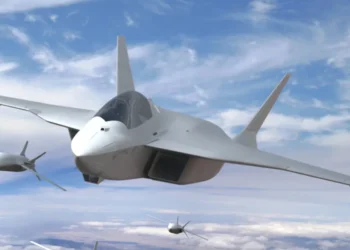 Collapse of Franco-German Fighter Jet Project Raises Questions Over Europe’s Defence Future
 Thousands March in Pakistan-Administered Kashmir as Clashes Leave at Least 15 Dead
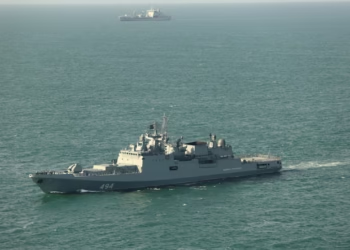 Russian Frigate Fires Warning Shots Near British Yacht
 Starmer Faces Fierce Backlash From Senior Defence Figures
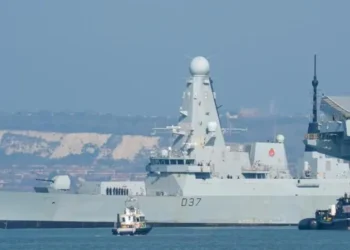 Royal Navy to Prioritise Drone-Equipped Warships Over Direct Destroyer Replacements
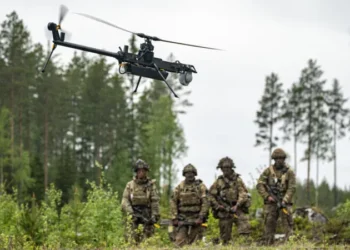 Why Starmer’s Defence Plan Leaves the Next Prime Minister with a £4.7bn Headache
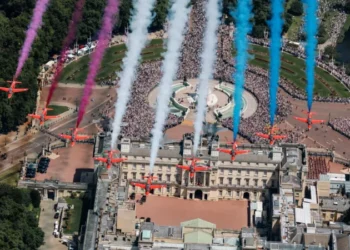 Red Arrows Set for New Era as Ageing Hawk Jets Face Replacement