Published: 01 July 2026. The English Chronicle Desk. The English Chronicle Online.
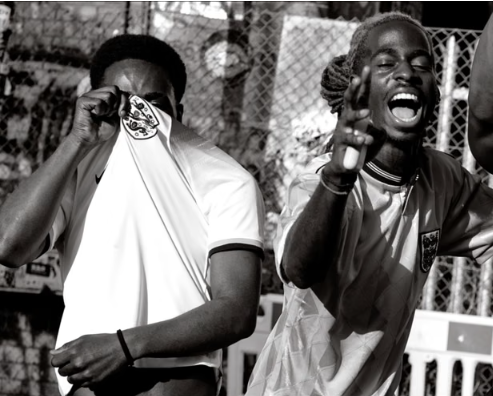
The profound question of national identity often surfaces during major international sporting tournaments. Ahead of England’s crucial first knockout game of the World Cup, a captivating project emerged. The renowned, award-winning playwright James Graham collaborated with the iconic actor Sir Ian McKellen. Together, they have released an evocative short film that tackles this deceptively simple query. Their creative partnership aims to dissect what it truly means to be English today.
This poignant cinematic piece is titled Love Letter to England. The film purposefully explores and celebrates the common threads that bind people across the nation. It draws inspiration from early contributions to the National Conversation. This UK-wide initiative began just last month to engage the British public directly. Members of the general public are warmly invited to take part in this project. They can easily do this by leaving a brief sixty-second voice note online.
These personal recordings allow citizens to share their diverse views on several important topics. Participants speak about supporting the national football team during this tense tournament. They also discuss deeper concepts of belonging and the future of their country. This ambitious project forms a core part of a much larger national undertaking. It contributes to the vital work of the Independent Commission on Community and Cohesion.
This independent commission is notably co-chaired by two prominent political figures. The former Conservative minister Sajid Javid leads the initiative alongside Jon Cruddas. Cruddas is well known as a former Labour member of parliament and policymaker. Their joint leadership highlights the cross-party nature of this crucial societal investigation. James Graham has spoken passionately about the motivations behind this new cultural endeavor. He firmly believes this issue represents one of our most urgent areas of focus.
The playwright insists that both local and national governments must address these issues immediately. He notes that citizens across the nation can feel this growing problem deeply. There is a widespread emotional consensus that our traditional social bonds are fraying. These vital connections that previously united communities are starting to break apart completely. Graham observes that this unfortunate decline has been happening for a very long time.
The structural decay is deeply political but also fundamentally social, cultural, and emotional. Graham grew up in north Nottinghamshire, an area that heavily informs his unique perspective. He previously explored similar themes in his acclaimed stage play titled Dear England. That successful drama focused on Gareth Southgate’s transformative management of the men’s team. Graham believes that regional anger has driven recent political backlashes across the country.
Much of this community resentment is framed around losing the physical public realm. Many traditional high streets have vanished, causing the total collapse of local town centres. People have lost the actual physical places to gather and be together naturally. However, the playwright notes that this modern crisis extends far beyond geographic locations. The very rhythm of our daily lives has fundamentally changed in recent decades.
People are generally much lonelier, more isolated, and increasingly alienated from one another. This tragic reality is certainly true for the older generations in our society. Upsettingly, this profound isolation is also incredibly prevalent among our young people today. Experts believe they represent the loneliest generation the country has ever witnessed. This remains deeply ironic given the countless digital ways we have to connect.
The commission itself was convened by a dedicated charity called the Together Coalition. This organization was co-founded by Brendan Cox to promote greater community unity. Cox is the widower of the late, widely respected member of parliament Jo Cox. The charity explicitly aims to develop a shared vision for the country’s future. This work arrives during a period characterized by deep political and social divisions.
Graham has expressed immense faith in the grassroots methodology of the National Conversation. He praises the commission because it rejects a traditional top-down political approach. Instead, it relies entirely on the lived experiences of everyday people within communities. It functions as an actual, authentic conversation with citizens regarding their daily lives. People are willingly offering ideas about what they miss, want, and urgently need.
The commission plans to officially publish its comprehensive findings later this year. This final report will meticulously combine public submissions with rigorous academic research. It will also feature expert evidence alongside the careful deliberations of the commissioners. For Graham, major sporting tournaments like the World Cup are incredibly useful vehicles. They provide the perfect cultural backdrop for hosting these difficult national conversations.
He references a fascinating concept coined by twentieth-century French sociologists. They described a phenomenon known as collective effervescence to explain shared human experiences. It represents that unique emotional fizz we all feel during major national events. Briefly, we collectively become part of the exact same story at the same time. We are all watching the same event and feeling the same emotions.
However, the insightful playwright readily recognizes the immense challenges attached to this topic. He understands why some people feel deep discomfort regarding the idea of Englishness. Certain parts of the population have historically tried to exclude minority groups entirely. This hostile behavior made many citizens feel unwelcome within their own home nation. Graham firmly condemns this historical exclusion, labeling it as completely unforgivable.
Despite these dark complexities, he strongly urges progressive thinkers to resist certain temptations. He believes progressives must not abandon Englishness or its traditional national symbols. Giving up on these shared cultural icons would be a significant mistake. Recent polling data has highlighted the shifting and complicated nature of modern British identity. The number of people defining Britishness through birthright has almost doubled recently.
These specific findings suggest that a significant proportion of Reform UK supporters hold rigid views. They believe that being white remains an incredibly important national characteristic today. Furthermore, they express beliefs that Britain has become far too ethnically diverse. Graham recalled a powerful moment that countered this exclusionary and racially charged rhetoric. Former Prime Minister Rishi Sunak gave evidence to the Independent Commission on Cohesion.
Sunak proudly described himself as being British, English, and British Asian simultaneously. This powerful statement served as a direct riposte to increasingly hostile public language. Regarding the initial public submissions, Graham noted several encouraging and fascinating trends. He was deeply taken by how many people possess immense pride in locality. Citizens are incredibly proud to declare themselves as Yorkshiremen or residents of Sutton Coldfield.
However, a conflicting feeling of uncertainty also coexists among many public contributors. Some individuals admit they do not feel quite as proud of their country. Crucially, they often struggle to find the exact words to explain this sadness. Graham emphasizes the absolute necessity of listening to what people genuinely miss today. We must actively ask younger generations what should replace old community institutions.
Traditional fixtures like brass bands and coal choirs belong to a bygone era. It is clear that retail stores will no longer fill our town centres. Therefore, we must collectively discover something entirely new to rebuild our social fabric.
Related News:
 Reeves Faces Setback as Labour May Miss Homes Target
 Kate Winslet to Narrate Film Highlighting King’s Environmental Mission
 Trump’s UK Ambassador Urges North Sea Drilling to Strengthen US Ties
 UK Bans Fake Numbers: Scammers Lose Their Trick
 Vibe coding’ named Collins dictionary’s word of the year
BBC to Apologise Over Edited Trump Speech Amid Backlash
Vibe coding’ named Collins dictionary’s word of the year
BBC to Apologise Over Edited Trump Speech Amid Backlash
 Millionaires group urge Reeves to introduce wealth tax to ‘lift kids out of poverty’
 Reeves rejects £1bn plea for NHS redundancy payouts
 PM Condemns Leaks, Vows Loyalty to Ministers and Stability
 Phillipson Accused of Appeasing Unions by Diluting EBacc
 Saka Solidifies Role as Tuchel’s Key England Lieutenant
 Greene Pushes Epstein Files Amid Trump Fallout
 Zelenskyy Signs Fighter Jet Deal Amid Russian Drone Attacks
 Sundar Pichai Cautions on AI Hype and Market Risks
 Shadow Fleet at Sea: Europe’s Battle Against Illicit Oil Shipping
 Snow and Ice Cause Travel Chaos in North Yorkshire
 Director Michael Caton-Jones Reflects on Career and Beginnings
 Inside the Helpline Protecting Missing Children in the UK
 PlayStation PS5 Deals Hit Lowest Prices Ahead of Black Friday
 US Suspends Afghan Immigration After White House Shooting
 Five-Year-Old Dies After Rare Tonsil Surgery Complication
 Starmer Says Labour’s Economic Plan Needs Years to Deliver
 ‘Extinct’ Antelope Returns to Sahara, Bringing Hope
 IndiGo Cancels Hundreds of Flights Amid Pilot Shortages
 Young Britons Face Heaviest Burden from Ageing Population, Lords Warn
 U‑Turn on Farmers’ Inheritance Tax Sparks Political Firestorm
 Aston Villa Remain Arsenal’s Key Obstacle in Title Pursuit
 Irish Beach Tragedy: Irish Drown at Whitehaven Beach in Australia
 Starmer Faces Parliamentary Battles Over UK-EU ‘Reset’ Plan
 Met Police Vetting Failures Let Serial Rapists Remain
 Federal Immigration Shift: Officers Leave Louisiana for Minneapolis
 Fatal Bolton Taxi Crash Claims Three Teens and Driver
 Australia grants Asio powers to designate hate groups under new laws
 Friedman Uninvited From 2024 Adelaide Writers’ Week
 US and Iran Agree to Two-Week Provisional Ceasefire
 Battle of Britain Tower to House Tourists and Bats
 The Challenger: Will Péter Magyar End the Orbán Era?
 UK Government Poised to Revive Stalled Hillsborough Law
 Democrats Move to Impeach Defense Secretary Pete Hegseth
 Security Alert Near Israeli Embassy as Police Investigate
 Ben Roberts-Smith Denies War Crime Allegations in First Statement
 Home Office Faces Legal Risks Over Asylum Hotel Living
 US-Iran Standoff: Will Trump Deploy Ground Troops?
 Crisis in NHS Surgery Scheduling Hits Patients Hard
 Investigation Into Anti-Trump Motives After Gala Shooting
 Dubai Assets Linked to Sudan’s RSF Militia Exposed
 Blue Badge Abuse: The Rising Tide of Public Hostility
 Tragedy Strikes at Parafield Airport
 Scott Parker Leaves Burnley After Premier League Drop
 Silent Tracks: Rail Line Without Passengers
 Arteta urges Arsenal to step up in Atlético semi-final
 RFU Backs Borthwick Despite England’s Poor Six Nations
 Major test for Labour as polls open in Great Britain
 High-Profile Murder Trial Begins for Ian Watkins Death
 Trump Rejects Tehran Peace Plan as Regional Truce Crumbles
 Wes Streeting faces narrow road to Labour members’ favour
 Keir Starmer Struggles to Secure His Grip on Downing Street
 Trump and Xi Convene in Beijing for Historic High-Stakes Summit
 Farage Faces Standards Probe Over Cash Property Purchase
 Closing the Gap: UK Pensions Commission Demands Action
 Reality TV Under Scrutiny Following Serious Allegations
 UK Eases Russian Oil Sanctions as Fuel Costs Soar
 Alice Capsey Sparks England Win With Brilliant Fifty
 Maldives Cave Diving Tragedy Raises Safety Alarm
 Russian Electronic Attack Targets UK Defence Chief Jet
 UK Shoppers Face Prolonged Price Rises At Tills
 Tube Strike Brings Capital to a Standstill Over Shift Disputes
 Makerfield Voters Demand Real Change as Election Looms
 Man City Threaten Legal Action Over Haaland Real Madrid Shirt
 Celestial Waltz: Venus and Jupiter Meet at Twilight
 Abbott Signals Bold Strategy Change For Australian Right
 Ryanair Faces Probe Over Mandatory Family Seating Fees
 Britain’s Crowning Butterfly Takes the Nation by Storm
 Fifa Official Under Investigation Over Hand Gesture Controversy
 US Trafficking Arrest Exposes Shocking Exploitation
 Trump Signs Landmark Iran Accord in Versailles
 Grief and Devotion Amidst the Rubble of Nabatieh
 Stirchley Community Housing Scheme Faces Crisis
 Watchdog Warns Ministers to Pause Impending HS2 Reset
 EU Slashes Steel Quotas But Grants UK Favourable Rates