
Published: 1 July 2026
The English Chronicle Desk
The English Chronicle Online
As Canadians celebrate their national day with parades, concerts and community gatherings across the country, political attention is increasingly focused on the challenges facing Prime Minister Mark Carney as he seeks to maintain national unity during a period of economic, regional and political uncertainty.
Canada Day has traditionally been an occasion for reflection on the country’s history, achievements and identity. This year, however, celebrations are unfolding against a backdrop of growing debate about the future direction of the nation and the pressures testing its cohesion.
From regional economic differences to constitutional questions and concerns about national identity, the issues confronting Canada have placed unity at the centre of political discussion.

For Prime Minister Carney, the timing is significant.
Having taken office during a period of considerable domestic and international change, he faces the challenge of balancing competing priorities while maintaining support across a country known for its geographic size, cultural diversity and political complexity.
Supporters argue that Canada’s diversity remains one of its greatest strengths.
The country is home to people from a wide range of cultural, linguistic and ethnic backgrounds, and successive governments have promoted multiculturalism as a defining national value.
Yet managing those differences requires constant political attention.
Observers note that Canada’s federal system gives provinces significant powers, creating a political landscape in which regional interests often play a major role in national debates.
Economic issues have become one of the most pressing concerns.
Like many advanced economies, Canada has faced challenges related to inflation, housing affordability, public spending and economic competitiveness.
Families across the country continue to feel pressure from rising living costs, while businesses seek policies that encourage growth and investment.
Economists argue that maintaining economic stability is essential not only for prosperity but also for national cohesion.
Periods of economic hardship can intensify regional tensions and increase dissatisfaction with political institutions.
As a result, many analysts view economic management as closely linked to broader questions of unity.
Regional differences remain another important factor.
Canada’s provinces have long possessed distinct political cultures and economic priorities.
Energy-producing regions, manufacturing centres and resource-dependent communities often have different perspectives on taxation, environmental policy and government spending.
Balancing these interests has been a challenge for Canadian leaders for generations.
The issue of national identity also continues to shape political discussions.
Canada’s bilingual heritage, Indigenous reconciliation efforts and multicultural population contribute to a complex national story.
Many Canadians view these characteristics as strengths, while others debate how the country should define itself in an increasingly globalised world.
Questions about language, culture and historical legacy frequently emerge during national conversations about identity and belonging.
Prime Minister Carney has repeatedly emphasised the importance of unity and cooperation in addressing these challenges.
Government officials argue that maintaining social cohesion requires policies that deliver economic opportunity while respecting regional and cultural differences.
Supporters of the administration believe Canada is well-positioned to navigate current difficulties due to its strong institutions and democratic traditions.
Critics, however, contend that deeper structural issues require more ambitious solutions.
Some opposition figures argue that dissatisfaction in certain regions reflects longstanding concerns about representation, economic priorities and the relationship between provincial and federal governments.
These debates are not new, but they have gained renewed prominence amid changing political and economic circumstances.
Canada’s place in the international arena has also become increasingly important.
Global trade tensions, shifting geopolitical alliances and evolving security challenges have created new pressures for policymakers.
As a middle power with strong international connections, Canada must balance domestic priorities with external responsibilities.
Foreign policy decisions can have direct consequences for economic performance, national security and public confidence.
Political scientists note that periods of uncertainty often lead citizens to reflect more deeply on national identity and shared values.
National celebrations such as Canada Day can therefore take on additional significance, serving as opportunities to consider what unites people despite political disagreements.
Across the country, communities are marking the occasion with events celebrating Canadian culture, history and achievements.
Festivals, fireworks displays and public ceremonies have brought together citizens from diverse backgrounds.
For many participants, the celebrations represent a reminder of the values they believe define the nation: democracy, inclusion, tolerance and resilience.
Indigenous leaders have also used the occasion to highlight the importance of reconciliation and continued efforts to address historical injustices.
Many argue that a stronger and more united Canada depends on meaningful progress in relationships between Indigenous and non-Indigenous communities.
These discussions have become an increasingly important part of the country’s national conversation.
Meanwhile, younger Canadians are contributing their own perspectives on the future.
Surveys suggest many are concerned about housing affordability, climate change and economic opportunity.
Their priorities are likely to shape political debates for years to come and influence how future generations define Canadian identity.
Despite the challenges, many analysts remain optimistic about Canada’s prospects.
The country continues to rank highly on measures of quality of life, education and institutional stability.
Supporters argue that these strengths provide a solid foundation for addressing current difficulties.

As celebrations continue, Canadians are being reminded that national unity is not something that can be taken for granted.
It requires ongoing dialogue, compromise and a willingness to find common ground across differences.
For Prime Minister Carney, that challenge remains central to his leadership.
For the country as a whole, Canada Day offers both a celebration of what has been achieved and a reflection on what lies ahead.
Whether current tensions prove temporary or signal deeper shifts, the coming years are likely to play an important role in shaping Canada’s future.
For now, as communities gather to celebrate the nation’s birthday, many Canadians remain focused on preserving the unity and shared purpose that have long been regarded as essential parts of the country’s identity.
Related News:
 UK Must Act with Courage and Clarity on Israel-Palestine Conflict, Says Foreign Affairs Committee Report
 Radioactive Leak at UK’s Nuclear Warhead Base Sparks Outcry Over Safety and Secrecy
 Mutual Inconvenience: Why Alaska Was Chosen for the Trump-Putin Summit on Ukraine
 Hong Kong Summons UK and Australian Envoys Following Asylum Grants to Democracy Activists
 Is the UK Ready to Put Boots on the Ground in Ukraine? Assessing Military Capacity and Challenges
 Channel Crossings Surge: Over 1,000 People Arrive in the UK in Small Boats in a Single Day
 Widow of Charlie Kirk Forgives Killer at Emotional Memorial Service
 Yvette Cooper Signals Global Momentum Towards Gaza Peace Deal Amid Humanitarian Crisis
 Russia’s Latest Push to Win US Favors Shows Deep Desperation
 BBC to Apologise Over Edited Trump Speech Amid Backlash
 Britain deploys RAF specialists to assist Belgium with drone threats
 Trump Urges Herzog to Grant Netanyahu Full Pardon
 Indian authorities demolish Kashmir home linked to Red Fort blast
 Greene Pushes Epstein Files Amid Trump Fallout
 December Run-Off in Chile as Election Produces No Winner
 Shadow Fleet at Sea: Europe’s Battle Against Illicit Oil Shipping
 India’s COP30 Delay Raises Global Climate Concerns
 Georgians Defy Government Crackdown After Year of Protests
 Albanese Opens Door to Bondi Royal Commission Amid Rising Pressure
 EU weighs response amid Greenland tariff crisis with Trump
 EU Says US Ties Have Suffered ‘Big Blow’ After Greenland Crisis
 Israel Moves to Bar MSF From Gaza Operations
 Australian Families Leave Syrian Camp for Home
 Starmer Weighs Fast-Tracking Defence Boost
 Nine Arrested in France Over Death of Far‑Right Student
 Andrew Arrest Sparks Republic Debate in Australia
 Australian PM Says Former Prince Andrew Has Suffered ‘Extraordinary Fall’ but That Won’t Prompt Republic Referendum
 Musk Cuts Starlink Access for Russian Forces – Giving Ukraine an Edge at the Front
 Farage Chagos Islands Row Sparks Fury
 Ukraine Negotiator Reveals What It Feels Like Facing Russia
 Chad Shuts Border With Sudan in Bid to Stop Conflict Spreading
 French Minister Moves to Block US Envoy Kushner from Government Access
 Has Europe truly learned from the failures of 2022?
 American Citizen Killed in Cuba Boat Shooting, U.S. Officials Say
 Iran’s Regime Still Intact — Coming Days Will Test Its Survival
 Trump Faces Questions Over Iran Conflict Plan
 Herzog Asio meeting sparks security storm
 Finland Plans to Lift Decades‑Old Ban on Hosting Nuclear Weapons
 Minister Meets Crews Who Will ‘Take Out’ Iranian Drones
 Nine Days of Strikes Reshape the Middle East
 Trump Pressures Congress Over Save America Act
 Iran War Puts Trump at Political Risk Amid Rising Prices
 Iranian Football Squad Asylum Drama Shocks Australia
 Queensland Protest Laws Spark Free Speech Backlash
 Trump Nato threats expose Iran strategy vacuum
 Trump’s Confidence Undimmed — But Every Iran Option Carries Risk
 Israel Says Iran Security Chief Larijani ‘Killed’
 Trump Facing Backlash from Epstein Survivors Over Files
 UK Forces Ready to Seize Russian Shadow Fleet Vessels
 Trump Considers Military Operation to Seize Iran’s Uranium
 Report Says Pezzullo Acted ‘Recklessly’ in Dealings
 Hungary Claims Plot to Target Gas Pipeline Pre-Vote
 Oil and Diplomacy: Russian Refineries Burn as Zelenskyy Secures Middle East Shield
 ‘The Soul of Spain’: Politicians Clash Over Renewed Push to Move Picasso’s Guernica
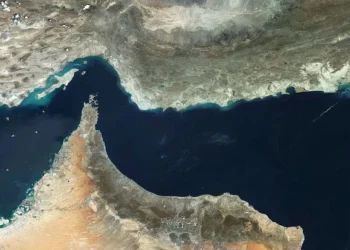 The Great Chokehold: Why the Strait of Hormuz is the Epicenter of the 2026 Crisis
 Moldova River Crisis Exposes War’s Hidden Cost
 The Frozen Frontier: Why Frostbite is the Least of Concerns for Canada’s Arctic Forces
 Diplomatic Deadlock: Lebanon Enters High-Stakes Border Talks with ‘No Cards to Play’
 The ‘Big Fish’ Lands: Marcos Confirms Arrest of Key Figure in Flood-Control Scandal
 The Fog of War and the Ticker Tape: Suspicious Trades Rile Washington
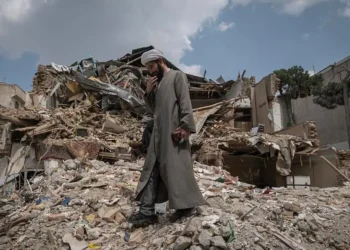 Brinkmanship in Islamabad: Tehran Vows ‘New Battlefield Cards’ as Ceasefire Wanes
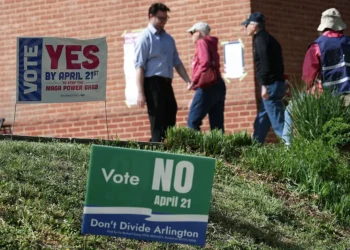 Judicial Whiplash: Virginia Court Pauses Redistricting 24 Hours After Public Vote
 “Industrial-Scale Extraction”: White House Memo Accuses China of Mass AI Theft
 Capitalism ‘Suicidal’, Warns Petro at Climate Summit
 “An Endurance Test for the Mind”: British Couple Sentenced to 10 Years in Tehran
 Trump Threatens UN Budget Cuts as US Pushes ‘Trade Over Aid’ Agenda
 “Lotus Blooms in the East”: BJP Scripts History with Landslide Victory in West Bengal
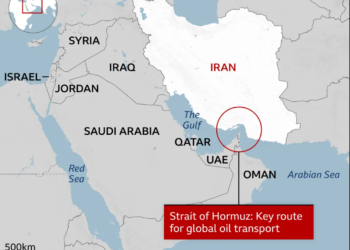 “The Pivot to Pakistan”: Trump Pauses ‘Project Freedom’ in Hormuz Amid Iran Deal Hopes
 “The New Silk Road”: India and Vietnam Forge Strategic Maritime Alliance to Counter Regional Volatility
 “The Cost of Conviction”: Palestine Action Activists Found Guilty Over ‘Clinical’ Factory Damage
 “The Tightrope Walk”: Lula and Trump Meet at White House to ‘Recalibrate’ Fractured Alliance
 “The Local Gavel”: Polls Open Across Hampshire and Isle of Wight in Delayed ‘Milestone’ Vote
 US Awaits Iran Reply on New Ceasefire Proposal
 Discontent grows around Putin amid war strain
 Israel, Lebanon Agree on Fragile Ceasefire Deal
 UK Faces Most Dangerous Era, Military Chief Warns
 Israel Strikes Iran After Missile Attack
 Iran Team Arrives in Mexico Amid US Visa Dispute
 Son Urges Iran Prisoner Exchange for Jailed British Pair
 Trump’s Iran Legacy Hangs on Tehran Deal