Published: 09 July 2026. The English Chronicle Desk. The English Chronicle Online.
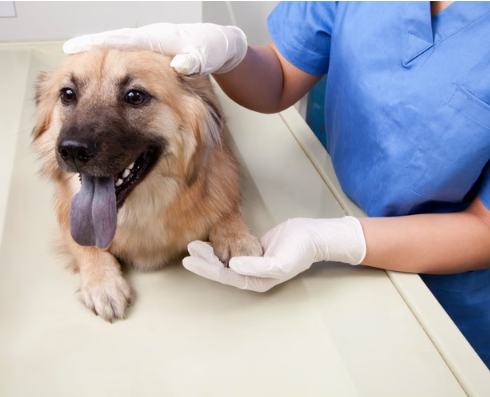
The British government has unveiled ambitious plans to overhaul the veterinary sector. Ministers are currently considering a major regulatory shift for pet care. This proposed transformation aims to address rising costs and limited market competition. One of the most significant measures involves capping pet prescription fees. Under these new rules, individual prescriptions could be limited to just £21. Such a change would provide much needed relief to millions of pet owners. Families across the United Kingdom have struggled with escalating costs recently. The current landscape of veterinary care requires a truly modern approach. Authorities are now pushing to update systems stagnant for sixty years.
The proposed reforms suggest establishing a dedicated new industry regulator. This body would oversee the entire veterinary sector with rigorous standards. Every veterinary practice might soon require an official operating licence. This system would function similarly to existing GP surgery regulations. Furthermore, practices would be subject to mandatory inspections and reporting. Published compliance reports will ensure greater accountability for all service providers. These measures are designed to increase transparency and protect public interest. By fostering competition, the government hopes to lower overall consumer costs.
The structure of the modern veterinary market has changed quite dramatically. Large corporate groups currently dominate a vast majority of the industry. Statistics show that over sixty percent of practices share ownership. Six major groups hold significant power over the current market landscape. These include entities like Pets at Home and various equity firms. Even major multinational companies like Mars Petcare maintain substantial veterinary holdings. Many campaigners argue that this consolidation has reduced essential consumer choice. They believe profit motives have often overtaken the quality of care. This shift has left many pet owners feeling vulnerable and financially burdened.
Earlier this year, the Competition and Markets Authority released findings. They reported that public satisfaction regarding service costs is extremely low. The watchdog highlighted a distinct lack of competition among veterinary businesses. Large chains currently exert significant control over pricing and service availability. Consequently, the government has responded with these comprehensive new white paper proposals. Mandatory price lists will likely be introduced to enhance market transparency. Owners must be able to compare costs easily before seeking medical treatment. Greater awareness of ownership structures will also empower informed consumer decision making.
Environment Secretary Emma Reynolds has spoken passionately about these necessary changes. She emphasized that pets are truly cherished members of every family household. However, the rising cost of care has caused widespread financial worry. These reforms aim to help owners avoid many unexpected medical bills. By comparing prices, households can secure the best value for care. The government is committed to putting pet owners first moving forward. Simultaneously, they want to provide vets with a modern professional framework. This infrastructure will surely support the future of the entire veterinary profession.
Financial data illustrates the heavy burden currently placed on British families. In 2024, pet owners spent over £6.7 billion on essential services. This figure equates to approximately £390 for every pet owning household. Some specific procedures require much higher expenditures for concerned pet owners. For example, common surgeries like cruciate ligament repairs remain very expensive. These procedures can easily cost five thousand pounds or even more. Such high figures place extreme stress on many middle income families. Ensuring affordable access to life saving care remains a primary national goal.
Historical context provides clarity on why these changes are now essential. The existing Veterinary Surgeons Act dates back to the year 1960. Back then, the industry focused primarily on agricultural and large livestock. Most practices functioned as small, family owned and operated local businesses. Today, the landscape involves almost exclusively small animal clinical care. The shift toward corporate monopolies necessitates a radical rethink of regulation. The previous legislative framework is simply no longer fit for modern purposes. Updating these laws represents a vital step for the national economy.
Sarah Cardell, the chief executive of the CMA, supports these proposals. She believes the recommendations will finally ensure essential veterinary business accountability. The industry will finally be monitored by an independent, neutral regulator. Consumers will gain significantly more protection through these robust new standards. She emphasized that the sector requires a much fairer financial deal. These changes reflect a growing demand for transparency in modern commerce. Supporters of the move believe it will restore trust in vets. Fair pricing and professional accountability remain the core pillars of reform.
There have been notable consequences resulting from recent market consolidation trends. Earlier this year, a leading exotic animal vet centre closed down. Great Western Exotics was the only UK training centre for birds. After being acquired by a conglomerate, the facility sadly ceased operations. This event highlights the risks associated with unchecked corporate market growth. Campaigners argue that private equity presence reduces quality and choice. They believe that corporate focus shifts away from compassionate pet care. Profit margins should never dictate the level of medical attention provided.
The government remains focused on implementing these changes with great care. Consultations will continue with industry experts to refine the specific rules. Officials are working hard to balance professional needs with public affordability. The goal is to create a sustainable environment for all stakeholders. Pet owners can look forward to a more transparent future soon. Veterinary professionals will also benefit from clearer, modernised operational guidelines. This comprehensive approach seeks to strengthen the bond between owners and vets. The UK pet care industry stands on the brink of change. By addressing these systemic issues, the government promotes better animal welfare. Every household deserves access to reliable and affordable veterinary medical services. Transparency remains the foundation for a healthy and competitive market economy. These reforms represent a decisive move toward that important collective goal. As the debate continues, the focus remains firmly on pet health. Future regulations will ensure that quality care remains a national priority. Everyone involved expects these changes to yield positive and lasting results.
Related News:
 Green Party Surges Past Labour in Latest UK Poll
 Trump’s UK Ambassador Urges North Sea Drilling to Strengthen US Ties
 French Taxi Driver Cleared in David Lammy Theft Case After Fare Dispute
 Millionaires group urge Reeves to introduce wealth tax to ‘lift kids out of poverty’
 Starmer Faces Growing Dissent as Labour MPs Weigh Leadership Challenge
 Reeves rejects £1bn plea for NHS redundancy payouts
 PM Condemns Leaks, Vows Loyalty to Ministers and Stability
 Major Rent Reform Ends No-Fault Evictions in England
 Peers Flood Assisted Dying Bill with 942 Amendments
 Most Tories Expect to Support a Farage-Led Government
 Labour MP claims devolution bill is ‘blatant discrimination’ against Cornwall
 Millions Face Higher Taxes Under Reeves New Budget
 Starmer Says Labour’s Economic Plan Needs Years to Deliver
 Culture secretary to review Telegraph takeover by Daily Mail owner
 UK Government Borrowing Drops to £11.6bn in December
 Labour Blocks Burnham as Party Rift Deepens Ahead of Polls
 Andy Burnham and the Labour Rift Over Power and Leadership
 Huge mistake: Labour blocks Burnham from byelection bid
 Artificial intelligence will cost jobs, admits Liz Kendall
 Labour targets Greens on drugs in Gorton Denton byelection
 Greens nominate Hannah Spencer for Gorton and Denton byelection
 Mandelson Faces Police Inquiry Over Epstein Leak
 Starmer Condemns ‘Depraved’ Russian Strikes on Ukraine
 Labour Thinktank Row Deepens Over Journalist Probe Claims
 Morgan McSweeney downfall shocks Labour leadership
 Cabinet Secretary Shake-Up Triggers Due Diligence Warning
 Starmer Faces Inquiry Calls Over Thinktank Probe
 Royal Mail Delivery Crisis Deepens Amid Weather Chaos
 UK shelves £110m border project amid trade strain
 Farage Unveils Reform UK Frontbench Team
 California Democrats Vow Trump Reckoning
 Trump Tariffs Threat Spark UK and EU Alarm
 Wales Approves Assisted Dying Bill Consent
 UK EU Trade Reset Gains Public Backing
 Green Party Stuns Labour in Gorton and Denton Byelection
 Corbyn Leads Your Party in Coordinated Left-Flank Strategy
 Labour Together scandal sparks clean break vow
 Asylum Seekers to Work After Year-Long Wait
 Starmer Row as Greens Demand Apology
 Proposed Law Leaves Gap for Children of Convicted Paedophiles
 Gordon Brown urges court for crimes against children
 Starmer Praised for Stance on Trump and Iran Conflict
 Inquiry into HMRC child benefit errors launched by NAO
 NHS Plans to Cut Overseas Workers Labeled Overambitious
 Farage Faces Backlash Over Crypto Cameo Endorsements
 Army Probes Apache Flyover at Kid Rock’s Nashville Estate
 Relationship with Trump may be beyond repair, Starmer warned
 Unions Raise Concerns Over Doctors’ Pay Dispute
 UK Government Poised to Revive Stalled Hillsborough Law
 Starmer Faces Commons Test Over Mandelson Scandal
 UK Stands Firm on Falklands Amid US Rift
 Crackdown Backfires on UK Climate Protesters
 Welsh Labour Faces Potential Historic Election Defeat
 Starmer Survives Mandelson Rebellion
 Silent Tracks: Rail Line Without Passengers
 Major test for Labour as polls open in Great Britain
 Labour Members Doubt Starmer Future as Burnham Leads Poll
 Reform UK Faces Crisis as Newly Elected Councillors Resign
 Farage Faces New Questions Over Private Helicopter Use
 Keir Starmer Struggles to Secure His Grip on Downing Street
 Farage Faces Standards Probe Over Cash Property Purchase
 Green Party Makerfield Candidate Resigns Over Posts
 Secret Role of UK Security Services in Troubles Amnesty Law
 Farage and Reform UK Reshape British Politics
 Starmer Leadership Under Pressure After Setbacks
 Minister Criticises Police Guidance Amid Southampton Protests
 Makerfield Voters Demand Real Change as Election Looms
 The Hidden Crisis Eroding Trust in British Communities
 Deepfake Abuse on X Sparks Safety Concerns for Dissidents
 UK Ministers Lobby Trump Over Under-16s Social Media Ban
 Labour MP Revives Blocked Assisted Dying Bill in Commons
 Starmer Resolves to Fight Burnham in Leadership Battle
 Starmer Set to Announce Exit Plan as Burnham Eyes No 10
 Hollie Ridley to Step Down as Labour General Secretary
 Jarvis Urges Burnham to Secure 3.5% Defence Spending
 Farage Warns Sky News Following Financial Inquiry
 Reform UK Finances Face Deep NCA Probe
 Burnham Pledges New Era of Open Debate for Labour MPs
 Ann Widdecombe, Formidable Political Figure, Dies at 78
 Treasury Reform Urged After Tragic Loss