Published: 24 July 2026 | The English Chronicle Desk | The English Chronicle Online
One month after a powerful series of earthquakes struck parts of Venezuela, families across the affected regions are still searching for missing relatives, struggling to rebuild damaged homes and demanding answers about the scale of the disaster response.
For many survivors, the immediate shock of the earthquakes has been replaced by a longer and more painful period of uncertainty. While rescue teams have moved away from the most damaged areas and emergency operations have shifted toward recovery, hundreds of families remain desperate for information about loved ones who disappeared during the destruction.
The earthquakes caused widespread damage across several communities, destroying homes, damaging public buildings and disrupting essential services. Entire neighbourhoods were left dealing with collapsed structures, blocked roads and limited access to electricity, water and healthcare. For those who lost family members, however, the physical destruction represents only part of the tragedy.

The search for missing people has continued weeks after the disaster, with relatives visiting damaged areas, contacting emergency services and appealing publicly for information. Many families say the lack of clear communication has intensified their suffering, leaving them trapped between hope and fear.
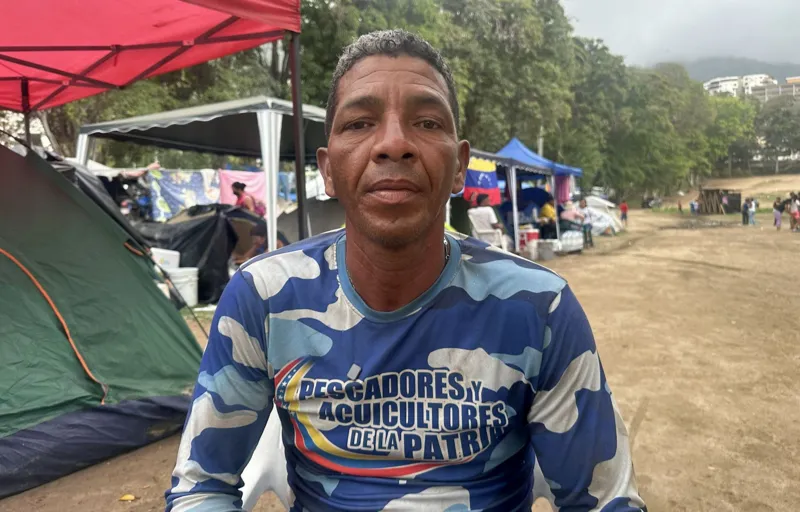
Some residents have refused to leave areas where buildings collapsed, believing that their missing relatives could still be found. Others have criticised authorities for what they describe as slow updates and insufficient support for families waiting for news.
Emergency officials have continued assessment operations, but the difficult conditions have complicated efforts. In several locations, damaged infrastructure and unstable buildings have created risks for rescue workers, while shortages of equipment and resources have slowed recovery efforts.
The earthquakes struck at a time when many Venezuelans were already facing significant economic challenges. Years of financial hardship, migration pressures and weakened public services have made recovery more difficult for communities that were already vulnerable before the disaster.
For survivors who lost their homes, rebuilding has become a major challenge. Many families have been forced to live in temporary shelters, with relatives or in makeshift arrangements while waiting for assistance. Some have returned to damaged properties despite safety concerns because they have nowhere else to go.
Humanitarian organisations working in affected areas have warned that the recovery phase could last months or even years. Beyond repairing buildings, experts say authorities must address psychological trauma among survivors, particularly children and families who lost relatives.
Natural disasters often create a second crisis after the initial emergency ends. While international attention is usually highest immediately after an earthquake, long-term recovery can be more difficult as media coverage decreases and communities face the slow process of rebuilding their lives.
In Venezuela, many families say their biggest demand is not only financial support but recognition and transparency. They want detailed information about missing people, clearer explanations about rescue efforts and assurances that lessons will be learned to improve future disaster preparedness.
The earthquakes have also renewed debate over Venezuela’s ability to respond effectively to major emergencies. Critics argue that years of economic difficulties have weakened institutions responsible for disaster management, while government officials maintain that emergency teams have been working under extremely challenging circumstances.
Authorities have said rescue and recovery operations were carried out according to available resources and that priority was given to saving lives, providing shelter and restoring essential services. Officials have also promised continued support for affected communities as reconstruction efforts progress.
However, for families still searching for loved ones, official statements provide little comfort.
Many continue visiting hospitals, emergency centres and temporary shelters, hoping to find information that could bring closure. Some have created online networks to share photographs, names and details of missing relatives, using social media as an alternative tool when traditional channels have failed to provide answers.
The emotional impact has been especially severe for parents searching for children, spouses looking for partners and elderly relatives waiting for news of family members separated during the chaos.
Survivors describe the moment the earthquakes struck as one of confusion and fear. Buildings shook violently, people rushed into streets and communication networks became overwhelmed. In the aftermath, many families discovered they had lost contact with relatives who had been nearby when the disaster occurred.
For those who survived, memories of the earthquake remain deeply traumatic. Loud noises, aftershocks and damaged buildings continue to trigger fear among residents who worry another disaster could happen.
Mental health specialists working with disaster survivors say emotional recovery is just as important as physical reconstruction. They warn that unresolved grief and uncertainty can create long-lasting psychological effects, particularly for people who remain unsure about the fate of missing relatives.
The international community has also monitored Venezuela’s recovery efforts, with humanitarian organisations providing assistance where possible. Aid groups have focused on emergency supplies, medical support, temporary shelter and assistance for vulnerable families.
However, experts say the scale of recovery required will exceed short-term humanitarian relief. Rebuilding homes, repairing infrastructure and restoring public confidence will require sustained investment and coordination between government agencies, local communities and international partners.
The earthquake has highlighted the vulnerability of communities living in areas where buildings may not have been designed to withstand severe seismic activity. Disaster experts say stronger construction standards, improved emergency planning and public awareness campaigns are essential to reducing future risks.
For many Venezuelans, the tragedy has also become a test of national resilience. Neighbours have supported one another by sharing food, shelter and information, while volunteers have joined rescue and relief efforts despite their own losses.
Community networks have played a crucial role in helping survivors during the difficult weeks following the earthquakes. Local groups have organised donation campaigns, distributed supplies and assisted families searching for missing relatives.
Yet the passage of time has brought a painful reality for many families: the uncertainty surrounding missing loved ones can be harder to endure than confirmed loss. Without answers, many remain unable to begin the process of mourning or rebuilding their lives.
One month after the earthquakes, Venezuela’s recovery remains far from complete. The physical scars of the disaster are visible in damaged buildings and disrupted communities, but the emotional wounds remain less visible and perhaps more difficult to heal.

For families still searching, the disaster is not over. Every phone call, hospital visit and new piece of information carries the possibility of hope. Until they receive answers, they will continue looking for their loved ones and demanding clarity about what happened.
The earthquake aftermath has become more than a story of destruction. It is a story of uncertainty, resilience and the human need for answers when tragedy strikes.
As Venezuela moves from emergency response toward long-term recovery, the success of rebuilding efforts will be measured not only by repaired buildings and restored infrastructure but also by whether families receive the information, support and justice they continue to seek.
Related News:
 Chornobyl Still at Risk 40 Years After Disaster
 At Least 19 Killed After Powerful Earthquake Hits Southern Philippines
 Venezuela Quake Death Toll Surpasses 4,000
 Thousands Evacuated in France as Wildfires Spread Across Regions
 As Trump Retreats from Climate Goals, China Is Becoming a Green Superpower
 How Do You Modernise Mango Farming? India’s Growers Urged to Innovate as Climate Change Hits
 Bill Gates Pulls Out of India’s AI Summit Over Epstein Files Controversy
 Zuckerberg Defends Meta in Landmark Social Media Addiction Trial
 Billionaire Les Wexner Tells US Lawmakers He Was ‘Naive’ and ‘Conned’ by Epstein
 Asos Co-Founder Dies After Thailand Balcony Fall
Major 7.1 Earthquake Strikes Off Malaysian Tourist Coast
Asos Co-Founder Dies After Thailand Balcony Fall
Major 7.1 Earthquake Strikes Off Malaysian Tourist Coast
 Probe After Illness Kills 72 Tigers in Thailand
 Epstein Files Reveal High‑Profile Names in New US Government Release
 Russian Troops Executed by Commanders, Soldiers Tell BBC
 Inside Kyiv’s resolve as conflict nears five‑year mark
 Epstein Tried to Buy a Palace in Morocco Days Before His 2019 Arrest
 Nepal Holds First General Election Since Gen Z Protests Toppled Government
 UK Government’s First Repatriation Flight to Leave Middle East, More Planned
 Passengers on Dubai‑Dublin Flight ‘Never So Happy to Be Home’
 Why Aren’t Our Dirtiest Roads Getting Cleaned?
 Global Order Is ‘Breaking Down’, Carney Tells Australian Parliament
 US Submarine Sinks Iranian Warship in Indian Ocean, Hegseth Says
 Spain’s Sánchez Hits Back at Trump Threat to Sever Trade, Says ‘No to War’
 Satellite Images Show Iranian Navy and Nuclear Sites Hit by US‑Israeli Strikes
 Iran Postpones Khamenei Funeral as US‑Israeli Bombardment Continues
 Protesters Rally in San Francisco Against OpenAI Deal With Pentagon
 Watershed Moment as Russia’s Sporting Exile Ends
 Dirty Laundry and Chocolate Bars: How Venezuelan Prisoners Smuggled Messages Out of Jail
 ‘Every Day Feels Like a Month’: Iranians Describe Life Under ‘Constant’ US‑Israeli Strikes
 How Depleted Weapons Stockpiles Could Affect the Iran Conflict
 We Have More Privacy Controls Yet Less Privacy Than Ever — The Paradox of Digital Life
 Nepal Election 2026: When Will We Get the Results?
 Regulator Contacts Meta Over Workers Watching Intimate AI Glasses Videos
 The Rewilding Cash Grab Driving Farmers Off the Land
 Alonso Fears ‘Permanent Nerve Damage’ From Aston Martin’s Disastrous Car
 Azerbaijan Promises Retaliation After Iranian Drone Hits Airport
 Study Says Only Two Nations May Survive Nuclear War
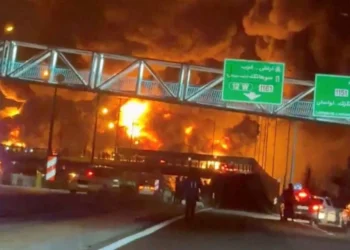 ‘Night turned into day’: Iranians tell of strikes on oil depots
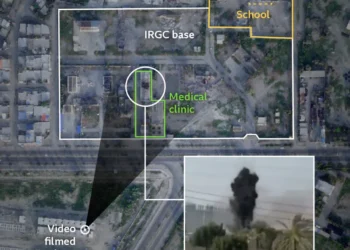 Video Analysis Suggests US Missile Hit Base Near Iran School
 Russia Seeks Gains as Iran War Reshapes Global Politics
 Children’s Author Convicted in Husband Poisoning Case
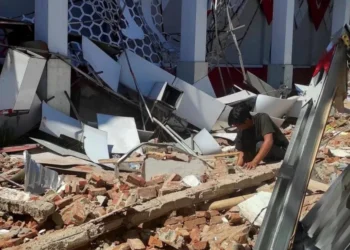 7.4-Magnitude Earthquake Jolts Eastern Indonesia; Tsunami Warning Lifted
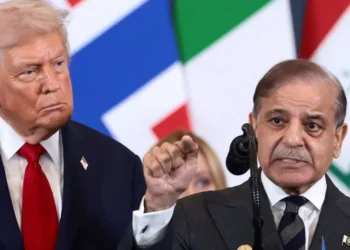 The ‘Pakistan Protocol’: How Islamabad Pulled the World Back from the Brink
 Moldova River Crisis Exposes War’s Hidden Cost
 Iran Crisis Tests Trump’s Global Leadership
 Ben Roberts-Smith Denies War Crime Allegations in First Statement
 Digital Trail Exposes Colombian Mercenaries in Sudan
 Black Forest Tragedy Remembered 90 Years On
 Capitalism ‘Suicidal’, Warns Petro at Climate Summit
 Coalition pushes fossil fuel phaseout plan
 Cartel crackdown raises fears of fresh violence
 US states redraw maps after voting rights ruling
 US ‘Narco Boat’ Strikes Draw Global Outcry
 Norway Doubles Down on Oil and Gas for Europe Energy Security
 Search Intensifies for Missing Hiker on WA Bibbulmun Track
 Doomsday Clock Nears Midnight Amid Global Crises
 The Great May Meltdown: Europe Braces for a Historic Swing from Arctic Chill to Extreme Late-Spring Heat
 “A Classroom in Crisis”: Special School Extends Closure Following Devastating Flash Flooding
 “The Resilience Breakthrough”: Genetic Engineering Paves the Way for Climate-Proof Rice
 “The Climate Multiplier”: Assessing the Dual Threat of Disease-Bearing Mosquitoes and Heat-Related Mortality
 Maldives Cave Diving Tragedy Raises Safety Alarm
 Pope Meets Families in Italy Toxic Waste Zone
 UN Issues Urgent Warning: Imminent Return of El Niño
 Albania Protests Erupt Over Luxury Resort Plan
 Global Chicken Consumption Soars, UN Reports
 Asia Prepares for Severe El Niño Threat
 Families Grieve Beyond Air India Crash Victims
 Deadly Earthquake Hits Philippines
 Australian Doctor in Pioneering Cancer Trial Dies
 Armenia Votes Under Pressure From Russia

 Venezuela Earthquake Survivors Share Stories of Survival as Rescue Hopes Begin to Fade
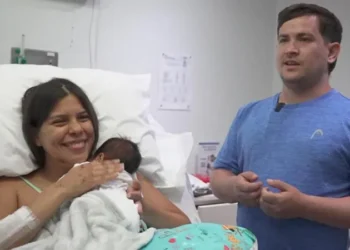 Mum Rescued from Venezuela Earthquake Rubble Says Newborn Baby Gave Her Strength to Survive
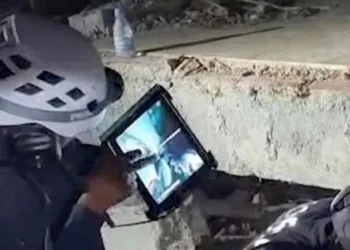 Headline: Three-Year-Old Rescued Alive Six Days After Devastating Venezuela Earthquake
 Germany Summons Chinese Envoy Over Russian Troop Training
 African Fishermen Blame Chinese Trawlers for Declining Catches
 Girl Survives 32 Hours Under Rubble After Venezuela Quake
 Ukrainian Suspect Alters Account in Monaco Murder Case
 New Footage Revives Peter Falconio Mystery
 Bangkok Bar Fire Kills 27, Leaves Eight Critically Injured