Published: 10 August 2026. The English Chronicle Desk. The English Chronicle Online
What initially appeared to be the discovery of human remains beside a remote Australian road has ended with an unusual conclusion: the suspected body was actually a highly realistic doll.
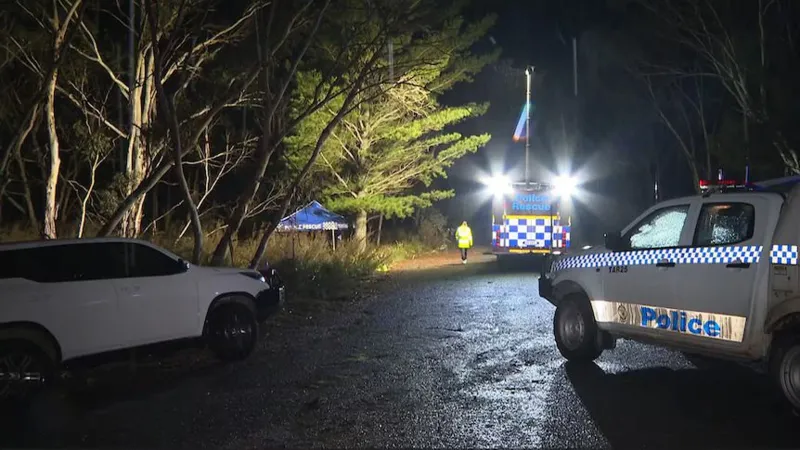
The discovery prompted Australian police to launch what they initially described as a murder investigation after two men came across a suitcase near the small village of Oallen, about 230 kilometres south-west of Sydney. The circumstances surrounding the suitcase, combined with the lifelike appearance of its contents, were serious enough for investigators to treat the scene as a potential crime site.
Police later confirmed that forensic examinations had established that the contents were not human remains. The investigation was subsequently closed, bringing an unexpected end to a case that had briefly generated considerable public interest.
The suitcase was discovered on Sunday by two men who were travelling through the area. According to police, the pair stopped during their journey and noticed the suitcase on the roadside. When they looked inside, what they saw appeared sufficiently realistic to raise immediate fears that someone had been killed and their remains abandoned.
The men contacted authorities rather than attempting to investigate the discovery themselves. Police said their decision was appropriate and helped ensure that investigators could assess the scene properly.
The initial response reflected the seriousness of what appeared to have been found. Officers and forensic specialists attended the location, examined the suitcase and began the procedures normally associated with a suspected death.
By Monday, police had publicly announced that they were investigating a possible murder. The announcement intensified interest in the case, particularly because the apparent remains had been discovered in an isolated location and the circumstances surrounding the suitcase were unclear.
However, the investigation took a dramatic turn only hours later.
Forensic testing established that the apparent victim was not a person. Instead, investigators determined that the object was a lifelike doll designed to closely resemble human remains.
Hume Police District Superintendent Linda Bradbury explained that the object had initially been mistaken for human remains because of its unusually realistic appearance. Investigators subsequently used further examinations to establish that it was not human.
The doll was dressed in clothing and had hair and a nose piercing. Police also noted that it contained markings that resembled bruises and grazes, adding to the impression that the object could have been an injured or deceased person.
Those features help explain why the discovery was initially treated as a potentially serious crime rather than immediately dismissed as an unusual object.
Bradbury said forensic teams and investigators had followed established procedures when examining the scene. The police response, she indicated, was designed to preserve the integrity of the location while officers established exactly what had been found.
The decision to treat the discovery as a possible crime scene meant investigators had to proceed carefully. Moving or handling objects before they had been properly examined could potentially compromise evidence if a genuine crime had taken place.
Bradbury defended the police response despite the unusual outcome.
She said investigators had followed the necessary processes and emphasised the importance of avoiding unnecessary disturbance at a potential crime scene. The priority, she explained, was to maintain the integrity of the investigation until forensic examination could determine the nature of the suspected remains.
The case also had an emotional impact on the two men who found the suitcase.
Before police confirmed that the contents were a doll, Bradbury described the discovery as a shocking experience for the men. They had been on a weekend drive, something many people would consider an ordinary leisure activity, when they unexpectedly encountered what appeared to be a dead person.
The discovery transformed an otherwise routine journey into an alarming situation.
Bradbury said the two men had made the correct decision by reporting what they had found. Rather than opening the investigation themselves or attempting to move the suitcase, they alerted police, allowing trained investigators to determine whether a crime had occurred.
Police later said they would contact the men to inform them that the apparent remains were not human.
The unusual incident highlights the increasing realism of dolls and other manufactured figures designed to resemble people. Modern lifelike dolls can include realistic skin textures, hair, clothing and facial features, making them difficult to distinguish from a person at a glance, particularly in disturbing circumstances or when partially concealed inside luggage.
In this case, the combination of clothing, hair, a piercing and markings resembling injuries appears to have contributed to the initial misunderstanding.
For police, however, the realistic appearance did not reduce the need for a proper investigation. When officers are presented with a report that potentially involves human remains, the consequences of assuming otherwise can be severe. Establishing the facts through forensic examination is therefore essential before authorities can safely conclude that no crime has occurred.
The episode also demonstrates how quickly a developing investigation can change once forensic evidence becomes available.
The announcement of a murder investigation naturally raised questions about who might have been responsible, why a suitcase had been left beside the road and whether an unidentified person had been killed elsewhere before their remains were transported to the location.
None of those questions ultimately required answers because there was no human victim.
Police have now closed the investigation, and there is no indication from the authorities that a murder or other serious criminal offence took place.
The incident nevertheless serves as a reminder of the difficult judgments emergency services and investigators sometimes have to make when confronted with ambiguous evidence.
For the two men who discovered the suitcase, the experience was undoubtedly unsettling. They were faced with something that appeared to be evidence of a violent death and had to make an immediate decision about what to do. By contacting police, they allowed professionals to secure the area and determine the truth.
For investigators, the case illustrates why apparent human remains must be handled with caution regardless of how unusual the circumstances may ultimately prove to be.
What began as a roadside discovery and quickly developed into a suspected murder investigation ended not with a criminal suspect or a victim, but with the identification of an extraordinarily realistic doll.
The strange episode has now been closed, leaving behind a story that initially appeared to point towards a serious crime but ultimately turned out to be a case of mistaken identity on an unusually convincing scale.
Related News:
 ‘The Nanny of Bondi’: Accused Pinochet Agent Adriana Rivas to be Extradited to Chile
 ‘It Was an Accident’: Rohan Dennis Breaks Silence to Attack ‘False Narrative’ Over Wife’s Death
 The Fallen Icon: Ben Roberts-Smith Charged with Five War-Crime Murders
 Five Young People Die in Spain Apartment Block Fire
 ‘Staggeringly Stupid’ Man Jailed After Tattooing Children
 Suspect in Rhode Island Ice Hockey Shooting Killed Ex‑Wife and Son
 Epstein Eyed Record Label Investment to Access Women, Files Suggest
 Austrian Climber Found Guilty After Girlfriend Froze to Death on Mountain
 Australian Prosecutors Consider Reopening British Girl’s Cold Case Disappearance
 Sydney kidnapping mystery deepens as grandfather’s remains found after mistaken abduction
 Australians Arrested Over Alleged Murder of Grandfather Mistakenly Kidnapped
 Murdered Student ‘Algasim’ Was ‘the Most Special Person’, Friends Say
 Wealthy Parents Play Dead After Son Hires Hitman to Kill Them
 Ecuador Deploys 75,000 Forces in Anti-Gang Drive
 Teen Admits Filming Westfield Chair Prank
 Missing Cuba-Bound Aid Ships Spark Urgent Search
 ‘I Will Not Abandon Him’: Pauline Hanson Stands by Ben Roberts-Smith After War Crime Charges
 ‘Ghost Offences’: Data Reveals No Children Charged with New ‘Adult Crime’ Laws in 11 Years
 Reckoning in Sydney: Ben Roberts-Smith Arrested and Charged with Five War Crime Murders
 The Invisible Trap: How an Online Friendship Became a Sextortion Nightmare
 The ‘Algorithm of Arson’: How a Global Cyber-Syndicate Triggered Real-World Riots
 National Heartbreak: Turkey Mourns Victims of Unprecedented School Shooting Wave
 Horror at the Heights: Canadian Tourist Killed in Sniper-Style Attack at Teotihuacán
 Two Dead in Adelaide Airport Plane Crash Fire
 “Utterly Devoid of Merit”: Christchurch Mosque Shooter Loses Bid to Overturn Convictions
 Tragedy in the Red Centre: Outback Search Ends in Discovery of Missing Girl’s Body
 China Fireworks Factory Blast Kills 21 in Hunan
 “A Systemic Fracture”: Child Protection Staff Suspended Following Alleged Murder of Australian Schoolgirl
 Search Intensifies for Missing Hiker on WA Bibbulmun Track
 Japanese Bear That Injured Four Still Missing
 Alleged Bondi Beach Gunman Faces 19 Additional Charges
 Family of British Toddler Voices Frustration as Australian Cold Case Murder Inquiry Opens
 UK Actress Charged Over Alleged A$300 Million Methamphetamine Import Plot in Australia
 Trump’s Major Recruitment Drive Targets Border Patrol Growth
 Dreyfus Statue Finally Gets Permanent Paris Home
 Teen Charged After Layla Jeffery Found Dead
 Three Dead in Seattle Food Festival Shooting
 Court Restores Sentence in Emma Lovell Murder Case
 Thai School Shooting Leaves Nation Demanding Answers
 Northern Ireland Family of Three Shot Dead in Maguiresbridge Home Incident
 Channel Crossings Surge: Over 1,000 People Arrive in the UK in Small Boats in a Single Day
 Indian authorities demolish Kashmir home linked to Red Fort blast
 Greene Pushes Epstein Files Amid Trump Fallout
 Deadly Russian Strikes Hit Western Ukraine, 20 Killed in Ternopil
 American Mother Extradited From UK to U.S. on Murder Charges
 Sydney Shark Attack Surge Shocks Australia Beaches
 Snow and Rain Warnings as Cold Snap Continues in the UK
 Nine Arrested in France Over Death of Far‑Right Student
 Australian PM Says Former Prince Andrew Has Suffered ‘Extraordinary Fall’ but That Won’t Prompt Republic Referendum
 American Citizen Killed in Cuba Boat Shooting, U.S. Officials Say
 Kidnapping of Foreigners Soars in Africa’s Lawless Sahel Region
 Calls Grow to Remove Billboard Following Lyra McKee Graffiti
 ‘Every Day Feels Like a Month’: Iranians Describe Life Under ‘Constant’ US‑Israeli Strikes
 Real Estate Brothers Convicted in Sex Trafficking Trial
 Teen Wins Payout After TRNSMT Crush Horror
 ‘The Final Word’: Kathleen Stock’s Polemic Against Assisted Dying Reshapes the UK Debate
 ‘The Cost of Living’: Asia’s Migrant Workers Debate if Gulf Jobs are Worth the Risk of War
 “The Monster of Hull”: Funeral Director Admits to Preventing 30 Burials and Stealing Charity Cash
 ‘The Soul of Spain’: Politicians Clash Over Renewed Push to Move Picasso’s Guernica
 The Suffocating Silhouette: Why Metal’s Mask Trend is Turning Deadly
 Heartbreak in Bournemouth: The Tragic Death of James Blanch
 Moldova River Crisis Exposes War’s Hidden Cost
 The ‘Big Fish’ Lands: Marcos Confirms Arrest of Key Figure in Flood-Control Scandal
 Justice and Deceit: High Court Convicts Woman in Hong Kong Blackmail Plot
 “Three-Wheeled Triumph”: Mayor of Erewash Completes 2,000-Mile European Charity Run
 Ukraine Urges UK to Seize Russian Oil Tankers
 “The Blue Light Intersection”: Seventeen-Year-Old Critically Injured in ‘Nasty’ Police Pursuit Crash
 “The Price Persistence”: Navigating the UK’s Evolving Cost-of-Living Landscape
 Pope Meets Families in Italy Toxic Waste Zone
 Israel, Lebanon Agree on Fragile Ceasefire Deal
 Bear Escapes Factory Through Open Window
 Fans Bring Flags and Fire to World Cup Scenes
 Fans Invited to Share Scotland World Cup Stories
 India Orders Meta to Remove Child Abuse Ads
 Girl Survives 32 Hours Under Rubble After Venezuela Quake
 Le Pen’s Popularity Holds Despite Conviction
 UK’s Largest Muslim Convention Scales Up Security Amid Rising Bigotry
 Berlin Pride Attack Suspect Killed in Police Raid
 Avalanche Claims Nepal’s Greatest Mountain Guides
 Burnham Considers Inquiry Into Epstein UK Connections