Published: 29 April 2026. The English Chronicle Desk. The English Chronicle Online
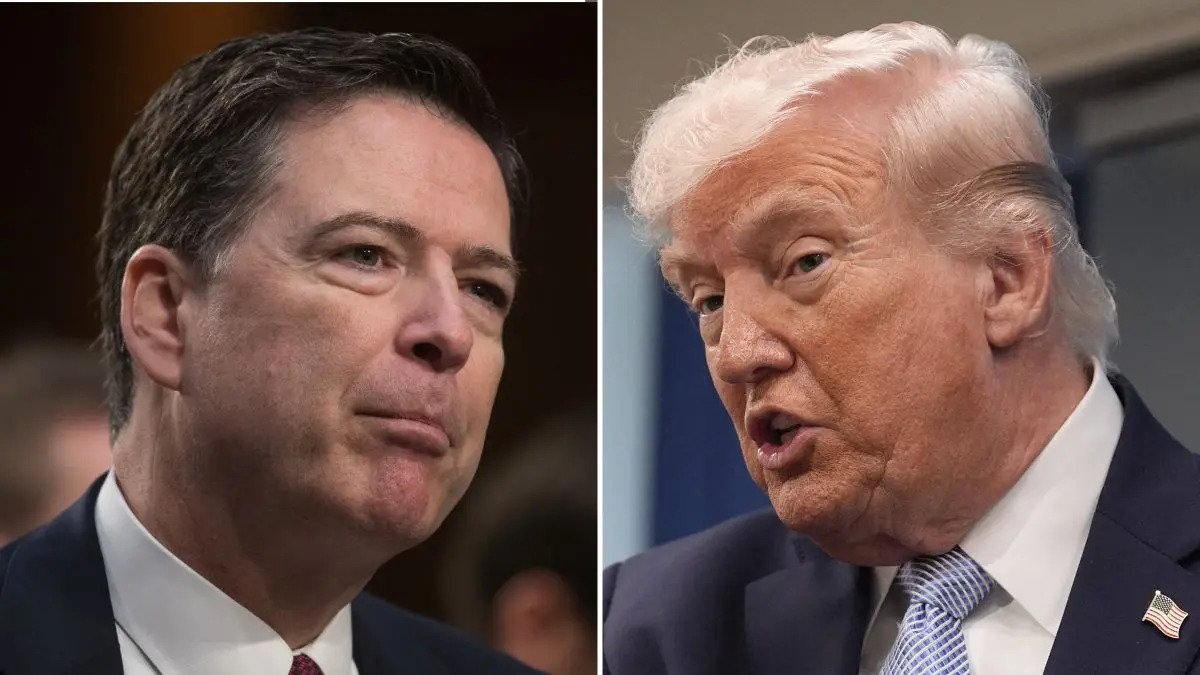
The United States political landscape has once again been shaken after the Justice Department filed new criminal charges against former FBI Director James Comey, marking a renewed legal confrontation that has intensified debate over the use of federal power and political accountability in Washington.
According to court filings in the Eastern District of North Carolina, the case centers on a controversial social media post made by Comey during a vacation last year. The post featured seashells arranged in the numbers “86 47,” which prosecutors argue could be interpreted as a veiled threat against US President Donald Trump. The number “86” is sometimes used in slang to mean removal or elimination, while “47” is linked to Trump’s position as the 47th president.
Following public backlash, Comey deleted the post and issued an apology, stating that he was unaware of any violent connotation associated with the numbers. However, federal authorities proceeded with an investigation, ultimately leading to charges of making threats against the president and transmitting threatening communications across state lines. If convicted, each felony count carries a potential sentence of up to five years in prison.

The indictment has reignited political controversy in Washington, with critics arguing that the case reflects a broader pattern of the Justice Department being used as a tool against political opponents. Supporters of the administration, however, maintain that the legal process is being applied based on evidence and the perceived seriousness of the post.
James Comey has long been a polarising figure in US politics, particularly due to his role in overseeing investigations into alleged ties between Trump’s 2016 campaign and Russia. His tenure and subsequent dismissal from the FBI during Trump’s first term created lasting political tensions, making him a frequent target of criticism from Trump allies.
This latest indictment follows other controversial legal actions involving high-profile political figures. In a separate case, New York Attorney General Letitia James was previously charged in connection with mortgage-related allegations, though that case was later dismissed. Observers note that these developments have contributed to growing concerns about the increasing politicisation of legal institutions in the United States.
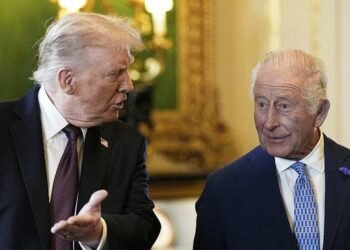
At the same time, US politics continues to be marked by a series of high-profile developments involving the Trump administration. During a recent ceremonial event at the White House, President Trump emphasised the enduring “special relationship” between the United States and the United Kingdom while hosting King Charles III and Queen Camilla. The event was widely seen as an attempt to reinforce diplomatic ties amid broader international and domestic political tensions.
In another development, the Federal Communications Commission (FCC) has ordered a review of broadcast licences used by ABC, a move that has sparked debate over media freedom and regulatory authority. Critics have described the decision as part of a growing pattern of political pressure on media organisations, particularly following controversies involving public commentary and satire targeting political figures, including remarks about Melania Trump.
Legal experts say the combination of these cases highlights an increasingly tense environment in which law, politics, and media intersect. The Comey indictment in particular is expected to become a focal point in ongoing debates about free speech, executive authority, and the independence of federal law enforcement agencies.

Supporters of the Justice Department argue that the case should be viewed strictly through a legal lens, focusing on whether the content of the post could reasonably be interpreted as threatening. They insist that political background or personal history should not influence judicial outcomes. Critics, however, warn that selective prosecution risks undermining public trust in institutions designed to operate independently of political influence.
James Comey, once one of the most powerful law enforcement officials in the country, now finds himself at the centre of a renewed legal and political storm. His defence team is expected to challenge the charges vigorously, arguing that the post was misinterpreted and that no genuine threat was intended.
As the case moves forward, it is likely to attract significant national attention, further intensifying discussions about the boundaries of free expression, political rivalry, and the role of justice in a deeply polarised American political landscape.
Related News:
 Melania Trump Epstein remarks spark survivor backlash
 US Labor Department in turmoil after secretary resigns
 Swalwell Faces Pressure to Quit Governor Race
 Harmeet Dhillon Faces Scrutiny in DOJ Role Debate
 NHS Safety Fears as Nurses Cover Doctor Gaps
 Judge Blocks Trump Bid for Arizona Voter Data
 US Court Weighs Fate of TPS for Migrants
 US ‘Narco Boat’ Strikes Draw Global Outcry
 Immigration Judges Fear Pressure in Trump Era
 US judge dismisses Kilmar Abrego Garcia indictment
 Trump’s Revenge Drive Deepens GOP Divide
 Gunman Killed After White House Security Shootout
 DeSantis’s ‘Alligator Alcatraz’ Faces Final Shutdown
 Trump’s Mount Rushmore Speech: A Divisive Anniversary
 Dreyfus Statue Finally Gets Permanent Paris Home
 Trump Orders Signs Criticising Smithsonian Museum
 Is America Ready for an AOC Presidential Run?
 FBI Director Kash Patel Defends Girlfriend Amid Government Jet Claims
 French Taxi Driver Cleared in David Lammy Theft Case After Fare Dispute
 ‘Reckless’ cuts to victims’ services will cost more than they save
 Greene Pushes Epstein Files Amid Trump Fallout
 Venezuela Threatens Nobel Winner Machado with Fugitive Status
 Most Tories Expect to Support a Farage-Led Government
 Two National Guard Soldiers Critically Injured Near White House
 US National Guard Member Killed in DC Shooting
 Jordan Bardella: France’s Young Presidential Contender
 American Mother Extradited From UK to U.S. on Murder Charges
 Government Unveils Northern Powerhouse Rail Plans
 Trump press secretary attacks reporter over ICE question
 Kyrsten Sinema Faces High-Profile Lawsuit Over Marriage Interference
 Trump Fed bid heads to Supreme Court
 ‘It’s a Complete Scandal’: Aristocrat’s Fight for Prison Children
 Trump officials continue false claims after Alex Pretti shooting
 Partial US Government Shutdown Hits Homeland Security Funding
 Thousands Protest ICE Operations in Nationwide US Day of Action
 Epstein Files Reveal Trump Officials’ Emails with Financier
 Sinema payment row deepens after $9,000 transfer claim
 Nurses’ families fear breakup under UK immigration crackdown
 California Democrats Vow Trump Reckoning
 Trump’s Surgeon General Pick Evades Vaccine Questions
 Adelaide University Faces Backlash Over Event Cancellation
 Utah Woman Found Guilty of Poisoning Husband for Inheritance
 M&S Demands Urgent Action on Rising Violent Retail Crime
 Can King Charles Calm Trump on Key US Visit?
 Trump Signals Hope for New Iran Talks as Ceasefire Fades
 US Catholics Caught Between President and the Pope
 Kezia Dugdale Warns of Possible Reversal of Equal Rights Gains
 Louisiana Tragedy: Eight Children Die in Mass Shooting
 GOP Senator Criticizes Trump’s Feud With Pope Leo XIV
 UK Stands Firm on Falklands Amid US Rift
 Investigation Into Anti-Trump Motives After Gala Shooting
 Trump Defiant After Washington Hotel Shooting
 Identity Revealed: Suspected Washington Gunman Named
 John Terry Faces Backlash Over Political Posts
 Judge halts deportation of Yemeni refugees in US
 White House Security Case Sparks Political Firestorm
 Trump approval plunges amid Iran war fears
 Ohio’s Battle for Trust: Democrats Vying to Flip the Buckeye State
 China Fireworks Factory Blast Kills 21 in Hunan
 Trump warns Iran as Middle East tensions surge again
 Ohio Primaries Set Stage for Crucial Midterms
 Afghan Families Left in Limbo Face Risk of Deportation
 Florida Surgeon ‘Devastated’ Over Fatal Surgery Error
 Tensions Emerge in Netanyahu-Trump Alliance
 US Awaits Iran Reply on New Ceasefire Proposal
 US green card applicants must apply from abroad, DHS says
 Tulsi Gabbard exits after turbulent intelligence tenure
 Hormuz Talks Near Critical Stage
 Prosecutor Proposes Law to Combat Election Deceit
 Starmer Leadership Under Pressure After Setbacks
 House Curbs Trump’s War Powers in Rare Rebellion
 US Courts Back Trump on Park Signage Removals
 UK Nations Brace for Potential Breakup Amid Reform Surge
 Ukraine Creates Long-Range Strike Command
 Le Pen’s Popularity Holds Despite Conviction
 Trump Refuses to Sign Housing Bill, But Law Takes Effect
 Houthis Strike Saudi Arabia as Middle East Tensions Rise
 Three-Quarters of England’s Riverbanks Still Off Limits
 Westminster Council Threatens Charing Cross Soup Kitchen
 BBC Warned About Missing Clothes of Murder Victim