Published: 05 May 2026.. The English Chronicle Desk. The English Chronicle Online.
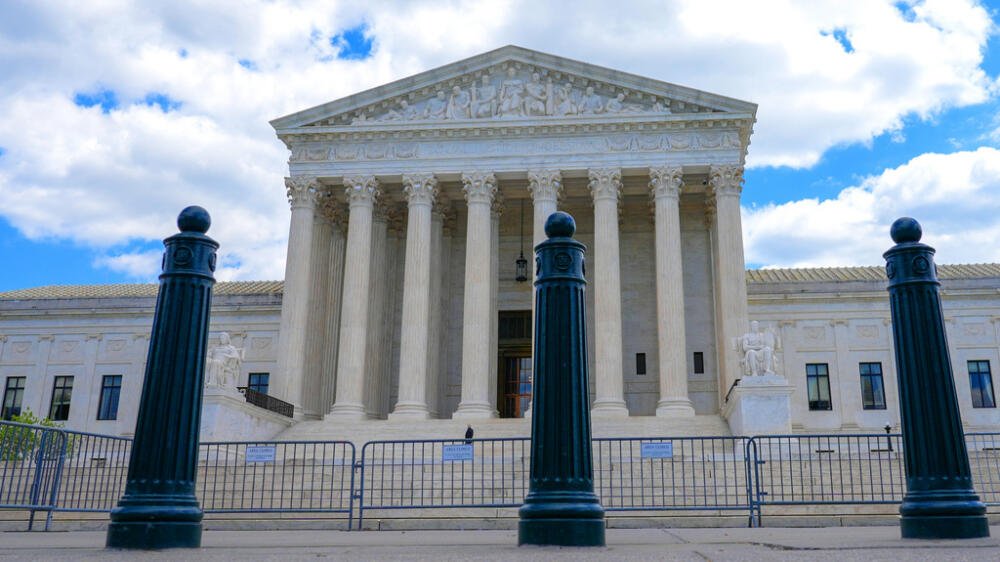
A temporary ruling by the US Supreme Court to restore access to a key abortion medication has reignited one of the most contentious political and legal battles in the United States, with Democrats welcoming the decision while warning that the broader fight over reproductive rights is far from over.
The court’s move allows continued access to Mifepristone, a drug widely used as part of a two-step regimen for medication abortions, alongside Misoprostol. Crucially, the ruling also reinstates the ability for patients to receive the medication by mail, a provision that has significantly expanded access to abortion services in recent years, particularly in states with restrictive laws.
Democratic leaders responded swiftly, framing the decision as an important but limited victory. Chuck Schumer described the ruling as only the beginning of a prolonged struggle, emphasising the party’s determination to counter Republican efforts aimed at restricting abortion nationwide. His remarks reflect a broader Democratic strategy focused on safeguarding reproductive healthcare access through both legal and legislative means.

The legal battle over abortion pills has intensified in the years following the landmark Dobbs v. Jackson Women’s Health Organization decision, which overturned federal protections for abortion rights and returned regulatory authority to individual states. Since then, anti-abortion groups have increasingly targeted medication abortion, now the most common method for terminating pregnancies in the United States.
Supporters of abortion rights argue that access to these medications is critical for ensuring safe and effective reproductive healthcare. Jacky Rosen called on the court to act decisively to provide permanent protection for mifepristone, highlighting concerns that ongoing legal challenges could create uncertainty for patients and healthcare providers.
Similarly, Pramila Jayapal stressed the need for continued vigilance, warning that efforts to restrict abortion access are likely to persist. Her comments reflect growing concern among Democrats that incremental legal challenges could gradually erode access, even in the absence of sweeping federal legislation.
At the heart of the dispute is the question of how abortion medications are regulated and distributed. Opponents argue that loosening restrictions on mail delivery could compromise safety, while medical experts and major health organisations maintain that the drugs are both safe and effective when used as directed. Extensive research and regulatory reviews have supported the use of mifepristone for over two decades, making it a cornerstone of reproductive healthcare in the US.
The court’s temporary decision does not resolve the underlying legal issues, meaning that further rulings are expected in the months ahead. As the case proceeds, it is likely to remain a focal point of national debate, influencing not only healthcare policy but also the broader political landscape.
The issue of abortion has become increasingly central to American politics, shaping electoral strategies and voter engagement. Since the Dobbs ruling, several states have enacted strict abortion bans, while others have moved to protect and expand access. This patchwork of laws has created significant disparities in healthcare access, often forcing patients to travel long distances or rely on telemedicine services.
The reinstatement of mail access to abortion pills is particularly significant in this context, as it offers a means of overcoming geographic and legal barriers. However, critics warn that without permanent legal protections, such access remains vulnerable to future court decisions and legislative changes.
Beyond the immediate legal implications, the ruling highlights the broader tension between federal authority and state-level regulation. It also underscores the role of the judiciary in shaping public policy on deeply divisive issues, a role that has drawn both support and criticism from different राजनीतिक perspectives.
Public opinion on abortion remains sharply divided, with strong views on both sides of the debate. Advocacy groups, lawmakers and legal experts continue to mobilise, recognising that the outcome of this case could have far-reaching consequences for reproductive rights in the United States.

As Democrats celebrate a temporary reprieve, they are also preparing for what they see as a long-term struggle. The language used by party leaders suggests a recognition that the legal battle over abortion is entering a new phase, one defined by incremental challenges and sustained political engagement.
For now, the restoration of access to mifepristone provides reassurance to millions of women who rely on medication abortion. Yet the uncertainty surrounding the case serves as a reminder that the future of reproductive healthcare in the United States remains unsettled.
The coming months are expected to bring further legal arguments, political manoeuvring and public debate. Whether the court ultimately delivers a definitive ruling or leaves the issue to legislative action, the stakes will remain high. In the words of Democratic leaders, the fight is far from over—it is only just beginning.
Related News:
 Mystery Grows Over Mitch McConnell’s Health
 Thousands Protest ICE Operations in Nationwide US Day of Action
 US Court Ruling Reshapes Voting Rights Landscape
 US states redraw maps after voting rights ruling
 Judge halts deportation of Yemeni refugees in US
 Giuliani hospitalised in critical condition
 Trump warns Iran as Middle East tensions surge again
 FDA Chaos Deepens as Trump Eyes Makary Exit
 Trump’s Revenge Drive Deepens GOP Divide
 Former ICC prosecutor condemns US sanctions
 Gunman Killed After White House Security Shootout
 China-critical UK academics face ‘extremely heavy’ pressure from Beijing
 US Justice Department Files Lawsuit Against California Over Partisan Voting Maps
 Trump Deploys DHS to Charlotte in Major Arrest Operation
 Congress Approves Release of Epstein Files, Trump Expected to Sign
 Texas Governor Faces Lawsuit From CAIR
 US National Guard Member Killed in DC Shooting
 Trump to Recheck Green Cards from 19 Nations After DC Attack
 Chinese & Japanese Boats Clash Near Disputed Islands
 Putin Meets US Envoy Amid Key Ukraine Peace Talks
 US Defence Chief on Drug Boat Strike: “Did Not See Survivors”
 Trump Escalates Minnesota Immigration Surge Amid Rising Tensions
 Greenland Faces Pivotal Summit Over Arctic Power Struggle
 Trump Threatens Strong Action If Iran Executes Protesters
 Trump Receives Machado’s Nobel Medal in White House Meeting
 EU Says US Ties Have Suffered ‘Big Blow’ After Greenland Crisis
 Trump officials continue false claims after Alex Pretti shooting
 UK and EU Signal Fresh Push for Defence Cooperation Talks
 Partial US Government Shutdown Hits Homeland Security Funding
 Epstein Files Reveal Trump Officials’ Emails with Financier
 Thousands Protest ICE in New York Against Trump Deportation Campaign
 Trump Praises ‘Terrific’ Petro After White House Talks
 Sydney Protest Clash Triggers Police Probe
 Clinton Testimony Erupts in Fiery Exchange
 UK Prepares Aircraft Carrier for Middle East Crisis
 Pete Hegseth Iran War Remarks Spark Alarm
 Queensland Protest Laws Spark Free Speech Backlash
 Trump’s Harsh Rhetoric on Iran Sparks Global Alarm
 Report Says Pezzullo Acted ‘Recklessly’ in Dealings
 Hungary election: Orbán faces biggest test amid scandal
 Suspected Plot Targets Pipeline Before Hungary Vote
 Trump Faces Crisis as Iran Reopens Hormuz Tensions
 Harmeet Dhillon Faces Scrutiny in DOJ Role Debate
 Charles Faces Trump Test in High-Stakes US Visit
 UK Stands Firm on Falklands Amid US Rift
 Trump at Press Dinner Sparks Tension
 US Court Weighs Fate of TPS for Migrants
 Florida Redistricting Map Sparks Major US Political Battle
 US Voting Rights Ruling Sparks Celebration and Outcry
 Cartel crackdown raises fears of fresh violence
 Trump orders US troop pullout from Germany
 White House Security Case Sparks Political Firestorm
 Trump approval plunges amid Iran war fears
 Ohio’s Battle for Trust: Democrats Vying to Flip the Buckeye State
 Trump Threatens UN Budget Cuts as US Pushes ‘Trade Over Aid’ Agenda
 US Supreme Court fast-tracks Voting Rights ruling
 US ‘Narco Boat’ Strikes Draw Global Outcry
 Indiana Republicans Defy Trump in Key Vote Test
 Ohio Primaries Set Stage for Crucial Midterms
 Afghan Families Left in Limbo Face Risk of Deportation
 Florida Surgeon ‘Devastated’ Over Fatal Surgery Error
 Tensions Emerge in Netanyahu-Trump Alliance
 US Awaits Iran Reply on New Ceasefire Proposal
 Immigration Judges Fear Pressure in Trump Era
 US green card applicants must apply from abroad, DHS says
 Tulsi Gabbard exits after turbulent intelligence tenure
 Hormuz Talks Near Critical Stage
 Ebola outbreak in DRC overwhelms health system as cases surge
 Trump Claims Iran Peace Deal Near Completion
 Irish Gangland Figure Fails in Dublin Election Bid
 Prosecutor Proposes Law to Combat Election Deceit
 Trump Weighs Retreat from Controversial $1.8bn Slush Fund
 US Midterm Primaries: Democrats Target Key Republican Seats
 House Curbs Trump’s War Powers in Rare Rebellion
 Le Pen’s Popularity Holds Despite Conviction
 Trump Refuses to Sign Housing Bill, But Law Takes Effect
 Senate Halts Defense Bill Over Iran Clashes
 Houthis Strike Saudi Arabia as Middle East Tensions Rise
 Trump Orders Signs Criticising Smithsonian Museum
 Is America Ready for an AOC Presidential Run?