Published: 05 May 2026. The English Chronicle Desk. The English Chronicle Online
Voters across Ohio are heading to the polls in a pivotal round of primary elections that could significantly shape the balance of power in Washington ahead of the November midterms. Once a key battleground state, Ohio now plays a crucial role in determining whether Donald Trump’s fellow Republicans will maintain control of Congress during the final two years of his presidency.
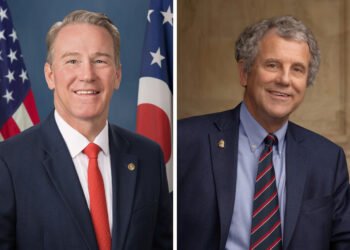
At the centre of national attention is a high-profile Senate special election. Sherrod Brown, a Democrat and former senator, is seeking to return to office by challenging Republican incumbent Jon Husted. The winner will complete the remaining two years of the term originally won by JD Vance in 2022 before he became vice-president.
Brown has built his campaign around support for working-class voters, while Husted represents the Republican effort to hold onto a seat that is key to maintaining their influence in the Senate. The race is expected to be closely watched nationwide as an indicator of voter sentiment ahead of the general election.

In north-west Ohio, Republicans are also selecting a candidate to challenge Marcy Kaptur, the longest-serving woman in congressional history. Her district, centred on Toledo, has become more competitive following recent redistricting changes that favour Republicans. As a result, Kaptur is considered one of the most vulnerable Democratic lawmakers in the country.
The Republican primary in this district includes several strong contenders. Derek Merrin, a former state representative who narrowly lost to Kaptur in 2024, is among the leading candidates. He is joined by Madison Sheahan, a former federal immigration official, and Josh Williams, a current state lawmaker. The outcome of this race could have a significant impact on control of the House of Representatives.
Another major contest is the race to replace Mike DeWine, who cannot run again due to term limits. On the Republican side, Vivek Ramaswamy is the leading candidate, supported by Trump and the state party. He faces a challenge from Casey Putsch, who is appealing to more conservative voters.
For Democrats, Amy Acton is the leading candidate. She previously served as the state’s health director and gained recognition for her leadership during the Covid-19 pandemic. Her campaign focuses on healthcare, economic stability and bipartisan cooperation.
Ohio’s political identity has shifted significantly over the years. Once known as a swing state that helped decide presidential elections, it has moved increasingly towards the Republican Party. George W. Bush won the state in 2004, and Barack Obama carried it in both 2008 and 2012. However, in recent elections, Republicans have strengthened their position.
In 2024, Trump won Ohio by a large margin, reflecting the state’s changing political landscape. That same year, Brown lost his Senate seat to Republican Bernie Moreno, contributing to the Republican Party’s control of the Senate. Despite this, Democrats believe they still have a chance to regain ground, especially as economic concerns remain a key issue for voters.
Economic conditions are expected to play a major role in the upcoming elections. Rising living costs, wages and job opportunities are central concerns for many voters. Both parties are focusing on these issues as they attempt to win support across the state.
Republicans are still expected to perform strongly overall, with projections suggesting they could win at least 10 of Ohio’s 15 House seats. However, the primary elections will determine which candidates will represent each party in the general election, making them a critical step in the electoral process.

Nationally, the stakes are high. In November, voters across the United States will elect all 435 members of the House of Representatives and 33 members of the Senate. The outcome will determine which party controls Congress and will shape the direction of government policy for the remainder of Trump’s term.
As Ohio voters cast their ballots, the state once again finds itself playing a significant role in American politics. While it may no longer be the decisive swing state it once was, its elections continue to reflect broader national trends and political priorities.
The results of these primaries will set the stage for a closely watched general election. For both Democrats and Republicans, success in Ohio could be a key step towards securing power in Washington and shaping the future direction of the country.
Related News:
 Putin Intensifies Territorial Demands Before US Talks
 Trump to Recheck Green Cards from 19 Nations After DC Attack
 Trump Escalates Minnesota Immigration Surge Amid Rising Tensions
 Greenland Faces Pivotal Summit Over Arctic Power Struggle
 Trump Threatens Strong Action If Iran Executes Protesters
 Trump Receives Machado’s Nobel Medal in White House Meeting
 EU Says US Ties Have Suffered ‘Big Blow’ After Greenland Crisis
 Thousands Protest ICE Operations in Nationwide US Day of Action
 Epstein Files Reveal Trump Officials’ Emails with Financier
 Thousands Protest ICE in New York Against Trump Deportation Campaign
 Trump Praises ‘Terrific’ Petro After White House Talks
 Clinton Testimony Erupts in Fiery Exchange
 Trump Faces Questions Over Iran Conflict Plan
 UK Prepares Aircraft Carrier for Middle East Crisis
 Pete Hegseth Iran War Remarks Spark Alarm
 Trump’s Harsh Rhetoric on Iran Sparks Global Alarm
 Trump Faces Crisis as Iran Reopens Hormuz Tensions
 Charles Faces Trump Test in High-Stakes US Visit
 UK Stands Firm on Falklands Amid US Rift
 US Court Ruling Reshapes Voting Rights Landscape
 US states redraw maps after voting rights ruling
 Trump orders US troop pullout from Germany
 Judge halts deportation of Yemeni refugees in US
 Trump likens US Navy actions to ‘pirates’
 Trump approval plunges amid Iran war fears
 Giuliani hospitalised in critical condition
 Ohio’s Battle for Trust: Democrats Vying to Flip the Buckeye State
 Trump Threatens UN Budget Cuts as US Pushes ‘Trade Over Aid’ Agenda
 Trump warns Iran as Middle East tensions surge again
 US ‘Narco Boat’ Strikes Draw Global Outcry
 Indiana Republicans Defy Trump in Key Vote Test
 US Court Restores Abortion Pill Access Temporarily
 Afghan Families Left in Limbo Face Risk of Deportation
 Tensions Emerge in Netanyahu-Trump Alliance
 US Awaits Iran Reply on New Ceasefire Proposal
 Hormuz Talks Near Critical Stage
 Trump’s Revenge Drive Deepens GOP Divide
 Former ICC prosecutor condemns US sanctions
 Gunman Killed After White House Security Shootout
 Trump Claims Iran Peace Deal Near Completion
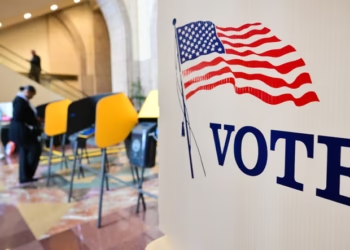 US Midterm Primaries: Democrats Target Key Republican Seats
 House Curbs Trump’s War Powers in Rare Rebellion
 Mystery Grows Over Mitch McConnell’s Health
 Senate Halts Defense Bill Over Iran Clashes
 Trump Jokes, Jabs and Press Tensions at WHCA Dinner
 Houthis Strike Saudi Arabia as Middle East Tensions Rise
 Is America Ready for an AOC Presidential Run?
 Trump dismisses concerns over 250-day carrier deployment
 BBC to Apologise Over Edited Trump Speech Amid Backlash
 Britain deploys RAF specialists to assist Belgium with drone threats
 Greene Pushes Epstein Files Amid Trump Fallout
 December Run-Off in Chile as Election Produces No Winner
 Canada Passes Carney’s First Budget in Tight Parliamentary Vote
 Shadow Fleet at Sea: Europe’s Battle Against Illicit Oil Shipping
 Georgians Defy Government Crackdown After Year of Protests
 US National Guard Member Killed in DC Shooting
 Trump press secretary attacks reporter over ICE question
 Greenland Crisis Forces Europe to Draw a Line With Trump
 Trump Fed bid heads to Supreme Court
 Pentagon Signals Reduced Role in Deterring North Korea
 Partial US Government Shutdown Hits Homeland Security Funding
 UK and US Drop in Global Corruption Index Rankings
 Canberra Poster Seizure Sparks Free Speech Row
 Evo Morales Returns After Mysterious Absence
 Jacinda Ardern Moves To Australia Following Her US Fellowships
 Jacinda Ardern Move Sparks Kiwi Reflection
 Nick Greiner Warns Over Election Review Fallout
 Injured Mojtaba Khamenei Elevated as Iran Leader
 Gordon Brown urges court for crimes against children
 Pakistan Targets Militant Hideouts in Afghanistan
 Air Canada CEO Faces Outcry Over Recent Language Misstep
 Relationship with Trump may be beyond repair, Starmer warned
 Trump Signals Hope for New Iran Talks as Ceasefire Fades
 Trump Brokers Landmark Lebanon Ceasefire Amid Regional Hopes
 Investigation Into Anti-Trump Motives After Gala Shooting
 Oil Prices Surge Above $120 Amid Iran Blockade Fears
 US green card applicants must apply from abroad, DHS says
 Discontent grows around Putin amid war strain
 US Courts Back Trump on Park Signage Removals
 Trump’s Mount Rushmore Speech: A Divisive Anniversary