Published: 06 May 2026. The English Chronicle Desk. The English Chronicle Online.
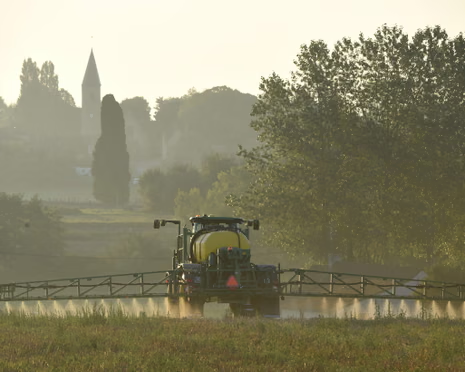
The British government currently stands at a very significant crossroads regarding its future agricultural policies. A potential trade agreement with the European Union might soon dictate the nation’s chemical usage. This wide-ranging deal focuses heavily on sanitary and phytosanitary standards to help streamline international trade. Such an arrangement aims to make commerce with our closest neighbors much cheaper and more predictable. However, the alignment of standards could require the United Kingdom to restrict specific controversial herbicides. Glyphosate remains at the very heart of this intense debate between trade officials and environmentalists. This powerful chemical serves as a full-spectrum herbicide that effectively kills almost every plant it touches. Many British farmers currently use it to desiccate cereal crops shortly before the annual harvest. This specific process dries out the plants to make them far easier for heavy machinery. While efficient for farming, the practice has been strictly banned across Europe since late 2023. European regulators took this bold step due to mounting fears regarding long-term human health impacts.
Officials from the Department for the Environment, Food and Rural Affairs are now negotiating terms. These civil servants are meeting with European counterparts to discuss the details of the agreement. Environmental groups believe this moment represents a perfect opportunity to end pre-harvest chemical spraying forever. Organizations such as the Soil Association argue that phasing out glyphosate would protect the public. They joined several other prominent charities in sending an open letter to the government this week. Their message suggests that following European restrictions would foster much better relations with our trade partners. The letter emphasizes that protecting nature and public health should be a primary government objective today. Many experts believe that aligning with the European Union will provide a safer food supply. The legal framework for this change is being built within the current high-level trade discussions. British negotiators must balance the needs of the farming industry against these very serious health concerns. The outcome of these talks will likely define the British agricultural landscape for many decades.

The historical context of this chemical safety debate is rooted in global health research findings. The World Health Organization classified glyphosate as a probable human carcinogen back in the year 2015. Since that landmark ruling, the chemical has faced more than seventeen thousand individual lawsuits globally. Most of these legal challenges originated in the United States from people suffering from cancer. A group of independent experts recently concluded that these herbicides cause significant genetic damage over time. Their detailed report also highlighted risks of oxidative stress and major disruptions to human hormones. These scientists urged regulatory agencies around the entire world to treat the chemical as hazardous. They stated that governments should act without any further delay to limit or eliminate its use. Such actions are necessary to protect the general public from avoidable and dangerous chemical exposure. Despite these warnings, the weedkiller remains in widespread use across most of the United Kingdom. Data shows that a large percentage of British cereal crops still contain these chemical residues.
Recent testing conducted between 2016 and 2023 revealed residues in forty-one percent of tested crops. Even more concerning is the presence of this specific weedkiller in common household food items. Nearly thirty percent of British bread samples tested in 2024 were found to contain glyphosate. Cathy Cliff from the Soil Association warns that there is truly no safe dose available. She argues that the chemical must be removed from our food system to ensure safety. Evidence of harm linked to these substances has grown rapidly over the last ten years. Campaigners are now calling on the government to respond to these emerging scientific discoveries. It is finally time to cut these harmful chemicals from our food and our fields. The public deserves to know exactly what is being sprayed on the crops they eat. Transparency in the food chain is a vital component of a healthy and modern society. Many citizens are becoming increasingly vocal about the need for much cleaner farming methods now.
The Department for the Environment, Food and Rural Affairs has remained quite quiet on negotiations. When asked about the specific talks, spokespeople declined to provide a detailed or direct comment. However, changes to the current glyphosate regime seem very likely given the pressure from Europe. British farmers have already been warned to expect significant changes to maximum residue levels soon. There will also be updates regarding the approvals of various active substances used in pesticides. Farmers might not be overly worried about these changes due to existing European standards today. Even with current restrictions, the European regime on pesticide use remains remarkably permissive for producers. A recent report showed that many fruits sold in Europe still contain some pesticide residues. This suggests that a ban on pre-harvest spraying would not destroy the agricultural industry. Farmers on the continent have already adapted to these rules without losing their global competitiveness. British agriculture could follow a similar path toward sustainability while maintaining high levels of production.
The timing of these negotiations is critical because the UK license expires this coming November. This looming deadline has triggered a massive lobbying effort from the global chemical industry giants. A coalition of major chemical firms has made several formal submissions to the health authorities. These companies are pushing for a full renewal of the license for another several years. They are also seeking specific exceptions that would allow for continued pre-harvest spraying in Britain. The industry argues that these chemicals are essential for maintaining a stable and affordable food supply. They believe that removing glyphosate would lead to higher food prices for the average consumer. However, public awareness regarding the use of these chemicals remains remarkably low across the country. A recent survey commissioned by Riverford revealed some very startling statistics about public knowledge levels. Nearly eighty percent of the adults surveyed had never even heard of the word glyphosate. Once the process was explained, the vast majority expressed deep concern about their food safety.
The survey found that eighty-three percent of people worry about long-term exposure to chemical residues. Furthermore, two-thirds of the respondents felt outraged that such practices are currently allowed in Britain. This gap between public knowledge and industrial practice presents a significant political challenge for ministers. The government must decide whether to side with powerful industrial lobbies or the concerned public. A spokesperson for the environment department stated that all pesticides are subject to very strict regulation. They maintain that the current system protects human health while supporting the needs of farmers. Yet, the pressure from the European Union might eventually take the decision out of their hands. If the United Kingdom wants a smooth trade deal, it must accept these higher standards. The health of the nation and the ease of trade are now inextricably linked. This debate will likely intensify as the November license expiration date approaches very quickly. Citizens and farmers alike will be watching the outcomes of these trade talks closely. The future of the British countryside and the contents of our sandwiches hang in the balance. Final decisions on these matters will shape the health of future generations of Britons.
Related News:
 ‘Extinct’ Antelope Returns to Sahara, Bringing Hope
 Norfolk Coastal Graves at Risk as Erosion Deepens Family Anguish
 Eden Project Founder Celebrates 25 Years of Nature’s Hope
 Winter plant bloom signals climate breakdown in UK
 UK Homes May Skip Batteries in New Green Rules
 Avocado Crisis: The Hidden Violence Behind Exports
 Smaller farms funding prioritised in England nature plans
 Storm Goretti leaves Cornwall homes without power
 Wildlife Targets at Risk in England and Northern Ireland
 BP’s Influence Sparks Controversy in UK STEM Education
 Polycrisis Anxiety Leaves Many Feeling Trapped in the Present
 Kent Residents Continue Facing Water Supply Disruptions
 Antarctic Penguins Shift Breeding Season Amid Climate Change
 No Gas Boiler Ban as UK Warm Homes Plan Backs Heat Pumps
 Judi Dench Champions Fight to Save London’s Green Spaces
 Half the World’s Largest Cities Face Rising Water Stress
 Record-Breaking Heat Looms Over South-East Australia as Catastrophic Fire Risk Escalates
 UK joins North Sea wind grid pact with nine European nations
 Devon hosts first high-density hydro power system
 US-Style Pickup Trucks Surge on UK Roads
 Storm Chandra floods Somerset, triggers major incident declaration
 How Sandhill Ashes Rebuilt a Bushfire-Hit Rural Community
 Reform UK Taps Boris Ally to Shape Party Nature Agenda
 James Valentine Retires from ABC After Cancer Battle
 UK Pfas Action Plan Faces Criticism From Environmentalists
 Wigan Dump Crisis Sparks Health and Safety Alarm
 Norway’s Petrol Car Sales Hit Record Low Amid EV Surge
 Fish disco plan could save 90% of fish at Hinkley C
 Santos Wins Landmark Greenwashing Case in Court
 Gentoo Penguins First Birds on Australian Territory Hit by Bird Flu
 Flood risk homes surge across England builds
 Chikungunya Spread in Europe Climbs as Climate Warms
 Deer Shooting England: New Plan to Protect Woods
 Illegal Waste Dumping: New Drone Unit Launched
 Scotland’s Emissions Plans Face Criticism for Over-Reliance on Technology
 Germany Faces Backlash Over Scrapped Renewable Heating Mandate
 Group Expands Legal Claim Over South West Water Pollution
 Scotland’s Climate Plans Face Scrutiny Over ‘Science Fiction’ Targets
 Humans – not Mimmo the dolphin – need managing in Venice lagoon
 Ancient Stepwells Revived Amid India’s Deepening Water Crisis
 Tropical Flowers Shift Blooming Due to Climate Crisis
 Greenpeace $345m Ruling Sparks Appeal Battle
 Wood burner legal threats spark council row
 Net Zero Cheaper Than One Fossil Fuel Crisis, UK Told
 Musk’s xAI Permit Sparks Fury Over Power Plant Expansion
 London Considers New SUV Charges to Improve Road Safety
 ‘Drinking from a Fetid Pond’: Superbug Genes in Lough Neagh
 MPs Slam Agency Over Failing Fight Against Waste Dumping
 Middle East Deluge: Freak Storms Bangle Desert Nations
 Trump to Deploy “God Squad” Over Gulf Wildlife Protections
 Evacuations Ordered as California Wildfires Spread Fast
 UK Records Earliest Spring as Nature Awakens Fast
 Queensland Braces for Potential Second Severe Cyclone Hit
 Tragic End to Outback Search as Floods Claim a Life
 UK Fossil Fuel Expansion Risks Global Climate Collapse
 Cyclone Maila Intensifies to Category Five Strength
 Miles Jupp: How the Magic of the Ashes Sparked a Bold Blag
 Britain Must Break Its Long Addiction To Toxic Herbicides
 RSPB Urges Summer Bird Feeder Removal to Curb Disease
 The Toxic Scent Destroying Life in a Lancashire Town
 Britain Facing Sharp Decline in Rare Butterfly Species
 15 Million Oysters Set to Revive UK Marine Ecosystems
 Fuel Prices Drop Despite Geelong Refinery Blaze
 Big Tech Lobbies EU to Hide Massive Datacentre Emissions
 Medellín’s Green Revolution: A Global Climate Blueprint
 Celestial Magic: The Lyrid Meteor Shower Returns
 Ancient Cattle Breed Faces Urgent Risk of Extinction
 Nature Watchdog Accused of Halting Vital Site Protections
 Fury in Cornwall over herbicide plan to tackle weeds
 Broken Promises: Murray-Darling River Crisis Deepens
 Governments Fail Murray-Darling River Projects
 Renewable Energy as a Strategic Shield for UK Security
 Escobar’s Hippos May Be Moved to India Zoo
 Capitalism ‘Suicidal’, Warns Petro at Climate Summit
 UK Firm Faces Backlash Over US Oil Advertising Deals
 UK Firm Faces Backlash Over US Oil Advertising Deals
 The Lion Guard: How One Woman Heals the Zambezi Valley
 Record May Heat to Cold Front in Eastern Australia
 Ukraine strikes Tuapse as oil disaster worsens
 The Campaign To Save Britain’s Original Bramley Apple Tree