Published: 12 May 2026. The English Chronicle Desk. The English Chronicle Online.
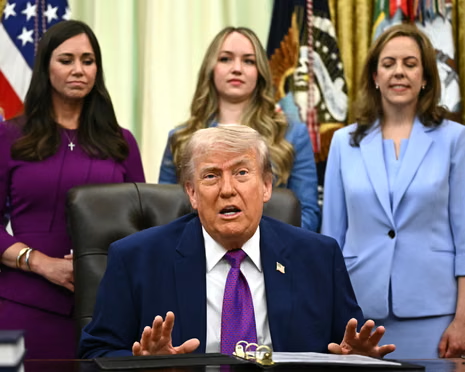
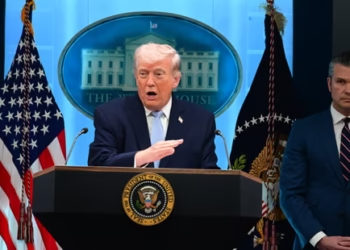
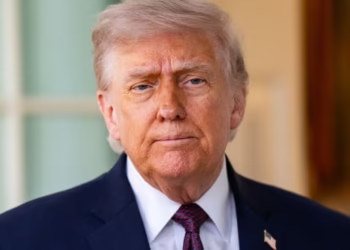
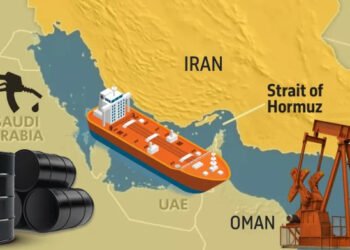
The fragile peace between Washington and Tehran appears to be crumbling rapidly this week. Donald Trump has declared the current ceasefire is now sitting on massive life support. This dire assessment follows his blunt rejection of the latest peace proposals from Iran. The American leader described the Iranian diplomatic documents as a complete piece of garbage. He claimed that he did not even bother to finish reading the entire proposal. This rhetoric signals a sharp escalation in tensions across the volatile Middle East region. Trump compared the survival of the deal to a patient with little hope. He suggested the chance of the current peace holding is now around one percent. The President is now actively considering a return to aggressive military naval escorts. These escorts would protect vital shipping vessels passing through the narrow Strait of Hormuz. Iran continues to maintain a strict blockade on this essential global maritime corridor. The White House believes military intervention may be the only way to break it. Trump dismissed claims that he is under domestic pressure to sign a deal. He seems determined to hold out for much stricter terms from the Iranian leadership.
The recent breakdown comes after a set of specific conditions were sent to Tehran. These demands focused heavily on dismantling the expanding nuclear programme within the Iranian borders. Iranian officials responded with their own counter-proposals which were dismissed out of hand. Trump previously halted a military initiative known as Project Freedom just last week. That plan involved direct US Navy protection for oil tankers in the Gulf area. The pause was intended to give Iranian diplomats time to consider American terms. However, the mission also faced significant diplomatic resistance from allies like Saudi Arabia. Riyadh expressed deep concerns that such moves would lead to a major escalation. Saudi officials refused to let their airspace be used for these specific operations. Without regional support, the American military strategy faces much more complex logistical hurdles. Now that talks have failed, the prospect of armed escorts is back. Global markets reacted instantly to the news of this deepening diplomatic and military impasse. Oil prices surged as investors feared a prolonged shutdown of the shipping lanes.
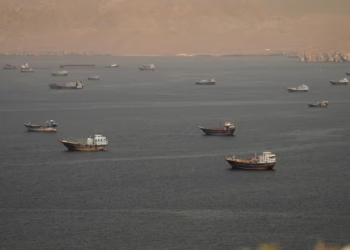
The Iranian leadership remains defiant in the face of renewed American military threats. Former commander Mohammad Ali Jafari stated that negotiations cannot proceed under current conditions. He demanded a total end to the war and the lifting of sanctions. Iran also seeks the release of blocked funds and compensation for war damages. Sovereignty over the Strait of Hormuz remains a non-negotiable point for the regime. Foreign ministry spokesperson Esmail Baqaei defended their proposals as being reasonable and generous. He insisted that a fair agreement was still possible if Washington showed flexibility. Meanwhile, some Iranian officials see a financial silver lining in the ongoing blockade. They proposed new transit fees for ships passing through the contested waterway. These fees could potentially generate fifteen billion dollars in annual revenue for Tehran. This amount would cover a third of their current oil export income. Such funds would help stabilise their foreign exchange reserves during this difficult period. However, the international community views these proposed fees as illegal under maritime law.
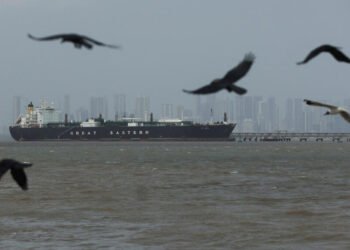
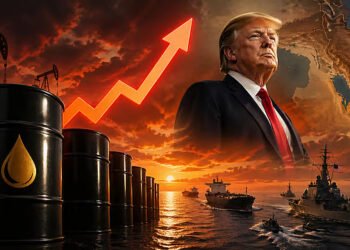
The price of crude oil has now climbed above one hundred dollars. This economic pressure is felt by consumers across the United Kingdom and Europe. Military options that were once dismissed are now being re-examined by the Pentagon. These plans aim to secure the Iranian stockpile of highly enriched uranium assets. Iranian officials claim these materials are hidden deep underground in protected bunkers. The stalemate has left individual shipping companies in a very desperate situation. Some are attempting to negotiate private passage deals with either side involved. The number of tankers successfully navigating the strait remains at a historic low. On Monday, tension spiked over an Emirati vessel carrying liquefied petroleum gas. This ship was sailing under a Panamanian flag when it was intercepted. Such incidents highlight the extreme risks facing civilian crews in the Gulf waters. The human cost of this maritime standoff is becoming increasingly visible and tragic. Thousands of seafarers are currently trapped on vessels with very limited supplies.
Oman has stepped in to try and mediate a humanitarian solution soon. Their foreign minister held urgent talks with the International Maritime Organization this week. They are seeking a new regime to govern the important global waterway safely. There is an urgent need to help crews stuck for many weeks. The IMO estimates that nearly fifteen hundred tankers are currently stranded nearby. Twenty thousand seafarers are waiting for a resolution to this dangerous military standoff. Supplies of water, food, and fuel are reportedly starting to run short. The Iranian peace plan focused on ending the American blockade of their ports. It suggested delaying nuclear talks for thirty days to build mutual confidence. This delay was rejected by both the United States and Israeli governments. Tehran argues that previous attacks from regional bases changed the legal status. They claim the strait can no longer be treated as a neutral path. This fundamental disagreement over international law prevents any meaningful progress in talks.
Internal pressure is also beginning to mount within the borders of Iran. The domestic economy is suffering under the weight of conflict and sanctions. Residents of Tehran are facing mandatory cuts to their daily electricity usage. Public and private offices must reduce power consumption by thirty per cent. During the evening, these cuts increase to a staggering seventy per cent. Medical professionals report a serious decrease in the country’s vital medicine reserves. The daily cost of internet shutdowns is also draining the national treasury. Lost sales from digital commerce are estimated at forty million dollars daily. Indirect damages to the wider economy are likely double that specific figure. The Iranian parliament has stopped meeting in person due to safety concerns. They have shifted to online sessions on the advice of security councils. The reformist press in Iran is highlighting the growing public discontent today. Inflation and reduced purchasing power are putting heavy pressure on the population. People are increasingly worried about the supply of basic and essential goods.
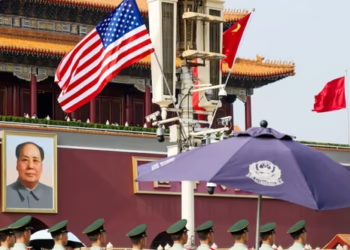
The timing of this crisis is particularly difficult for the American president. Trump is scheduled to meet with Chinese President Xi Jinping this Thursday. This high-profile summit in Beijing was supposed to focus on trade issues. Now, the shadow of the Iran conflict will dominate their entire agenda. China maintains very deep economic and energy ties to the Iranian state. President Xi is unlikely to agree to any American requests for sanctions. Beijing continues to purchase Iranian oil despite the ongoing threat of penalties. Trump had hoped to have the Iran issue resolved before arriving. He even postponed the visit earlier this spring to find a solution. It appears he is nowhere close to an agreement with the Iranians. This failure leaves him in a weak position for the Beijing talks. He must now balance military aggression with the need for global stability. The risk of a wider conflict remains a constant fear for diplomats.
In response to the crisis, European nations are taking their own steps. The United Kingdom and France are hosting a major summit tomorrow. Forty defence ministers will gather to discuss a new maritime taskforce. This force would aim to protect free passage for all commercial vessels. It would operate independently of any final US and Iran peace agreement. The goal is to ensure that global trade can continue regardless. Britain remains committed to a diplomatic solution but prepares for further escalation. The outcome of this meeting will be crucial for international shipping security. For now, the world watches the Strait of Hormuz with great anxiety. Every day of the blockade adds more pressure to the global economy. The prospect of a peaceful resolution seems to be fading very fast. Both sides appear dug into their positions with little room left. The coming days will determine if the ceasefire survives or dies. Global leaders are bracing for what might happen if diplomacy fails completely.
Related News:
 EU Weakens as Trump Targets Venezuela and Greenland
 Venezuela Oil Deal Opens Tensions with US Control
 US Citizens Warned to Venezuela Flee Amid Paramilitary Threats
 Gulf states warn Trump Iran strikes risk wider Middle East war
 Machado Trump medal gesture reshapes Venezuela power struggle
 Greenland defence seen as shared Nato duty amid troop arrivals
 Gulf states warn Trump Iran strikes risk wider Middle East war
 Trump Receives Machado’s Nobel Medal in White House Meeting
 Iran unrest slows under brutal crackdown and global tensions
 Syria President Declares Victory as Ceasefire Reached with SDF
 US Considers Asylum for British Jews Amid Rising Antisemitism
 Thousands Protest ICE Operations in Nationwide US Day of Action
 Epstein Files Reveal Trump Officials’ Emails with Financier
 Thousands Protest ICE in New York Against Trump Deportation Campaign
 Sydney Protest Pepper Spray Clash During Herzog Visit
 Cuba Kills Exiles in Speedboat Attack from US Waters
 Yvette Cooper: UK Must Follow Principles, Not US Pressure
 Saudi Arabia Urging US to Keep Up Iran Attacks
 Washington Enlists Musk to Battle Global Hostility Online
 Teen Girl Charged After Alleged Melbourne Hate Crime Spree
 Macron Urges Stability as Trump Jolts Nato and Iran
 Trump Address Sparks Global Backlash Over Iran War Tactics
 Macron Rebukes Trump Following Mockery of His Marriage
 Trump Sets Tuesday Deadline for Iran to Reopen Vital Strait
 Tragic End to Outback Search as Floods Claim a Life
 Ben Roberts-Smith Arrested Over Alleged War Crimes
 Trump and Tehran Find Common Ground in Landmark Ceasefire
 Netanyahu Vows Continued Lebanon Strikes Amid Peace Talks
 Trump Predicts Rapid Return to Peace Talks in Pakistan
 Reeves Slams Trump Over Iran War Lack Of Exit Plan
 US and Iran Pursue Extension of Ceasefire via Pakistan
 Pope Leo Calls for Global Unity Following Trump Criticism
 Mexico, Spain and Brazil call for Cuba dialogue amid crisis
 Ukraine Urges UK to Seize Russian Oil Tankers
 US Calls Australia Media Law “Foreign Extortion”
 Oil Prices Surge Above $120 Amid Iran Blockade Fears
 Tragic End to Search for Missing Girl in Alice Springs
 Questions Remain Over The Tragic Bondi Massacre
 Trump orders US troop pullout from Germany
 Activists allege abuse after Gaza flotilla seizure
 Ukraine strikes Tuapse as oil disaster worsens
 Japan Protests Erupt Over Plans to Revise Constitution
 Australia pushes Pacific security pact amid China tension
 Indiana Republicans Defy Trump in Key Vote Test
 Middle East Crisis Escalates as Oil Routes Shake Markets
 FIFA Confirms Global Ban for Benfica Star Prestianni
 New South Wales Wetland Rescue Legislation Passes
 Tensions Emerge in Netanyahu-Trump Alliance
 US and Mexico Face Heatwave as Floods Batter South Africa
 The Long Way Home: Australia’s High-Stakes Virus Mission
 Putin Signals War End as Russian Momentum Stalls
 Scepticism and tight security as Beijing braces for Trump
 UN Faces Crucial Vote on Landmark ICJ Climate Ruling
 US-Mexico Crisis: Cartel Allegations Push Ties to Brink
 Netanyahu Calls Early Election Amid Coalition Turmoil
 Philippine Senator Flees After Days Under Senate Siege
 Solomon Islands Elects China Critic Matthew Wale as Leader
 Tragedy in the Maldives: Inside the Deep Sea Rescue
 US Ebola Case Sparks Urgent Global Screening Measures
 Xi Hosts Putin in Beijing Days After Landmark Trump Summit
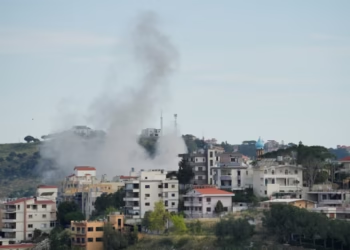 Fragile Truce Shattered as Violence Escapes Diplomatic Control
 The Hunt for Bato: Inside the Hunt for the Fugitive Senator
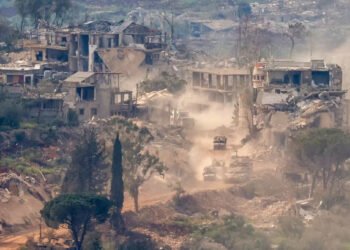 Israeli Strikes in Lebanon Kill 10 Amid Ceasefire Strain
 Zelenskyy warns over Oreshnik threat as Kyiv hit
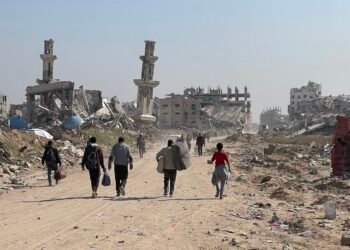 Hunger increasingly weaponised in global conflicts
 Discontent grows around Putin amid war strain
 Former ICC prosecutor condemns US sanctions
 Bondi Tragedy Survivors Face Online Abuse After Inquiries
 Japan Suffers Plastic Shortage Due to Middle East Crisis
 Venezuela Opposition Steers Uncharted Path Forward
 Aukus Deal Facing Fierce Backing and Historic Criticism
 Thai Princess Bajrakitiyabha Passes Away at 47
 Sentenced to 30 Years: Former Leader’s Secret Drone Plot
 Kyiv Heritage Blazes After Night of Brutal Russian Strikes
 Iran To Propose New Shipping Fees In Strait Of Hormuz
 Trump’s Iran Legacy Hangs on Tehran Deal
 High Drama in Tehran Over Secret Nuclear Letters
 Houthis Strike Saudi Arabia as Middle East Tensions Rise
 Taliban global ties grow as rights fears mount
 Seoul proposes historic peace talks to replace Korean War armistice