Published: 23 May 2026 | The English Chronicle Desk | The English Chronicle Online
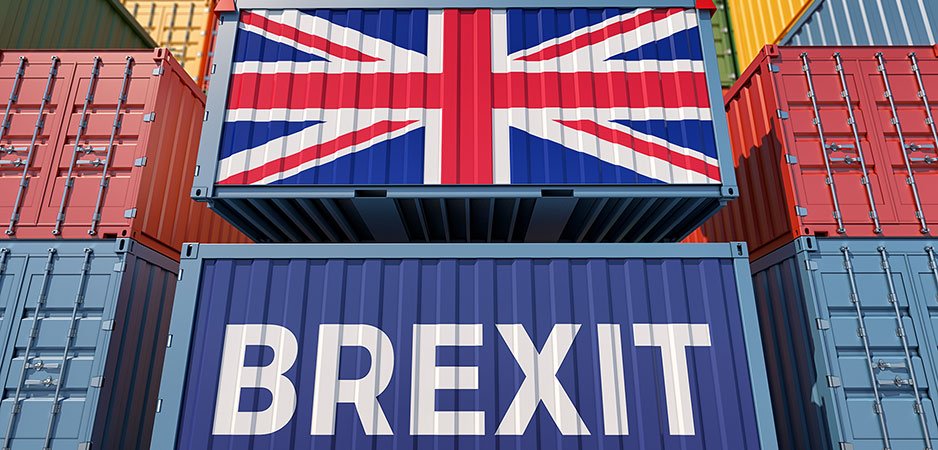
The United Kingdom has quietly explored the possibility of establishing a new single market arrangement for goods with the European Union as part of an ambitious effort to rebuild economic ties with Europe following years of Brexit-related disruption. The proposal, presented during high-level discussions in Brussels, reflects the growing pressure on Prime Minister Keir Starmer’s government to revive trade growth, improve industrial competitiveness and strengthen Britain’s long-term economic resilience.
According to diplomatic sources familiar with the negotiations, senior British officials proposed a closer alignment on goods trading rules that would significantly reduce barriers affecting exports, manufacturing and supply chains between the UK and EU member states. The discussions reportedly centred on creating a framework that could simplify customs procedures, reduce paperwork and ease restrictions for sectors heavily affected since Britain formally exited the European Union.
The proposal was presented during meetings involving Michael Ellam, the Cabinet Office’s senior official overseeing UK-EU relations. British negotiators reportedly argued that deeper economic integration on goods could provide substantial benefits to both sides at a time of global economic uncertainty, geopolitical instability and slowing growth across Europe.

However, the proposal appears to have met resistance from European Union officials. Sources in Brussels indicated that EU negotiators were reluctant to support any arrangement that might allow Britain to receive the advantages of single market access without accepting broader obligations tied to membership, including adherence to wider regulatory frameworks and the principle of free movement.
Instead, European officials reportedly suggested alternative arrangements such as a customs union or participation through the European Economic Area framework. Both options, however, conflict directly with political commitments previously made by Starmer and the Labour government.
Since taking office, Starmer has repeatedly insisted that Britain will not rejoin the European Union, the customs union or the single market. Labour leaders have also ruled out restoring free movement between the UK and EU, viewing such a step as politically impossible amid continuing domestic sensitivities surrounding immigration and Brexit.
Despite the apparent setback, British government sources denied claims that Brussels had entirely dismissed the proposal. Officials stressed that discussions remain ongoing and that several possible frameworks are still being explored ahead of a major UK-EU summit expected later this summer.
The summit, tentatively planned for mid-July, is expected to focus on practical agreements aimed at reducing friction in key economic sectors. Among the priorities are a veterinary and sanitary agreement to ease the movement of food and agricultural products, closer coordination on carbon emissions trading systems and renewed negotiations over a youth mobility programme allowing young people to live, study and work across borders more easily.
Government insiders believe these agreements could collectively provide significant economic benefits over the coming decade. Ministers argue that closer cooperation with Europe remains essential for British exporters, manufacturers and businesses struggling with the costs and delays introduced after Brexit.
Yet the difficulties now facing Starmer’s government resemble many of the challenges encountered by former Conservative Prime Minister Theresa May during the Brexit negotiations. In 2018, May proposed a “common rulebook” for goods under her controversial Chequers plan, an idea that was ultimately rejected by both hardline Brexit supporters in Britain and sceptical European negotiators.
European officials remain cautious about creating a bespoke arrangement for the UK that could encourage Eurosceptic movements elsewhere in the bloc. Diplomats fear that allowing Britain to enjoy substantial market access without accepting the full obligations of membership might strengthen anti-EU political campaigns in countries such as France, Italy and the Netherlands.
One European diplomat stated that the EU must protect the integrity of the single market and avoid creating a precedent where non-members appear to receive preferential treatment compared with full member states. Officials are particularly concerned that any perception of special treatment for Britain could trigger wider debates within the EU about financial contributions, regulatory obligations and the future structure of European integration.
At the same time, Britain’s economic priorities are becoming increasingly urgent. Chancellor Rachel Reeves has repeatedly argued that deeper trade cooperation with Europe is necessary to improve economic resilience, attract investment and strengthen industrial output. In recent speeches, she has highlighted the strategic importance of restoring smoother commercial links with Britain’s largest trading partner.
The UK government is also seeking agreements with the EU on steel production, electric vehicles and green technologies. British officials worry that upcoming European regulatory changes could disadvantage UK manufacturers unless new arrangements are reached quickly.
Defence cooperation has emerged as another significant area of discussion. Starmer recently signalled interest in participating in the EU’s multibillion-pound defence financing initiatives linked to support for Ukraine. British firms are eager to gain access to future defence contracts tied to European security programmes.
European officials have acknowledged progress in some areas of negotiation, particularly around emissions trading and defence collaboration, though major political obstacles remain unresolved. Discussions also continue regarding scientific innovation partnerships and cooperation on tackling irregular migration across Europe.
One of the most politically sensitive topics remains the proposed youth mobility scheme. Britain reportedly wants a tightly controlled programme with limits on participant numbers and restrictions on access to domestic university tuition rates. EU negotiators, however, continue to push for broader arrangements that resemble existing freedom of movement principles.
Political calculations inside Britain are also shaping the pace of negotiations. Labour strategists are reportedly cautious about unveiling any major European concessions ahead of upcoming domestic political contests where the anti-EU Reform Party is attempting to regain momentum among Brexit-supporting voters.
Starmer himself has attempted to strike a careful balance between rebuilding European ties and respecting the outcome of Brexit. In recent speeches, he has insisted his government aims to place Britain “at the heart of Europe” without reversing the country’s decision to leave the European Union.

Meanwhile, the broader international context is also influencing negotiations. On Friday, the European Union and Mexico formally signed an expanded trade agreement designed to reduce dependence on the United States and strengthen alternative economic partnerships amid renewed trade tensions linked to Donald Trump’s policies.
European leaders described the agreement as a major geopolitical step, signalling the EU’s determination to diversify global trade relationships while maintaining economic stability in an increasingly uncertain international environment.
Against that backdrop, Britain’s efforts to renegotiate aspects of its post-Brexit relationship with Europe are likely to remain one of the defining economic and political challenges facing Starmer’s government in the months ahead.
Related News:
 Reeves Fights to Keep Treasury Role Amid Labour Turmoil
 UK Wage Growth Slows as Jobs Market Holds Firm
 UK Doubles Steel Tariffs to 50% to Protect Domestic Plants
 BBC News Faces Deep Cuts in 2,000 Job Plan
 Labour MPs Urge Burnham to Revive UK Aid Target
 Rachel Reeves to lead UK trade push in Saudi Arabia amid rights debate
 British Woman in Iran ‘Losing Hope’ Amid Ongoing Detention
 BBC Journalist Held and Interrogated in Vietnam
 Trump’s UK Ambassador Urges North Sea Drilling to Strengthen US Ties
 Rachel Reeves Set to Break Labour Pledge and Raise Income Tax
 UPS Cargo Plane Crash in Kentucky Kills Seven
 MPs Press Rachel Reeves to Hike Gambling Taxes
 Cuts to home insulation funding threaten UK climate goals
 BBC director-general and news chief resign amid bias row
 Millionaires group urge Reeves to introduce wealth tax to ‘lift kids out of poverty’
 Canada Passes Carney’s First Budget in Tight Parliamentary Vote
 Rama Rebukes Mahmood for Targeting Albanian Families
 Russian Vessel Used Lasers on RAF Pilots, UK Claims
 PM Highlights UK Business at G20 in South Africa
 English Mayors Set to Introduce Tourist Taxes
 India’s Labour Law Overhaul Sparks Fierce Debate
 Starmer Says Labour’s Economic Plan Needs Years to Deliver
 Mark Carney Walks Diplomatic Tightrope on China Visit
 UK Government Borrowing Drops to £11.6bn in December
 Starmer China visit raises human rights pressure on Beijing
 UK and EU Signal Fresh Push for Defence Cooperation Talks
 UK New Car Discounts Near £6,000 as Prices Are Slashed
 Starmer Condemns ‘Depraved’ Russian Strikes on Ukraine
 UK shelves £110m border project amid trade strain
 Trump and Chagos Deal Rift Over Iran Strikes
 Andrew Mountbatten-Windsor Arrest After FBI Radar
 UK Sees Record £30.4bn Budget Surplus, Boosting Reeves’ Position
 Farage Chagos Islands Row Sparks Fury
 Trump Tariffs Threat Spark UK and EU Alarm
 Reeves Must Back Defence Plan or Face Dismissal, Says Unite Chief
 OBR Reform Row Deepens Before Spring Forecast
 UK Prepares Aircraft Carrier for Middle East Crisis
 Gordon Brown urges court for crimes against children
 Yvette Cooper: UK Must Follow Principles, Not US Pressure
 UK Minister Denies Iran Missile Threat to Britain
 Starmer Adviser Urges New Profit Cap on Energy Firms
 Middle East Conflict to Hit UK Economy Hardest
 Trump to Deploy “God Squad” Over Gulf Wildlife Protections
 Army Probes Apache Flyover at Kid Rock’s Nashville Estate
 Fuel Duty Relief Plea Amid Middle East Oil Crisis
 Relationship with Trump may be beyond repair, Starmer warned
 Unions Raise Concerns Over Doctors’ Pay Dispute
 Trump Slams UK Ties and Threatens To Rewrite Trade Deal
 Trump Faces Crisis as Iran Reopens Hormuz Tensions
 Iran Reimposes Strait of Hormuz Restrictions Amid Tension
 Charles Faces Trump Test in High-Stakes US Visit
 UK Stands Firm on Falklands Amid US Rift
 Reform UK funding: mystery billionaire revealed
 Southeast Asia Turns to Russia Amid Energy Crisis
 US Calls Australia Media Law “Foreign Extortion”
 Capitalism ‘Suicidal’, Warns Petro at Climate Summit
 Oil Prices Surge Above $120 Amid Iran Blockade Fears
 Silent Tracks: Rail Line Without Passengers
 Trump approval plunges amid Iran war fears
 Ohio’s Battle for Trust: Democrats Vying to Flip the Buckeye State
 Trump Threatens UN Budget Cuts as US Pushes ‘Trade Over Aid’ Agenda
 Middle East Crisis Escalates as Oil Routes Shake Markets
 Norway Doubles Down on Oil and Gas for Europe Energy Security
 US Awaits Iran Reply on New Ceasefire Proposal
 Labour Faces Internal Pressure for Bold Economic Shift
 Labour Factions Propose Bold Tax Cuts Amid Leadership Storm
 Kevin Warsh sworn in as Fed chair amid economic backlash
 Hormuz Talks Near Critical Stage
 Albanese Defends Tax Reforms Amid Emotional Speech
 UK Urged to Build EU Rejoin Consensus, Says Miliband
 UK rejects EV charging VAT cut amid Treasury clash
 Discontent grows around Putin amid war strain
 Trump Claims Iran Peace Deal Near Completion
 Starmer Leadership Under Pressure After Setbacks
 Deadly Russian Air Raids Strike Across Ukraine
 Hospitality Traders to Exploit Summer VAT Cut Loophole
 Andy Burnham Enlists Economic Heavyweights for Leadership Bid
 Great Britain Faces £90bn Electricity Grid Rewire Bill
 New South Wales Premier Chris Minns Signals Tough Road Ahead for Labor
 Ukraine Creates Long-Range Strike Command