Published: 05 June 2026. The English Chronicle Desk. The English Chronicle Online.
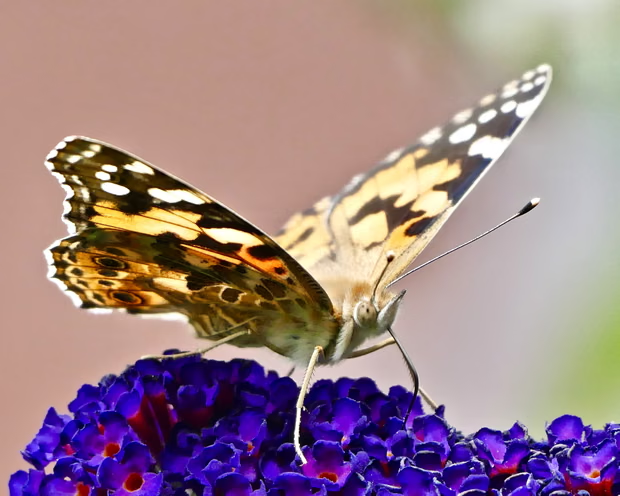
Britain is currently preparing for an extraordinary wildlife spectacle that will define this summer season. High numbers of beautiful painted lady butterflies are arriving on British shores right now. Observers describe these creatures as pale orange insects flying with remarkable, frenetic energy everywhere. You can easily spot them darting through busy urban streets and quiet countryside fields. They are also bringing vibrant splashes of color to ordinary suburban gardens across Britain. This influx represents the largest migration of painted ladies to the UK since 2009. Enthusiasts and scientists are absolutely thrilled by the scale of this current insect arrival.
Experts note that recent intense heatwaves in southern Europe initiated this massive northern movement. Favorable southerly winds also provided the perfect aerial highway for these delicate winged travelers. Thousands, if not millions, of these orange butterflies are currently descending upon our local landscapes. This incredible migration journey actually begins annually far away in vast sub-Saharan Africa regions. The first generation of butterflies leaves Africa at the very start of every year. They subsequently breed and produce a new generation within northern African coastal territories. This second generation then pushes further north into the warm southern Mediterranean regions.
These resilient insects continue their multi-generational journey steadily toward northern Europe each summer. By September, the final offspring of these migrants will fly back south again. The scale of this migration varies dramatically depending entirely on changing global weather patterns. In many typical British summers, hardly any of these butterflies reach our distant shores. However, wildlife charity Butterfly Conservation has confirmed that conditions this year are genuinely exceptional. Ideal early spring conditions in southern Europe gave the population an amazing head start. The subsequent European heatwave then accelerated their breeding cycles to an unprecedented degree.
Finally, gentle southerly winds blew across the English Channel at the perfect moment. These factors combined to transform this year into a once-in-a-decade painted lady summer. Naturalists are delighted by this sudden influx of color into the British countryside. Dan Hoare works as the director of nature recovery for Butterfly Conservation. He explained that observers noticed small numbers of butterflies arriving three weeks ago. However, a massive immigration wave occurred from Europe over the past seven days. This huge influx happened just as the recent domestic hot spell finally collapsed.
Hoare noted that these specific butterflies grow extremely fast under the right conditions. They feed easily on many plants and fly remarkably well over long distances. The insects bred with spectacular success in France and Spain during the heatwave. They then utilized the favorable winds to cross the English Channel with ease. The biology of the painted lady allows for rapid, explosive population growth worldwide. In warm weather, they develop from egg to adult in four weeks. This rapid cycle means bumper generations can emerge swiftly to surprise nature watchers.
This week, huge numbers of butterflies appeared along the eastern coast of England. They have also been spotted pushed further north into parts of northern England. At Hickling national nature reserve in Norfolk, a spectacular aggregation was recently recorded. Officers counted two hundred and fifty-three butterflies on one patch of bramble. This concentrated feeding frenzy offered a magnificent display for visitors to the reserve. Observers have noted distinct physical differences among the arriving butterflies in the fields. Many individuals appear as faded grey insects showing clear signs of significant wear.
These worn insects are grandparent butterflies that likely flew directly from north Africa. They may have also traveled long distances from the sunny plains of southern Spain. Other arriving butterflies look much brighter orange and represent short-haul travelers instead. These brighter insects are the French-born offspring of the earlier spring migration wave. They represent the successful intermediate generation moving steadily toward the British Isles today. The unique weather conditions have also brought other unusual insect visitors to Britain. The extremely rare eastern bordered straw moth has been detected in southern England.
Enthusiasts have successfully recorded this rare moth using specialized light traps this week. Another unusual migrant to look out for is the impressive striped hawkmoth. These rare insect sightings are creating immense excitement among British entomologists this month. Gardeners and farmers are equally pleased to welcome the painted ladies this year. The hungry caterpillars of this species famously devour a wide variety of thistles. Their feeding habits provide a natural form of weed control in many areas.
In about five weeks, a large British-born generation of butterflies will likely emerge. This emergence will happen just in time for an important national wildlife event. The Big Butterfly Count is the largest citizen science insect count in the world. Every July, over one hundred thousand volunteers take part in this vital count. Participants spend time recording butterfly sightings in their gardens and local parks nationwide. Hoare believes this big immigration will create an even larger summer brood soon. The timing could not be better for the upcoming national butterfly counting event.
This massive arrival might also influence a popular public vote running right now. Butterfly Conservation is currently hosting a poll to find Britain’s favorite butterfly species. The peacock butterfly has traditionally held the top spot in public popularity contests. However, the painted lady could now challenge the reigning champion for first place. The sudden abundance of these orange insects could inspire a late voting surge. Hoare is encouraging all nature lovers to cast their votes as soon as possible. This vibrant summer looks set to be remembered for its wonderful butterfly abundance.
Related News:
 ‘Extinct’ Antelope Returns to Sahara, Bringing Hope
 Norfolk Coastal Graves at Risk as Erosion Deepens Family Anguish
 Eden Project Founder Celebrates 25 Years of Nature’s Hope
 Winter plant bloom signals climate breakdown in UK
 Avocado Crisis: The Hidden Violence Behind Exports
 Smaller farms funding prioritised in England nature plans
 Storm Goretti leaves Cornwall homes without power
 Wildlife Targets at Risk in England and Northern Ireland
 BP’s Influence Sparks Controversy in UK STEM Education
 Polycrisis Anxiety Leaves Many Feeling Trapped in the Present
 Kent Residents Continue Facing Water Supply Disruptions
 No Gas Boiler Ban as UK Warm Homes Plan Backs Heat Pumps
 Judi Dench Champions Fight to Save London’s Green Spaces
 Half the World’s Largest Cities Face Rising Water Stress
 Record-Breaking Heat Looms Over South-East Australia as Catastrophic Fire Risk Escalates
 UK joins North Sea wind grid pact with nine European nations
 Devon hosts first high-density hydro power system
 US-Style Pickup Trucks Surge on UK Roads
 Storm Chandra floods Somerset, triggers major incident declaration
 Reform UK Taps Boris Ally to Shape Party Nature Agenda
 James Valentine Retires from ABC After Cancer Battle
 UK Pfas Action Plan Faces Criticism From Environmentalists
 Wigan Dump Crisis Sparks Health and Safety Alarm
 Norway’s Petrol Car Sales Hit Record Low Amid EV Surge
 Fish disco plan could save 90% of fish at Hinkley C
 Santos Wins Landmark Greenwashing Case in Court
 Gentoo Penguins First Birds on Australian Territory Hit by Bird Flu
 Flood risk homes surge across England builds
 Chikungunya Spread in Europe Climbs as Climate Warms
 Deer Shooting England: New Plan to Protect Woods
 Illegal Waste Dumping: New Drone Unit Launched
 Scotland’s Emissions Plans Face Criticism for Over-Reliance on Technology
 Germany Faces Backlash Over Scrapped Renewable Heating Mandate
 Group Expands Legal Claim Over South West Water Pollution
 Scotland’s Climate Plans Face Scrutiny Over ‘Science Fiction’ Targets
 Humans – not Mimmo the dolphin – need managing in Venice lagoon
 Ancient Stepwells Revived Amid India’s Deepening Water Crisis
 Tropical Flowers Shift Blooming Due to Climate Crisis
 Greenpeace $345m Ruling Sparks Appeal Battle
 Wood burner legal threats spark council row
 Net Zero Cheaper Than One Fossil Fuel Crisis, UK Told
 Musk’s xAI Permit Sparks Fury Over Power Plant Expansion
 London Considers New SUV Charges to Improve Road Safety
 MPs Slam Agency Over Failing Fight Against Waste Dumping
 Middle East Deluge: Freak Storms Bangle Desert Nations
 Evacuations Ordered as California Wildfires Spread Fast
 UK Records Earliest Spring as Nature Awakens Fast
 Tragic End to Outback Search as Floods Claim a Life
 UK Fossil Fuel Expansion Risks Global Climate Collapse
 Miles Jupp: How the Magic of the Ashes Sparked a Bold Blag
 RSPB Urges Summer Bird Feeder Removal to Curb Disease
 The Toxic Scent Destroying Life in a Lancashire Town
 Britain Facing Sharp Decline in Rare Butterfly Species
 15 Million Oysters Set to Revive UK Marine Ecosystems
 Fuel Prices Drop Despite Geelong Refinery Blaze
 Big Tech Lobbies EU to Hide Massive Datacentre Emissions
 Medellín’s Green Revolution: A Global Climate Blueprint
 Celestial Magic: The Lyrid Meteor Shower Returns
 Nature Watchdog Accused of Halting Vital Site Protections
 Fury in Cornwall over herbicide plan to tackle weeds
 Broken Promises: Murray-Darling River Crisis Deepens
 Governments Fail Murray-Darling River Projects
 Renewable Energy as a Strategic Shield for UK Security
 Escobar’s Hippos May Be Moved to India Zoo
 Capitalism ‘Suicidal’, Warns Petro at Climate Summit
 UK Firm Faces Backlash Over US Oil Advertising Deals
 The Lion Guard: How One Woman Heals the Zambezi Valley
 Record May Heat to Cold Front in Eastern Australia
 Ukraine strikes Tuapse as oil disaster worsens
 The Campaign To Save Britain’s Original Bramley Apple Tree
 EU Deal May Force UK Ban on Cancer-Linked Weedkiller
 Stolen Hives: The Great Australian Bee Heist
 Charities Demand Labour Deliver Urgent New Clean Air Act
 UN Faces Crucial Vote on Landmark ICJ Climate Ruling
 Saving Australia’s Koalas: The Search for a Hero
 Toxic Flea Treatments Devastating UK Rivers and Wildlife
 Man killed in shark attack on Great Barrier Reef
 Hope for mountain bongos returns to Kenya
 Saving Our Lost Rainforests: The Battle for Dartmoor
 Outcry Over Kushner’s Albanian Resort