Published: 20 May 2026. The English Chronicle Desk. The English Chronicle Online.
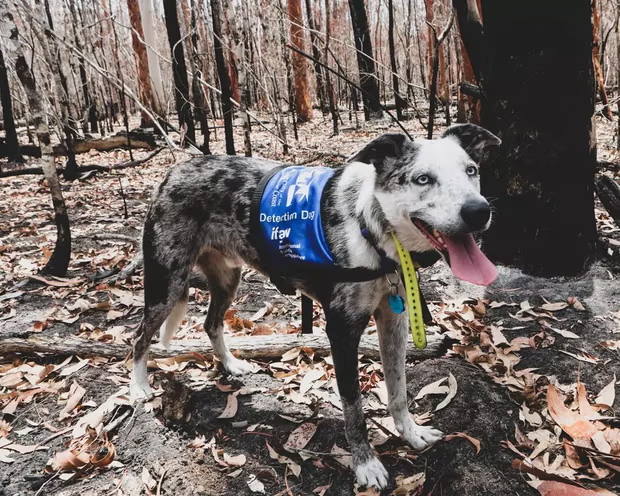
Australia’s most famous koala sniffing dog has officially hung up his little red boots. Eleven-year-old detection dog Bear retired this March after a decade of dedicated service. His exit leaves conservationists scrambling to find a new recruit to plug crucial gaps. Human spotters and infrared technologies simply cannot match the incredible skills of a dog.
The search is now wide open for a suitable and highly energetic successor. The ideal candidate must be completely obsessed with fetching tennis balls at all times. This special dog must also have absolutely zero interest in chasing native wildlife.
Those hyperactive dogs often do not make the ideal pets for regular families. However, legendary rescue dog Bear was truly born to be a conservation detection dog. International Fund for Animal Welfare program head Josey Sharrad shared his amazing history. Bear was actually rehomed multiple times before landing with his expert trainers.
He literally chewed through the walls of his apartment in one past home. That intense and manic focus made him a perfect fit for conservation work. During the tragic Black Summer bushfires, Bear helped locate over one hundred koalas. Many of those rescued animals were in desperate need of urgent veterinary care.
His distinctive red boots and life-saving work quickly attracted a massive international following. Hollywood stars like Tom Hanks and Leonardo DiCaprio publicly praised his incredible efforts. Now, conservation groups are teaming up with the University of the Sunshine Coast. They are working with a French canine expert to train the next dog.
Frederic Chappee spent many years leading elite canine units in the French army. He also spent significant time training anti-poaching dogs in Africa and Indonesia. The successful new recruit will likely be a medium-sized dog under two. This animal must be completely comfortable charging through incredibly dense Australian bushland.
Most other koala detection dogs are trained to sniff out ancient droppings. Unlike those dogs, Bear was trained on the unique scent of live koalas. These endangered marsupials are often hiding high above the ground in trees. That is a much tougher job than simply finding droppings on earth.
The chosen dog will work alongside high-tech drones and regular human spotters. They will deploy particularly after devastating bushfires, sudden floods, and severe tropical cyclones. Koalas were officially listed as endangered along much of Australia’s eastern coast. This listing followed catastrophic habitat loss during the historic Black Summer forest fires.
Against a backdrop of increasingly frequent climate disasters, dogs play a vital role. They can easily smell what human eyes simply cannot see in nature. The work is highly demanding and the daily hours can be long. However, the beach lifestyle on Queensland’s Sunshine Coast has many wonderful perks.
These incredible detection dogs truly enjoy the best of both different worlds. They work hard during the day and live like beloved family pets. Finding a dog with that precise level of obsessive drive is difficult. Many shelter dogs possess this exact energy that families find totally overwhelming.
Trainers often visit rescue centers to find these diamond-in-the-rough candidates for work. A dog that destroys furniture out of boredom might become a savior. This career path turns problematic canine behavior into a lifesaving environmental asset. Channeling that intense focus into a rewarding job changes the dog’s life.
The training process requires immense patience, deep expertise, and precise positive reinforcement. Chappee will utilize his vast military experience to shape the new recruit. The dog must learn to ignore distractions like kangaroos and wallabies. Focusing solely on the scent of koalas is the main objective.
The international community watches closely as this vital search gets safely underway. Everyone hopes a new canine hero will emerge to protect Australia’s wildlife. Replacing a legend like Bear is certainly a monumental and challenging task. Yet, the survival of an iconic species may depend on this search.
Related News:
 ‘Extinct’ Antelope Returns to Sahara, Bringing Hope
 Norfolk Coastal Graves at Risk as Erosion Deepens Family Anguish
 Eden Project Founder Celebrates 25 Years of Nature’s Hope
 Winter plant bloom signals climate breakdown in UK
 Avocado Crisis: The Hidden Violence Behind Exports
 Smaller farms funding prioritised in England nature plans
 Storm Goretti leaves Cornwall homes without power
 Wildlife Targets at Risk in England and Northern Ireland
 BP’s Influence Sparks Controversy in UK STEM Education
 Polycrisis Anxiety Leaves Many Feeling Trapped in the Present
 Kent Residents Continue Facing Water Supply Disruptions
 Antarctic Penguins Shift Breeding Season Amid Climate Change
 No Gas Boiler Ban as UK Warm Homes Plan Backs Heat Pumps
 Judi Dench Champions Fight to Save London’s Green Spaces
 Half the World’s Largest Cities Face Rising Water Stress
 Record-Breaking Heat Looms Over South-East Australia as Catastrophic Fire Risk Escalates
 UK joins North Sea wind grid pact with nine European nations
 Devon hosts first high-density hydro power system
 US-Style Pickup Trucks Surge on UK Roads
 Storm Chandra floods Somerset, triggers major incident declaration
 How Sandhill Ashes Rebuilt a Bushfire-Hit Rural Community
 Reform UK Taps Boris Ally to Shape Party Nature Agenda
 James Valentine Retires from ABC After Cancer Battle
 UK Pfas Action Plan Faces Criticism From Environmentalists
 Wigan Dump Crisis Sparks Health and Safety Alarm
 Norway’s Petrol Car Sales Hit Record Low Amid EV Surge
 Fish disco plan could save 90% of fish at Hinkley C
 Santos Wins Landmark Greenwashing Case in Court
 Gentoo Penguins First Birds on Australian Territory Hit by Bird Flu
 Flood risk homes surge across England builds
 Chikungunya Spread in Europe Climbs as Climate Warms
 Deer Shooting England: New Plan to Protect Woods
 Illegal Waste Dumping: New Drone Unit Launched
 Scotland’s Emissions Plans Face Criticism for Over-Reliance on Technology
 Germany Faces Backlash Over Scrapped Renewable Heating Mandate
 Group Expands Legal Claim Over South West Water Pollution
 Scotland’s Climate Plans Face Scrutiny Over ‘Science Fiction’ Targets
 Humans – not Mimmo the dolphin – need managing in Venice lagoon
 Ancient Stepwells Revived Amid India’s Deepening Water Crisis
 Tropical Flowers Shift Blooming Due to Climate Crisis
 Greenpeace $345m Ruling Sparks Appeal Battle
 Wood burner legal threats spark council row
 Net Zero Cheaper Than One Fossil Fuel Crisis, UK Told
 Musk’s xAI Permit Sparks Fury Over Power Plant Expansion
 London Considers New SUV Charges to Improve Road Safety
 ‘Drinking from a Fetid Pond’: Superbug Genes in Lough Neagh
 MPs Slam Agency Over Failing Fight Against Waste Dumping
 Middle East Deluge: Freak Storms Bangle Desert Nations
 Trump to Deploy “God Squad” Over Gulf Wildlife Protections
 Evacuations Ordered as California Wildfires Spread Fast
 UK Records Earliest Spring as Nature Awakens Fast
 Tragic End to Outback Search as Floods Claim a Life
 UK Fossil Fuel Expansion Risks Global Climate Collapse
 Miles Jupp: How the Magic of the Ashes Sparked a Bold Blag
 RSPB Urges Summer Bird Feeder Removal to Curb Disease
 The Toxic Scent Destroying Life in a Lancashire Town
 Britain Facing Sharp Decline in Rare Butterfly Species
 15 Million Oysters Set to Revive UK Marine Ecosystems
 Fuel Prices Drop Despite Geelong Refinery Blaze
 Big Tech Lobbies EU to Hide Massive Datacentre Emissions
 Medellín’s Green Revolution: A Global Climate Blueprint
 Celestial Magic: The Lyrid Meteor Shower Returns
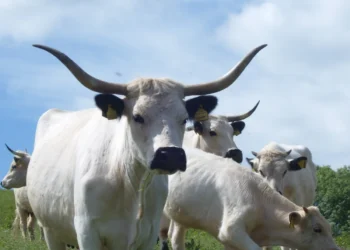 Ancient Cattle Breed Faces Urgent Risk of Extinction
 Nature Watchdog Accused of Halting Vital Site Protections
 Fury in Cornwall over herbicide plan to tackle weeds
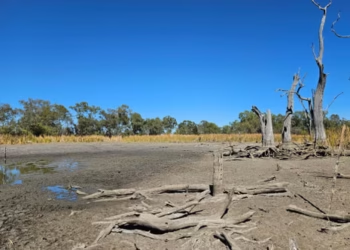 Broken Promises: Murray-Darling River Crisis Deepens
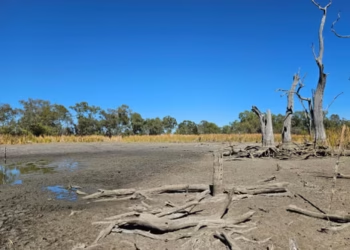 Governments Fail Murray-Darling River Projects
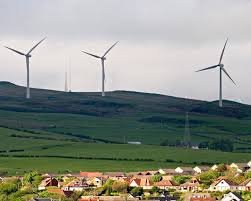 Renewable Energy as a Strategic Shield for UK Security
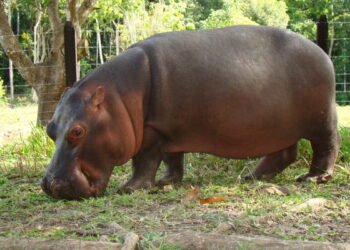 Escobar’s Hippos May Be Moved to India Zoo
 Capitalism ‘Suicidal’, Warns Petro at Climate Summit
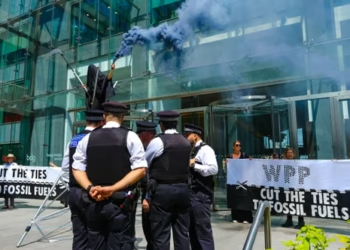 UK Firm Faces Backlash Over US Oil Advertising Deals
 UK Firm Faces Backlash Over US Oil Advertising Deals
 The Lion Guard: How One Woman Heals the Zambezi Valley
 Record May Heat to Cold Front in Eastern Australia
 Ukraine strikes Tuapse as oil disaster worsens
 The Campaign To Save Britain’s Original Bramley Apple Tree
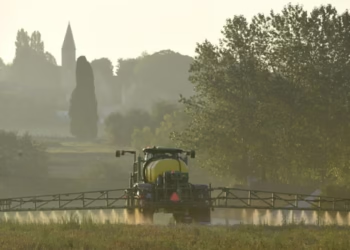 EU Deal May Force UK Ban on Cancer-Linked Weedkiller
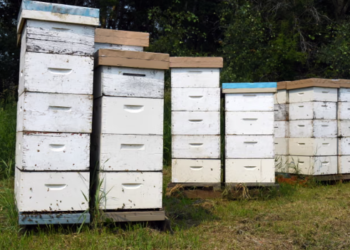 Stolen Hives: The Great Australian Bee Heist
 Charities Demand Labour Deliver Urgent New Clean Air Act
 UN Faces Crucial Vote on Landmark ICJ Climate Ruling