Published: 29 June 2026. The English Chronicle Desk. The English Chronicle Online.
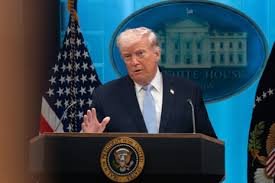
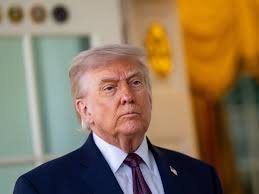
The fragile interim peace agreement between the United States and Iran is facing its most severe test yet following a weekend of escalating military strikes and explosive political rhetoric. What began as a hopeful diplomatic breakthrough earlier this month has rapidly deteriorated into a dangerous cycle of retaliation that threatens to engulf the wider Middle East. The latest standard of violence has not only disrupted critical maritime shipping channels but has also drawn a ferocious response from Washington. In a fiery social media post that shocked international diplomats, US President Donald Trump threatened ultimate violence by warning that the Islamic Republic of Iran will no longer exist if talks abandon completely. This dramatic escalation has left regional mediators scrambling to salvage the fourteen point memorandum of understanding before the entire framework collapses into outright warfare.
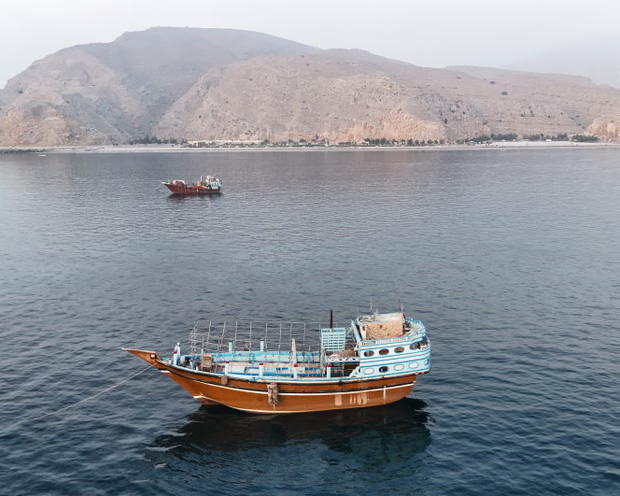
The immediate catalyst for this dangerous new round of hostility stems from disputes surrounding the strategic Strait of Hormuz. This vital global waterway serves as the transit route for approximately one fifth of the world oil and liquid gas supplies. Recent efforts to reopen the strait to international shipping without direct Iranian oversight triggered a sharp military response from Tehran. The United States Central Command stated that its recent precision air strikes targeted Iranian military surveillance assets alongside communication hubs and drone storage facilities. Washington maintained these actions were in direct response to continued Iranian aggression against commercial vessels trying to navigate the waters. The fundamental disagreement lies in the choice of transit routes through this highly sensitive geographical chokepoint.
Washington has actively promoted a southern shipping lane running safely along the coast of Oman to avoid conflict. Conversely, Tehran insists that vessels use a northern route through its own territorial waters under strict Iranian control. The Islamic Republic ultimately aims to charge transit fees for any international vessels utilizing this specific passage. This geometric dispute has effectively blockaded hundreds of vital tankers inside the Gulf since the war began. A few vessels successfully chanced the passage over the last two weeks, causing global oil prices to drop significantly. This brief respite brought immense relief to fragile economies worldwide before the current wave of violence erupted.
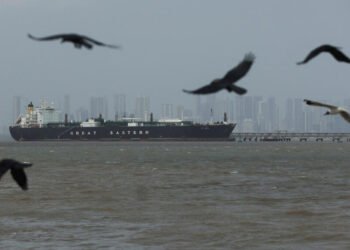
The truce shattered completely on Saturday when the US military accused Iran of attacking a Panama flagged tanker. The vessel named Kiku was carrying crude oil for the state run energy company of Qatar. Ship tracking websites confirmed that the Kiku was attempting to use the southern corridor near Oman. This incident followed a similar drone strike last week against a Singapore flagged container ship in the area. Iranian Foreign Minister Abbas Araghchi firmly restated the claim of Tehran to sole control over the waterway. Speaking during a high profile state visit to Baghdad, he warned that any outside interference would complicate matters. Araghchi stated that separate maritime arrangements would only delay the reopening of the strait and increase regional tensions.
International observers suggest that Iran is intentionally targeting commercial shipping to gain leverage in ongoing negotiations. Tehran also appears to be using its strategic position to intimidate neighboring countries and assert regional dominance. During his visit to Iraq, Araghchi explicitly called for a new security framework excluding the United States entirely. He urged Gulf countries to reach an agreement without the presence or interference of outside nations. This demand directly complicates the delicate work of international mediators from Qatar and Pakistan who initiated talks. These diplomats successfully brought Washington and Tehran together in Switzerland but wide gaps remain on core issues.
The contentious issues include long term arrangements for the strait alongside substantial sanctions relief for Tehran. The future of the nuclear program of Iran also remains a major sticking point for negotiators. Under the memorandum of understanding signed this month, both sides have sixty days to resolve these details. Leaders in both capitals face immense domestic political pressure to avoid returning to a full conflict. Despite their frequent bellicose rhetoric, both administrations currently appear committed to maintaining some form of ceasefire. However, the internal dynamics within the political structure of Iran are creating significant additional friction.
The Islamic Revolutionary Guard Corps recently claimed direct responsibility for both of the new attacks on Sunday. The paramilitary group warned that violating the ceasefire would lead to a complete halt of negotiations. The hardline group controls the extensive ballistic missile arsenal of Iran and has gained substantial domestic influence. Its navy command issued a chilling statement warning that American regional bases would experience hell soon. This aggressive posturing has deeply alarmed neighboring Gulf states who bear the brunt of local instability. The foreign ministry of Bahrain forcefully denounced the latest drone and missile attacks on its territory.
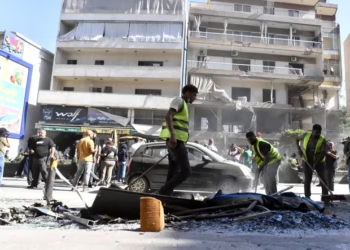
Bahrain described the strikes as a deliberate approach and a systematic pattern of repeated external aggression. The kingdom noted that these actions directly threaten national sovereignty and the safety of its citizens. Bahrain serves as the home base for the United States Navy Fifth Fleet. This critical naval base came under repeated attack during the earlier phases of the war. On Sunday, Bahrain intercepted incoming fire while a residential building near the international airport suffered damage. Fortunately, local officials confirmed that no one was killed during this specific aerial bombardment.
Meanwhile, Kuwaiti air defense systems successfully intercepted two ballistic missiles over their territory earlier on Sunday. Kuwait hosts a major United States army base but reported no local injuries or damage. Further casualties were reported by the interior ministry of Qatar regarding a missing maritime vessel. One Qatari national was killed and a second person suffered injuries from floating military shrapnel. The two individuals were on a boat that went missing Saturday and was located Sunday. Officials did not confirm whether this specific tragedy was directly linked to the Iranian drone strikes.
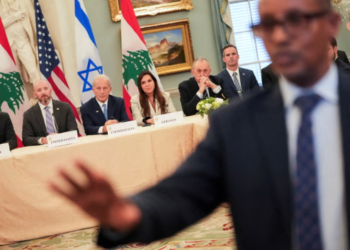
The regional situation is further complicated by ongoing violence in Lebanon which threatens the broader peace process. Tehran has repeatedly insisted that a durable peace with Washington is dependent on a Lebanese ceasefire. However, fresh clashes occurred just two days after Israel and Lebanon signed an agreement ending hostilities. Israeli military officials reported a soldier was killed Sunday during a security operation in southern Lebanon. The encounter occurred when troops entered a suspicious structure in the area of Deir Seryan. The Lebanese state news agency subsequently reported new Israeli artillery attacks targeting local border towns.
The bilateral deal calls for Israeli forces to begin withdrawing from the south of Lebanon. Lebanese armed forces are scheduled to replace them and assume responsibility for dismantling Hezbollah infrastructure. Israel is not a party to the United States deal with Iran and remains highly skeptical. The Israeli military invaded southern Lebanon last March to launch a major offensive against Hezbollah. The militant group receives extensive financial and military support from the government in Tehran. Previous US brokered ceasefires between Israel and Lebanon have enjoyed only limited long term success.
Israel maintains it will not withdraw from seized territory until its security is fully guaranteed. Hezbollah continuously rejects calls to surrender its weapons while Israeli troops remain on Lebanese soil. This secondary conflict continues to undermine the prospects for any lasting diplomatic agreement involving Washington. Despite these massive complications, a glimmer of hope emerged late on Sunday evening from Washington. A United States official indicated both sides agreed to halt hostilities and renew technical talks. The upcoming discussions will focus on resolving the operational rules for the Strait of Hormuz. Both nations will stand down for now so commercial vessels can resume movement freely.
Related News:
 Saudi Officials Report Zubaidi Flee Before Yemen Peace Talks
 UK Targets in New York Bomb Threat Hoax: Man Jailed
 Gambia Supreme Court Hears Case to Overturn FGM Ban
 Trump targets Iran trade with 25% tariff warning
 US Senate rejects resolution limiting Trump military powers
 Gulf states warn Trump Iran strikes risk wider Middle East war
 Machado Trump medal gesture reshapes Venezuela power struggle
 Geopolitical football: Iran, Trump and the World Cup clash
 Canada-China trade gains momentum in new strategic partnership
 Syria President Declares Victory as Ceasefire Reached with SDF
 Shinzo Abe’s killer receives life sentence in Japan
 China General Under Investigation Amid Leadership Purge
 Philippines ferry disaster leaves 15 dead, dozens missing
 Cambridge Faces Scrutiny Over Arms Investment Transparency
 Concerns rise for Canberra boy amid Iran detention fears
 Ukraine Sends Drone Experts to Defend US Bases in Jordan
 Abramovich Chelsea Sale Cash Faces Jersey Probe
 Yvette Cooper: UK Must Follow Principles, Not US Pressure
 Jury Rules Meta and YouTube Liable for Addictive Design
 The Woman Guarding Earth From the Threat of Asteroids
 Exiled Tycoon Warns of New Russian Attacks on UK Soil
 LA 2028: Millions of Affordable Olympic Tickets Announced
 Trump Slams Europe as Transatlantic Tensions Boil Over
 Inside the Deceptive Machine: A Former Producer Speaks Out
 Spain Faces Backlash Over Xenophobic Chants in Egypt Draw
 A Global Voice For Justice: Stephen Lewis Dies At Age 88
 Hope and Fear as Iranians Flee Across the Turkish Border
 Reform UK Pledges To Halt Visas Over Reparations Demands
 US and Iran Agree to Two-Week Provisional Ceasefire
 Starmer visits Gulf as US and Iran agree ceasefire
 Pakistan Brokers Historic Peace Deal Amid Rising Tensions
 Trump Signals Hope for New Iran Talks as Ceasefire Fades
 US and Iran Pursue Extension of Ceasefire via Pakistan
 Trump’s Islamabad Gamble: The High Stakes of a New Iran Deal
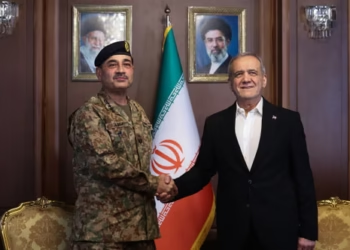 The General’s Gambit: Pakistan’s New Role in Global Peace
 Mexico, Spain and Brazil call for Cuba dialogue amid crisis
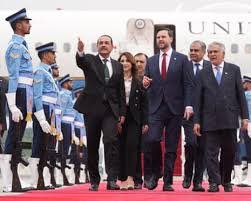 Pakistan’s Ambitious Bid for Middle East Peace
 Israeli Soldiers Jailed Over Vandalism of Lebanese Statue
 Trump Weighs Sending Afghan Allies to the Congo
 Trump Threatens UK With Big Tariff Over Tech Tax
 Prominent Voices Challenge Palestine Action Ban
 Security Scrutiny After Washington Shooting Incident
 Merz Criticises US Approach in Iran Conflict
 UK Envoy Sparks Controversy Over Special Relationship Claims
 Ukraine Urges UK to Seize Russian Oil Tankers
 The Billionaire’s Secretary and the £1m Fraud
 Ukraine strikes Tuapse as oil disaster worsens
 Mission to the World’s Edge: A Heroic Rescue in Tristan
 US and Mexico Face Heatwave as Floods Batter South Africa
 Mexico’s Missing: State Complicity in a Growing Crisis
 French Patient Told Hantavirus Was Just Anxiety
 Putin Signals War End as Russian Momentum Stalls
 Romania’s Judicial Crisis: A System Under Siege
 Lee Lai Makes History with Landmark Stella Prize Victory
 Philippine Senator Flees After Days Under Senate Siege
 Alberta Separatist Bid Blocked by Canadian Court
 Big Tobacco Under Fire Over Controversial New Ad Campaign
 Court Upholds Landmark Win for Transgender Rights
 Liberal Senator Criticises Immigration Rhetoric
 Senate Moves to Restrict Trump’s War Powers on Iran
 ICC Arrest Warrant Threat Sparks West Bank Retaliation
 Taliban Codifies Strict New Marriage and Divorce Legislation
 Tony Abbott Returns as New Liberal Party President
 Discontent grows around Putin amid war strain
 Trump Diplomacy Faces Hurdles from Tehran to Tbilisi
 Trump Faces Legal Blow Over Global Tariffs
 Washington Brokerage Sparking Hope Amid Regional Firestorms
 New York Consumer Watchdog Tackles Corporate Lawbreaking
 Global Tech Giants Face Off Against Australia Over Media Levies
 Ukraine Turning the Tide: Zelenskyy Reclaims the Initiative Against Isolated Russia
 Millions in British Charity Funds Linked to Illegal Settlements
 Firearm Fine for Missing Boy’s Grandmother
 Historic Peace Deal Reached Between United States and Iran
 A New Era of Diplomacy Sparks Confusion on the World Stage
 AI to Help Botanists Win the Critical Race Against Extinction
 Battle for Washington: Mayoral Race Braces for Trump
 Tuchel’s England Mission Goes Beyond Football Success
 Historic Victory for Canada as They Defeat Nine-Man Qatar
 Trump’s Iran Legacy Hangs on Tehran Deal
 What Burnham in Number 10 Means for the Future of Britain