Published: 15 July 2026. The English Chronicle Desk. The English Chronicle Online.
The Organisation for Economic Cooperation and Development has issued a stern recommendation regarding the future of British pension policy. In its latest comprehensive survey of the United Kingdom economy, this prominent international body suggests that Labour must abandon its long-standing triple-lock pension promise. This specific policy pledge currently dictates that the state pension increases annually by the highest measure among wage growth, inflation, or a fixed rate of two point five percent. While this mechanism was originally designed to protect pensioners from poverty, the Paris-based organisation argues that it now places excessive strain on the nation’s fragile public finances. The experts suggest that this commitment introduces significant fiscal risks by exposing the government to unpredictable supply shocks during challenging global economic periods. Consequently, they believe that reforming this system is essential to ensure long-term sustainability for the entire country moving forward.
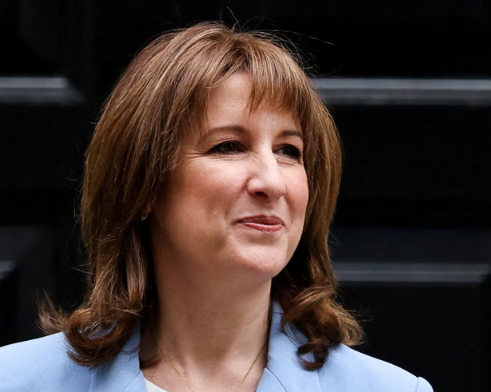
The report arrives at a critical juncture as the political landscape prepares for a major transition in leadership. Rachel Reeves is concluding her two-year tenure as Chancellor of the Exchequer, leaving behind a complex legacy of fiscal decision-making. The OECD offers a broadly positive perspective on her overall record, noting that the government’s pro-growth agenda provides a sturdy foundation for a gradual recovery. Despite this optimism, the detailed one hundred and forty-page assessment repeatedly emphasises the urgent necessity of repairing the broader public finances. Analysts warn that the combination of modest economic growth, high public debt, and significant interest payments creates a very difficult environment. Furthermore, increasing spending pressures related to an ageing population, climate change initiatives, and national defence further limit the government’s available fiscal space. The plans outlined by the Chancellor during last year’s spending review seemingly leave very little room for any future financial manoeuvre.
The debate surrounding the triple lock is certainly not new to those monitoring domestic political discourse in recent years. Several influential think tanks, including the Resolution Foundation and the Institute for Fiscal Studies, have previously called for structural reforms to this specific pension mechanism. These organisations have long argued that the policy, introduced by the Conservative and Liberal Democrat coalition back in two thousand and ten, is increasingly unsustainable. Even the independent Office for Budget Responsibility has frequently highlighted the triple lock as a major risk to the long-term sustainability of the state’s fiscal health. Their data shows that the policy has cost the taxpayer three times as much as experts originally anticipated when it was first launched. The OECD proposes that the annual increase should instead transition to a balanced average of earnings and inflation to reflect economic realities. They estimate that adopting this alternative approach could generate long-term savings worth two percent of the nation’s total gross domestic product.
Beyond pension reforms, the report highlights several other potential avenues for achieving essential cost savings within the public sector. The OECD specifically suggests that the government should lead a dedicated drive to improve the overall productivity of hospitals across the country. Current spending on this crucial component of the National Health Service remains exceptionally high when compared to other international standards of care. The report notes that there is clear scope to significantly improve the operational efficiency of hospital facilities throughout the nation. Better coordination of patient discharges, specifically ensuring patients move to the right location at the right time, would yield substantial benefits. This is particularly important given the current constraints on capacity within the vital out-of-hospital care sector, which remains under immense pressure today. By focusing on these operational improvements, the government could enhance service quality while simultaneously managing rising costs more effectively than current systems allow.
As the nation prepares for a new administration, the political atmosphere remains highly charged with anticipation and debate. Andy Burnham is expected to be formally installed as the new Prime Minister next week, bringing fresh priorities to Downing Street. In light of this transition, the OECD survey offers a strong cautionary note against any immediate plans to raise headline tax rates. The organisation argues that tax reforms should primarily focus on strengthening efficiency and increasing total revenues rather than simply increasing existing taxes. The current tax burden is already considered high, while the system remains far too complex and distortionary for businesses and individual taxpayers alike. Policymakers are encouraged to prioritise simplicity and fairness over quick revenue-raising measures that could potentially stifle the emerging economic recovery. Achieving a more efficient tax environment will be a delicate balancing act for the incoming government in the challenging months ahead.
In a formal response to the publication of this report, the Chancellor defended the administration’s recent economic strategy. She noted that the OECD agrees the government has successfully restored essential stability, placing the economy in a much stronger position than two years ago. This assessment was officially launched at a press conference held in London on Wednesday morning to significant public interest. The report was released shortly after the Chancellor delivered her final Mansion House speech in the City of London. During that address, she firmly defended the various difficult decisions made during her tenure, claiming that she had successfully proven all her earlier doubters wrong. As the torch passes to new leadership, the government will undoubtedly face mounting pressure to address the structural issues identified by these international experts. Balancing the needs of the ageing population with the constraints of limited fiscal space will define the agenda for years. Ensuring public support for any potential changes to pension policy remains the most significant challenge for the incoming administration to navigate. The path toward a more sustainable economic future will require both courage and a commitment to difficult reforms that put the country’s long-term health first.
Related News:
 Green Party Surges Past Labour in Latest UK Poll
 Trump’s UK Ambassador Urges North Sea Drilling to Strengthen US Ties
 French Taxi Driver Cleared in David Lammy Theft Case After Fare Dispute
 Millionaires group urge Reeves to introduce wealth tax to ‘lift kids out of poverty’
 Starmer Faces Growing Dissent as Labour MPs Weigh Leadership Challenge
 Reeves rejects £1bn plea for NHS redundancy payouts
 PM Condemns Leaks, Vows Loyalty to Ministers and Stability
 Major Rent Reform Ends No-Fault Evictions in England
 Peers Flood Assisted Dying Bill with 942 Amendments
 Most Tories Expect to Support a Farage-Led Government
 Labour MP claims devolution bill is ‘blatant discrimination’ against Cornwall
 Millions Face Higher Taxes Under Reeves New Budget
 Starmer Says Labour’s Economic Plan Needs Years to Deliver
 Culture secretary to review Telegraph takeover by Daily Mail owner
 UK Government Borrowing Drops to £11.6bn in December
 Labour Blocks Burnham as Party Rift Deepens Ahead of Polls
 Andy Burnham and the Labour Rift Over Power and Leadership
 Huge mistake: Labour blocks Burnham from byelection bid
 Artificial intelligence will cost jobs, admits Liz Kendall
 Labour targets Greens on drugs in Gorton Denton byelection
 Greens nominate Hannah Spencer for Gorton and Denton byelection
 Mandelson Faces Police Inquiry Over Epstein Leak
 Labour Thinktank Row Deepens Over Journalist Probe Claims
 Morgan McSweeney downfall shocks Labour leadership
 Cabinet Secretary Shake-Up Triggers Due Diligence Warning
 Starmer Faces Inquiry Calls Over Thinktank Probe
 Royal Mail Delivery Crisis Deepens Amid Weather Chaos
 UK shelves £110m border project amid trade strain
 Farage Unveils Reform UK Frontbench Team
 California Democrats Vow Trump Reckoning
 Trump Tariffs Threat Spark UK and EU Alarm
 Wales Approves Assisted Dying Bill Consent
 UK EU Trade Reset Gains Public Backing
 Green Party Stuns Labour in Gorton and Denton Byelection
 Corbyn Leads Your Party in Coordinated Left-Flank Strategy
 Labour Together scandal sparks clean break vow
 Asylum Seekers to Work After Year-Long Wait
 Starmer Row as Greens Demand Apology
 Proposed Law Leaves Gap for Children of Convicted Paedophiles
 Gordon Brown urges court for crimes against children
 Starmer Praised for Stance on Trump and Iran Conflict
 Inquiry into HMRC child benefit errors launched by NAO
 NHS Plans to Cut Overseas Workers Labeled Overambitious
 Farage Faces Backlash Over Crypto Cameo Endorsements
 Family Court Reform Promises New Era for UK Families
 Army Probes Apache Flyover at Kid Rock’s Nashville Estate
 Relationship with Trump may be beyond repair, Starmer warned
 Unions Raise Concerns Over Doctors’ Pay Dispute
 UK Government Poised to Revive Stalled Hillsborough Law
 Starmer Faces Commons Test Over Mandelson Scandal
 UK Stands Firm on Falklands Amid US Rift
 Crackdown Backfires on UK Climate Protesters
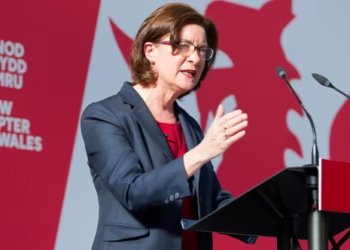 Welsh Labour Faces Potential Historic Election Defeat
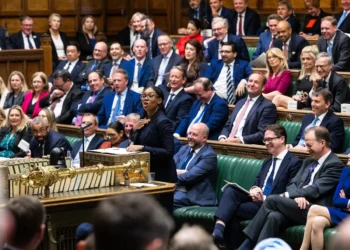 Starmer Survives Mandelson Rebellion
 Silent Tracks: Rail Line Without Passengers
 Major test for Labour as polls open in Great Britain
 Labour Members Doubt Starmer Future as Burnham Leads Poll
 Reform UK Faces Crisis as Newly Elected Councillors Resign
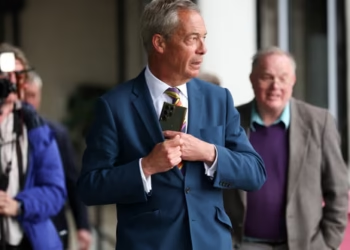 Farage Faces New Questions Over Private Helicopter Use
 Keir Starmer Struggles to Secure His Grip on Downing Street
 Farage Faces Standards Probe Over Cash Property Purchase
 Green Party Makerfield Candidate Resigns Over Posts
 Secret Role of UK Security Services in Troubles Amnesty Law
 Farage and Reform UK Reshape British Politics
 Starmer Leadership Under Pressure After Setbacks
 Minister Criticises Police Guidance Amid Southampton Protests
 Makerfield Voters Demand Real Change as Election Looms
 The Hidden Crisis Eroding Trust in British Communities
 Deepfake Abuse on X Sparks Safety Concerns for Dissidents
 UK Ministers Lobby Trump Over Under-16s Social Media Ban
 Labour MP Revives Blocked Assisted Dying Bill in Commons
 Starmer Resolves to Fight Burnham in Leadership Battle
 Starmer Set to Announce Exit Plan as Burnham Eyes No 10
 Hollie Ridley to Step Down as Labour General Secretary
 Jarvis Urges Burnham to Secure 3.5% Defence Spending
 Farage Warns Sky News Following Financial Inquiry
 Reform UK Finances Face Deep NCA Probe
 Burnham Pledges New Era of Open Debate for Labour MPs
 Ann Widdecombe, Formidable Political Figure, Dies at 78
 Security Row Erupts Following Tragic Death