Published: 15 July 2026 | The English Chronicle Desk | The English Chronicle Online
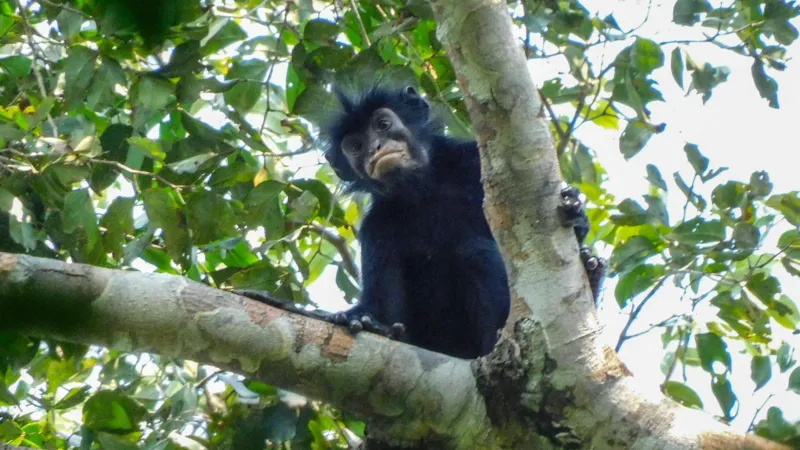
A team of wildlife researchers has announced the discovery of a previously unknown monkey species deep within the rainforests of the Democratic Republic of Congo (DR Congo), revealing a rare primate distinguished by its vivid orange lips and unique physical characteristics.
The discovery, described by scientists as one of the most significant primate findings in recent years, highlights the extraordinary biodiversity of the Congo Basin—one of the world’s largest tropical rainforest ecosystems. Researchers believe the species remained undetected for decades because of its remote habitat, elusive behaviour and the dense forest canopy that makes field studies particularly challenging.
Conservationists say the finding is both exciting and urgent, as it underscores how many species may still be unknown while also drawing attention to the increasing threats facing Central Africa’s forests.
The newly identified monkey was found during an extensive biodiversity survey conducted in an isolated section of the DR Congo rainforest.
Scientists spent months exploring difficult terrain, using camera traps, field observations and genetic analysis to confirm that the animals represented a distinct species rather than a variation of an already known primate.

Researchers explained that the monkey had effectively remained “hidden” due to the inaccessibility of its habitat and the limited scientific exploration of some regions within the Congo Basin.
The forest’s dense vegetation, seasonal flooding and lack of transport infrastructure have long made biological surveys difficult.
The monkey immediately attracted attention because of its unusually bright orange lips, a feature rarely observed among African primates.
Researchers also identified several other distinguishing characteristics, including differences in facial markings, fur colour, body size and vocalisations.
Genetic testing confirmed that the animals are genetically distinct from closely related monkey species, providing strong evidence that they represent a previously undocumented branch of the primate family tree.
Scientists believe the striking facial colouring may play an important role in communication, social interactions or mate recognition, although further behavioural studies will be needed to understand its purpose.
The discovery did not happen overnight.
According to researchers, the project involved years of fieldwork, specimen analysis and collaboration between local conservation organisations and international primate experts.
Initial sightings raised suspicions that the monkeys might represent an unknown population, but scientists required detailed genetic evidence before formally recognising them as a separate species.
Advances in DNA sequencing technology have made it easier for researchers to distinguish closely related species that may appear similar in the wild.
Experts say such discoveries demonstrate the importance of combining traditional field observations with modern laboratory science.
The identification of a new primate species is considered relatively rare, particularly in the 21st century.
Scientists estimate that although millions of species remain undocumented worldwide, large mammals are much less frequently discovered than insects, plants or microorganisms.
Finding a previously unknown monkey suggests that significant gaps remain in scientific understanding of biodiversity, especially in remote tropical forests.
Researchers believe additional undiscovered mammals may still exist in isolated regions of Central Africa, Southeast Asia and parts of South America.
The Congo Basin is second only to the Amazon rainforest in size and supports an extraordinary variety of wildlife.
Its forests are home to gorillas, chimpanzees, forest elephants, okapis, bonobos and hundreds of bird, reptile and amphibian species.
Many of these animals occur nowhere else on Earth.
Scientists say the discovery reinforces the global importance of protecting the region, not only for its wildlife but also for its role in regulating climate and storing vast amounts of carbon.
The rainforest is widely recognised as one of the planet’s most valuable natural ecosystems.
Despite its ecological significance, the Congo Basin faces growing environmental pressures.
Illegal logging, mining, agricultural expansion, infrastructure development and poaching continue to reduce wildlife habitats across parts of the region.
Climate change is also altering rainfall patterns and forest ecosystems, creating additional challenges for species already living in restricted ranges.
Researchers fear that newly discovered animals may be threatened before scientists fully understand their ecology, population size or conservation needs.
For that reason, conservationists are urging authorities to strengthen protection for forests where the new monkey has been found.
Scientists involved in the research credited local communities with helping locate the animals and providing valuable knowledge about the surrounding forests.
Many biodiversity discoveries rely heavily on Indigenous peoples and local residents who possess generations of ecological knowledge about wildlife behaviour and habitats.
Researchers say successful conservation efforts must continue involving local communities as partners in protecting biodiversity.
Supporting sustainable livelihoods is also viewed as an important strategy for reducing environmental pressures on sensitive ecosystems.
Now that the species has been identified, scientists plan to conduct further studies into its behaviour, diet, breeding patterns and population size.

Researchers hope to determine how widely the monkey is distributed throughout the forest and whether additional populations exist beyond the initial discovery site.
Understanding its ecological role will also help conservation authorities develop effective management plans.
Detailed research may reveal how the monkey interacts with other species and how environmental changes could affect its long-term survival.
The discovery serves as a powerful reminder that even in an age of satellites, artificial intelligence and advanced scientific technology, parts of the natural world remain largely unexplored.
Every newly identified species expands scientific knowledge while highlighting the importance of preserving habitats that continue to reveal unexpected biological treasures.
Conservation experts say discoveries like this should inspire renewed investment in biodiversity research and environmental protection, particularly in regions where wildlife remains poorly documented.
As scientists continue exploring the forests of the Democratic Republic of Congo, they believe more remarkable discoveries may still await beneath the rainforest canopy—provided these ecosystems remain protected for future generations.
Related News:
 ‘Greedy’ Beaver Caught Twice in Wildlife Monitoring Trap
 Hope for mountain bongos returns to Kenya
 UK’s Largest Proposed Datacentre Faces Water Use Concerns
 BP’s Influence Sparks Controversy in UK STEM Education
 Robo-Vaccination Could Transform Fight Against Bovine TB
 Fungi Mining and Giant Waste Piles: How to Get Rare Earths Without Mining Rock
 How China Became Fixated on Cloud Seeding
 AI Climate Claims Face Greenwashing Backlash
 Brace for Trump’s Brave New World of 1.7°C Global Warming
 Ocean Warming Drives Massive Marine Life Loss, Study Warns
 The Sad, Strange Story of the World’s Most Radioactive Paradise
 Water Cremation Introduced in UK First
 Tiny Possum and Glider Thought Extinct for 6,000 Years Found in Remote West Papua
 Musk’s xAI Permit Sparks Fury Over Power Plant Expansion
 ‘Drinking from a Fetid Pond’: Superbug Genes in Lough Neagh
 Country Diary: A Bum Note Amid the Dawn Chorus
 Country Diary: The Eagle’s Shadow Over the Lambing Shed
 High-Rise Rescue: The Dramatic Recovery of a Stranded Peregrine Falcon
 The Great Escape: ‘Challenging’ Search for Missing Capybara Enters New Phase
 Southern Skies: High Turnout and Surprise Visitors in Birdwatch 2026
 The Lithium Inferno: Lorry Loaded with Batteries Engulfs Major Motorway
 Big Tech Lobbies EU to Hide Massive Datacentre Emissions
 Tsunami Alerts Eased After Magnitude 7.7 Earthquake Rattles Northern Japan
 ‘A Week of Fear’: Japan Braced for Magnitude 8.0 Megaquake After Sanriku Jolt
 ‘A Ticking Time Bomb’: Communities Sound Alarm Over ‘Catastrophic’ Battery Storage Risks
 New Bacteria Discovery Offers Hope Against Noma
 Escobar’s Hippos May Be Moved to India Zoo
 The Ethylene Enigma: Is Foil-Wrapping the Stems Truly the Secret to “Evergreen” Bananas?
 Record May Heat to Cold Front in Eastern Australia
 WHO approves first malaria drug for babies
 “Precision Over Personnel”: Robots Move In as Waste Firms Battle 40% Staff Turnover
 AI Turf War Erupts at the Prestigious Chelsea Flower Show
 Ebola outbreak in DRC overwhelms health system as cases surge
 Man killed in shark attack on Great Barrier Reef
 Mangrove Forests Recover After Years of Damage
 Australia Seizes Illegal Insects Worth $200K
 Bear Escapes Factory Through Open Window
 Photographers Capture Stunning Wildlife Moments
 Airline Leaders Warn 2050 Net Zero Target May No Longer Be Achievable
 Japanese City Closes Nearly 100 Schools After Rare Bear Sighting
 Conservationist Promotes Giant Snail Farming to Protect Endangered Guitarfish
 Majority of New US AI Data Centres Planned for Drought-Prone Regions, Report Warns
 Cambridge Recreates Historic 336-Year-Old Garden
 Green Lawsuits Surge as AI Expansion Strains Planet
 Deadly H5 Bird Flu Reaches Australia’s East Coast
 Lanarkshire AI Hub Fails Energy Promises
 African Fishermen Blame Chinese Trawlers for Declining Catches
 Extreme Heat Grounds Birds of Prey Across the UK
 Concerns Rise Over New Zealand’s AI Datacentre Plans
 Seven Britons Among Victims as Deadly Wildfires Sweep Across Spain
 Big Pharma Investment Freeze Puts UK Life Sciences Sector Under Strain
 UK Bans Fake Numbers: Scammers Lose Their Trick
 Vibe coding’ named Collins dictionary’s word of the year
 Sundar Pichai Cautions on AI Hype and Market Risks
 ‘Extinct’ Antelope Returns to Sahara, Bringing Hope
 Conservatives Pledge to Scrap 2030 Petrol and Diesel Car Ban
 UK Weather: End of Cold Spell in Sight as Temperatures Rise
 No Gas Boiler Ban as UK Warm Homes Plan Backs Heat Pumps
 Devon hosts first high-density hydro power system
 AI breast screening cuts later cancer diagnoses by 12%, study finds
 South Africa’s Garden Route Gem Faces Looming Water Crisis
 Most Statin Side-Effects Are Not Caused by Drugs, Study Confirms
 How Do You Modernise Mango Farming? India’s Growers Urged to Innovate as Climate Change Hits
 AI Coding Firm’s ‘Pride’ at Business Award Win
 Stewart Brand on Musk, Bezos and a Life of Long Thinking
 After Mugabe: Family Feuds and Legal Battles
 Social Media Giant Trial Reaches Final Jury Decision
 Councils Pressed to Use Universal Parking App to Cut ‘Unfair’ Fines
 Trump Considers Military Operation to Seize Iran’s Uranium
 ‘The Insulation Trap’: Knifeman Discovered Hiding Under Loft Padding After Six-Hour Standoff
 The Banbridge Rescue: 300 Sheep Saved from Massive Hay Shed Inferno
 Electric Shock: Australians Buy Record Number of New EVs as Fuel Crisis Bites
 The Great Chokehold: Why the Strait of Hormuz is the Epicenter of the 2026 Crisis
 Moldova River Crisis Exposes War’s Hidden Cost
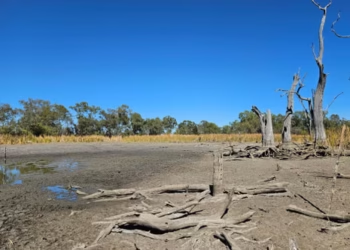 Governments Fail Murray-Darling River Projects
 The “Dry” Life: Teens Trialing Social Media Bans Call Initial Disconnection “Boring” and “Dry”
 “The Digital Frontier”: Scotland’s Papers Grapple with AI Harassment and ‘Mortgage Bottlenecks’
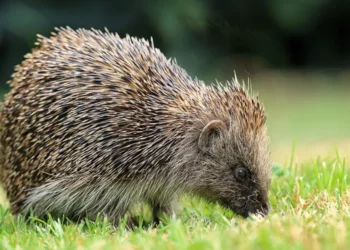 “Eyes in the Sky, Spikes on the Ground”: Advanced Satellite Imagery and AI Algorithms Deployed Across Britain to Save the Vanishing Hedgehog
 UN Issues Urgent Warning: Imminent Return of El Niño
 South Korea’s AI Chip Boom Sparks Wealth Inequality Debate