
Published: 8 June 2026
The English Chronicle Desk
The English Chronicle Online
A conservation campaigner is working to persuade coastal fishing communities to farm giant snails instead of targeting endangered guitarfish, in an effort to reduce pressure on vulnerable marine populations.
The initiative focuses on creating alternative sources of income for fishers whose livelihoods have traditionally depended on species increasingly threatened by overfishing and habitat decline.

Guitarfish, a group of ray-like marine animals closely related to sharks, are considered among the most endangered fish species in the world due to intensive fishing and slow reproductive rates.
Marine conservationists say demand for fins, meat and by-products has contributed to severe population declines across several regions.
The project encourages fishers to shift toward giant snail aquaculture, which supporters argue can provide more sustainable and stable economic returns while reducing environmental damage.
Advocates say snail farming requires relatively low infrastructure investment and may offer coastal communities a viable alternative during periods of declining fish stocks.
Environmental researchers note that community-based conservation efforts are often more effective when economic incentives are aligned with ecosystem protection.
Some fishers participating in pilot programmes reported cautious optimism, though others remain uncertain about abandoning traditional fishing practices.
Marine experts say long-term success will depend on market demand, technical support and continued investment in sustainable aquaculture systems.
International conservation organisations have increasingly promoted alternative livelihood programmes in areas where endangered species face heavy fishing pressure.
Scientists warn that without significant intervention, several guitarfish species could face extinction in parts of their natural range.
The campaign also aims to educate coastal communities about the ecological importance of protecting marine biodiversity and maintaining balanced ocean ecosystems.

Economists studying fisheries management say diversification of income sources may become increasingly important as climate change and overfishing continue affecting global seafood industries.
Supporters hope the project could eventually serve as a model for conservation-linked economic transition efforts in other vulnerable coastal regions.
Check Out Our Latest News At>>
Related News:
 Airline Leaders Warn 2050 Net Zero Target May No Longer Be Achievable
 How to Exit Your Broadband Contract Without Paying Exit Fees
 Ed Davey Urges Government to Block Elon Musk’s Tesla from Supplying UK Home Energy
 Apple Unveils Ultra-Thin $999 iPhone Air at “Awe-Dropping” Annual Event
 Merck Abandons £1bn London Research Hub and Cuts 125 Jobs in Blow to UK Life Sciences
 UK and US Forge Landmark Deals to Build Modular Nuclear Reactors Across Britain
 Big Pharma Investment Freeze Puts UK Life Sciences Sector Under Strain
 UK Could Generate Nearly £2bn Annually by Taxing SUVs, New Study Reveals
 Jaguar Land Rover Extends Production Halt Following Cyber-Attack
 British AI Startup Outshines Human Forecasters in Global Prediction Contest
 Royal Mail Owner Acquires Stake in Collect+ and Launches High Street Rebrand
 Virgin Trains Moves Closer to Challenging Eurostar Monopoly
 North Sea oil workers must lose weight or face job loss
 New laws to bolster UK’s defences against cyber attacks on NHS, transport and energy
 UK Taskforce Unveils Plan to Streamline Nuclear Reactor Rules
 UK Car Sales Pass 2 Million as Chinese Brands Surge
 BP’s Influence Sparks Controversy in UK STEM Education
 Robo-Vaccination Could Transform Fight Against Bovine TB
 MPs warn AI financial risks threaten UK stability
 MPs warn AI financial risks threaten UK stability
 Amazon mistakenly signals new global layoffs to employees
 UK New Car Discounts Near £6,000 as Prices Are Slashed
 BT Names New Openreach Chief Amid Major Fibre Expansion
 AI fears hit UK wealth and comparison sites
 Santos Wins Landmark Greenwashing Case in Court
 The Chinese AI App Sending Hollywood Into a Panic
 AI Coding Firm’s ‘Pride’ at Business Award Win
 How Aston Martin Must Adapt to Meet Changing Needs
 Water Cremation Introduced in UK First
 Revealed: UK AI Push Faces Phantom Investment Claims
 ‘Greedy’ Beaver Caught Twice in Wildlife Monitoring Trap
 Bank of Scotland App Glitch Lets Customers See Other Users’ Transactions
 Tesla Enters British Energy Market Following Ofgem Approval
 India’s $300bn Outsourcing Industry Faces AI Test
 UK Watchdog Probes Five Firms Over Fake Review Failings
 Jim Ratcliffe’s £3.5bn Chemical Plant Delayed with Parts Stranded in the Gulf
 The “Trap” Is Closing: New Global Laws Target Subscription Loops
 The $11k Ticket: High Stakes and Dynamic Pricing in FIFA’s First Open Sale
 New Gmail Feature Ends Era of Embarrassing Email Names
 Apple at 50: Three Products That Changed How We Live
 China and the US: The Divergent Fronts of the Global AI Superpower Race
 Electric Shock: Australians Buy Record Number of New EVs as Fuel Crisis Bites
 War, Windfalls, and the Carbon Trap: The Iran Conflict’s Brutal Energy Math
 UK Fossil Fuel Expansion Risks Global Climate Collapse
 The Great Chokehold: Why the Strait of Hormuz is the Epicenter of the 2026 Crisis
 The Silicon Emerald: How Irish Engineers are Cashing In on the AI Boom
 The Silent Lifeline: Why the 2026 Digital Switchover has Millions Saying, ‘I Didn’t Realise How Much I Needed My Landline’
 Southern Skies: High Turnout and Surprise Visitors in Birdwatch 2026
 Washington Summit Targets Massive Cyber Risks From Latest AI Breakthrough
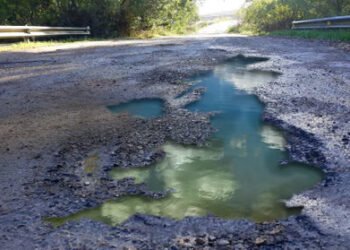 Heavier SUVs Accelerate Britain’s Pothole Crisis
 Europe EV Demand Surges as Fuel Prices Rise
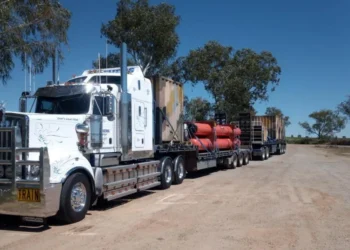 The Outback Squeeze: ‘Out of Control’ Diesel Prices Threaten Australia’s Freight Arteries
 The Pouch Peril: Dental Experts Probe the ‘Seismic’ Impact of Nicotine Pouches on Oral Health
 Nature Calls (Virtually): Seres Patents Voice-Activated In-Car Toilet
 Big Tech Lobbies EU to Hide Massive Datacentre Emissions
 Night of Fire: Thousands of Turkeys Perish in Cheshire Barn Inferno
 The Empty Express: India’s $100 Billion Metro Gamble Faces a Ridership Crisis
 ‘The End of the Quiet Era’: Japan Relaxes Arms Export Rules in Historic Pivot From Pacifism
 Rations and Rides: Global Responses to the 2026 Fuel Crisis
 ‘Maritime Drones and Steel’: £50m Defence Deals Set to Spark Job Boom in Plymouth and South Yorkshire
 Human Capital for AI Infrastructure: Meta Cuts 8,000 Staff to Fuel $135bn Bet
 The $111 Billion Handshake: Warner Bros. Shareholders Greenlight Paramount Merger
 Reform UK funding: mystery billionaire revealed
 Beyond the Swoosh: Anta Sports Overtakes Rivals to Become Global Top Three
 The Sinking Ledger: How Climate Change Is Dismantling the Pacific’s Economic Backbone
 Capitalism ‘Suicidal’, Warns Petro at Climate Summit
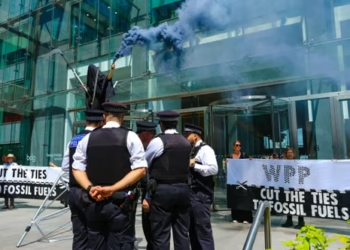 UK Firm Faces Backlash Over US Oil Advertising Deals
 “Grounded”: Beijing Implements Total Ban on Drone Sales Citing Capital Security
 Record May Heat to Cold Front in Eastern Australia
 Vodafone Seeks Full Control of UK Mobile in £4.3bn Deal
 “Precision Over Personnel”: Robots Move In as Waste Firms Battle 40% Staff Turnover
 “The Oakland Showdown”: OpenAI President Testifies Musk Physically Threatened Him in 2017
 A Massive Legal Triumph Reshapes the Future of AI
 UK rejects EV charging VAT cut amid Treasury clash
 Bear Escapes Factory Through Open Window
 AI May Soon Start Conversations on Dating Apps
 Zuckerberg Veteran Speaks on AI and Future Jobs
 Can Ordinary Investors Buy SpaceX Shares?
 “I Applied for Hundreds of Jobs” — The Advice That Finally Worked
 Gamers Push Back Against Industry Over Shutdown of Online Games