Published: 17 July 2026 | The English Chronicle Desk | The English Chronicle Online
The World Cup third-place play-off is often described as the match nobody wants to play.
After falling short in the semi-finals, teams are left with the disappointment of missing out on a place in the final. Players and supporters may feel that the tournament’s biggest prize has already disappeared.
However, the battle for third place has produced some of the most entertaining, emotional and memorable moments in World Cup history.
While it may not carry the same prestige as lifting the trophy, the third-place play-off still offers plenty of reasons for fans to care.
The third-place match is frequently criticised because it comes immediately after the heartbreak of a semi-final defeat.

For players who have dreamed of winning the World Cup, competing for a bronze medal can feel like a small reward compared with the ultimate prize.
But reaching the final four of the world’s biggest football tournament is an extraordinary achievement.
The match gives teams an opportunity to finish their campaign with pride and leave supporters with a positive memory.
A fourth-place finish can feel disappointing, while a third-place finish allows a nation to celebrate being among the best teams in the world.
For many footballers, the third-place play-off provides one final opportunity to create a World Cup memory.
Not every player reaches the later stages of the tournament, and those who do often want to end their journey with a victory.
The match can also be important for players who have not had much playing time.
Managers may give opportunities to squad members who contributed throughout the tournament but did not regularly start.
For younger players, a strong performance in a global spotlight can become a defining moment in their careers.
Unlike the final, where pressure can lead teams to be cautious, third-place matches often produce more attacking football.
With less at stake, teams may play with greater freedom and take more risks.
The result can be a more open contest featuring goals, attacking moves and individual moments of brilliance.
Players who have spent weeks under intense pressure sometimes use the match as a chance to enjoy their football again.
For neutral supporters, this can make the game one of the most entertaining matches of the tournament.
Football is about more than trophies.
For many nations, finishing third at a World Cup represents a historic achievement.
A strong tournament performance can inspire future generations, increase participation in the sport and strengthen national pride.
The third-place play-off allows teams to finish their campaign by representing their country one final time on the biggest stage.
Even without winning the tournament, securing a place among the top three nations in world football is an accomplishment worth recognising.
The match can also influence individual honours.
Players competing in the third-place game may strengthen their claims for awards such as the Golden Boot, Golden Ball or recognition as one of the tournament’s standout performers.
A final strong performance can shape how a player’s tournament is remembered.
Football history is filled with players whose reputations were enhanced by memorable World Cup moments, even when their teams did not win the competition.
World Cups often introduce fans to emerging talents.
The third-place play-off gives young players a global stage to demonstrate their ability.
A strong performance can attract attention from major clubs and establish a player’s reputation internationally.
For developing football nations, success in such matches can also prove that they belong among the world’s elite.
A third-place finish can become a foundation for future progress.
The history of the World Cup third-place play-off includes several memorable encounters.
The matches have produced high-scoring games, dramatic comebacks and outstanding individual performances.
Some teams have used the occasion to respond strongly after semi-final disappointment, showing character and determination.
These games remind fans that football remains unpredictable and emotional even when the biggest prize is no longer available.
Recovering from a semi-final defeat is one of the biggest psychological challenges in football.
Teams must quickly rebuild motivation after seeing their dream of winning the tournament disappear.
The third-place match tests professionalism, character and team spirit.
Players who can prepare mentally and perform after disappointment demonstrate a different kind of strength.
For coaches, it is also an opportunity to show leadership by keeping the squad focused.
Success at the World Cup can have long-term consequences for a country’s football development.
Strong performances attract investment, increase interest among young players and encourage governments and sporting organisations to improve facilities.
A third-place finish can become part of a nation’s football identity.
It can inspire future teams and create belief that greater achievements are possible.
For supporters, the third-place play-off offers a final chance to see some of the world’s best players competing together at a World Cup.
It provides another opportunity to experience the atmosphere, drama and emotion that make the tournament special.
Fans also get to celebrate teams that may not have reached the final but still delivered unforgettable performances.
The match is not simply about deciding who finishes third. It is about recognising achievement and celebrating football itself.
A bronze medal may not compare with the gold prize, but it still represents success at the highest level.

Only four teams reach the World Cup semi-finals. Finishing third means overcoming almost every other nation in the competition.
For players and supporters, that achievement can carry lasting significance.
The third-place play-off may never replace the excitement of the final, but it remains an important part of the World Cup story.
As football continues to evolve, debates about the importance of the third-place play-off will continue.
Some will always view it as an unnecessary fixture after the disappointment of the semi-finals.
Others will see it as a celebration of excellence and a chance to honour teams that reached the final stages of the world’s greatest sporting event.
Ultimately, the third-place match is about more than a medal.
It is about pride, history, opportunity and giving players one final chance to represent their countries on football’s biggest stage.
Related News:
 Rising World Cup Ticket Prices Spark Concern
 Scotland Branded “Unprofessional” in World Cup Fallout as England Build Momentum
 Chinese Football Fans Embrace Referee as Unexpected World Cup Figure
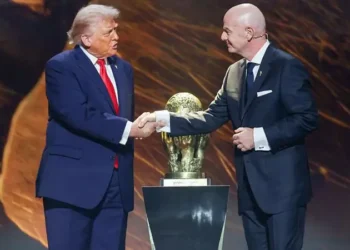 Referee Controversy Raises Questions Over FIFA’s Control of the World Cup
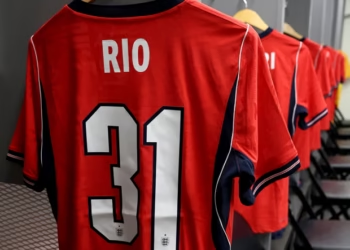 Nike Charges Fans Most for World Cup Replica Shirts
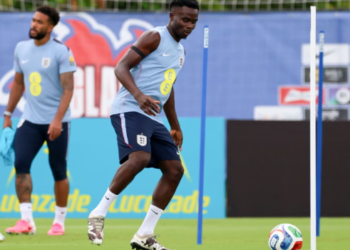 Saka Playing Through Pain As England World Cup Campaign Looms
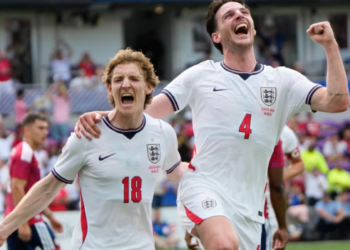 England Cruise Past Costa Rica as World Cup Warm-Up Sharpens Tuchel’s Vision
 ‘We all love him’: Henderson backs Bellingham for England success
 Can France Escape the Ghosts of their 2002 World Cup Nightmare?
 Deschamps Shields Mbappé From Fierce Political Storm
 Messi Equals World Cup Record In Masterclass Victory
 Erling Haaland Double Fires Norway To Victory On Debut
 Iran Files Official Fifa Complaint Over World Cup Travel
 Historic Victory for Canada as They Defeat Nine-Man Qatar
 Heartbreak for Canada as Koné Suffers Horrific Injury
 Declan Rice Facing Burnout as Tuchel Confronts Midfield Crisis
 Rodrygo Reflects On World Cup Pressure And Social Media
 How ‘Little Scotland’ Is Embracing the World Cup Spirit
 Cape Verde Hold Uruguay in Dramatic World Cup Clash
 World Cup 2026: Reclaiming the American Dream
 The Forgotten Hosts Making World Cup History Behind the Scenes
 Great Stories, Little Jeopardy – Does the New World Cup Format Really Work?
 Martinelli Strikes Late as Brazil Edge Past Brave Japan
 Paraguay Shock Germany in Historic Penalty Shootout
 Morocco Beat Dutch in Wild World Cup Penalty Drama
 England Fans Praised for ‘Excellent’ Behaviour During World Cup Campaign
 France Dominate Sweden as Deschamps’ New Era Takes Shape
 Haaland Heroics Send Norway Into Historic Last 16 Knockout
 Kane Saves Tuchel as England Survive Dramatic Exit
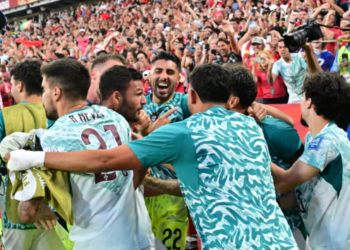 Ramos Sends Portugal into the Last 16
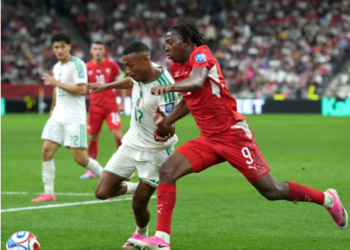 Swiss Star Manzambi Shines in World Cup Victory
 Trump Helps Clear Balogun for Belgium World Cup Clash
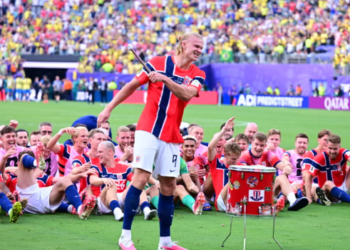 Norway’s Stunning World Cup Victory Over Brazil
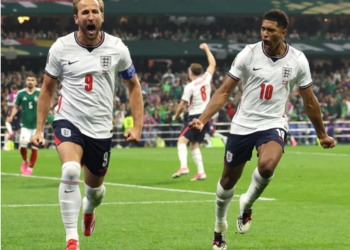 England Triumph in Azteca World Cup Thriller
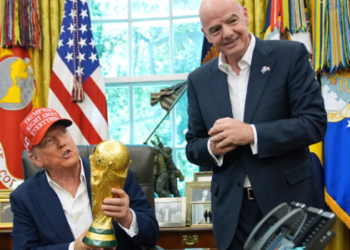 Trump’s Red-Card Intervention Hurts the US World Cup
 Trump Intervenes in Fifa World Cup Balogun Ban
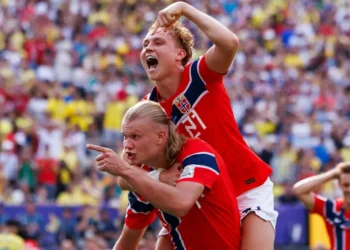 Haaland Makes History as England Prepare for Biggest Test
 England’s 10 Men Hold Firm in World Cup Thriller
 USA World Cup Heartbreak: Belgium Ends Their Dream
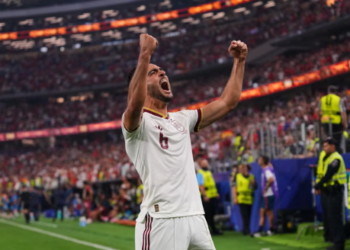 Spanish Late Winner Sends Ronaldo Into Final Sunset
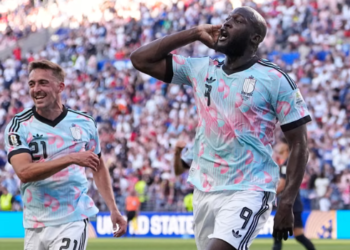 Belgium Thrashes USA After Red Card Controversy
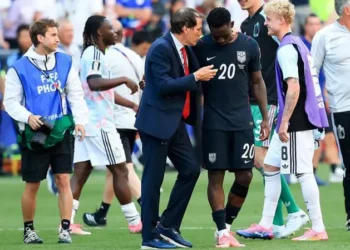 Balogun Drama Overshadows USA’s World Cup Exit
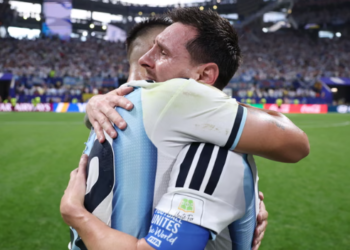 Messi’s Tears and Triumph in Epic World Cup Escape
 Switzerland Advance in Penalty Thriller
 Egyptian Fury After Argentina World Cup Heartbreak
 World Cup 2026 Power Rankings: England on the Rise
 Mbappé Brilliance Leads France Into Semi-Finals
 Belgium Draws Global Support Before Spain Showdown
 Golden Boot Battle Reaches World Cup Boiling Point
 Rollercoaster Semi-Final Leaves Fans Breathless
 Haaland and Bellingham: A Dortmund Bond Tested
 Rice Poised for England Semi-Final Clash Against Argentina
 Teamwork Over Talent: How Spain Outclassed France to Reach the World Cup Final
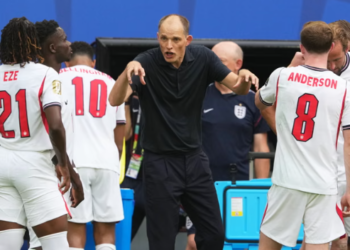 Tuchel: England Ready for Historic Argentina Clash
 Tuchel Backs England Stars to Overcome Messi’s Argentina
 Argentina End England’s World Cup Dream With Semi-Final Victory
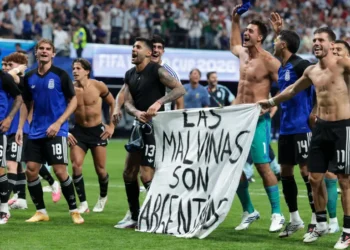 Argentina Face FIFA Investigation After Players Display Falklands Banner Following World Cup Victory
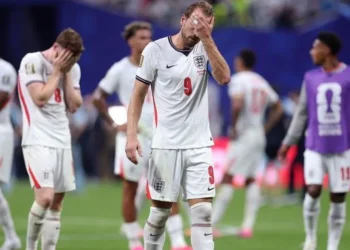 Did Thomas Tuchel’s Defensive Approach Cost England? Tactical Questions Emerge After World Cup Exit
 The Financial Winners and Losers From the World Cup
 England Missing Final Piece of Jigsaw Despite Progress, Says Kane
 World Cup Stars Who Could Move This Summer
 Who Am I? Guess World Cup Star No 40 – The Mystery Player Captivating Football Fans
 Sir David Beckham Consoled by Victoria After Heartbreaking World Cup Defeat
 World Cup Rings for Winners as Trump Attendance Confirmed
 Southgate Calls for Different Approach to Boys
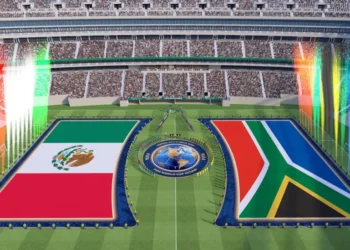 Fans Bring Flags and Fire to World Cup Scenes
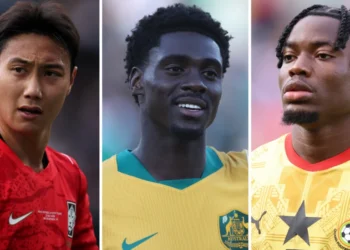 11 EFL Stars Ready to Shine at World Cup
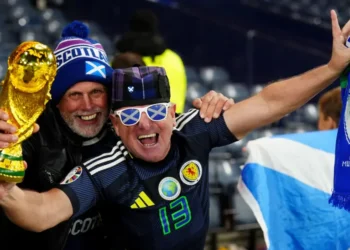 Fans Invited to Share Scotland World Cup Stories
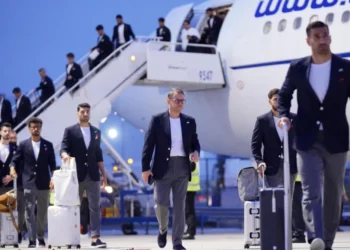 Iran Team Arrives in Mexico Amid US Visa Dispute
 “My Drinking Days Are Over” — How to Enjoy an Alcohol-Free World Cup
 Football Regulator Contacts West Ham Over “Serious Allegations” Linked to Sullivan
 Tuchel’s England Mission Goes Beyond Football Success
 US Advance Past Bosnia in World Cup Thriller
 Paul Seixas: French Cycling’s Teenage Hope at the Tour
 Trump Helps Clear Balogun for Belgium World Cup Clash
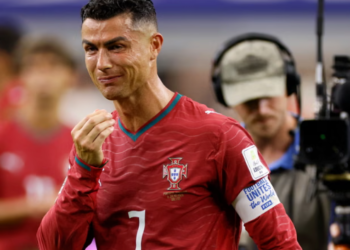 Ronaldo Says Farewell to the World Cup Stage
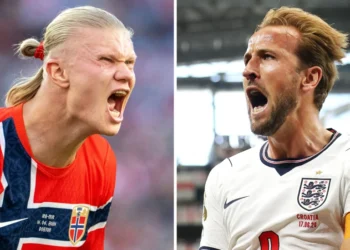 Kane vs Haaland: Which Striker Would You Choose?
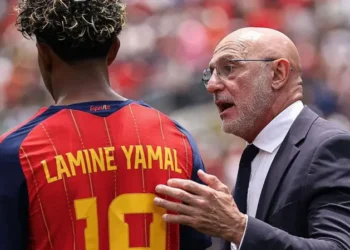 De la Fuente’s Spain Eye History Through Unity
 Bryne Backs Haaland Before England World Cup Clash
 Lamine Yamal’s Birthday: Football, Fame, and France