Published: 20 July 2026 | The English Chronicle Desk | The English Chronicle Online
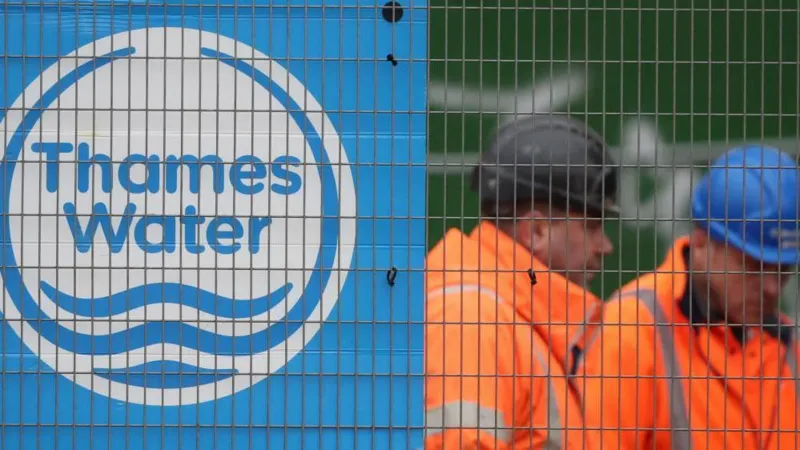
Lenders to Thames Water are reportedly preparing for a potential legal battle should the government of Prime Minister Andy Burnham proceed with plans to bring England’s largest water company into public ownership.
Financial institutions with significant exposure to the troubled utility are said to be examining legal options to protect their investments, amid growing speculation that the government could intervene if Thames Water’s financial position deteriorates further.
The prospect of nationalisation has intensified debate over the future of Britain’s water industry, balancing the need to protect essential public services against the rights of private investors.
Thames Water has faced years of financial and operational difficulties, becoming one of the UK’s most closely watched infrastructure companies.
The utility serves millions of customers across London and southern England, providing drinking water and wastewater services to households and businesses.

In recent years, the company has come under pressure from mounting debt, regulatory scrutiny, environmental concerns and the need for substantial investment in ageing infrastructure.
Questions about its long-term financial stability have fuelled speculation that government intervention may eventually become unavoidable.
According to reports, banks and investment funds that have provided financing to Thames Water are preparing contingency plans should the government move to nationalise the company.
Legal advisers are understood to be examining whether investors would be entitled to compensation and how existing debt obligations would be treated under any public ownership arrangement.
Financial institutions argue that investors should receive fair treatment if government action affects their contractual rights or the value of their investments.
The preparations do not necessarily indicate that legal proceedings are imminent but reflect growing concern within financial markets.
Although ministers have acknowledged the seriousness of Thames Water’s financial challenges, the government has not formally announced plans to nationalise the company.
Officials have repeatedly stated that maintaining reliable water services for customers remains the priority.
Government sources have indicated that a range of options continues to be considered, including regulatory intervention, financial restructuring and, if necessary, temporary public ownership.
Supporters of nationalisation argue that essential public utilities should remain operational regardless of corporate financial difficulties.
Thames Water is one of the largest water suppliers in the United Kingdom, serving approximately 16 million customers.
Its network includes thousands of kilometres of water mains, treatment facilities and sewer infrastructure critical to public health and economic activity.
Any disruption to its operations could have significant consequences for households, businesses and local authorities.
For this reason, governments have historically viewed continuity of water services as a matter of national importance.
Lenders involved with Thames Water have invested billions of pounds in the company’s operations over many years.
They argue that any government intervention should respect established legal principles protecting creditors and investors.
Legal experts note that compensation disputes frequently arise when governments acquire privately owned assets, particularly in sectors involving essential infrastructure.
The value of assets, outstanding debts and future business prospects can all become subjects of negotiation or litigation.
Calls for greater public ownership of utilities have become increasingly prominent in British politics.
Supporters argue that water companies provide essential public services and should prioritise investment, environmental performance and customer service over shareholder returns.
Critics of privatisation have pointed to sewage pollution, infrastructure failures and rising customer bills as evidence that reform is needed.
Opponents of nationalisation, however, warn that government ownership could expose taxpayers to significant financial risks while discouraging future private investment.
Should nationalisation proceed, the government would likely face complex financial negotiations involving shareholders, bondholders and lenders.
Investment analysts believe any legal challenge could focus on compensation levels, contractual obligations and the legal authority used to acquire the company.
Such disputes have the potential to take considerable time to resolve, particularly if international investors are involved.
The outcome could also influence investor confidence in UK infrastructure projects more broadly.
Consumer groups say the focus should remain on maintaining reliable water supplies and improving environmental performance.
Many customers have expressed frustration over service interruptions, leakage, pollution incidents and rising bills in recent years.
Regulators have repeatedly emphasised that households should not bear the consequences of corporate financial instability.

Any government intervention would therefore aim to ensure uninterrupted water services while addressing the company’s financial position.
The future of Thames Water has become an increasingly important political issue.
Opposition parties, environmental organisations and industry experts continue to debate the most appropriate solution.
Supporters of government intervention argue that decisive action may be necessary to protect critical infrastructure.
Others believe financial restructuring within the private sector remains preferable if it can restore long-term stability without burdening taxpayers.
As speculation over Thames Water’s future continues, lenders are preparing for the possibility of legal action should the Burnham government choose to nationalise the company.
While no final decision has been announced, the prospect of public ownership has already triggered significant concern among investors seeking to safeguard their financial interests.
The coming months are likely to determine not only the future ownership of Britain’s largest water utility but also the broader relationship between government intervention, private investment and the management of essential public services in the United Kingdom.
Related News:
 David Lammy Faces Possible Legal Challenge Over Foreign Office Secondment Scheme
 Grant Shapps Cleared to Join Defence Startup Despite Ethical Concerns
 Chancellor Rachel Reeves Pushes for Sweeping Changes to Environmental Protections to Accelerate Development
 Starmer Urged to Champion Workers’ Rights Amid Low Public Awareness
 Rachel Reeves Hosts Top UK and US Financial Executives as Trump’s State Visit Begins
 King Charles Earns Over £1 Million from Duchy Land Linked to Scrapped HS2 Project
 Gatwick Secures Approval for £2.2bn Second Runway Expansion
 Senior Tories Condemn Badenoch’s Vow to Repeal Climate Change Act as Catastrophic
 Kemi Badenoch Unveils ‘Golden Rule’ to Halve Spending Cuts for Deficit Reduction at Tory Conference
 Richard Tice’s Business Record Contrasts with His ‘Net Stupid Zero’ Criticism
 UK Labour Market Shows Signs of Stabilising After Job Losses
 Lucy Powell urged ministers to reconsider costly legal case for Labour donor’s firm
 Miliband Promises New Nuclear Stations if SNP Ousted
 Rachel Reeves to lead UK trade push in Saudi Arabia amid rights debate
 Trump’s UK Ambassador Urges North Sea Drilling to Strengthen US Ties
 Rachel Reeves Set to Break Labour Pledge and Raise Income Tax
 MPs Press Rachel Reeves to Hike Gambling Taxes
 Cuts to home insulation funding threaten UK climate goals
 Millionaires group urge Reeves to introduce wealth tax to ‘lift kids out of poverty’
 PM Highlights UK Business at G20 in South Africa
 English Mayors Set to Introduce Tourist Taxes
 Starmer Says Labour’s Economic Plan Needs Years to Deliver
 China Dependence Threatens UK Energy Supply Chains and Jobs
 MPs warn AI financial risks threaten UK stability
 MPs warn AI financial risks threaten UK stability
 UK Government Borrowing Drops to £11.6bn in December
 Labour Must Revive High Streets to Avoid Election Collapse
 Barclays drops Global Counsel after Mandelson link scrutiny
 Could Manchester Lead the UK’s Economic Revival?
 Robert Jenrick to Be Unveiled as Reform UK’s Treasury Spokesman, Reports Say
 Reform Plans to Keep UK’s Budget Watchdog in Office
 Tories Call for Rethink of Parliament Revamp Plans
 Jenrick: I’ll Back OBR but There’ll Be No More Cosy Consensus
 Another U-turn Ahead as Labour Reconsiders Youth Minimum Wage
 UK Sees Record £30.4bn Budget Surplus, Boosting Reeves’ Position
 Ministers Urged to Ban Crypto Political Donations
 Reeves Must Back Defence Plan or Face Dismissal, Says Unite Chief
 OBR Reform Row Deepens Before Spring Forecast
 Labour’s Employment Shake‑Up ‘Makes Britain Worse Than France’
 Minister Visits Leonardo After £1bn Deal Secured
 Reeves Faces Triple Threat as Markets Reel From Global Turmoil
 Cost of Living Crisis Returns to Centre Stage
 UK Fuel Tax Hike Plan to Be Kept Under Review Over Iran Conflict
 Starmer Launches Labour Local Election Campaign Under Shadow of ‘Bloodbath’ Predictions
 The 8 Million Dilemma: Why Britain’s Disability Safety Net is Facing a ‘2026 Reckoning’
 The ‘Peterborough Windfall’: Council Calculator Finds £84,800 in Unclaimed Support
 Fuel Duty Relief Plea Amid Middle East Oil Crisis
 ‘A Hammer to the Strategic Heart’: Manufacturers Face £940m Surge in Business Rates
 Diplomatic Sprint: Starmer Heads to the Gulf as 14-Day Truce Holds
 Global Commerce Crisis: Cooper Demands Immediate, Toll-Free Access to Hormuz
 OpenAI Halts Stargate UK Project Amid Energy Crisis
 Policy Stand-Off: Streeting Denies Any ‘System Update’ to Resident Doctor Pay Deal
 “No Cause for Alarm”: Officials Defend UK Resilience Amid Supply Chain Fears
 “Jobs Will Go”: Rishi Sunak Warns AI is Already Eroding Entry-Level Opportunities
 Reform UK funding: mystery billionaire revealed
 “We Are Shielding Them”: UK Families Face £11 Billion Hit as Iran War Bills Surge
 The “Long Tail” of War: Minister Warns Economic Scarring Could Last Eight Months Post-Conflict
 “A Pint-Sized Crisis”: Publicans Warn of Industry ‘Carnage’ as Energy and Tax Hikes Loom
 High Street “Lawlessness”: Council Staff Under Attack from “Link-up” Gangs
 The “Golden Handshake”: Nigel Farage Referred to Standards Watchdog Over £5m Crypto Gift
 Reality Check on Reform: Minister Says Outright Abolition of Leasehold “Impossible”
 The $126 Spike: Oil Hits Four-Year High as Trump Weighs “Powerful” New Iran Strikes
 “A Royal Dram”: Trump Scraps Whisky Tariffs in Historic Gesture to Departing King
 BBC News Faces Deep Cuts in 2,000 Job Plan
 Silent Tracks: Rail Line Without Passengers
 “The Breaking Point”: Hospitality Leaders Warn of a ‘Sinking’ Industry Amidst Rising Operational Costs
 Labour Faces Internal Pressure for Bold Economic Shift
 Labour Factions Propose Bold Tax Cuts Amid Leadership Storm
 Thames Water Rescue Package Hit by Downing Street Chaos
 UK Inflation and Global Conflict Drive Up April Borrowing
 UK Pushes for New EU Goods Trade Deal
 Reeves Fights to Keep Treasury Role Amid Labour Turmoil
 UK Urged to Build EU Rejoin Consensus, Says Miliband
 MPs Warn Defence Plan Delays Are Undermining UK Credibility
 MPs Say Defence Strategy Delays Risk Damaging Britain’s Reputation
 Extra £174m Set Aside as Costs Rise on Lower Thames Crossing Project
 Great Britain Faces £90bn Electricity Grid Rewire Bill
 Burnham Promises Relief on Cost of Living Crisis
 Healey Says Treasury Undervalues Defence Spending
 China Hits Out at British Steel Nationalisation