Published: 20 July 2026 | The English Chronicle Desk | The English Chronicle Online
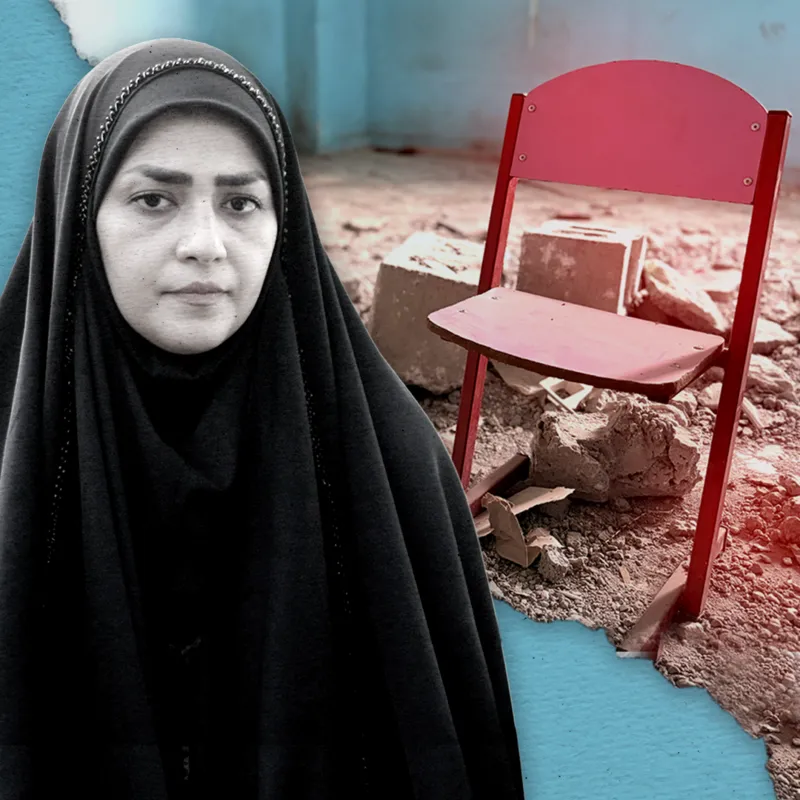
The question written on the faces of grieving families is simple but devastating: “What was their crime?”
That question has followed the deaths of 120 children who were killed when a strike hit a school in Iran, leaving a community struggling to understand how a place of learning became the scene of one of the conflict’s most heartbreaking tragedies.
The attack has drawn international condemnation and renewed concerns over the impact of military operations on civilians, particularly children. As families mourn, questions remain about the circumstances surrounding the strike, who was responsible and whether those killed were ever considered legitimate targets.

The school, which had been a place where children gathered to study, socialise and build their futures, became the centre of mourning after the deadly strike.
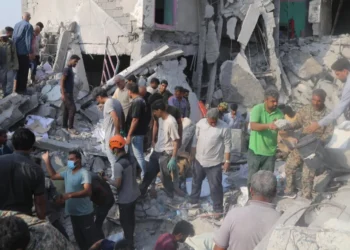
Families described scenes of devastation as emergency teams searched through the aftermath of the attack.
Many of those killed were children who had been attending classes, leaving parents and relatives facing unimaginable loss.
For survivors and residents, the destruction of the school represented not only the loss of lives but also the destruction of a symbol of hope and normality.
Among the most painful questions raised by relatives is why children were caught up in the attack.
Parents and community members have demanded answers, asking what threat the students could possibly have represented.
The phrase “What was their crime?” has become a powerful expression of grief and anger, reflecting the belief among many families that innocent civilians should never become victims of warfare.
Human rights organisations have repeatedly warned that children are among the most vulnerable during conflicts and must receive special protection under international law.
The strike has left an entire community traumatised.
Families who once focused on school routines, exams and everyday life are now dealing with funerals and loss.
Teachers, classmates and neighbours have been left grieving the children they knew.
Psychologists say the emotional effects of such events can continue for years, particularly among young survivors who experience violence at an early age.
Communities affected by attacks on schools often face long-term challenges rebuilding a sense of safety.
The deaths have prompted strong reactions from governments, humanitarian organisations and international observers.
Calls have been made for a full investigation into the strike and for those responsible to be held accountable if violations of international law are found.
Human rights groups have stressed that civilian protection must remain a priority during any military operation.
The incident has also intensified wider debate about the conduct of warfare and the protection of non-combatants.
Authorities and opposing sides in the conflict may provide different accounts of what happened, including the intended target and the circumstances leading to the strike.
Investigators typically examine evidence such as the location of the attack, weapons used, intelligence information and the status of the site at the time.
Determining responsibility can be complex, especially during active conflicts where competing claims are often made.
Independent investigations are considered important for establishing facts.
The attack has highlighted the wider issue of schools becoming vulnerable during conflicts.
International organisations have repeatedly stated that educational facilities should be protected and should not become targets.
Schools provide essential services beyond education, often serving as places of stability and support for children.
When schools are damaged or destroyed, the effects extend beyond immediate casualties by disrupting education and community life.
For children who survived the attack, the experience may leave lasting psychological scars.
Survivors may struggle with fear, grief and trauma following exposure to violence.
Aid organisations often provide emergency support, counselling and assistance to affected families.
However, rebuilding emotional security after such events can take considerable time.
Human rights campaigners say accountability is essential whenever civilians are killed during military operations.
They argue that investigations must be transparent and that civilian deaths should not simply become statistics in broader political conflicts.
Families of the victims have called for answers, saying they deserve to know why their children died.
For them, justice is not only about punishment but also about recognition of the lives lost.
While the strike has become part of a wider geopolitical conflict, families say their children were not political symbols.
They were students, sons and daughters with hopes, dreams and futures ahead of them.
The loss has been felt most deeply by those who knew them personally—the parents waiting at home, classmates who shared classrooms with them and teachers who guided them.

The deaths of 120 children in the school strike have left a community searching for answers and demanding accountability.
As investigations continue, families continue to ask the question that has become the centre of their grief: “What was their crime?”
For those mourning the children, the tragedy is a reminder of the devastating human cost of conflict and the urgent need to protect civilians, especially the youngest and most vulnerable.
The future response from governments and international organisations will determine whether lessons are learned from the tragedy or whether similar losses continue to occur in conflicts around the world.
Related News:
 Months of Planning Behind US‑Israeli Mission to Target Iran’s Supreme Leader
 Cooper: Joining US Strikes on Iran ‘Not in Britain’s Interest’
 What Khamenei’s Death Means for Russia and China
 Trump’s Iran Endgame Unclear After Mixed Messaging on War Aims
 Israel Launches Fresh Strikes on Tehran & Beirut; US Warns “Hardest Hits” Ahead
 Middle East Crisis Escalates as Oil Routes Shake Markets
 “The Fragile Truce Shatters”: Israeli Airstrikes Kill 19 in Southern Lebanon as Clashes Escalate
 Hunger increasingly weaponised in global conflicts
 “A Fragile Ceasefire Shattered”: The Escalating Humanitarian and Security Crisis in Southern Lebanon
 Iran and Israel Pause Strikes but Warn Retaliation Will Follow Any New Breach
 US Launches New Strikes on Iran as Trump Issues Stark Warning to Tehran
 US Launches New Strikes as Iran Says Civilian Infrastructure Hit
 Iranian Airport and Bridges Hit as US Forces Board Ship Amid Ports Blockade
 Iran Says ‘Guiding Principles’ Agreed With US at Nuclear Talks
 Iran’s Regime Still Intact — Coming Days Will Test Its Survival
 Allies of US in the Gulf Bear Brunt of Iran Attacks
 Hopes and Fears as US Iranians Take to Streets After Toppling of Supreme Leader
 Retaliations Continue on Day Two of US-Israel Attacks on Iran
 At Least 153 Dead After Reported Strike on School, Iran Says
 At Least 153 Dead After Reported Strike on School, Iran Says
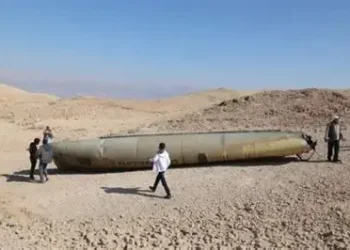 BBC Reports from Beit Shemesh After Deadly Iranian Missile Strike
 Iran, the US, and a World Cup That Starts in Three Months
 Allies of US in the Gulf Bear Brunt of Iran Attacks
 Israeli Attacks Kill 31 in Lebanon, Iran Strikes Across Region, US Warplanes Crash in Kuwait
 In Maps: Strikes Across Iran and the Middle East
 UK Will Allow US to Use Bases to Strike Iranian Missile Sites, PM Says
 Tehran Makes New Threat to Gulf Shipping as US Says ‘Hardest Hits’ on Iran ‘Yet to Come’
 Did Trump Declare War and Did Congress Approve Iran Attacks? What to Know
 Rubio Responds to Reported Strike on Iranian School
 The Third Day of the US‑Israeli War With Iran
 Why the US and Israel attacked Iran
 Three Days In, This War’s End Is Still Unclear
 US Has ‘Enough Weapons for Forever War,’ Trump Says
 Israel Strikes Lebanon After Hezbollah Rocket Fire as Iran Conflict Widens
 Latest on Middle East Conflict — In Maps: Strikes Across Iran and the Region
 Amazon Says Drones Damaged Three Facilities in UAE and Bahrain
 Man Recalls ‘Terrifying’ Dubai Missile Ordeal During Iran Strikes
 Israel’s New Airstrikes on Tehran & Beirut After US Embassy in Riyadh Is Hit
 Israel Launches Ground Invasion of Lebanon Amid Widening Middle East War
 Iranian Rockets Are Testing the Resolve of Dubai’s Instagram Stars
 US Embassy in Riyadh Hit by Iranian Drones as Israeli Troops Enter Southern Lebanon
 US Strikes on Iran Triggered by Israel’s Plan to Launch Attack, Rubio Says
 First Wave of Europeans Stranded by Iran Conflict Return Home, With Hundreds of Thousands Still Left in Region
 Civilian Deaths in Iran Pass 700 Amid Fear of Bombs and Regime Clampdown
 US Senate Backs Trump War Powers Amid Iran Missile Barrage
 Azerbaijan Promises Retaliation After Iranian Drone Hits Airport
 UK Prepares Aircraft Carrier for Middle East Crisis
 Ukraine war briefing: Zelenskyy offers help to Saudi Crown prince on combatting Iranian drones
 Nine Days of Strikes Reshape the Middle East
 Video Analysis Suggests US Missile Hit Base Near Iran School
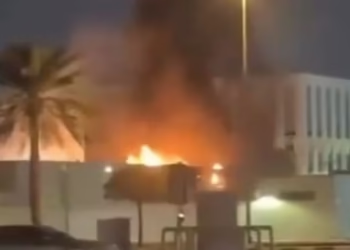 Busy International Airport Targeted by Iran in Latest Strikes
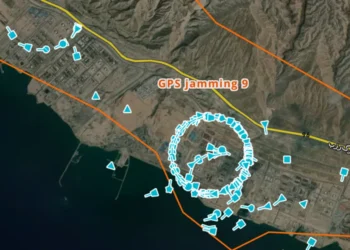 GPS Jamming: The Invisible Battle in the Middle East
 Saudi Arabia Urging US to Keep Up Iran Attacks
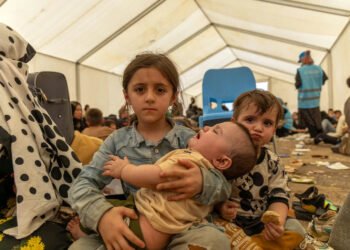 Death, displacement and military duties: children plunged into crisis
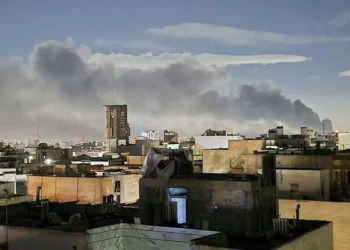 Iran Says Intelligence Chief Killed in US-Israeli Strike as Trump Threatens ‘Hell’ Without Deal
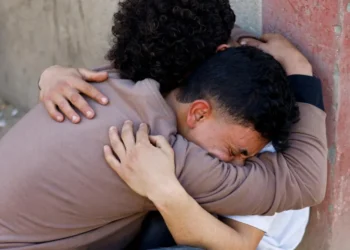 Ten Dead as Israeli Strikes and Internal Clashes Rock Gaza
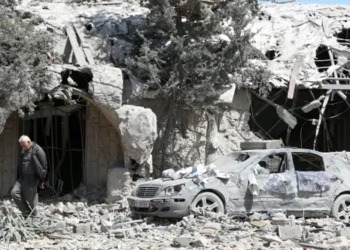 Netanyahu Vows Continued Lebanon Strikes Amid Peace Talks
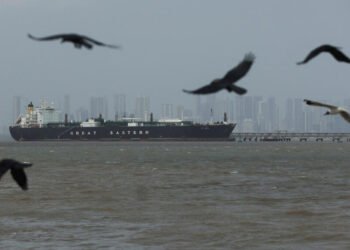 US and Iran Pursue Extension of Ceasefire via Pakistan
 Ukraine Urges UK to Seize Russian Oil Tankers
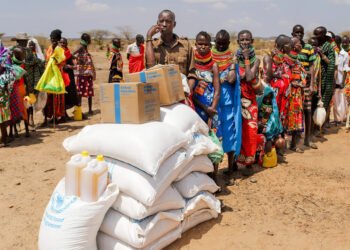 Aid Crisis Grows as Hormuz War Disrupts Supply
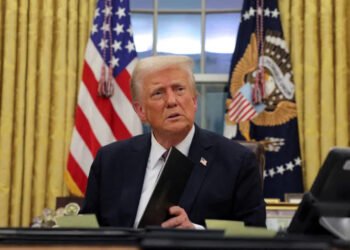 Global order shifts amid Trump-era turmoil
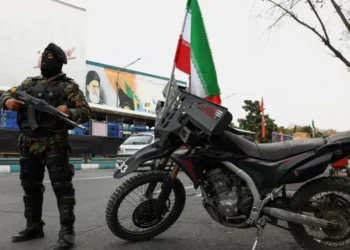 “The Silence of the Victor”: Why Iranians Fear a More Ruthless, Entrenched Regime Post-War
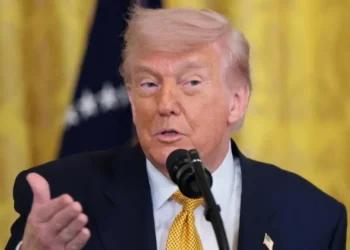 “The Pakistan Paradox”: Trump’s Peace Hopes Clouded by Blockades and ‘Red Line’ Caveats
 “The Trading Bonanza”: Shell Profits Soar to $6.9 Billion Amid Iran War ‘Volatility’
 “The Peace Dividend”: Oil Prices Plunge and Global Stocks Surge on Reports of Iran Ceasefire Deal
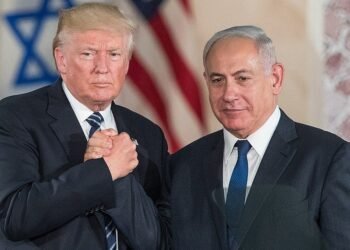 Tensions Emerge in Netanyahu-Trump Alliance
 “Double Trauma”: Iranian Activist Tells BBC How Fear of War Intensifies the ‘National Security’ Weight of Repression
 “Totally Unacceptable”: Trump Rejects Iran’s Peace Counter-Proposal as Ceasefire Frays
“Hold Off”: Trump Pauses ‘Scheduled’ Strike After 11th-Hour Appeal From Gulf Allies
“Totally Unacceptable”: Trump Rejects Iran’s Peace Counter-Proposal as Ceasefire Frays
“Hold Off”: Trump Pauses ‘Scheduled’ Strike After 11th-Hour Appeal From Gulf Allies
 Israeli Strikes in Lebanon Kill 10 Amid Ceasefire Strain
 Former ICC prosecutor condemns US sanctions
 European Allies Set Peace Terms for Ukraine
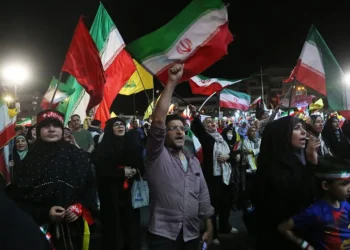 Israel-Iran Escalation May Strengthen Tehran’s Position in Future Negotiations
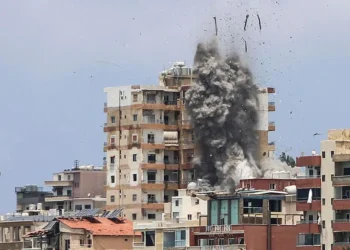 Israeli Air Strikes Hit Tyre as Regional Tensions Escalate After Iranian Warning
 Iran To Propose New Shipping Fees In Strait Of Hormuz
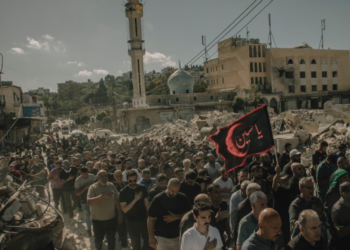 Grief and Devotion Amidst the Rubble of Nabatieh
 Lebanon Reports 18 Killed in Israeli Strikes as Israel Announces Deaths of Four Soldiers
 First Round of US-Iran Talks Ends With ‘Encouraging Progress’, Mediators Say
 Russian Troop Build-Up Raises Fears for Strategic City in Eastern Ukraine
 US Renews Strikes on Iran as Trump Warns Underground Nuclear Sites Could Be Targeted